 Borrowed DaysBefore You Had a Name“Before You Had a Name” looks beneath romance and asks what makes closeness feel real rather than merely spoken. Its deeper tension becomes visible in “But something deep refused to fade,” which turns the lyric toward the courage required to remain emotionally open when certainty is impossible. That is why the recurring image of light matters: it suggests clarity, hope, or the nearness of something sacred. Its direct address gives the message a human target: someone to love, warn, remember, persuade, or reassure. What begins with “I saw you once in passing light” finally lands at “What's in a name when hearts collide,” where the song leaves love feeling less like a declaration and more like a way of inhabiting another person's presence.More…
The Unspoken
Meanings beyond the lyrics.
Some songs are heard. Others explain what we could not say. Enter the lyrics, ideas, listener takeaways and connected tracks.
View
Borrowed DaysBefore You Had a Name“Before You Had a Name” looks beneath romance and asks what makes closeness feel real rather than merely spoken. Its deeper tension becomes visible in “But something deep refused to fade,” which turns the lyric toward the courage required to remain emotionally open when certainty is impossible. That is why the recurring image of light matters: it suggests clarity, hope, or the nearness of something sacred. Its direct address gives the message a human target: someone to love, warn, remember, persuade, or reassure. What begins with “I saw you once in passing light” finally lands at “What's in a name when hearts collide,” where the song leaves love feeling less like a declaration and more like a way of inhabiting another person's presence.More… Borrowed DaysBorrowed Days“Borrowed Days” places the language of love around a quieter question: what does it mean to truly make room for another person? The line “We never said forever” exposes the tension underneath the song: devotion as a continuing act, not a single dramatic promise. Silence becomes more than scenery; it begins to stand for absence, restraint, or the space where inner truth becomes audible. Its collective voice turns a private emotion into something a group, generation, or community could carry together. What begins with “We never said forever” finally lands at “If only love could learn to stay,” where the final impression is of intimacy becoming a place to return to.More…
 Borrowed DaysGhost in My Room“Ghost in My Room” places the language of love around a quieter question: what does it mean to truly make room for another person? The thought beneath the melody sharpens around “Your coat still hangs behind the door”: devotion as a continuing act, not a single dramatic promise. That is why the recurring image of door matters: it suggests threshold, choice, and transition. By speaking to a 'you', the lyric turns its idea into relationship rather than abstract commentary. “If love survives beyond the end” works as the final turn in the thought; the song leaves love feeling less like a declaration and more like a way of inhabiting another person's presence.More…
 Borrowed DaysInvisible Ink“Invisible Ink” is interested not only in feeling love, but in how love changes attention, memory, and the sense of home. The thought beneath the melody sharpens around “I wrote a line I never sent”: closeness as a form of emotional home, built one ordinary moment at a time. The repeated presence of silence gives the lyric a symbolic layer of absence, restraint, or the space where inner truth becomes audible. The personal voice matters: the song sounds as though the narrator is learning the thought while singing it. The later image “If I had written loud and bold” changes the emotional direction, and the final impression is of intimacy becoming a place to return to.More…
 Borrowed DaysPages of Us“Pages of Us” treats affection as an experience with consequences, not just a beautiful mood. The thought beneath the melody sharpens around “I found a book without a name”: the way affection reshapes memory, time, and even the meaning of place. That is why the recurring image of time matters: it suggests change, mortality, and the impossibility of holding a moment still. Its collective voice turns a private emotion into something a group, generation, or community could carry together. The lyric’s arrival at “So let them write their stories loud” matters because the song ultimately makes tenderness feel active, chosen, and lived.More…
 Borrowed DaysThe Empty Chair“The Empty Chair” allows sorrow and gratitude to coexist instead of forcing one to cancel the other. When the lyric says “Your cup still waits beside the sink,” the song moves beyond mood and into the world continuing normally while a private world has been altered. Heart becomes more than scenery; it begins to stand for emotional truth and vulnerability. The second-person voice keeps the emotional stakes immediate, as though the listener has been placed inside the conversation. By the time the song reaches “I'll save your place until the end,” the final thought allows grief and gratitude to occupy the same room.More…
 Borrowed DaysThe Library of You“The Library of You” uses romance as the visible story, but its more lasting concern is how two people create meaning around each other. The line “Alongside tears you never logged” exposes the tension underneath the song: closeness as a form of emotional home, built one ordinary moment at a time. That is why the recurring image of soul matters: it suggests identity beyond surface roles. By speaking to a 'you', the lyric turns its idea into relationship rather than abstract commentary. The lyric’s arrival at “One day my story too will fade” matters because the final impression is of intimacy becoming a place to return to.More…
 Borrowed DaysTranslated Heart“Translated Heart” places the language of love around a quieter question: what does it mean to truly make room for another person? The thought beneath the melody sharpens around “But something in your eyes did glow”: closeness as a form of emotional home, built one ordinary moment at a time. As the song develops, home quietly comes to represent belonging and emotional safety. The first-person voice keeps the meaning close to lived experience rather than turning it into a lecture. By the time the song reaches “If love's a language all its own,” what remains is the sense that closeness is built through repeated recognition, not one perfect moment.More…
 Borrowed DaysWords That Wait“Words That Wait” is interested not only in feeling love, but in how love changes attention, memory, and the sense of home. When the lyric says “But never found the perfect line,” the song moves beyond mood and into the idea that love becomes real through presence, not spectacle. As the song develops, silence quietly comes to represent absence, restraint, or the space where inner truth becomes audible. The first-person voice keeps the meaning close to lived experience rather than turning it into a lecture. By the time the song reaches “Maybe in another life,” the final impression is of intimacy becoming a place to return to.More…
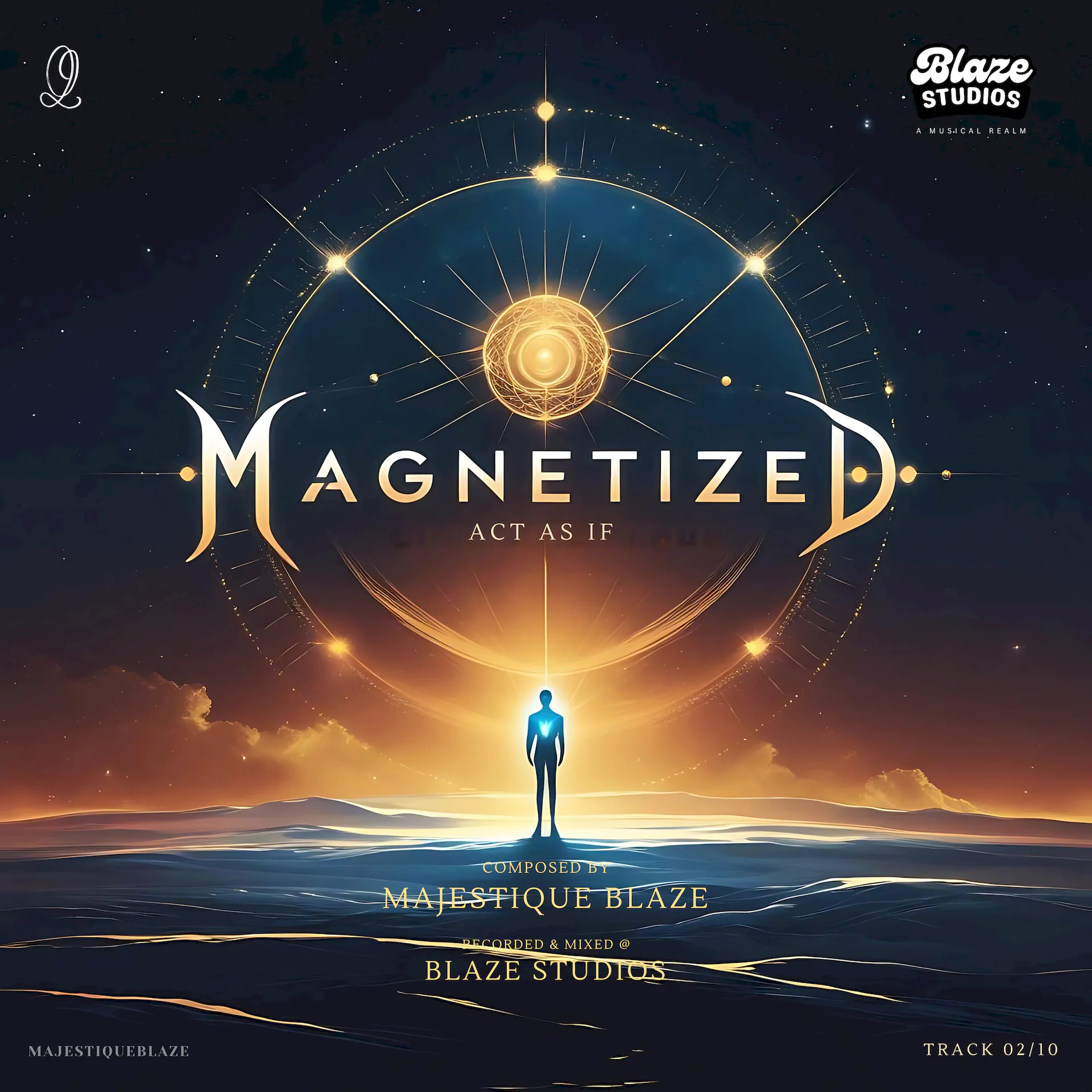 MagnetizedAct As If“Act As If” treats spirituality as lived experience rather than decorative sacred language. The thought beneath the melody sharpens around “They say pretend, but I say align”: faith as a movement through uncertainty rather than an escape from it. The movement from “Wake up, don't wait on fate” to “Eyes closed—future's clear” gives that idea a narrative shape instead of leaving it as a slogan. Its direct address gives the message a human target: someone to love, warn, remember, persuade, or reassure. The lyric’s arrival at “Eyes closed—future's clear” matters because the final movement turns spiritual insight into a practical way of standing in the world.More…
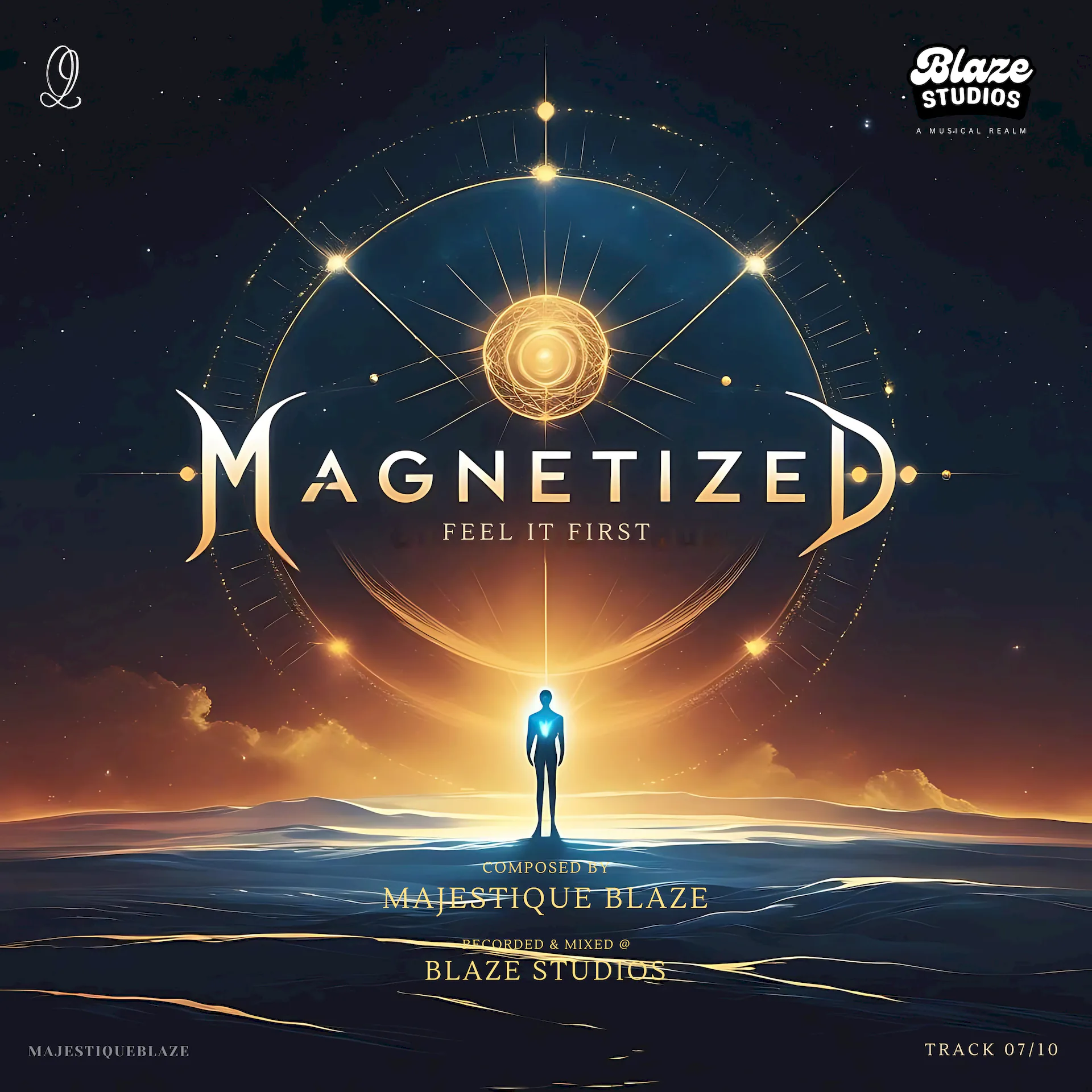 MagnetizedFeel It First“Feel It First” looks beyond ritual toward the inner state that gives ritual its meaning. The thought beneath the melody sharpens around “But every time I searched the sky”: the gap between what the ego fears and what the deeper self may already know. The repeated presence of heart gives the lyric a symbolic layer of emotional truth and vulnerability. The second-person voice keeps the emotional stakes immediate, as though the listener has been placed inside the conversation. What begins with “I looked for signs in skies and smoke” finally lands at “It's not out there,” where its resolution points inward, where faith and understanding have to become lived experience.More…
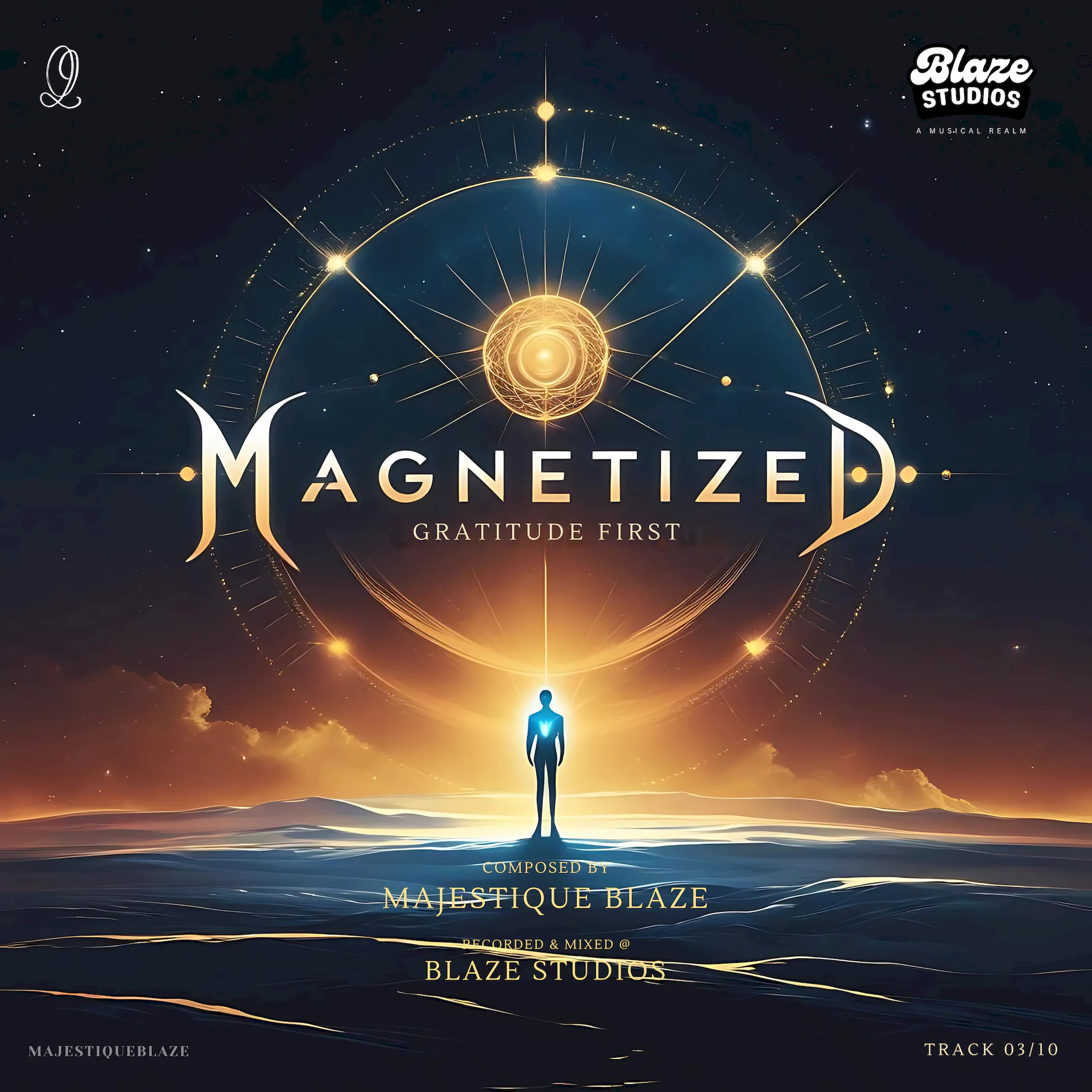 MagnetizedGratitude First“Gratitude First” carries a spiritual idea, but the lyric keeps bringing that idea back to the practical work of seeing, choosing, or surrendering. Its deeper tension becomes visible in “Didn't get it yet, but I thank You still,” which turns the lyric toward the gap between what the ego fears and what the deeper self may already know. Light becomes more than scenery; it begins to stand for clarity, hope, or the nearness of something sacred. Because the lyric speaks from inside the feeling, its idea arrives as confession and discovery rather than instruction. By the time the song reaches “Thank you for the no,” the song leaves the listener with a quieter idea of strength: alignment before action.More…
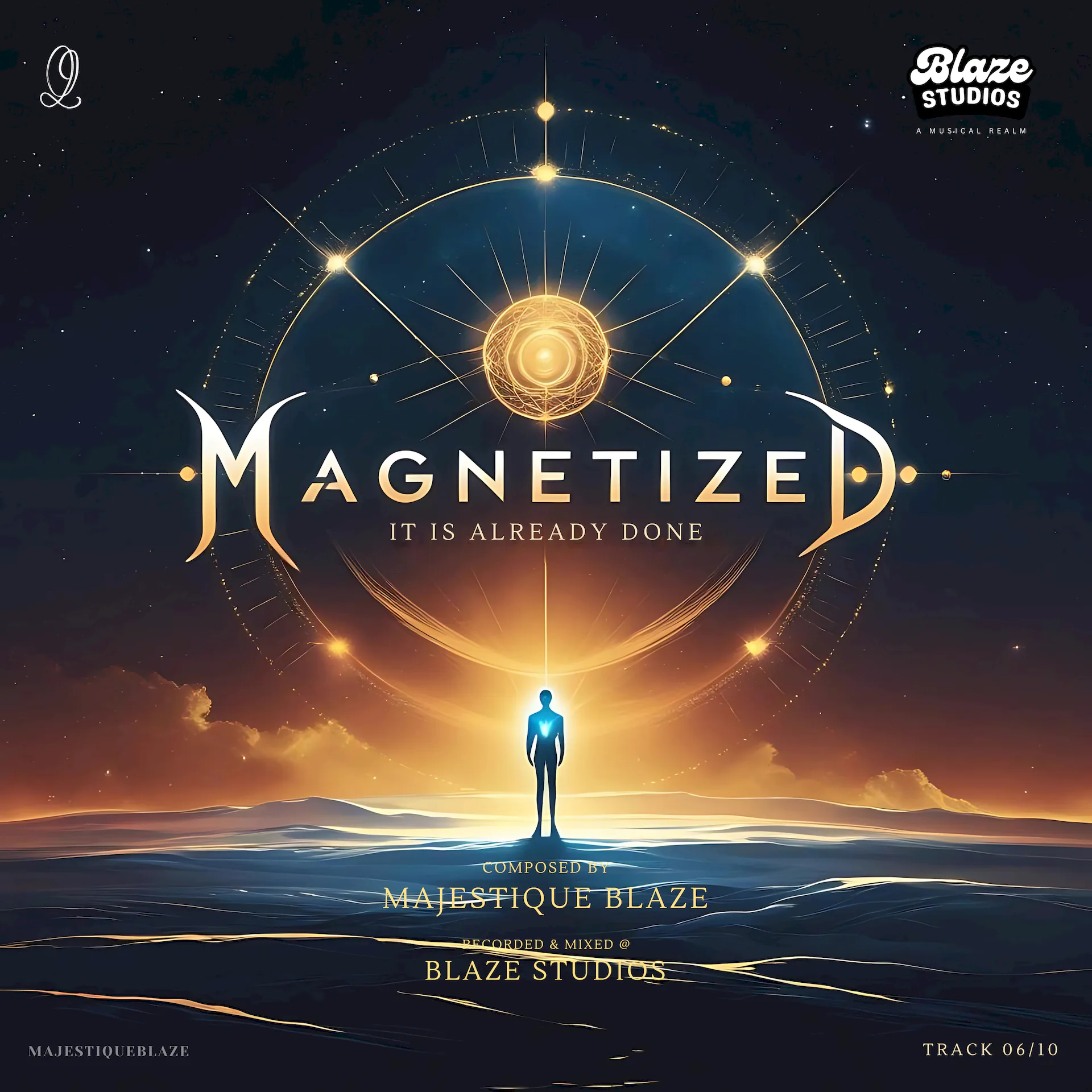 MagnetizedIt Is Already Done“It Is Already Done” looks beyond ritual toward the inner state that gives ritual its meaning. Beyond the surface story, the song leans toward faith as a movement through uncertainty rather than an escape from it. Light becomes more than scenery; it begins to stand for clarity, hope, or the nearness of something sacred. The personal voice matters: the song sounds as though the narrator is learning the thought while singing it. “Human): I say the word” works as the final turn in the thought; the song leaves the listener with a quieter idea of strength: alignment before action.More…
 MagnetizedLet It Come“Let It Come” uses devotional imagery to explore an inward change of perception. Its deeper tension becomes visible in “But now I see, it's not my hands,” which turns the lyric toward inner awakening as a change of perception more than a change of circumstance. The repeated presence of flower gives the lyric a symbolic layer of fragility, growth, and beauty that cannot be permanent. The first-person voice keeps the meaning close to lived experience rather than turning it into a lecture. “It's not the grasp that brings it near” works as the final turn in the thought; the song leaves the listener with a quieter idea of strength: alignment before action.More…
 Make India RichMake India Rich“Make India Rich” lets local detail carry a universal idea: people understand the world partly through the cultures that raised them. When the lyric says “But through a life with purposeful grace,” the song moves beyond mood and into pride in one's roots without needing another culture to be smaller. The repeated presence of sky gives the lyric a symbolic layer of possibility, distance, and perspective. The lyric repeatedly opens outward, asking the listener to stand inside a larger 'we' rather than watch from outside. The later image “Let work be a path, not a cage that binds” changes the emotional direction, and it closes with identity feeling expansive—something that can travel without becoming diluted.More…
 MagnetizedNothing To Fix“Nothing To Fix” carries a spiritual idea, but the lyric keeps bringing that idea back to the practical work of seeing, choosing, or surrendering. The line “But grace don't need a perfect tool” exposes the tension underneath the song: spirituality as an inward relationship rather than external ritual alone. That is why the recurring image of breath matters: it suggests life, presence, and what cannot be taken for granted. The personal voice matters: the song sounds as though the narrator is learning the thought while singing it. What begins with “I've lived in mirrors made of shame” finally lands at “You weren't born broken,” where the closing thought is that clarity comes from changing the way one sees, not merely changing the situation.More…
 MagnetizedThe Secret Is You“The Secret Is You” treats spirituality as lived experience rather than decorative sacred language. “But still you questioned if it's there” is where the song reveals what is really at stake—inner awakening as a change of perception more than a change of circumstance. As the song develops, light quietly comes to represent clarity, hope, or the nearness of something sacred. The second-person voice keeps the emotional stakes immediate, as though the listener has been placed inside the conversation. The later image “You are the dreamer and the dream” changes the emotional direction, and its resolution points inward, where faith and understanding have to become lived experience.More…
 MagnetizedWhisper to the Universe“Whisper to the Universe” becomes most revealing when its spiritual language is read as a conversation with the self as much as with the divine. The thought beneath the melody sharpens around “For dreams the world could never see”: spirituality as an inward relationship rather than external ritual alone. As the song develops, sky quietly comes to represent possibility, distance, and perspective. The personal voice matters: the song sounds as though the narrator is learning the thought while singing it. What begins with “I am ready… I know what I want… I believe you” finally lands at “Every atom hears your tone,” where the final movement turns spiritual insight into a practical way of standing in the world.More…
 MagnetizedYour Wish Is Mine“Your Wish Is Mine” places faith beside doubt, surrender, or attention, allowing devotion to remain human rather than abstract. The line “You're never lost, I echo true” exposes the tension underneath the song: spirituality as an inward relationship rather than external ritual alone. As the song develops, path quietly comes to represent choice, direction, and the search for alignment. The personal voice matters: the song sounds as though the narrator is learning the thought while singing it. By the time the song reaches “I believe... (So it is,” the closing thought is that clarity comes from changing the way one sees, not merely changing the situation.More…
 Between Fire & LightAll The Glory“All The Glory” turns encouragement into a question of agency: what will you do with the next available step? The thought beneath the melody sharpens around “Crowns are worn, but never bold”: power as the ability to recover, recalibrate, and begin again. Light becomes more than scenery; it begins to stand for clarity, hope, or the nearness of something sacred. The direct address gives the song the intimacy of a conversation in which another person is always present. By the time the song reaches “All the glory, none of the weight,” what survives the song is the decision to keep authorship of one's next step.More…
 Between Fire & LightAlways You“Always You” uses romance as the visible story, but its more lasting concern is how two people create meaning around each other. Its deeper tension becomes visible in “A love that will never fall,” which turns the lyric toward the way affection reshapes memory, time, and even the meaning of place. The repeated presence of heart gives the lyric a symbolic layer of emotional truth and vulnerability. The personal voice matters: the song sounds as though the narrator is learning the thought while singing it. “When the years have faded pages” works as the final turn in the thought; the final impression is of intimacy becoming a place to return to.More…
 Between Fire & LightAnother Shot“Another Shot” uses its energetic surface to examine the discipline underneath resilience. Its deeper tension becomes visible in “But I laugh when I rewind,” which turns the lyric toward courage as action taken while fear is still present. As the song develops, time quietly comes to represent change, mortality, and the impossibility of holding a moment still. Because the lyric speaks from inside the feeling, its idea arrives as confession and discovery rather than instruction. What begins with “️ [soft film spool turning” finally lands at “If the flash feels too bright,” where the closing energy treats resilience as a habit that can be recovered.More…
 Between Fire & LightBorn For This“Born For This” frames strength as something built in action, especially when the easier choice would be to stop. “Still was handed what I need” is where the song reveals what is really at stake—momentum as something rebuilt from small choices, not granted by circumstance. The repeated presence of fire gives the lyric a symbolic layer of conviction, transformation, or a force that cannot stay hidden. Because the lyric speaks from inside the feeling, its idea arrives as confession and discovery rather than instruction. “Music drops to heartbeat pulse, lone violin, haunting hums” works as the final turn in the thought; the closing energy treats resilience as a habit that can be recovered.More…
 Between Fire & LightBread Winner“Bread Winner” is less about feeling unstoppable than about recovering motion after doubt, resistance, or failure. The thought beneath the melody sharpens around “Still the world just looks away”: courage as action taken while fear is still present. The repeated presence of fire gives the lyric a symbolic layer of conviction, transformation, or a force that cannot stay hidden. The personal voice matters: the song sounds as though the narrator is learning the thought while singing it. The later image “March ahead, take the strain” changes the emotional direction, and what survives the song is the decision to keep authorship of one's next step.More…
 Between Fire & LightBurn, Drive“Burn, Drive” is less about feeling unstoppable than about recovering motion after doubt, resistance, or failure. The line “Only work will pave the way” exposes the tension underneath the song: courage as action taken while fear is still present. As the song develops, soul quietly comes to represent identity beyond surface roles. By speaking in a shared voice, the song makes the idea feel less like autobiography and more like common experience. The lyric’s arrival at “Push ahead, break the chains” matters because its resolution is practical rather than magical—move, choose, rebuild, repeat.More…
 Between Fire & LightCanvas Lies“Canvas Lies” places reflection at the centre, asking what remains when outside noise and borrowed definitions recede. The thought beneath the melody sharpens around “Statues stand, but silence screams”: the difference between performing an identity and actually inhabiting one. The repeated presence of time gives the lyric a symbolic layer of change, mortality, and the impossibility of holding a moment still. The lyric repeatedly opens outward, asking the listener to stand inside a larger 'we' rather than watch from outside. By the time the song reaches “Erase the name, keep what spoke,” its resolution is not a neat answer but a clearer relationship with the question.More…
 Between Fire & LightCarve It In Stone“Carve It In Stone” treats motivation as a decision made under pressure rather than a slogan shouted from safety. “But I see ‘em trade tomorrows for a neon glow” is where the song reveals what is really at stake—victory as refusing to surrender authorship of one's own direction. As the song develops, fire quietly comes to represent conviction, transformation, or a force that cannot stay hidden. The second-person voice keeps the emotional stakes immediate, as though the listener has been placed inside the conversation. The later image “Gold-plated love fades in the rain” changes the emotional direction, and what survives the song is the decision to keep authorship of one's next step.More…
 Between Fire & LightMove To The Beat“Move To The Beat” treats motivation as a decision made under pressure rather than a slogan shouted from safety. The thought beneath the melody sharpens around “A spirit so strong, it could never hide”: strength as disciplined continuation rather than loud self-belief. As the song develops, heart quietly comes to represent emotional truth and vulnerability. By speaking in a shared voice, the song makes the idea feel less like autobiography and more like common experience. What begins with “Long ago, through every land and street” finally lands at “Oh-oh-oh, hear the call,” where the closing energy treats resilience as a habit that can be recovered.More…
 Between Fire & LightSip On This“Sip On This” finds meaning in communal release: for a few minutes, rhythm matters more than status, worry, or explanation. The deeper thought is joy as something that multiplies when it is shared. Night becomes more than scenery; it begins to stand for uncertainty, intimacy, or a private world away from public noise. That inward point of view makes the message feel experienced before it is explained. What begins with “Pop that cork, let's set the mood” finally lands at “Whiskey Sour for the late-night cool,” where the song leaves behind the sense of a room briefly becoming one pulse.More…
 Between Fire & LightWhat You Need“What You Need” looks beyond confidence and asks what keeps a person moving when confidence is not enough. Its deeper tension becomes visible in “But every road kept turning round,” which turns the lyric toward self-belief as responsibility: once you know you can move, you have to choose whether you will. Time becomes more than scenery; it begins to stand for change, mortality, and the impossibility of holding a moment still. The first-person voice keeps the meaning close to lived experience rather than turning it into a lecture. By the time the song reaches “Looking back, I see it clear,” the closing energy treats resilience as a habit that can be recovered.More…
 Between Fire & LightYou Are The Reason“You Are The Reason” uses romance as the visible story, but its more lasting concern is how two people create meaning around each other. “Like a story that's never been told” is where the song reveals what is really at stake—the idea that love becomes real through presence, not spectacle. That is why the recurring image of time matters: it suggests change, mortality, and the impossibility of holding a moment still. The direct address gives the song the intimacy of a conversation in which another person is always present. The lyric’s arrival at “No map, no road, just you and me” matters because the final impression is of intimacy becoming a place to return to.More…
 Claim Your SoulClaim Your Soul“Claim Your Soul” looks beyond confidence and asks what keeps a person moving when confidence is not enough. “Yet something strong keeps pulling on” is where the song reveals what is really at stake—strength as disciplined continuation rather than loud self-belief. That is why the recurring image of storm matters: it suggests pressure, conflict, and emotional turbulence. The repeated sense of 'we' widens the thought beyond one narrator and makes it communal. “Through the doubt, through all the pain” works as the final turn in the thought; what survives the song is the decision to keep authorship of one's next step.More…
 Claim Your SoulDust We Claim“Dust We Claim” uses its energetic surface to examine the discipline underneath resilience. Its deeper tension becomes visible in “But no key shuts that door,” which turns the lyric toward resilience as the decision to move before confidence has fully returned. That is why the recurring image of ash matters: it suggests what remains after transformation or destruction. Its collective voice turns a private emotion into something a group, generation, or community could carry together. By the time the song reaches “Rise or fall, grave's the same,” the closing energy treats resilience as a habit that can be recovered.More…
 Claim Your SoulFilth Exchange“Filth Exchange” frames strength as something built in action, especially when the easier choice would be to stop. The line “Cycle spins, still justified” exposes the tension underneath the song: resilience as the decision to move before confidence has fully returned. That is why the recurring image of silence matters: it suggests absence, restraint, or the space where inner truth becomes audible. The second-person voice keeps the emotional stakes immediate, as though the listener has been placed inside the conversation. By the time the song reaches “Drip by drip, you disinfect,” its resolution is practical rather than magical—move, choose, rebuild, repeat.More…
 Claim Your SoulForgive Me“Forgive Me” frames strength as something built in action, especially when the easier choice would be to stop. The thought beneath the melody sharpens around “Still forgive me?" – Tell me true”: courage as action taken while fear is still present. As the song develops, time quietly comes to represent change, mortality, and the impossibility of holding a moment still. The personal voice matters: the song sounds as though the narrator is learning the thought while singing it. “If I could turn back all the time” works as the final turn in the thought; what survives the song is the decision to keep authorship of one's next step.More…
 Claim Your SoulGet The Day Back“Get The Day Back” frames strength as something built in action, especially when the easier choice would be to stop. The thought beneath the melody sharpens around “Deadlines chase, but we set pace”: momentum as something rebuilt from small choices, not granted by circumstance. The repeated presence of time gives the lyric a symbolic layer of change, mortality, and the impossibility of holding a moment still. The lyric repeatedly opens outward, asking the listener to stand inside a larger 'we' rather than watch from outside. The lyric’s arrival at “We break the frame, torch the lie” matters because its resolution is practical rather than magical—move, choose, rebuild, repeat.More…
 Claim Your SoulIt'll Find Its Way“It'll Find Its Way” treats motivation as a decision made under pressure rather than a slogan shouted from safety. The thought beneath the melody sharpens around “But on the grit that slowly shines”: courage as action taken while fear is still present. Clock becomes more than scenery; it begins to stand for pressure, mortality, and measured time. The second-person voice keeps the emotional stakes immediate, as though the listener has been placed inside the conversation. By the time the song reaches “No one sees the nights you burn,” the song's final push is toward motion: not because the struggle vanished, but because surrender stopped being the only option.More…
 Claim Your SoulLife Starts When Fear Ends“Life Starts When Fear Ends” is less about feeling unstoppable than about recovering motion after doubt, resistance, or failure. When the lyric says “Only fire in the veins,” the song moves beyond mood and into resilience as the decision to move before confidence has fully returned. The repeated presence of light gives the lyric a symbolic layer of clarity, hope, or the nearness of something sacred. The lyric repeatedly opens outward, asking the listener to stand inside a larger 'we' rather than watch from outside. The later image “No more waiting, no rewind” changes the emotional direction, and its resolution is practical rather than magical—move, choose, rebuild, repeat.More…
 Claim Your SoulLimits Drawn, None Betray“Limits Drawn, None Betray” uses its energetic surface to examine the discipline underneath resilience. The line “Who decides what still stands” exposes the tension underneath the song: ambition as useful only when it is paired with endurance and clarity. Dawn becomes more than scenery; it begins to stand for renewal and the first evidence that darkness is temporary. By speaking in a shared voice, the song makes the idea feel less like autobiography and more like common experience. The later image “Walls rise, lines are drawn” changes the emotional direction, and the closing energy treats resilience as a habit that can be recovered.More…
 Claim Your SoulNo Comfort“No Comfort” looks beyond confidence and asks what keeps a person moving when confidence is not enough. The line “Click rewind, never play” exposes the tension underneath the song: victory as refusing to surrender authorship of one's own direction. That is why the recurring image of mirror matters: it suggests self-recognition and uncomfortable honesty. The second-person voice keeps the emotional stakes immediate, as though the listener has been placed inside the conversation. The lyric’s arrival at “There's no reward for staying still” matters because the song's final push is toward motion: not because the struggle vanished, but because surrender stopped being the only option.More…
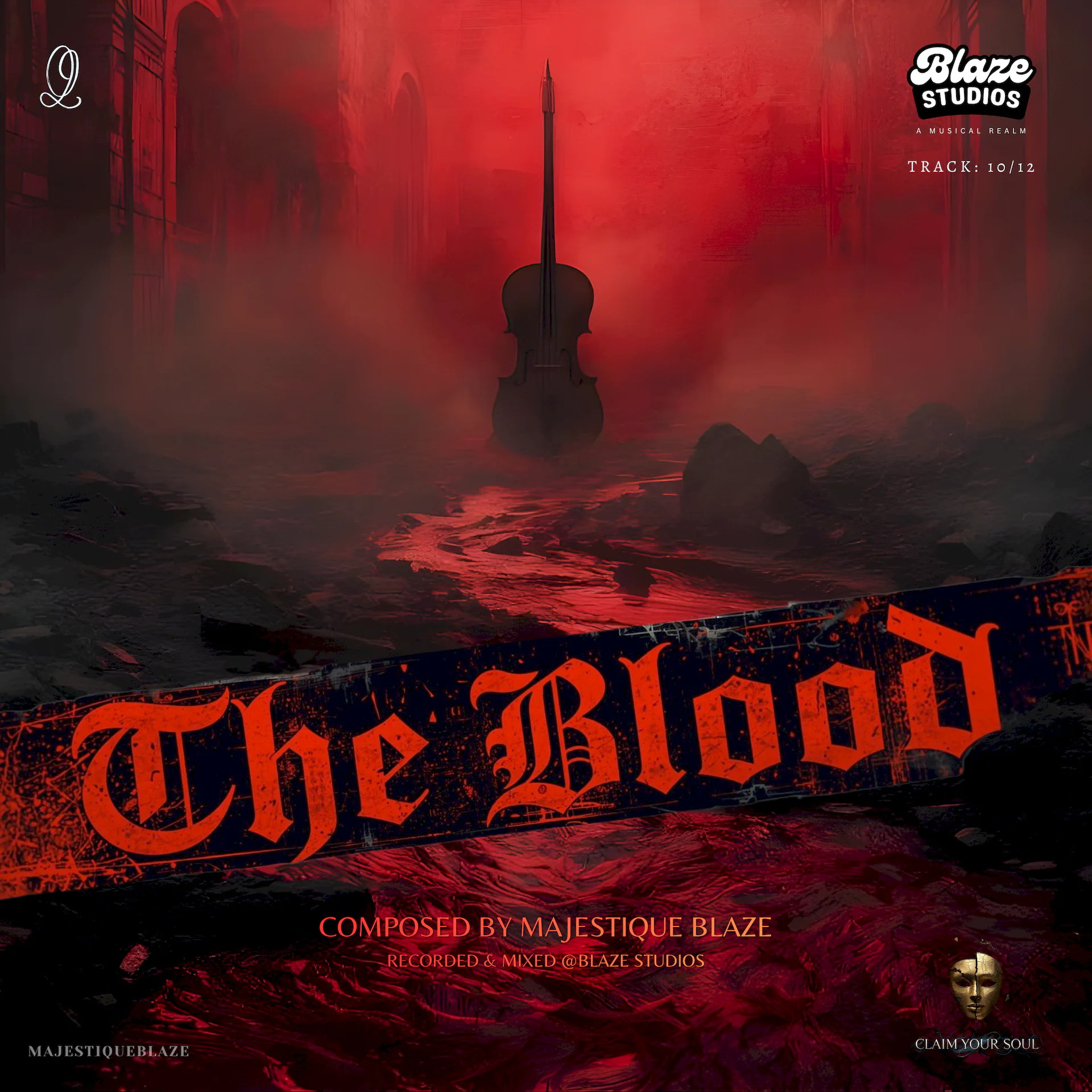 Claim Your SoulThe Blood“The Blood” turns encouragement into a question of agency: what will you do with the next available step? Its deeper tension becomes visible in “In silent pain, love never swayed,” which turns the lyric toward strength as disciplined continuation rather than loud self-belief. That is why the recurring image of time matters: it suggests change, mortality, and the impossibility of holding a moment still. That inward point of view makes the message feel experienced before it is explained. The lyric’s arrival at “Through the night, through the pain” matters because the closing energy treats resilience as a habit that can be recovered.More…
 Claim Your SoulThe Bridge“The Bridge” is less about feeling unstoppable than about recovering motion after doubt, resistance, or failure. The line “Rise up, stand tall, never back down” exposes the tension underneath the song: self-belief as responsibility: once you know you can move, you have to choose whether you will. Chains becomes more than scenery; it begins to stand for constraint and the desire to reclaim agency. The personal voice matters: the song sounds as though the narrator is learning the thought while singing it. The lyric’s arrival at “Ain't about wishing, ain't about chance” matters because what survives the song is the decision to keep authorship of one's next step.More…
 Claim Your SoulTouch the Sky“Touch the Sky” looks beyond confidence and asks what keeps a person moving when confidence is not enough. Its deeper tension becomes visible in “Lessons given, never learned,” which turns the lyric toward courage as action taken while fear is still present. That is why the recurring image of chains matters: it suggests constraint and the desire to reclaim agency. By speaking to a 'you', the lyric turns its idea into relationship rather than abstract commentary. By the time the song reaches “Truth unfolds, realigned,” the closing energy treats resilience as a habit that can be recovered.More…
 Choice & ConsequenceDon't Gamble For A Living“Don't Gamble For A Living” turns inward, using its immediate story as a way to examine identity, thought, or self-recognition. The thought beneath the melody sharpens around “Play your hand, but play it wise”: self-knowledge as the willingness to question comfortable stories about oneself. As the song develops, hand quietly comes to represent care, labour, or practical solidarity. The direct address gives the song the intimacy of a conversation in which another person is always present. “Maybe all we chase is gold dust dreams” works as the final turn in the thought; its resolution is not a neat answer but a clearer relationship with the question.More…
 Choice & ConsequenceIf You Cannot Think I Cannot Help You“If You Cannot Think I Cannot Help You” places reflection at the centre, asking what remains when outside noise and borrowed definitions recede. The thought beneath the melody sharpens around “But you kept staring at the night”: self-awareness as a form of responsibility, not merely introspection. Mirror becomes more than scenery; it begins to stand for self-recognition and uncomfortable honesty. By speaking to a 'you', the lyric turns its idea into relationship rather than abstract commentary. By the time the song reaches “Not a war, but a wake-up call,” its resolution is not a neat answer but a clearer relationship with the question.More…
 Choice & ConsequenceIgnorance Is Bills“Ignorance Is Bills” turns inward, using its immediate story as a way to examine identity, thought, or self-recognition. The line “Now my wallet's ghosted — Netflix still” exposes the tension underneath the song: the search for what remains when status, fear, and external approval are stripped away. The repeated presence of door gives the lyric a symbolic layer of threshold, choice, and transition. That inward point of view makes the message feel experienced before it is explained. What begins with “Thought I'd skip the fine print thrill” finally lands at “Budget apps whisper, "You broke again,” where the song leaves the question open just enough for self-recognition to continue after the music ends.More…
 Choice & ConsequenceMoney Is Debt“Money Is Debt” uses its images to make self-enquiry concrete rather than philosophical in the abstract. “Money is Debt, but we can choose” is where the song reveals what is really at stake—identity as an ongoing investigation rather than a fixed label. As the song develops, breath quietly comes to represent life, presence, and what cannot be taken for granted. The repeated sense of 'we' widens the thought beyond one narrator and makes it communal. By the time the song reaches “Tear the notes, let hearts invest,” the song leaves the question open just enough for self-recognition to continue after the music ends.More…
 Choice & ConsequenceMoney Makes You Poor“Money Makes You Poor” becomes deeper when the lyric is heard as a conversation between the self we perform and the self we actually know. When the lyric says “Stacked all the zeros, still empty in my head,” the song moves beyond mood and into clarity as something earned by sitting with contradiction. The repeated presence of war gives the lyric a symbolic layer of outer conflict and the inner ethics that make action difficult. The second-person voice keeps the emotional stakes immediate, as though the listener has been placed inside the conversation. The lyric’s arrival at “Break the cycle, burn that greed” matters because the song leaves the question open just enough for self-recognition to continue after the music ends.More…
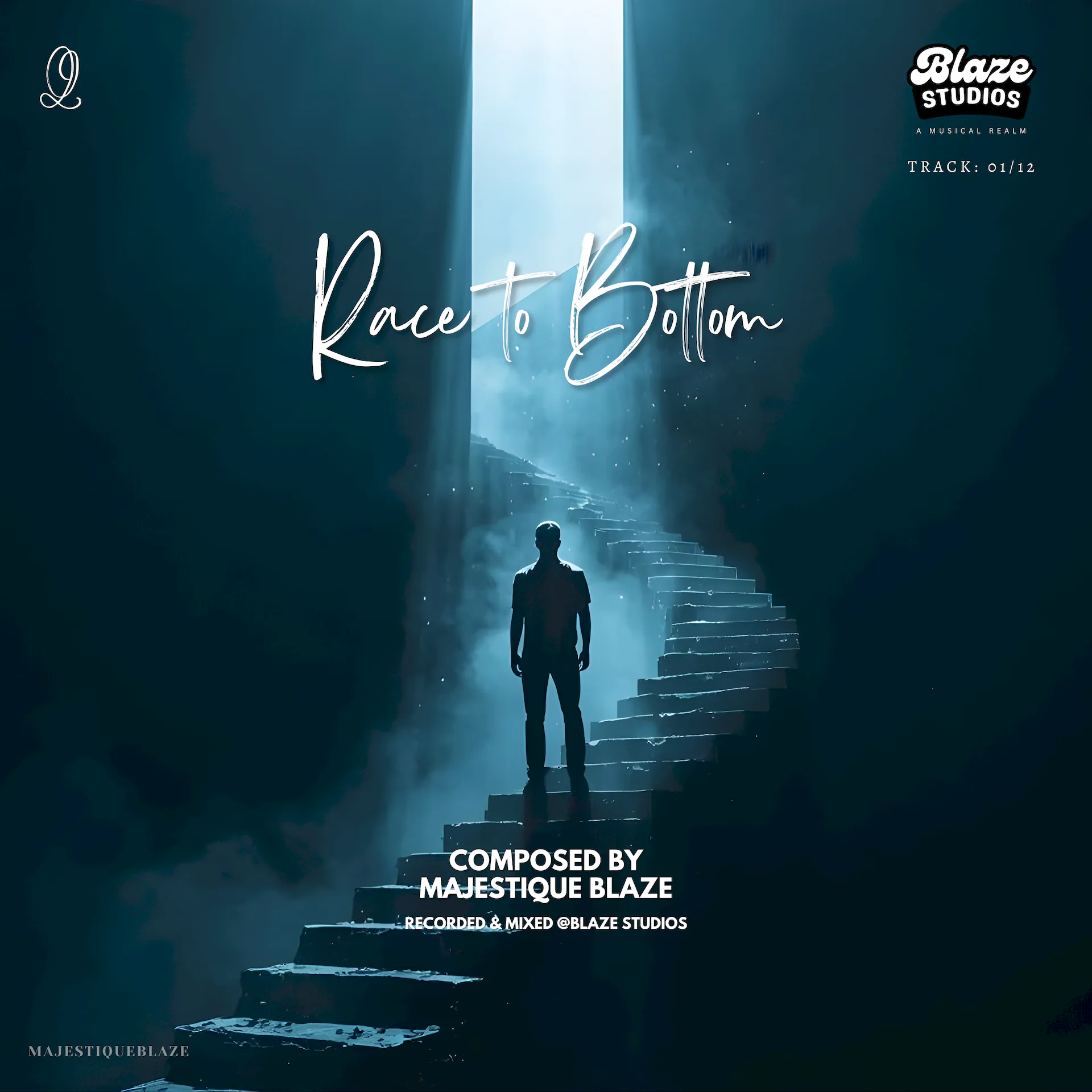 Choice & ConsequenceRace To The Bottom“Race To The Bottom” uses its images to make self-enquiry concrete rather than philosophical in the abstract. The line “But every step I take keeps asking me "why” exposes the tension underneath the song: the search for what remains when status, fear, and external approval are stripped away. Mirror becomes more than scenery; it begins to stand for self-recognition and uncomfortable honesty. Because the lyric speaks from inside the feeling, its idea arrives as confession and discovery rather than instruction. By the time the song reaches “What if strength is choosing not to chase,” what remains is a more honest inner compass, even if it is still unfinished.More…
 Choice & ConsequenceShift Left“Shift Left” is less interested in a neat answer than in the quality of the question being asked inside the mind. Its deeper tension becomes visible in “But wisdom whispers through the code,” which turns the lyric toward the search for what remains when status, fear, and external approval are stripped away. As the song develops, breath quietly comes to represent life, presence, and what cannot be taken for granted. Its direct address gives the message a human target: someone to love, warn, remember, persuade, or reassure. The lyric’s arrival at “In the silence of a glowing screen” matters because its resolution is not a neat answer but a clearer relationship with the question.More…
 Choice & ConsequenceSmooth Is Fast“Smooth Is Fast” carries an inward tension: the desire for clarity and the discomfort required to reach it. The line “Pressure builds, but I stay still” exposes the tension underneath the song: the inner voice as a compass that becomes audible only when noise recedes. As the song develops, fire quietly comes to represent conviction, transformation, or a force that cannot stay hidden. The personal voice matters: the song sounds as though the narrator is learning the thought while singing it. “Speed's illusion, grace's art” works as the final turn in the thought; the final thought suggests that knowing oneself begins where performance and borrowed definitions fall away.More…
 Choice & ConsequenceSuccess Needs“Success Needs” is less interested in a neat answer than in the quality of the question being asked inside the mind. The line “But every fall reminds me — roads can bend” exposes the tension underneath the song: self-awareness as a form of responsibility, not merely introspection. That is why the recurring image of fire matters: it suggests conviction, transformation, or a force that cannot stay hidden. Its direct address gives the message a human target: someone to love, warn, remember, persuade, or reassure. The lyric’s arrival at “It's the rhythm of risk and grace” matters because the song leaves the question open just enough for self-recognition to continue after the music ends.More…
 Choice & ConsequenceThe Real Deal“The Real Deal” uses its images to make self-enquiry concrete rather than philosophical in the abstract. The line “But warmth fades fast when hearts turn cold” exposes the tension underneath the song: the difference between performing an identity and actually inhabiting one. As the song develops, heart quietly comes to represent emotional truth and vulnerability. The repeated sense of 'we' widens the thought beyond one narrator and makes it communal. By the time the song reaches “Strip the glitter, drop the game,” the song leaves the question open just enough for self-recognition to continue after the music ends.More…
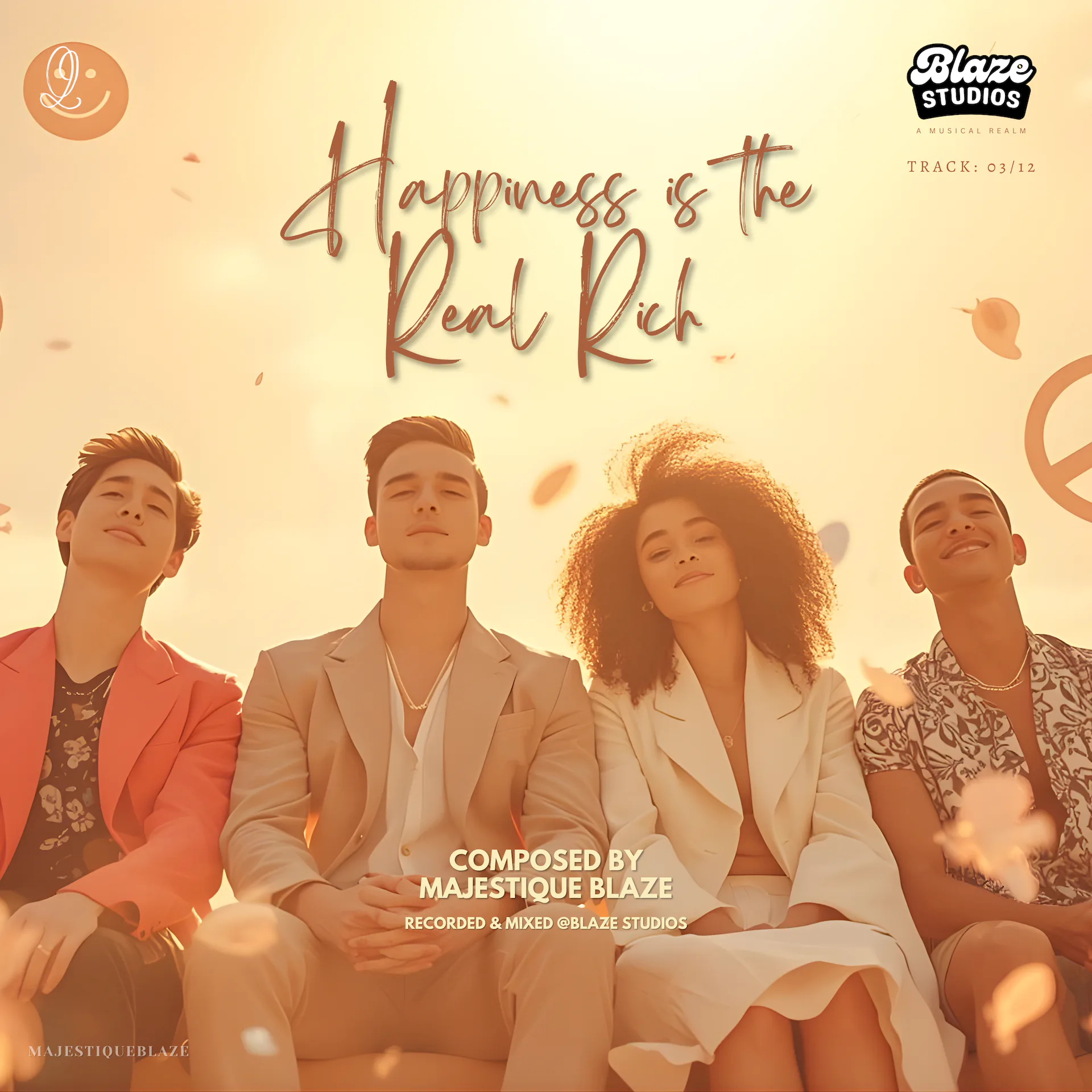 Choice & ConsequenceThe Real Rich“The Real Rich” places reflection at the centre, asking what remains when outside noise and borrowed definitions recede. “But simple joys kept calling in a quiet, honest way” is where the song reveals what is really at stake—clarity as something earned by sitting with contradiction. That is why the recurring image of heart matters: it suggests emotional truth and vulnerability. The second-person voice keeps the emotional stakes immediate, as though the listener has been placed inside the conversation. What begins with “I chased the glitter till the colors turned to grey” finally lands at “Your heart knows the truth that your mind can betray,” where the song leaves the question open just enough for self-recognition to continue after the music ends.More…
 Choice & ConsequenceYou Always Have A Choice“You Always Have A Choice” is less interested in a neat answer than in the quality of the question being asked inside the mind. “But the truth's in the path you choose, no doubt” is where the song reveals what is really at stake—the search for what remains when status, fear, and external approval are stripped away. Voice becomes more than scenery; it begins to stand for agency, truth, and the right to be heard. The second-person voice keeps the emotional stakes immediate, as though the listener has been placed inside the conversation. By the time the song reaches “In the mirror, see your fight,” its resolution is not a neat answer but a clearer relationship with the question.More…
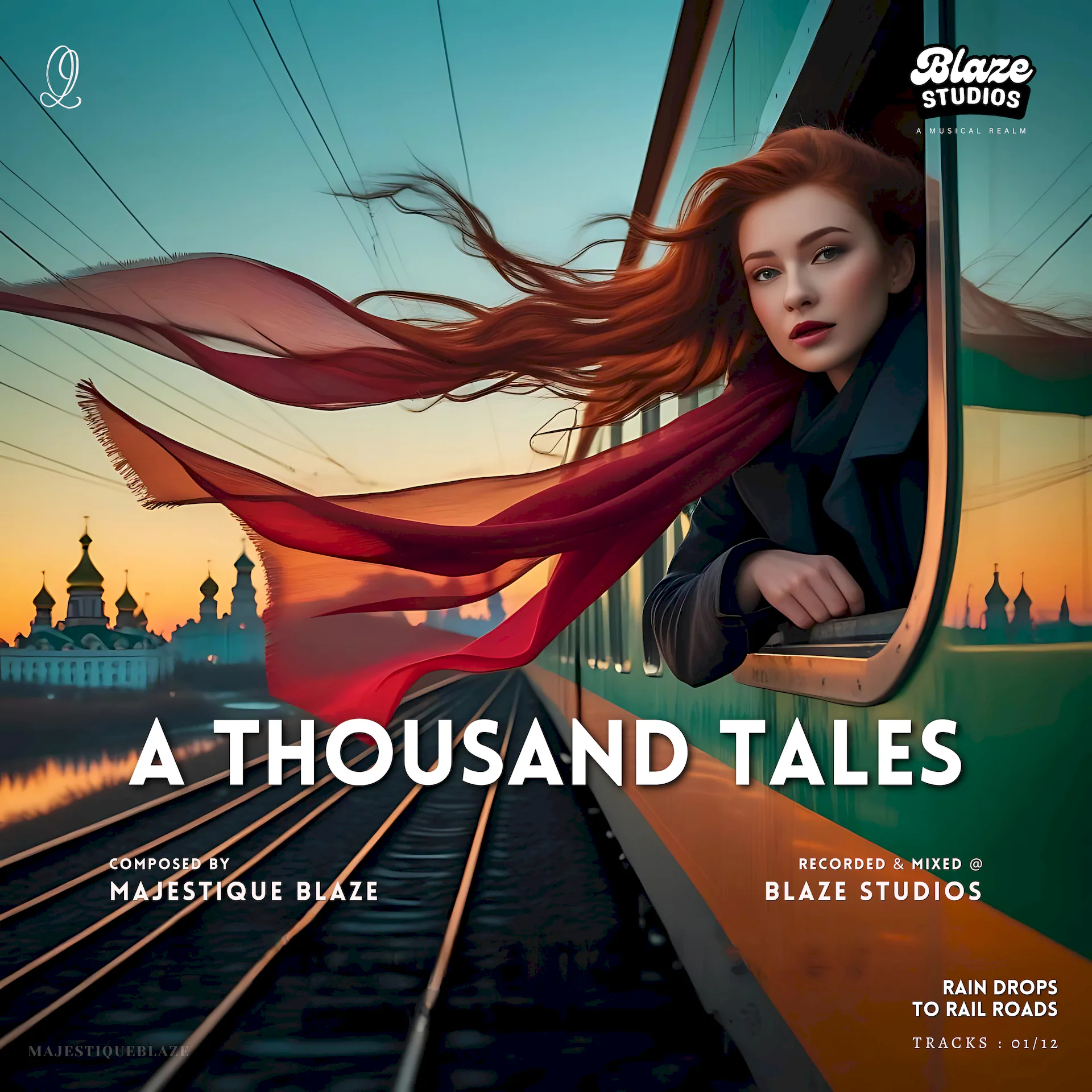 Rain Drops To Rail RoadsA Thousand Tale“A Thousand Tale” places reflection at the centre, asking what remains when outside noise and borrowed definitions recede. “The wheels keep turning, never stop” is where the song reveals what is really at stake—identity as an ongoing investigation rather than a fixed label. Moon becomes more than scenery; it begins to stand for distance, memory, and quiet observation. By speaking in a shared voice, the song makes the idea feel less like autobiography and more like common experience. The lyric’s arrival at “Tea brews strong in a Russian cup” matters because its resolution is not a neat answer but a clearer relationship with the question.More…
 Rain Drops To Rail RoadsChange Will Shine“Change Will Shine” turns encouragement into a question of agency: what will you do with the next available step? “Brings us closer, closer yet” is where the song reveals what is really at stake—resilience as the decision to move before confidence has fully returned. Time becomes more than scenery; it begins to stand for change, mortality, and the impossibility of holding a moment still. By speaking in a shared voice, the song makes the idea feel less like autobiography and more like common experience. What begins with “Don't chase the storm, let it pass” finally lands at “Patience whispers in the breeze,” where its resolution is practical rather than magical—move, choose, rebuild, repeat.More…
 Rain Drops To Rail RoadsCreation Is My Meditation“Creation Is My Meditation” looks beyond ritual toward the inner state that gives ritual its meaning. Underneath the immediate emotion sits an idea of the gap between what the ego fears and what the deeper self may already know. Chains becomes more than scenery; it begins to stand for constraint and the desire to reclaim agency. That inward point of view makes the message feel experienced before it is explained. “More than just a task I do” works as the final turn in the thought; the song leaves the listener with a quieter idea of strength: alignment before action.More…
 Rain Drops To Rail RoadsDancing In Circles“Dancing In Circles” lets colour, movement, and repetition carry a simple idea—joy becomes larger when it is participated in. When the lyric says “But sold me crumbs, and I don't know why,” the song moves beyond mood and into rhythm as a temporary freedom from self-consciousness. The movement from “They promised me a brand new pie” to “Campaign slogans like magic tricks” gives that idea a narrative shape instead of leaving it as a slogan. The repeated sense of 'we' widens the thought beyond one narrator and makes it communal. The lyric’s arrival at “Campaign slogans like magic tricks” matters because the track ultimately treats joy as something communal, physical, and worth making room for.More…
 Rain Drops To Rail RoadsEvery Breath“Every Breath” treats spirituality as lived experience rather than decorative sacred language. The thought beneath the melody sharpens around “No matter where we go, this rhythm stays”: the sacred as something encountered inside ordinary consciousness. Breath becomes more than scenery; it begins to stand for life, presence, and what cannot be taken for granted. Its collective voice turns a private emotion into something a group, generation, or community could carry together. By the time the song reaches “Let the night unfold its magic, let our spirits fly,” the song leaves the listener with a quieter idea of strength: alignment before action.More…
 Rain Drops To Rail RoadsFeast Of The World“Feast Of The World” refuses the comfort of looking away; its deeper subject is the relationship between seeing and responding. Underneath the immediate emotion sits an idea of the cost of normalizing injustice until it becomes invisible. That is why the recurring image of soul matters: it suggests identity beyond surface roles. By speaking to a 'you', the lyric turns its idea into relationship rather than abstract commentary. The lyric’s arrival at “Uma festa no prato, sabor que nunca some” matters because the song refuses to let awareness remain passive; it asks what care should look like in action.More…
 Rain Drops To Rail RoadsForever In My Heart“Forever In My Heart” becomes deeper when its love story is read as a question of presence, trust, and emotional recognition. The thought beneath the melody sharpens around “Though you're far, you're never gone”: connection as a language that can exist before or beyond explanation. That is why the recurring image of light matters: it suggests clarity, hope, or the nearness of something sacred. By speaking to a 'you', the lyric turns its idea into relationship rather than abstract commentary. “And when the stars begin to fall” works as the final turn in the thought; what remains is the sense that closeness is built through repeated recognition, not one perfect moment.More…
 Rain Drops To Rail RoadsFragments Of Time“Fragments Of Time” carries an inward tension: the desire for clarity and the discomfort required to reach it. Its deeper tension becomes visible in “Heroes rise, but the scars never mend,” which turns the lyric toward self-awareness as a form of responsibility, not merely introspection. That is why the recurring image of ashes matters: it suggests what remains after transformation or destruction. By speaking in a shared voice, the song makes the idea feel less like autobiography and more like common experience. What begins with “Cinematic Orchestral,Electronic & Synthwave, Dynamic Build-ups,Choral Elements” finally lands at “It's all about sacrifice, a life in disguise,” where the final thought suggests that knowing oneself begins where performance and borrowed definitions fall away.More…
 Rain Drops To Rail RoadsHold On“Hold On” turns encouragement into a question of agency: what will you do with the next available step? Its deeper tension becomes visible in “It's been a long ride, but we made it through,” which turns the lyric toward courage as action taken while fear is still present. The movement from “It's been a long ride, but we made it through” to “When it's hard to see what's ahead” gives that idea a narrative shape instead of leaving it as a slogan. Its collective voice turns a private emotion into something a group, generation, or community could carry together. “When it's hard to see what's ahead” works as the final turn in the thought; what survives the song is the decision to keep authorship of one's next step.More…
 Rain Drops To Rail RoadsKiss The Rain Drops“Kiss The Rain Drops” becomes deeper when its love story is read as a question of presence, trust, and emotional recognition. “Raindrops fall, but we stand still” is where the song reveals what is really at stake—love as something practiced through attention, trust, and choice rather than merely declared. Light becomes more than scenery; it begins to stand for clarity, hope, or the nearness of something sacred. The lyric repeatedly opens outward, asking the listener to stand inside a larger 'we' rather than watch from outside. The later image “Each droplet tells a tale of love untold” changes the emotional direction, and the final impression is of intimacy becoming a place to return to.More…
 Rain Drops To Rail RoadsMore Than Wonders“More Than Wonders” turns inward, using its immediate story as a way to examine identity, thought, or self-recognition. The line “Silent beauty that will never cease” exposes the tension underneath the song: the difference between performing an identity and actually inhabiting one. That is why the recurring image of time matters: it suggests change, mortality, and the impossibility of holding a moment still. Its collective voice turns a private emotion into something a group, generation, or community could carry together. “Afro-rock guitars, minimalistic synths, and natural world elements” works as the final turn in the thought; its resolution is not a neat answer but a clearer relationship with the question.More…
 Rain Drops To Rail RoadsWe Let Love Grow“We Let Love Grow” looks beneath romance and asks what makes closeness feel real rather than merely spoken. The line “Never running, never hiding” exposes the tension underneath the song: romance as mutual recognition: being seen fully and choosing to stay visible. As the song develops, road quietly comes to represent choice, direction, and the cost of continuing. Its collective voice turns a private emotion into something a group, generation, or community could carry together. The lyric’s arrival at “Through it all, we stood our ground” matters because what remains is the sense that closeness is built through repeated recognition, not one perfect moment.More…
 Gita A3 - The AwakeningA Thousand Suns in One“A Thousand Suns in One” places faith beside doubt, surrender, or attention, allowing devotion to remain human rather than abstract. The line “A fire without an end” exposes the tension underneath the song: wisdom as something lived through action, doubt, and repeated self-correction. Fire becomes more than scenery; it begins to stand for conviction, transformation, or a force that cannot stay hidden. The first-person voice keeps the meaning close to lived experience rather than turning it into a lecture. “A truth so fierce and boundless” works as the final turn in the thought; its resolution points inward, where faith and understanding have to become lived experience.More…
 Gita A3 - The AwakeningArjuna Awakens“Arjuna Awakens” places faith beside doubt, surrender, or attention, allowing devotion to remain human rather than abstract. The thought beneath the melody sharpens around “Let action flow without desire”: wisdom as something lived through action, doubt, and repeated self-correction. Heart becomes more than scenery; it begins to stand for emotional truth and vulnerability. Because the lyric speaks from inside the feeling, its idea arrives as confession and discovery rather than instruction. The lyric’s arrival at “Arjuna awakens now” matters because the song leaves the listener with a quieter idea of strength: alignment before action.More…
 Gita A3 - The AwakeningI Am The Source Of All Paths“I Am The Source Of All Paths” carries a spiritual idea, but the lyric keeps bringing that idea back to the practical work of seeing, choosing, or surrendering. When the lyric says “So simple, yet so vast,” the song moves beyond mood and into wisdom as something lived through action, doubt, and repeated self-correction. Heart becomes more than scenery; it begins to stand for emotional truth and vulnerability. That inward point of view makes the message feel experienced before it is explained. “I am the source of all paths” works as the final turn in the thought; its resolution points inward, where faith and understanding have to become lived experience.More…
 Gita A3 - The AwakeningThe Cosmic Form (Vishvarupa)“The Cosmic Form (Vishvarupa)” looks beyond ritual toward the inner state that gives ritual its meaning. The deeper thought is wisdom as something lived through action, doubt, and repeated self-correction. The repeated presence of breath gives the lyric a symbolic layer of life, presence, and what cannot be taken for granted. The first-person voice keeps the meaning close to lived experience rather than turning it into a lecture. The lyric’s arrival at “This is My cosmic form” matters because the final movement turns spiritual insight into a practical way of standing in the world.More…
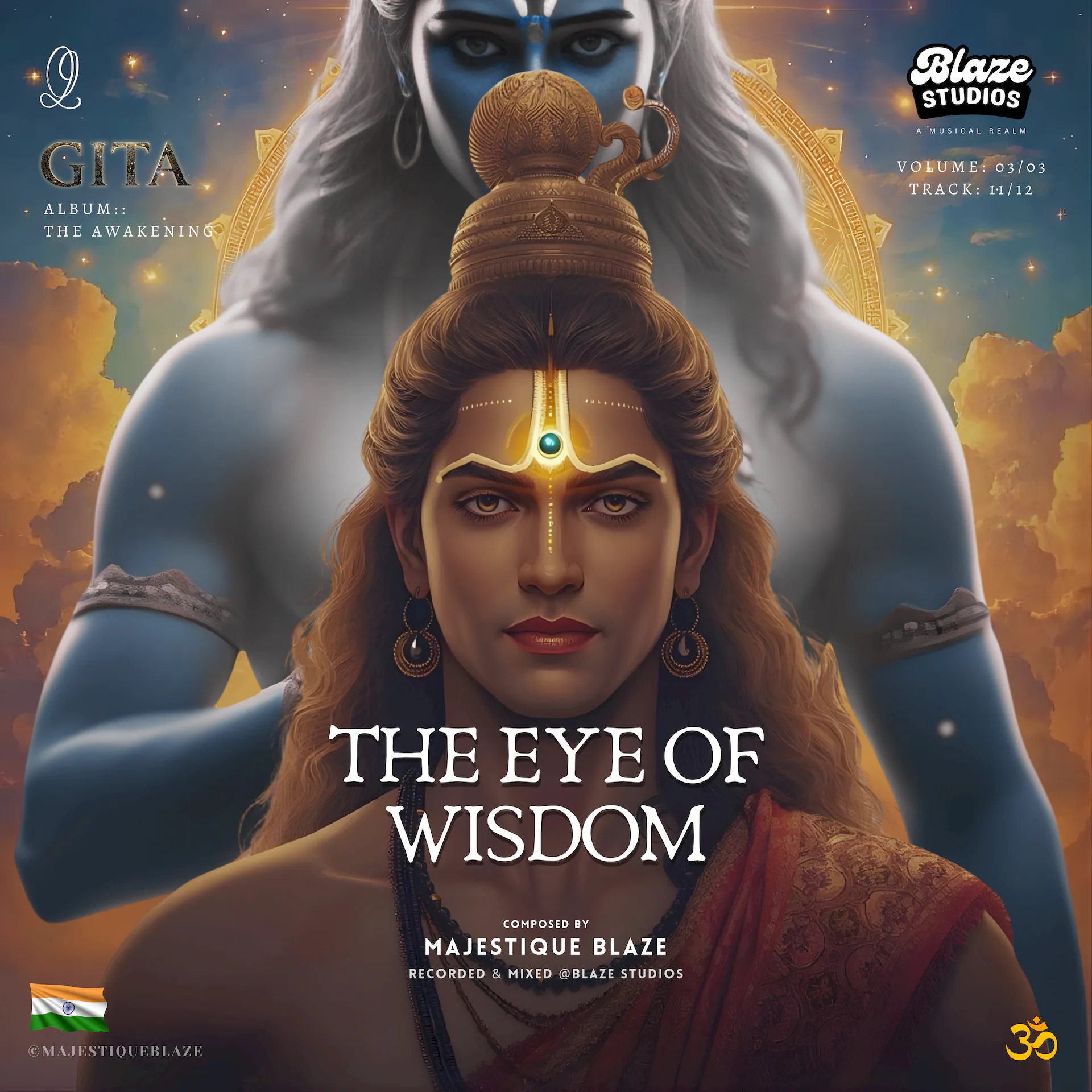 Gita A3 - The AwakeningThe Eye Of Wisdom“The Eye Of Wisdom” looks beyond ritual toward the inner state that gives ritual its meaning. Its deeper tension becomes visible in “And live without the fear,” which turns the lyric toward inner awakening as a change of perception more than a change of circumstance. The repeated presence of soul gives the lyric a symbolic layer of identity beyond surface roles. That inward point of view makes the message feel experienced before it is explained. By the time the song reaches “This is the Eye of Wisdom,” the final movement turns spiritual insight into a practical way of standing in the world.More…
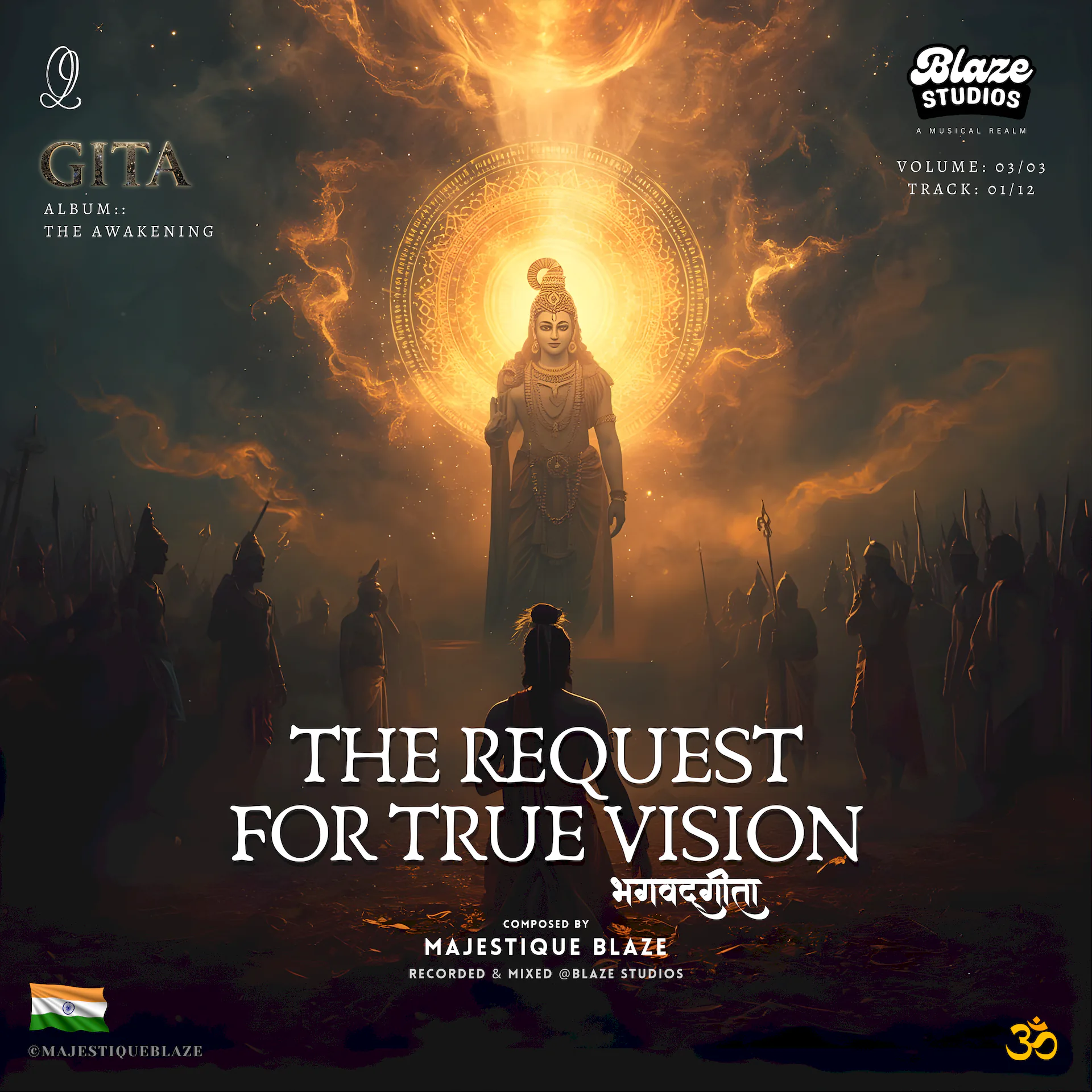 Gita A3 - The AwakeningThe Request For True Vision“The Request For True Vision” uses devotional imagery to explore an inward change of perception. “But mortal sight is fragile” is where the song reveals what is really at stake—surrender as clarity, not defeat. The repeated presence of light gives the lyric a symbolic layer of clarity, hope, or the nearness of something sacred. The personal voice matters: the song sounds as though the narrator is learning the thought while singing it. What begins with “Krishna, I have heard you” finally lands at “I ask for true vision,” where the final movement turns spiritual insight into a practical way of standing in the world.More…
 Gita A3 - The AwakeningThe Return To Dharma“The Return To Dharma” treats spirituality as lived experience rather than decorative sacred language. The thought beneath the melody sharpens around “Has never felt so clear”: inner awakening as a change of perception more than a change of circumstance. As the song develops, path quietly comes to represent choice, direction, and the search for alignment. The personal voice matters: the song sounds as though the narrator is learning the thought while singing it. The lyric’s arrival at “This is my return to Dharma” matters because its resolution points inward, where faith and understanding have to become lived experience.More…
 Gita A3 - The AwakeningThe Surrender Of Doubt“The Surrender Of Doubt” becomes most revealing when its spiritual language is read as a conversation with the self as much as with the divine. “But now, before Your endless form” is where the song reveals what is really at stake—spirituality as an inward relationship rather than external ritual alone. As the song develops, bow quietly comes to represent surrender, exhaustion, or the moment before understanding. The first-person voice keeps the meaning close to lived experience rather than turning it into a lecture. “Here is my surrender” works as the final turn in the thought; the song leaves the listener with a quieter idea of strength: alignment before action.More…
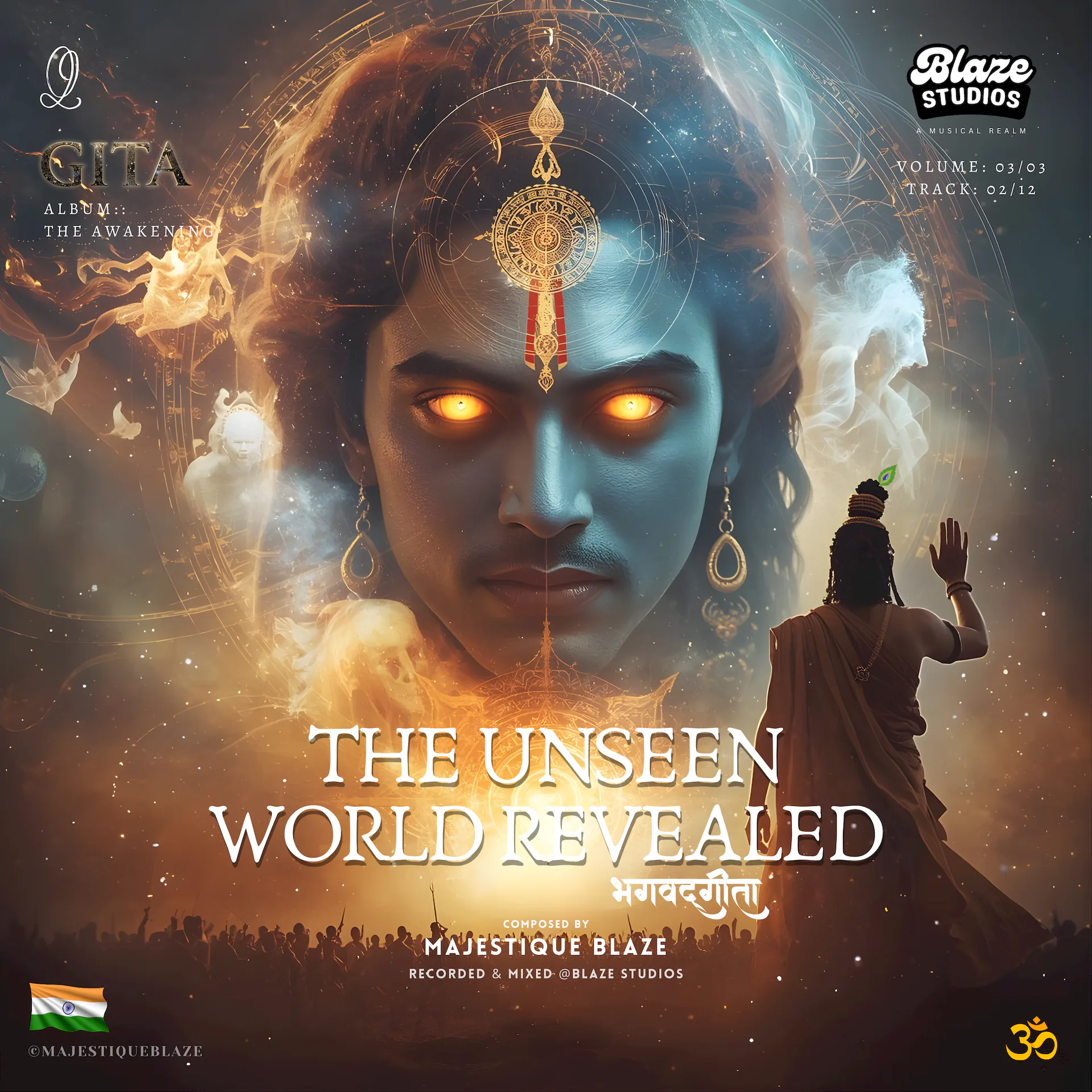 Gita A3 - The AwakeningThe Unseen World Revealed“The Unseen World Revealed” becomes most revealing when its spiritual language is read as a conversation with the self as much as with the divine. The thought beneath the melody sharpens around “But truth lives deep inside”: the gap between what the ego fears and what the deeper self may already know. That is why the recurring image of breath matters: it suggests life, presence, and what cannot be taken for granted. By speaking to a 'you', the lyric turns its idea into relationship rather than abstract commentary. By the time the song reaches “The unseen world revealed,” the song leaves the listener with a quieter idea of strength: alignment before action.More…
 Gita A3 - The AwakeningThe Warrior Reborn“The Warrior Reborn” looks beyond ritual toward the inner state that gives ritual its meaning. The thought beneath the melody sharpens around “But freedom from all fear”: spirituality as an inward relationship rather than external ritual alone. That is why the recurring image of soul matters: it suggests identity beyond surface roles. That inward point of view makes the message feel experienced before it is explained. The later image “I am the warrior reborn” changes the emotional direction, and the closing thought is that clarity comes from changing the way one sees, not merely changing the situation.More…
 Gita A3 - The AwakeningTime, the Destroyer of Worlds“Time, the Destroyer of Worlds” carries a spiritual idea, but the lyric keeps bringing that idea back to the practical work of seeing, choosing, or surrendering. The line “The hand you fear is only Mine” exposes the tension underneath the song: inner awakening as a change of perception more than a change of circumstance. Ashes becomes more than scenery; it begins to stand for what remains after transformation or destruction. The first-person voice keeps the meaning close to lived experience rather than turning it into a lecture. By the time the song reaches “I am Time, the destroyer of worlds,” the song leaves the listener with a quieter idea of strength: alignment before action.More…
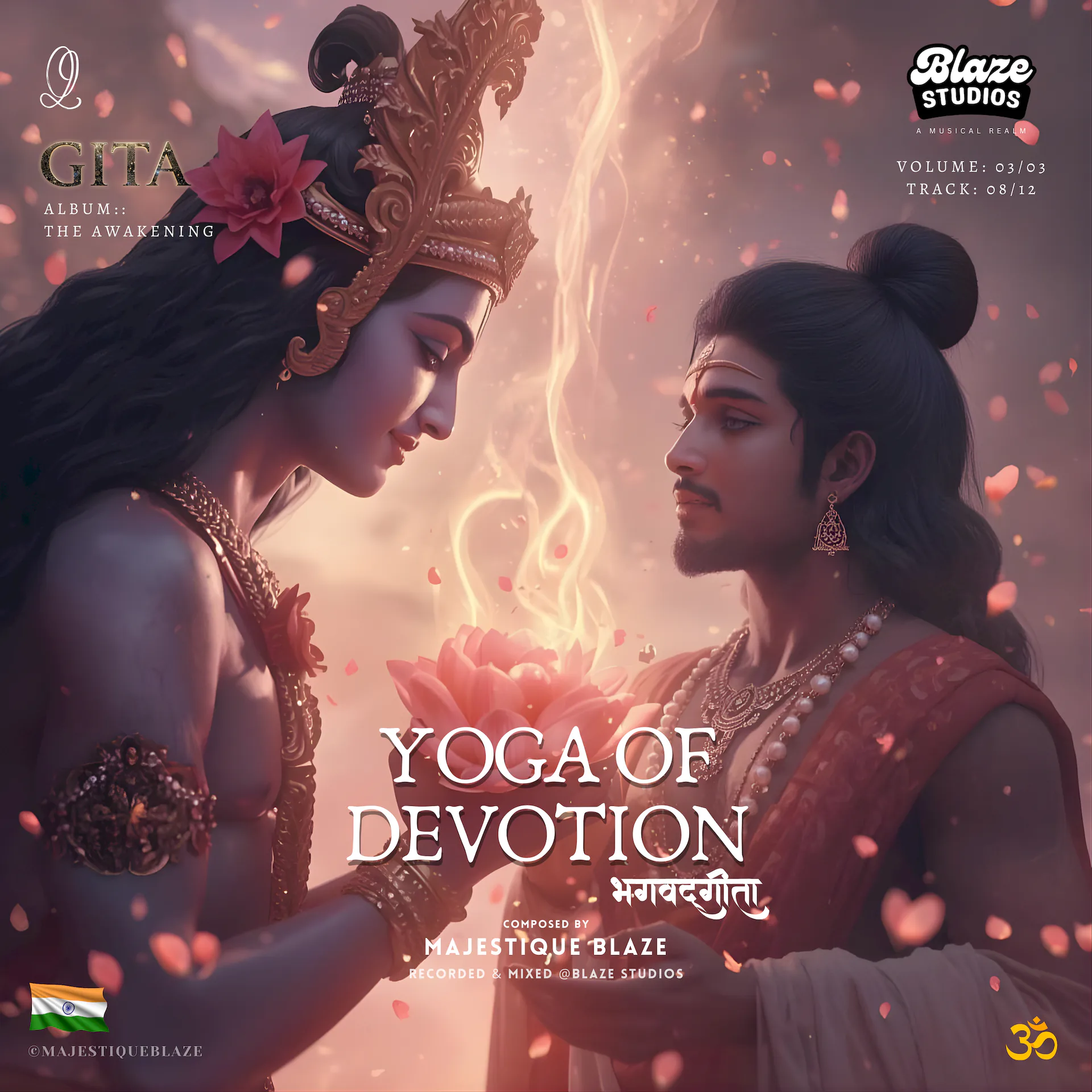 Gita A3 - The AwakeningYoga Of Devotion“Yoga Of Devotion” places faith beside doubt, surrender, or attention, allowing devotion to remain human rather than abstract. The line “So simple, yet divine” exposes the tension underneath the song: devotion as a discipline that steadies the mind rather than silencing questions. Heart becomes more than scenery; it begins to stand for emotional truth and vulnerability. Because the lyric speaks from inside the feeling, its idea arrives as confession and discovery rather than instruction. By the time the song reaches “This is the yoga of devotion,” the final movement turns spiritual insight into a practical way of standing in the world.More…
 Built By HerArchitect Of Tomorrow“Architect Of Tomorrow” is less about feeling unstoppable than about recovering motion after doubt, resistance, or failure. When the lyric says “While others argue what might be,” the song moves beyond mood and into courage as action taken while fear is still present. That is why the recurring image of hand matters: it suggests care, labour, or practical solidarity. That inward point of view makes the message feel experienced before it is explained. “If progress had a pulse and sight” works as the final turn in the thought; what survives the song is the decision to keep authorship of one's next step.More…
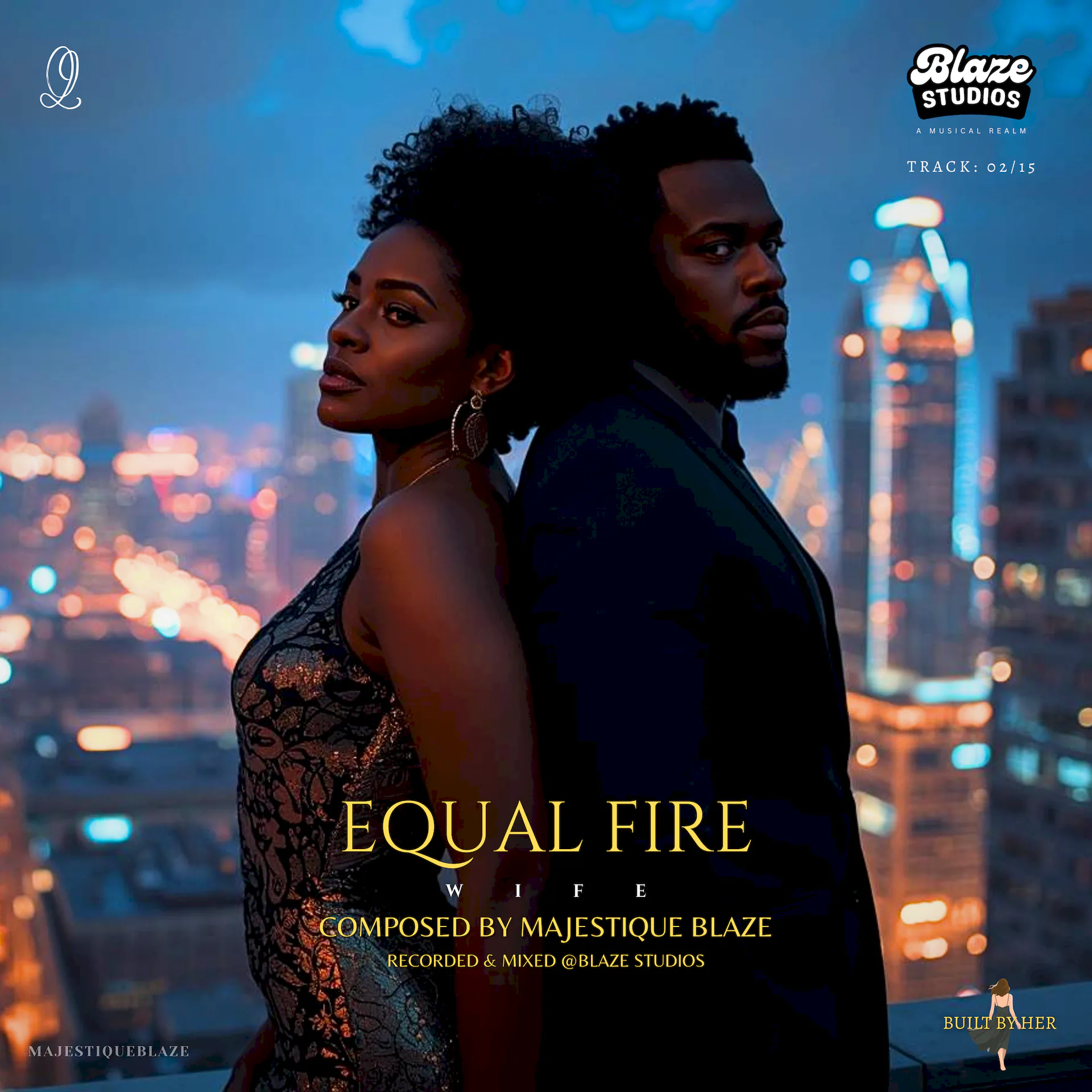 Built By HerEqual Fire“Equal Fire” uses individual images to expose a wider structure of inequality, habit, or neglect. The thought beneath the melody sharpens around “This love was never built on control”: collective responsibility rather than the fantasy that another person's pain is unrelated to us. The repeated presence of light gives the lyric a symbolic layer of clarity, hope, or the nearness of something sacred. Because the lyric speaks from inside the feeling, its idea arrives as confession and discovery rather than instruction. “I don't lead — we navigate” works as the final turn in the thought; the meaning finally returns to human dignity, the measure beneath every larger argument.More…
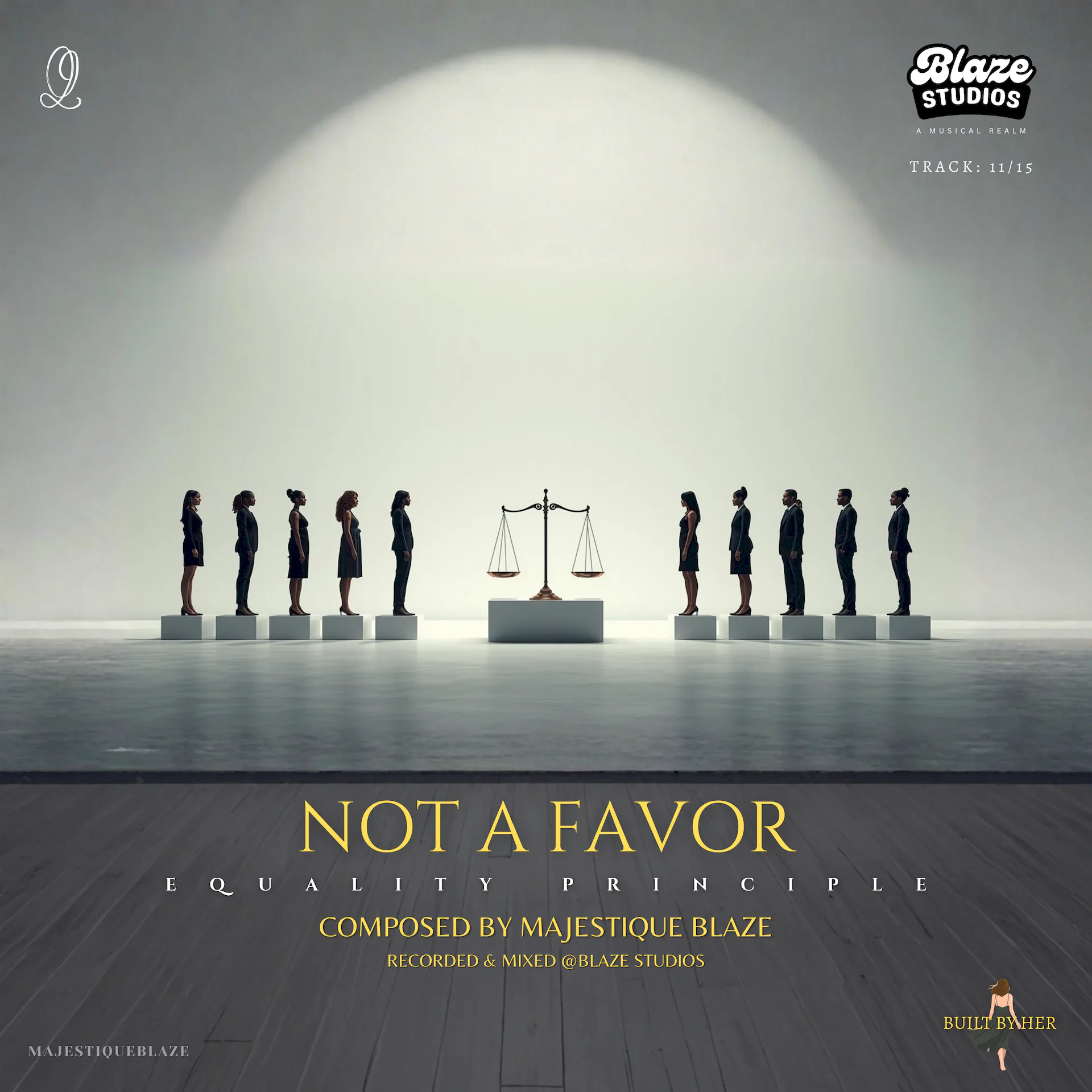 Built By HerNot A Favor“Not A Favor” turns encouragement into a question of agency: what will you do with the next available step? Its deeper tension becomes visible in “While keeping power in the same old place,” which turns the lyric toward self-belief as responsibility: once you know you can move, you have to choose whether you will. Door becomes more than scenery; it begins to stand for threshold, choice, and transition. By speaking in a shared voice, the song makes the idea feel less like autobiography and more like common experience. “If fairness feels like loss to some” works as the final turn in the thought; the closing energy treats resilience as a habit that can be recovered.More…
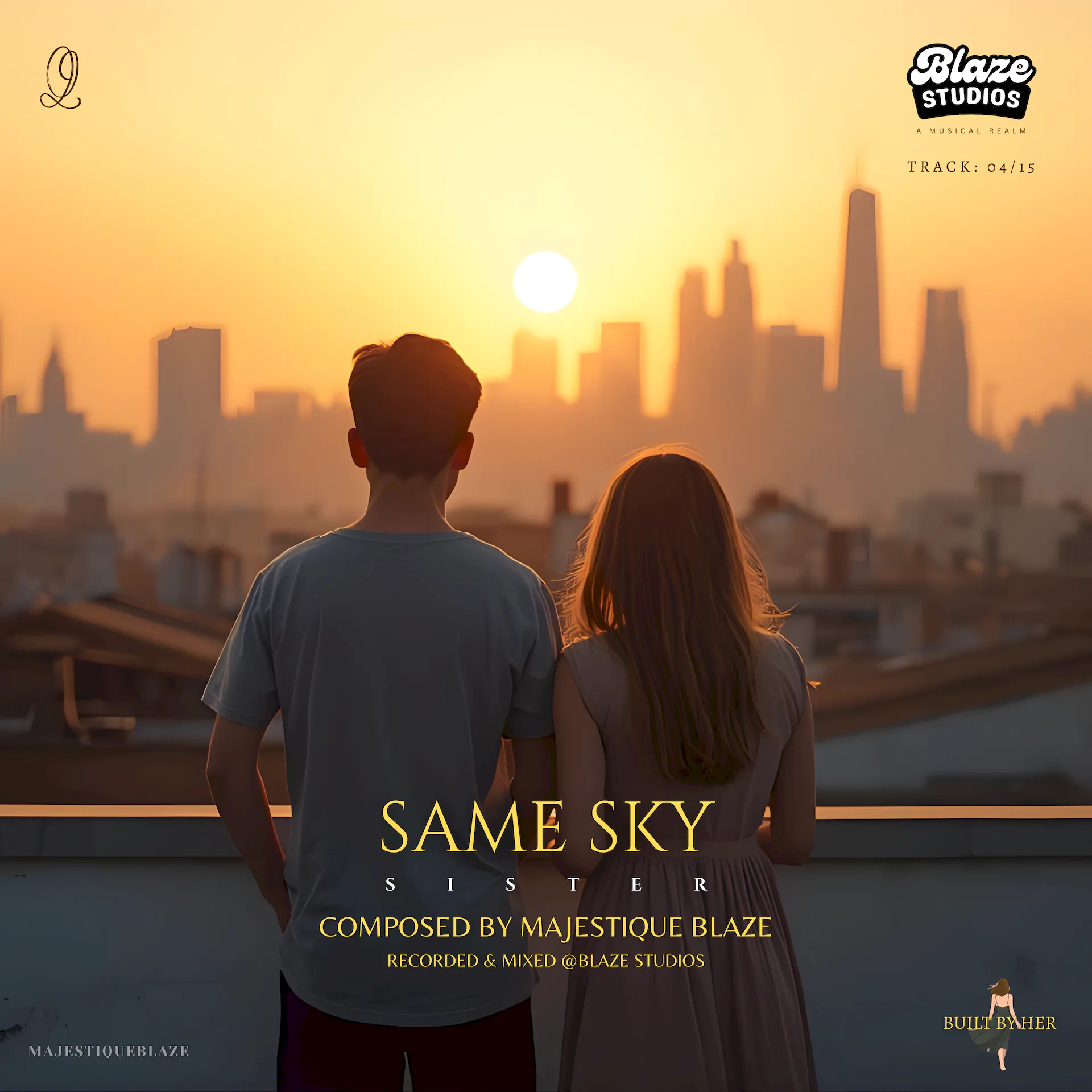 Built By HerSame Sky“Same Sky” looks beyond confidence and asks what keeps a person moving when confidence is not enough. Its deeper tension becomes visible in “You were never in my shade,” which turns the lyric toward power as the ability to recover, recalibrate, and begin again. Sky becomes more than scenery; it begins to stand for possibility, distance, and perspective. The direct address gives the song the intimacy of a conversation in which another person is always present. The lyric’s arrival at “Before the world defined your worth” matters because its resolution is practical rather than magical—move, choose, rebuild, repeat.More…
 Built By HerSelf Owned“Self Owned” is less about feeling unstoppable than about recovering motion after doubt, resistance, or failure. When the lyric says “Boundaries drawn without debate,” the song moves beyond mood and into resilience as the decision to move before confidence has fully returned. The repeated presence of soul gives the lyric a symbolic layer of identity beyond surface roles. That inward point of view makes the message feel experienced before it is explained. By the time the song reaches “Not against — just fully free,” its resolution is practical rather than magical—move, choose, rebuild, repeat.More…
 Built By HerShe Controls The Mic“She Controls The Mic” frames strength as something built in action, especially when the easier choice would be to stop. “But unfiltered clarity” is where the song reveals what is really at stake—victory as refusing to surrender authorship of one's own direction. That is why the recurring image of silence matters: it suggests absence, restraint, or the space where inner truth becomes audible. Its collective voice turns a private emotion into something a group, generation, or community could carry together. The later image “If culture follows what is told” changes the emotional direction, and the closing energy treats resilience as a habit that can be recovered.More…
 Built By HerShe Owns The Table“She Owns The Table” frames strength as something built in action, especially when the easier choice would be to stop. When the lyric says “But economically legendary,” the song moves beyond mood and into courage as action taken while fear is still present. Hand becomes more than scenery; it begins to stand for care, labour, or practical solidarity. The first-person voice keeps the meaning close to lived experience rather than turning it into a lecture. The lyric’s arrival at “If legacy is what we leave” matters because the song's final push is toward motion: not because the struggle vanished, but because surrender stopped being the only option.More…
 Built By HerShe Signs The Future“She Signs The Future” turns encouragement into a question of agency: what will you do with the next available step? Underneath the immediate emotion sits an idea of power as the ability to recover, recalibrate, and begin again. The repeated presence of silence gives the lyric a symbolic layer of absence, restraint, or the space where inner truth becomes audible. The first-person voice keeps the meaning close to lived experience rather than turning it into a lecture. The lyric’s arrival at “History adjusts its frame” matters because the closing energy treats resilience as a habit that can be recovered.More…
 Built By HerShe Steadies The Pulse“She Steadies The Pulse” turns encouragement into a question of agency: what will you do with the next available step? Its deeper tension becomes visible in “While headlines scream and systems fall,” which turns the lyric toward courage as action taken while fear is still present. Hand becomes more than scenery; it begins to stand for care, labour, or practical solidarity. The lyric repeatedly opens outward, asking the listener to stand inside a larger 'we' rather than watch from outside. The later image “If strength were measured by the saved” changes the emotional direction, and the song's final push is toward motion: not because the struggle vanished, but because surrender stopped being the only option.More…
 Built By HerShe Will Rise Anyway“She Will Rise Anyway” turns encouragement into a question of agency: what will you do with the next available step? The thought beneath the melody sharpens around “But systems tremble at your gaze”: resilience as the decision to move before confidence has fully returned. Voice becomes more than scenery; it begins to stand for agency, truth, and the right to be heard. The second-person voice keeps the emotional stakes immediate, as though the listener has been placed inside the conversation. By the time the song reaches “Break the script they handed down,” its resolution is practical rather than magical—move, choose, rebuild, repeat.More…
 Built By HerShe Writes The World“She Writes The World” uses its energetic surface to examine the discipline underneath resilience. Its deeper tension becomes visible in “She plants ideas without demand,” which turns the lyric toward self-belief as responsibility: once you know you can move, you have to choose whether you will. The repeated presence of hand gives the lyric a symbolic layer of care, labour, or practical solidarity. The repeated sense of 'we' widens the thought beyond one narrator and makes it communal. By the time the song reaches “If wisdom had a beating heart,” what survives the song is the decision to keep authorship of one's next step.More…
 Built By HerStand Beside Not Above“Stand Beside Not Above” turns encouragement into a question of agency: what will you do with the next available step? When the lyric says “But stepping up to change the frame,” the song moves beyond mood and into strength as disciplined continuation rather than loud self-belief. Voice becomes more than scenery; it begins to stand for agency, truth, and the right to be heard. The direct address gives the song the intimacy of a conversation in which another person is always present. The later image “If partnership is real and true” changes the emotional direction, and the closing energy treats resilience as a habit that can be recovered.More…
 Built By HerStill Standing Here“Still Standing Here” looks beyond confidence and asks what keeps a person moving when confidence is not enough. The thought beneath the melody sharpens around “Yet nothing in your stride was lost”: victory as refusing to surrender authorship of one's own direction. The repeated presence of rain gives the lyric a symbolic layer of renewal, melancholy, or emotion finally allowed to fall. The direct address gives the song the intimacy of a conversation in which another person is always present. The lyric’s arrival at “Resilience is not loud or fast” matters because its resolution is practical rather than magical—move, choose, rebuild, repeat.More…
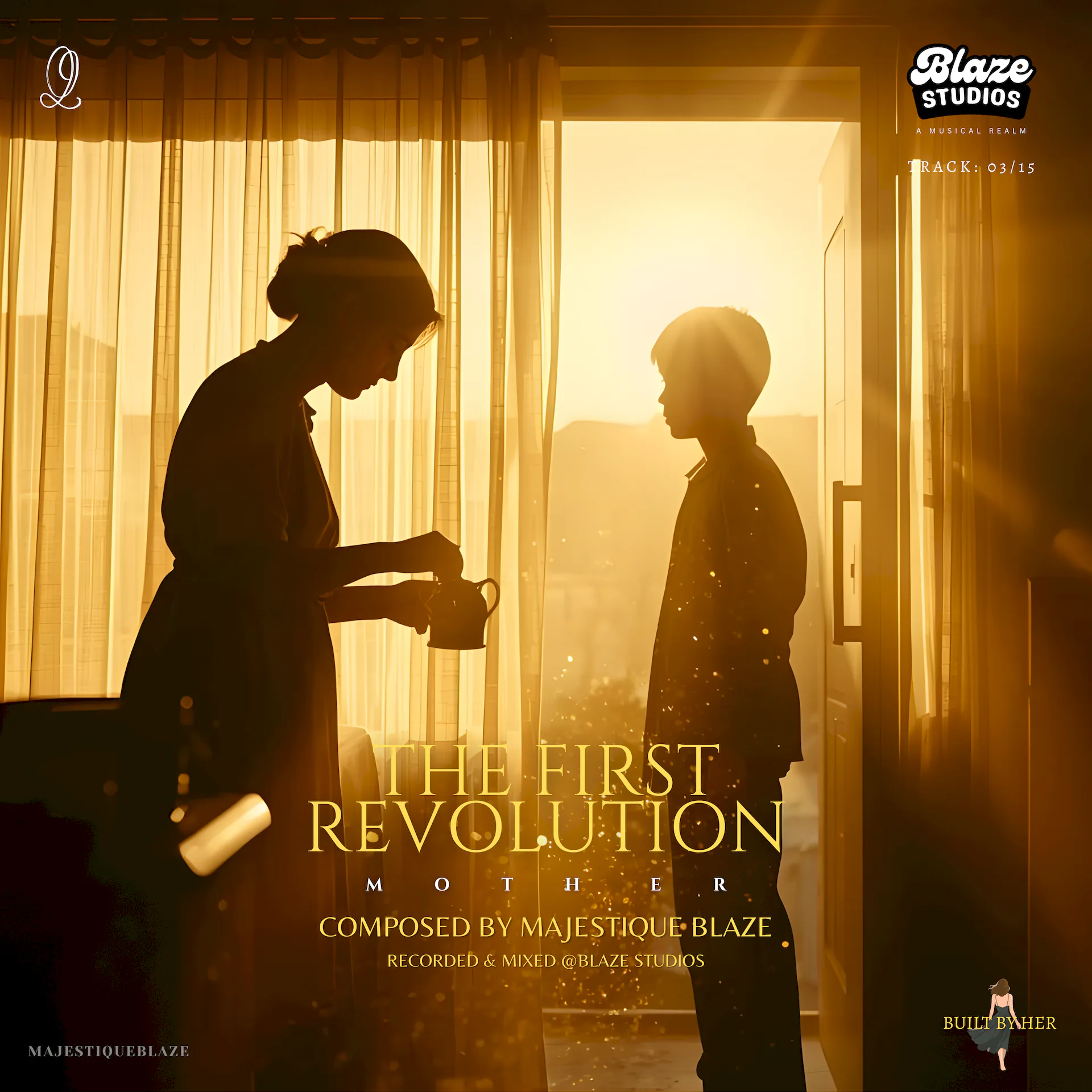 Built By HerThe First Revolution“The First Revolution” frames strength as something built in action, especially when the easier choice would be to stop. Its deeper tension becomes visible in “Tired eyes but steady hand,” which turns the lyric toward strength as disciplined continuation rather than loud self-belief. Dawn becomes more than scenery; it begins to stand for renewal and the first evidence that darkness is temporary. The second-person voice keeps the emotional stakes immediate, as though the listener has been placed inside the conversation. The later image “If courage had a human face” changes the emotional direction, and its resolution is practical rather than magical—move, choose, rebuild, repeat.More…
 Built By HerUnbroken Code“Unbroken Code” turns encouragement into a question of agency: what will you do with the next available step? Its deeper tension becomes visible in “Still you stood, you never complied,” which turns the lyric toward self-belief as responsibility: once you know you can move, you have to choose whether you will. Fire becomes more than scenery; it begins to stand for conviction, transformation, or a force that cannot stay hidden. Its direct address gives the message a human target: someone to love, warn, remember, persuade, or reassure. What begins with “Night fell heavy on your name” finally lands at “If justice moved as fast as pain,” where its resolution is practical rather than magical—move, choose, rebuild, repeat.More…
 Noor Ala Noor (Sufism)After The Flame“After The Flame” becomes most revealing when its spiritual language is read as a conversation with the self as much as with the divine. The deeper thought is wisdom as something lived through action, doubt, and repeated self-correction. The repeated presence of ashes gives the lyric a symbolic layer of what remains after transformation or destruction. The first-person voice keeps the meaning close to lived experience rather than turning it into a lecture. The later image “Tu numaya ho gaya” changes the emotional direction, and the final movement turns spiritual insight into a practical way of standing in the world.More…Noor Ala Noor (Sufism)Between Us And The Sky“Between Us And The Sky” places faith beside doubt, surrender, or attention, allowing devotion to remain human rather than abstract. Its deeper tension becomes visible in “But only echoes answer back,” which turns the lyric toward wisdom as something lived through action, doubt, and repeated self-correction. Light becomes more than scenery; it begins to stand for clarity, hope, or the nearness of something sacred. Because the lyric speaks from inside the feeling, its idea arrives as confession and discovery rather than instruction. “Maybe the distance is the door” works as the final turn in the thought; the closing thought is that clarity comes from changing the way one sees, not merely changing the situation.More…Noor Ala Noor (Sufism)Burn Mein Ishq“Burn Mein Ishq” places faith beside doubt, surrender, or attention, allowing devotion to remain human rather than abstract. The line “I tried to run but flames remain” exposes the tension underneath the song: spirituality as an inward relationship rather than external ritual alone. The repeated presence of heart gives the lyric a symbolic layer of emotional truth and vulnerability. The first-person voice keeps the meaning close to lived experience rather than turning it into a lecture. By the time the song reaches “Ishq tera aag bana,” the closing thought is that clarity comes from changing the way one sees, not merely changing the situation.More…Noor Ala Noor (Sufism)Dance Of The Open Sky“Dance Of The Open Sky” treats spirituality as lived experience rather than decorative sacred language. Beyond the surface story, the song leans toward faith as a movement through uncertainty rather than an escape from it. Sky becomes more than scenery; it begins to stand for possibility, distance, and perspective. The personal voice matters: the song sounds as though the narrator is learning the thought while singing it. The lyric’s arrival at “Tu sada ho gaya” matters because its resolution points inward, where faith and understanding have to become lived experience.More…Noor Ala Noor (Sufism)Lay Me Down In Your Will“Lay Me Down In Your Will” treats spirituality as lived experience rather than decorative sacred language. “If losing is the only way” is where the song reveals what is really at stake—spirituality as an inward relationship rather than external ritual alone. The movement from “I tried to hold the world in place” to “Main khud se haara” gives that idea a narrative shape instead of leaving it as a slogan. Because the lyric speaks from inside the feeling, its idea arrives as confession and discovery rather than instruction. The later image “Main khud se haara” changes the emotional direction, and the final movement turns spiritual insight into a practical way of standing in the world.More…Noor Ala Noor (Sufism)Only You Remain“Only You Remain” places faith beside doubt, surrender, or attention, allowing devotion to remain human rather than abstract. The thought beneath the melody sharpens around “Only You remain”: faith as a movement through uncertainty rather than an escape from it. The repeated presence of mirror gives the lyric a symbolic layer of self-recognition and uncomfortable honesty. By speaking to a 'you', the lyric turns its idea into relationship rather than abstract commentary. The later image “Ab na main hoon, bas tu hai” changes the emotional direction, and its resolution points inward, where faith and understanding have to become lived experience.More…Noor Ala Noor (Sufism)Shukr“Shukr” treats spirituality as lived experience rather than decorative sacred language. Underneath the immediate emotion sits an idea of surrender as clarity, not defeat. The movement from “I woke up with the morning sun” to “Tu ne gir kar uthna sikhaya” gives that idea a narrative shape instead of leaving it as a slogan. Because the lyric speaks from inside the feeling, its idea arrives as confession and discovery rather than instruction. The later image “Tu ne gir kar uthna sikhaya” changes the emotional direction, and the song leaves the listener with a quieter idea of strength: alignment before action.More…Noor Ala Noor (Sufism)The Door Of Mercy“The Door Of Mercy” treats spirituality as lived experience rather than decorative sacred language. When the lyric says “Let my restless heart be still,” the song moves beyond mood and into wisdom as something lived through action, doubt, and repeated self-correction. Heart becomes more than scenery; it begins to stand for emotional truth and vulnerability. The first-person voice keeps the meaning close to lived experience rather than turning it into a lecture. The lyric’s arrival at “I came with questions” matters because the song leaves the listener with a quieter idea of strength: alignment before action.More…Noor Ala Noor (Sufism)The Eternal Light“The Eternal Light” treats spirituality as lived experience rather than decorative sacred language. Its deeper tension becomes visible in “Where only light is crystal clear,” which turns the lyric toward devotion as a discipline that steadies the mind rather than silencing questions. Light becomes more than scenery; it begins to stand for clarity, hope, or the nearness of something sacred. The first-person voice keeps the meaning close to lived experience rather than turning it into a lecture. By the time the song reaches “String swell under chant,” the song leaves the listener with a quieter idea of strength: alignment before action.More…Noor Ala Noor (Sufism)Whirling Light“Whirling Light” treats spirituality as lived experience rather than decorative sacred language. Its deeper tension becomes visible in “Carrying questions I never confessed,” which turns the lyric toward devotion as a discipline that steadies the mind rather than silencing questions. The repeated presence of light gives the lyric a symbolic layer of clarity, hope, or the nearness of something sacred. Because the lyric speaks from inside the feeling, its idea arrives as confession and discovery rather than instruction. What begins with “I walked with fire inside my chest” finally lands at “Closer than my beating heart,” where the closing thought is that clarity comes from changing the way one sees, not merely changing the situation.More…
 Om Nama Sivaya (The Chant)Om Nama Sivaya (The Chant)The deeper idea of “Om Nama Sivaya (The Chant)” is concentration through repetition. The chant does not try to explain Shiva or construct a story; it creates a space in which the mind can return to the same invocation until meaning becomes felt rather than argued. A mantra can begin as language, become rhythm, and eventually become a state of attention. The track’s minimalism is therefore its purpose: fewer words leave more room for breath, remembrance, devotion, and silence.More…
 Gita A2 - The WisdomAct Without Attachment“Act Without Attachment” carries a spiritual idea, but the lyric keeps bringing that idea back to the practical work of seeing, choosing, or surrendering. The thought beneath the melody sharpens around “But do not let the outcome”: surrender as clarity, not defeat. The repeated presence of heart gives the lyric a symbolic layer of emotional truth and vulnerability. Its direct address gives the message a human target: someone to love, warn, remember, persuade, or reassure. The lyric’s arrival at “Act without attachment” matters because the song leaves the listener with a quieter idea of strength: alignment before action.More…
 Gita A2 - The WisdomDo Your Work, Not For The Reward“Do Your Work, Not For The Reward” treats spirituality as lived experience rather than decorative sacred language. The thought beneath the melody sharpens around “But when you cling to outcomes”: the gap between what the ego fears and what the deeper self may already know. The repeated presence of path gives the lyric a symbolic layer of choice, direction, and the search for alignment. The second-person voice keeps the emotional stakes immediate, as though the listener has been placed inside the conversation. The lyric’s arrival at “Do your work, not for the reward” matters because its resolution points inward, where faith and understanding have to become lived experience.More…
 Gita A2 - The WisdomSee The World With Steady Mind“See The World With Steady Mind” becomes most revealing when its spiritual language is read as a conversation with the self as much as with the divine. When the lyric says “But breathe into the silence,” the song moves beyond mood and into the sacred as something encountered inside ordinary consciousness. The movement from “When fear begins to whisper” to “See the world with steady mind” gives that idea a narrative shape instead of leaving it as a slogan. Its direct address gives the message a human target: someone to love, warn, remember, persuade, or reassure. What begins with “When fear begins to whisper” finally lands at “See the world with steady mind,” where the song leaves the listener with a quieter idea of strength: alignment before action.More…
 Gita A2 - The WisdomThe Light Inside All Beings“The Light Inside All Beings” looks beyond ritual toward the inner state that gives ritual its meaning. The thought beneath the melody sharpens around “A flame that never fades”: faith as a movement through uncertainty rather than an escape from it. As the song develops, heart quietly comes to represent emotional truth and vulnerability. The direct address gives the song the intimacy of a conversation in which another person is always present. “Feel the light inside all beings” works as the final turn in the thought; its resolution points inward, where faith and understanding have to become lived experience.More…
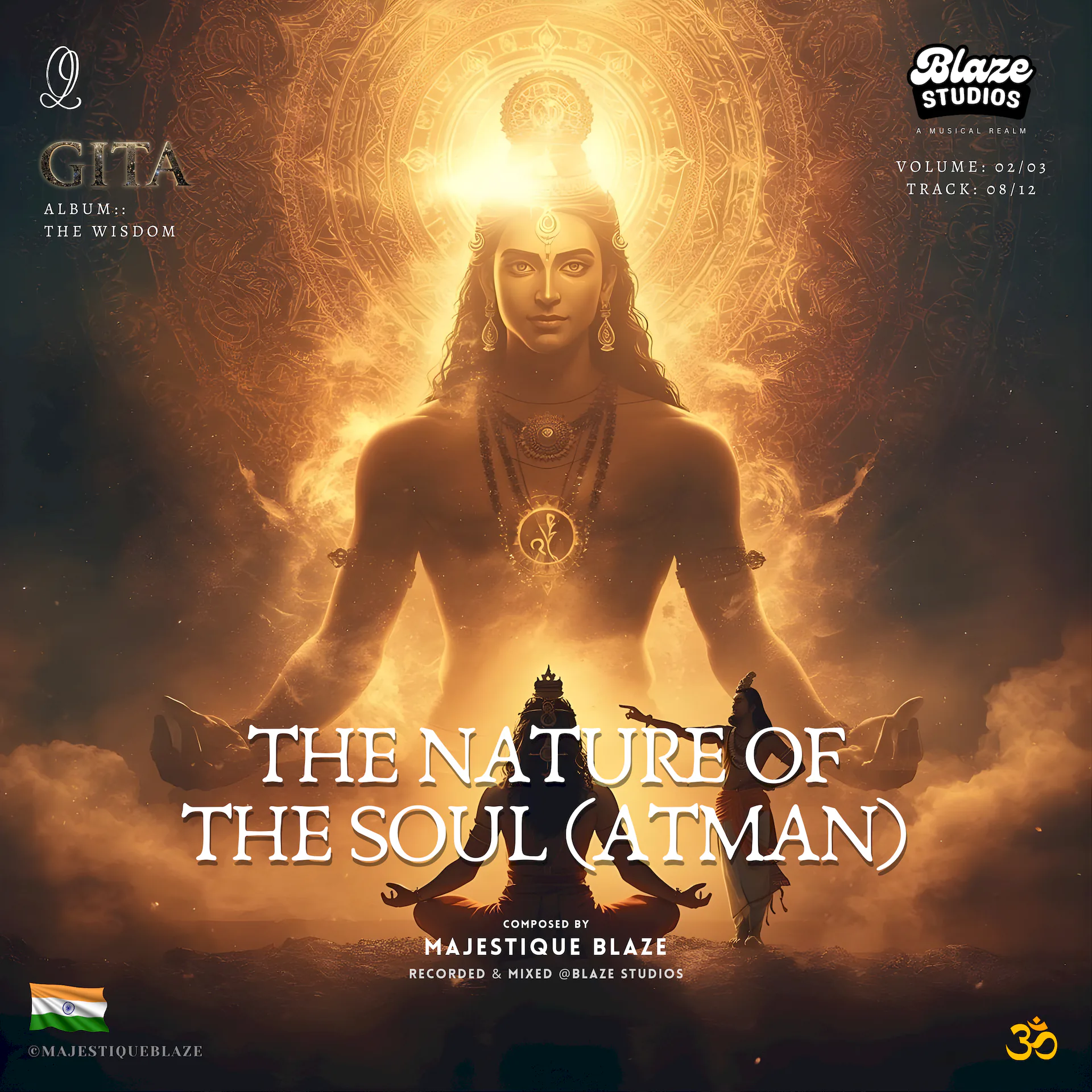 Gita A2 - The WisdomThe Nature Of The Soul (Atman)“The Nature Of The Soul (Atman)” uses devotional imagery to explore an inward change of perception. Its deeper tension becomes visible in “Yet never does it weaken,” which turns the lyric toward faith as a movement through uncertainty rather than an escape from it. The repeated presence of light gives the lyric a symbolic layer of clarity, hope, or the nearness of something sacred. Its direct address gives the message a human target: someone to love, warn, remember, persuade, or reassure. “This is the nature of the soul” works as the final turn in the thought; the closing thought is that clarity comes from changing the way one sees, not merely changing the situation.More…
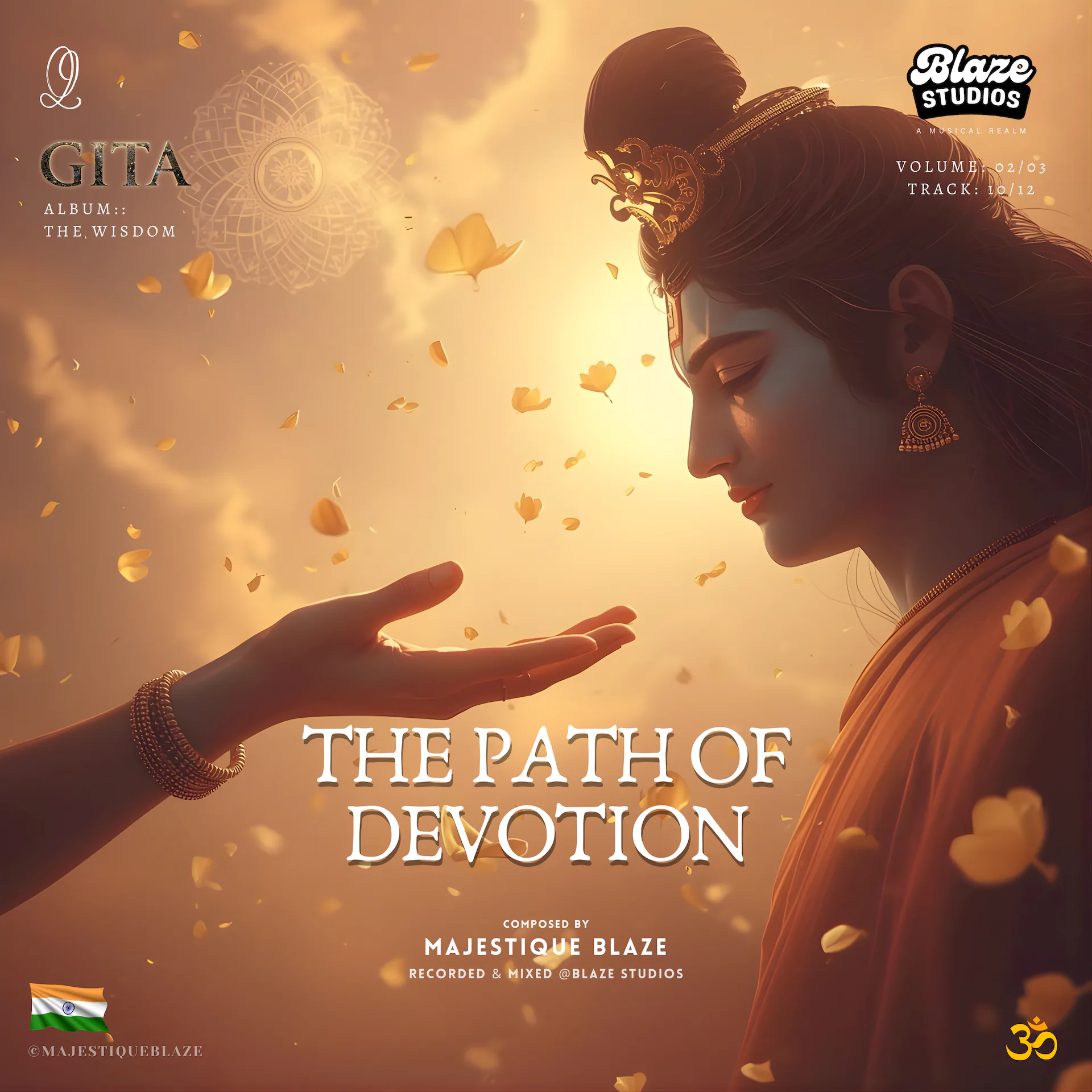 Gita A2 - The WisdomThe Path of Devotion“The Path of Devotion” uses devotional imagery to explore an inward change of perception. “Arjuna, let your heart be still” is where the song reveals what is really at stake—inner awakening as a change of perception more than a change of circumstance. Heart becomes more than scenery; it begins to stand for emotional truth and vulnerability. Its direct address gives the message a human target: someone to love, warn, remember, persuade, or reassure. The later image “Walk the path of devotion” changes the emotional direction, and the song leaves the listener with a quieter idea of strength: alignment before action.More…
 Gita A2 - The WisdomThe Self Cannot Be Destroyed“The Self Cannot Be Destroyed” becomes most revealing when its spiritual language is read as a conversation with the self as much as with the divine. “But the Self inside is ageless” is where the song reveals what is really at stake—the gap between what the ego fears and what the deeper self may already know. As the song develops, breath quietly comes to represent life, presence, and what cannot be taken for granted. The second-person voice keeps the emotional stakes immediate, as though the listener has been placed inside the conversation. The lyric’s arrival at “The Self cannot be destroyed” matters because the final movement turns spiritual insight into a practical way of standing in the world.More…
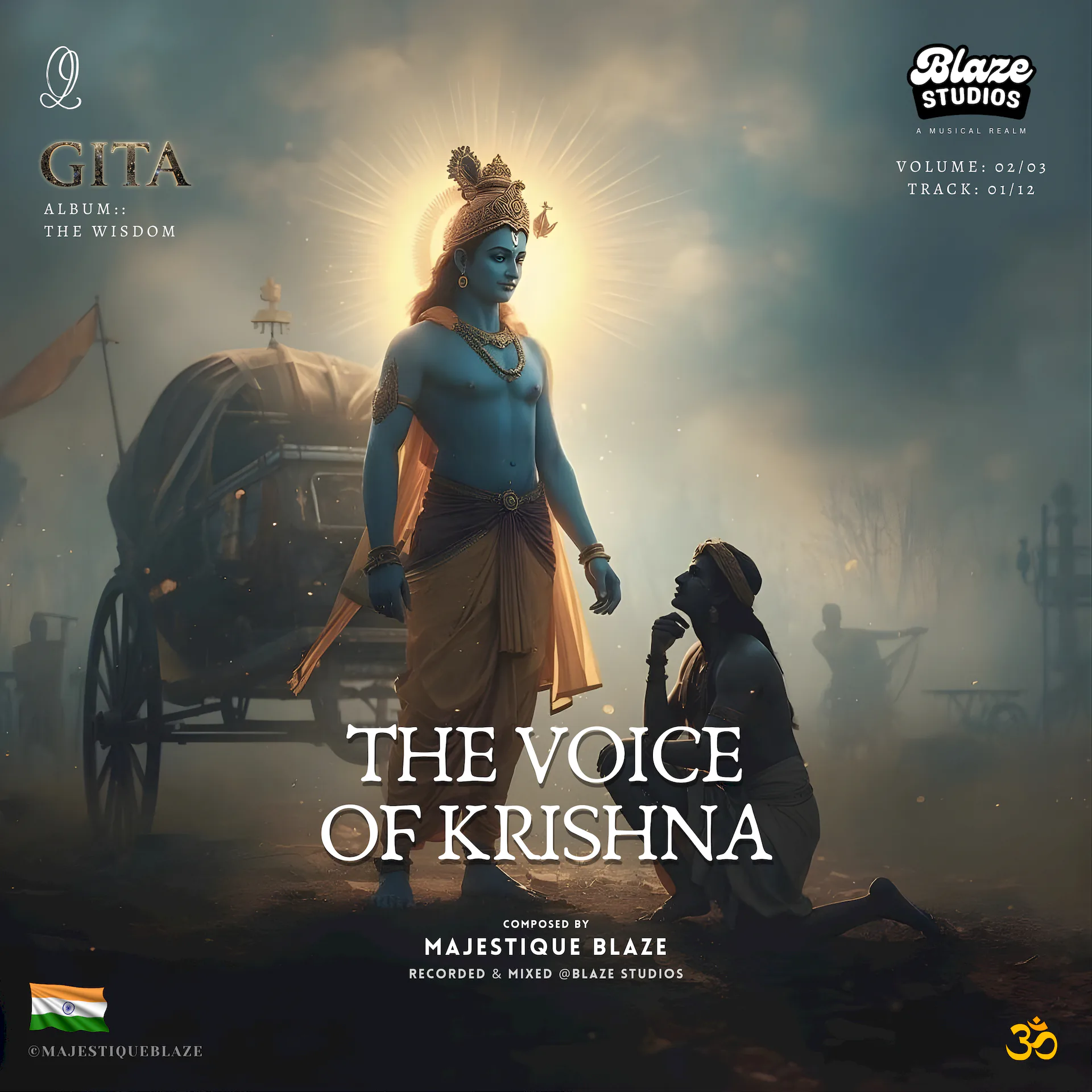 Gita A2 - The WisdomThe Voice Of Krishna“The Voice Of Krishna” treats spirituality as lived experience rather than decorative sacred language. The line “But a hand that lifts your depth” exposes the tension underneath the song: spirituality as an inward relationship rather than external ritual alone. Soul becomes more than scenery; it begins to stand for identity beyond surface roles. The direct address gives the song the intimacy of a conversation in which another person is always present. The lyric’s arrival at “Hear the voice of Krishna” matters because the closing thought is that clarity comes from changing the way one sees, not merely changing the situation.More…
 Gita A2 - The WisdomThe Warrior Of Inner Peace“The Warrior Of Inner Peace” carries a spiritual idea, but the lyric keeps bringing that idea back to the practical work of seeing, choosing, or surrendering. “But one who tames the fire” is where the song reveals what is really at stake—the sacred as something encountered inside ordinary consciousness. The repeated presence of heart gives the lyric a symbolic layer of emotional truth and vulnerability. The direct address gives the song the intimacy of a conversation in which another person is always present. By the time the song reaches “Be the warrior of inner peace,” the song leaves the listener with a quieter idea of strength: alignment before action.More…
 Gita A2 - The WisdomTo Know Me, Know Yourself“To Know Me, Know Yourself” looks beyond ritual toward the inner state that gives ritual its meaning. The line “But all you truly long for” exposes the tension underneath the song: surrender as clarity, not defeat. The repeated presence of light gives the lyric a symbolic layer of clarity, hope, or the nearness of something sacred. The second-person voice keeps the emotional stakes immediate, as though the listener has been placed inside the conversation. What begins with “You seek the light before you” finally lands at “To know me, know yourself,” where the song leaves the listener with a quieter idea of strength: alignment before action.More…
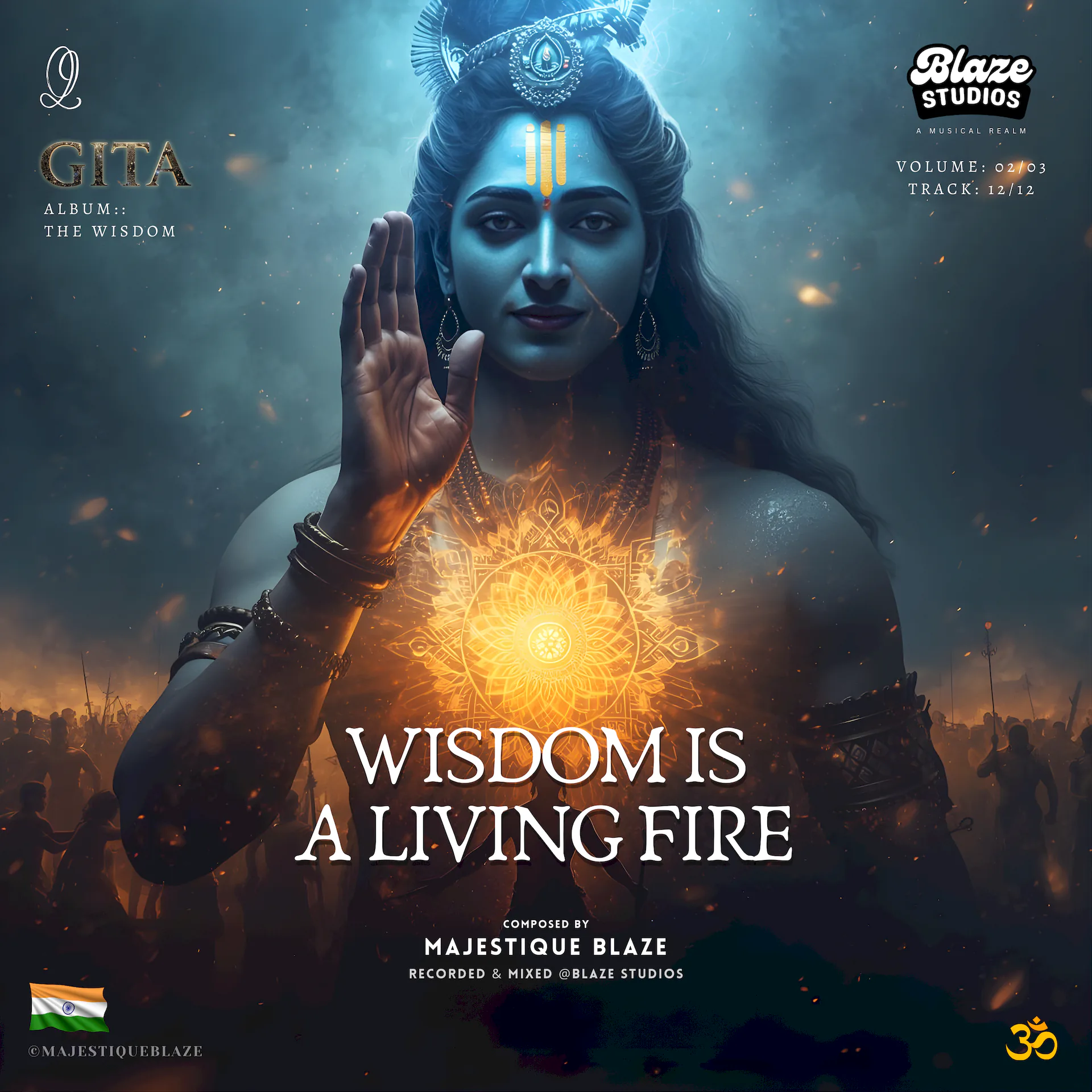 Gita A2 - The WisdomWisdom Is A Living Fire“Wisdom Is A Living Fire” looks beyond ritual toward the inner state that gives ritual its meaning. “But wisdom cuts the shadows” is where the song reveals what is really at stake—spirituality as an inward relationship rather than external ritual alone. As the song develops, soul quietly comes to represent identity beyond surface roles. By speaking to a 'you', the lyric turns its idea into relationship rather than abstract commentary. “Wisdom is a living fire” works as the final turn in the thought; the final movement turns spiritual insight into a practical way of standing in the world.More…
 Gita A2 - The WisdomYou Are More Than The Body“You Are More Than The Body” uses devotional imagery to explore an inward change of perception. “But the Self has always been” is where the song reveals what is really at stake—the gap between what the ego fears and what the deeper self may already know. As the song develops, light quietly comes to represent clarity, hope, or the nearness of something sacred. The direct address gives the song the intimacy of a conversation in which another person is always present. The lyric’s arrival at “You are more than the body” matters because the song leaves the listener with a quieter idea of strength: alignment before action.More…
 Gita A1 - The QuestioningArrows in My Heart“Arrows in My Heart” carries a spiritual idea, but the lyric keeps bringing that idea back to the practical work of seeing, choosing, or surrendering. The thought beneath the melody sharpens around “Yet I'm bleeding deep within”: devotion as a discipline that steadies the mind rather than silencing questions. That is why the recurring image of breath matters: it suggests life, presence, and what cannot be taken for granted. That inward point of view makes the message feel experienced before it is explained. By the time the song reaches “Arrows in my heart,” its resolution points inward, where faith and understanding have to become lived experience.More…
 Gita A1 - The QuestioningCalling Out for Light“Calling Out for Light” carries a spiritual idea, but the lyric keeps bringing that idea back to the practical work of seeing, choosing, or surrendering. The thought beneath the melody sharpens around “I don't yet understand”: surrender as clarity, not defeat. That is why the recurring image of silence matters: it suggests absence, restraint, or the space where inner truth becomes audible. The personal voice matters: the song sounds as though the narrator is learning the thought while singing it. The lyric’s arrival at “I'm calling out for light” matters because the song leaves the listener with a quieter idea of strength: alignment before action.More…
 Gita A1 - The QuestioningI Drop My Bow“I Drop My Bow” treats spirituality as lived experience rather than decorative sacred language. When the lyric says “Be the only sound,” the song moves beyond mood and into spirituality as an inward relationship rather than external ritual alone. Bow becomes more than scenery; it begins to stand for surrender, exhaustion, or the moment before understanding. That inward point of view makes the message feel experienced before it is explained. “So I drop my bow” works as the final turn in the thought; the final movement turns spiritual insight into a practical way of standing in the world.More…
 Gita A1 - The QuestioningOn the Field of Men“On the Field of Men” becomes most revealing when its spiritual language is read as a conversation with the self as much as with the divine. When the lyric says “But in the silence, steady and clear,” the song moves beyond mood and into inner awakening as a change of perception more than a change of circumstance. The repeated presence of heart gives the lyric a symbolic layer of emotional truth and vulnerability. The first-person voice keeps the meaning close to lived experience rather than turning it into a lecture. “Dust in the sunlight, grief in the air” works as the final turn in the thought; the closing thought is that clarity comes from changing the way one sees, not merely changing the situation.More…
 Gita A1 - The QuestioningThe Charioteer Speaks“The Charioteer Speaks” becomes most revealing when its spiritual language is read as a conversation with the self as much as with the divine. The thought beneath the melody sharpens around “In a voice both still and warm”: inner awakening as a change of perception more than a change of circumstance. As the song develops, voice quietly comes to represent agency, truth, and the right to be heard. That inward point of view makes the message feel experienced before it is explained. By the time the song reaches “The Charioteer speaks,” the final movement turns spiritual insight into a practical way of standing in the world.More…
 Gita A1 - The QuestioningThe Collapse Within“The Collapse Within” places faith beside doubt, surrender, or attention, allowing devotion to remain human rather than abstract. The thought beneath the melody sharpens around “But somewhere in the ruins breath remains”: devotion as a discipline that steadies the mind rather than silencing questions. The repeated presence of breath gives the lyric a symbolic layer of life, presence, and what cannot be taken for granted. The personal voice matters: the song sounds as though the narrator is learning the thought while singing it. The later image “This is the collapse within” changes the emotional direction, and its resolution points inward, where faith and understanding have to become lived experience.More…
 Gita A1 - The QuestioningThe Weight Of Choice“The Weight Of Choice” looks beyond ritual toward the inner state that gives ritual its meaning. The thought beneath the melody sharpens around “But fear keeps tightening its band”: the gap between what the ego fears and what the deeper self may already know. Fire becomes more than scenery; it begins to stand for conviction, transformation, or a force that cannot stay hidden. The first-person voice keeps the meaning close to lived experience rather than turning it into a lecture. The later image “The weight of choice” changes the emotional direction, and its resolution points inward, where faith and understanding have to become lived experience.More…
 Gita A1 - The QuestioningWhat Is The Right Path“What Is The Right Path” places faith beside doubt, surrender, or attention, allowing devotion to remain human rather than abstract. “But whispers drawing near” is where the song reveals what is really at stake—the sacred as something encountered inside ordinary consciousness. Light becomes more than scenery; it begins to stand for clarity, hope, or the nearness of something sacred. Because the lyric speaks from inside the feeling, its idea arrives as confession and discovery rather than instruction. The lyric’s arrival at “What is the right path” matters because its resolution points inward, where faith and understanding have to become lived experience.More…
 Gita A1 - The QuestioningWhen Brothers Face Brothers“When Brothers Face Brothers” treats spirituality as lived experience rather than decorative sacred language. Its deeper tension becomes visible in “Stand across the lines I never wished to draw,” which turns the lyric toward inner awakening as a change of perception more than a change of circumstance. That is why the recurring image of war matters: it suggests outer conflict and the inner ethics that make action difficult. The personal voice matters: the song sounds as though the narrator is learning the thought while singing it. “When brothers face brothers” works as the final turn in the thought; the song leaves the listener with a quieter idea of strength: alignment before action.More…
 Gita A1 - The QuestioningWhere Is My Dharma“Where Is My Dharma” uses devotional imagery to explore an inward change of perception. When the lyric says “But something purer, warm,” the song moves beyond mood and into spirituality as an inward relationship rather than external ritual alone. As the song develops, path quietly comes to represent choice, direction, and the search for alignment. That inward point of view makes the message feel experienced before it is explained. The lyric’s arrival at “Where is my Dharma” matters because the closing thought is that clarity comes from changing the way one sees, not merely changing the situation.More…
 Gita A1 - The QuestioningWhy Must I Fight“Why Must I Fight” uses devotional imagery to explore an inward change of perception. The thought beneath the melody sharpens around “Is courage only found in pain”: the sacred as something encountered inside ordinary consciousness. That is why the recurring image of heart matters: it suggests emotional truth and vulnerability. That inward point of view makes the message feel experienced before it is explained. The lyric’s arrival at “Why must I fight” matters because the final movement turns spiritual insight into a practical way of standing in the world.More…
 Awake, Not NoisyAwaken, Child Of Dawn“Awaken, Child Of Dawn” treats spirituality as lived experience rather than decorative sacred language. What the lyric is really testing is wisdom as something lived through action, doubt, and repeated self-correction. The repeated presence of child gives the lyric a symbolic layer of innocence, vulnerability, and the future we are responsible for. The direct address gives the song the intimacy of a conversation in which another person is always present. “From the ancient night you rise anew” works as the final turn in the thought; the closing thought is that clarity comes from changing the way one sees, not merely changing the situation.More…
 Awake, Not NoisyEndless Learning“Endless Learning” uses devotional imagery to explore an inward change of perception. What the lyric is really testing is wisdom as something lived through action, doubt, and repeated self-correction. That is why the recurring image of sky matters: it suggests possibility, distance, and perspective. The first-person voice keeps the meaning close to lived experience rather than turning it into a lecture. What begins with “A quiet ember waking in the dusk of my mind” finally lands at “If wonder is the lantern the seeker keeps,” where its resolution points inward, where faith and understanding have to become lived experience.More…
 Awake, Not NoisyGlow Inside Out“Glow Inside Out” looks beyond ritual toward the inner state that gives ritual its meaning. The song’s underlying perspective is the gap between what the ego fears and what the deeper self may already know. Mirror becomes more than scenery; it begins to stand for self-recognition and uncomfortable honesty. The second-person voice keeps the emotional stakes immediate, as though the listener has been placed inside the conversation. “A whistle hums, the sunlight bends” works as the final turn in the thought; the closing thought is that clarity comes from changing the way one sees, not merely changing the situation.More…
 Awake, Not NoisyHigh Thinking, Simple Living“High Thinking, Simple Living” looks beyond ritual toward the inner state that gives ritual its meaning. When the lyric says “Barefoot hearts on the ground, yet minds touch the sky,” the song moves beyond mood and into spirituality as an inward relationship rather than external ritual alone. That is why the recurring image of silence matters: it suggests absence, restraint, or the space where inner truth becomes audible. The first-person voice keeps the meaning close to lived experience rather than turning it into a lecture. By the time the song reaches “A wooden flute, a barefoot walk,” its resolution points inward, where faith and understanding have to become lived experience.More…
 Awake, Not NoisyNo Deadline for Life“No Deadline for Life” carries an inward tension: the desire for clarity and the discomfort required to reach it. When the lyric says “But clocks can't tell how souls should burn,” the song moves beyond mood and into identity as an ongoing investigation rather than a fixed label. As the song develops, dawn quietly comes to represent renewal and the first evidence that darkness is temporary. Its direct address gives the message a human target: someone to love, warn, remember, persuade, or reassure. The lyric’s arrival at “Some flowers bloom in winter's snow” matters because the song leaves the question open just enough for self-recognition to continue after the music ends.More…
 Awake, Not NoisyStay Curious“Stay Curious” looks beyond ritual toward the inner state that gives ritual its meaning. When the lyric says “Questions dancing in my mind, sparks that never sleep,” the song moves beyond mood and into the sacred as something encountered inside ordinary consciousness. As the song develops, light quietly comes to represent clarity, hope, or the nearness of something sacred. The second-person voice keeps the emotional stakes immediate, as though the listener has been placed inside the conversation. The lyric’s arrival at “Let mystery be your melody” matters because the closing thought is that clarity comes from changing the way one sees, not merely changing the situation.More…
 Awake, Not NoisySurrender to Consciousness“Surrender to Consciousness” looks beyond ritual toward the inner state that gives ritual its meaning. Its deeper tension becomes visible in “The storm was never in the sky,” which turns the lyric toward faith as a movement through uncertainty rather than an escape from it. Chains becomes more than scenery; it begins to stand for constraint and the desire to reclaim agency. Because the lyric speaks from inside the feeling, its idea arrives as confession and discovery rather than instruction. By the time the song reaches “I'm not the voice, I'm not the name,” its resolution points inward, where faith and understanding have to become lived experience.More…
 Awake, Not NoisyThe Quiet Call“The Quiet Call” carries a spiritual idea, but the lyric keeps bringing that idea back to the practical work of seeing, choosing, or surrendering. When the lyric says “But missed the softest voice that called him home,” the song moves beyond mood and into spirituality as an inward relationship rather than external ritual alone. The repeated presence of voice gives the lyric a symbolic layer of agency, truth, and the right to be heard. Because the lyric speaks from inside the feeling, its idea arrives as confession and discovery rather than instruction. The lyric’s arrival at “He'd give the world for one "Dad, stay” matters because the song leaves the listener with a quieter idea of strength: alignment before action.More…
 Awake, Not NoisyThe Sense Within“The Sense Within” becomes most revealing when its spiritual language is read as a conversation with the self as much as with the divine. “But laughter breaks the noise and lets the soul begin” is where the song reveals what is really at stake—the sacred as something encountered inside ordinary consciousness. The repeated presence of heart gives the lyric a symbolic layer of emotional truth and vulnerability. The first-person voice keeps the meaning close to lived experience rather than turning it into a lecture. The lyric’s arrival at “Six senses of heart, six ways to feel” matters because its resolution points inward, where faith and understanding have to become lived experience.More…
 Awake, Not NoisyThe Thirst and the Stream“The Thirst and the Stream” looks beyond ritual toward the inner state that gives ritual its meaning. “The sky was wide, but mercy thin” is where the song reveals what is really at stake—faith as a movement through uncertainty rather than an escape from it. The repeated presence of door gives the lyric a symbolic layer of threshold, choice, and transition. Because the lyric speaks from inside the feeling, its idea arrives as confession and discovery rather than instruction. “What if the wanting was the way” works as the final turn in the thought; the final movement turns spiritual insight into a practical way of standing in the world.More…
 Awake, Not NoisyWhen Faith Finds You“When Faith Finds You” becomes most revealing when its spiritual language is read as a conversation with the self as much as with the divine. Its deeper tension becomes visible in “But when shadows whispered near the end,” which turns the lyric toward surrender as clarity, not defeat. The repeated presence of breath gives the lyric a symbolic layer of life, presence, and what cannot be taken for granted. The direct address gives the song the intimacy of a conversation in which another person is always present. “No priest, no sign, no holy creed” works as the final turn in the thought; the closing thought is that clarity comes from changing the way one sees, not merely changing the situation.More…
 Awake, Not NoisyYoung At Heart“Young At Heart” treats affection as an experience with consequences, not just a beautiful mood. Underneath the immediate emotion sits an idea of love as something practiced through attention, trust, and choice rather than merely declared. The repeated presence of mirror gives the lyric a symbolic layer of self-recognition and uncomfortable honesty. Its collective voice turns a private emotion into something a group, generation, or community could carry together. “Let the beat remind your soul” works as the final turn in the thought; what remains is the sense that closeness is built through repeated recognition, not one perfect moment.More…
 FCKUAIF You AI“F You AI” uses exaggeration and comic detail to turn embarrassment, chaos, or personality into shared laughter. The thought beneath the melody sharpens around “You say you're here to help, but you're under my skin”: playfulness as emotional intelligence rather than triviality. Heart becomes more than scenery; it begins to stand for emotional truth and vulnerability. The second-person voice keeps the emotional stakes immediate, as though the listener has been placed inside the conversation. The lyric’s arrival at “I'll use your power but not bend the knee” matters because the track ends where good humour often does—with the world no more solved, but noticeably lighter.More…
 A Christmas OdysseyBorn Of The Beat“Born Of The Beat” is light on its feet, but its joy has a social function: shared rhythm briefly turns separate people into one moment. When the lyric says “We dance, we fall, we still repeat,” the song moves beyond mood and into pleasure as a valid emotional need, not a distraction from seriousness. That is why the recurring image of breath matters: it suggests life, presence, and what cannot be taken for granted. Its collective voice turns a private emotion into something a group, generation, or community could carry together. What begins with “Dust rises where the feet collide” finally lands at “We live forever — Born of the Beat,” where the song leaves behind the sense of a room briefly becoming one pulse.More…
 A Christmas OdysseyDance Of The Dawnfire“Dance Of The Dawnfire” lets colour, movement, and repetition carry a simple idea—joy becomes larger when it is participated in. The song’s underlying perspective is joy as something that multiplies when it is shared. Light becomes more than scenery; it begins to stand for clarity, hope, or the nearness of something sacred. Its collective voice turns a private emotion into something a group, generation, or community could carry together. The later image “We all burn in the Dawnfire” changes the emotional direction, and the track ultimately treats joy as something communal, physical, and worth making room for.More…
 A Christmas OdysseyDrums Of Bethlehem“Drums Of Bethlehem” treats festivity as a form of connection, where music lowers distance and makes participation the point. When the lyric says “To praise the child who never came in vain,” the song moves beyond mood and into festivity as permission to be fully alive without explanation. That is why the recurring image of dawn matters: it suggests renewal and the first evidence that darkness is temporary. The personal voice matters: the song sounds as though the narrator is learning the thought while singing it. The lyric’s arrival at “All life beats in Bethlehem” matters because its closing impression is simple release: be present, move, and share the moment.More…
 A Christmas OdysseyDrums Of December“Drums Of December” uses celebration as more than decoration; beneath the colour and rhythm is the human need to gather and release. “Through every beat we still remember” is where the song reveals what is really at stake—celebration as communal release rather than spectacle. The repeated presence of sky gives the lyric a symbolic layer of possibility, distance, and perspective. The lyric repeatedly opens outward, asking the listener to stand inside a larger 'we' rather than watch from outside. The lyric’s arrival at “To the Drums of December” matters because what matters in the end is participation—the pleasure of being fully inside the moment.More…
 A Christmas OdysseyOne Sky One Fire“One Sky One Fire” is less about feeling unstoppable than about recovering motion after doubt, resistance, or failure. The line “Different tongues but one same name” exposes the tension underneath the song: momentum as something rebuilt from small choices, not granted by circumstance. Sky becomes more than scenery; it begins to stand for possibility, distance, and perspective. The lyric repeatedly opens outward, asking the listener to stand inside a larger 'we' rather than watch from outside. The later image “We rise in One Sky, One Fire” changes the emotional direction, and its resolution is practical rather than magical—move, choose, rebuild, repeat.More…
 A Christmas OdysseySleep, Little Star“Sleep, Little Star” treats spirituality as lived experience rather than decorative sacred language. When the lyric says “Your laughter still in embers glows,” the song moves beyond mood and into wisdom as something lived through action, doubt, and repeated self-correction. Heart becomes more than scenery; it begins to stand for emotional truth and vulnerability. Its direct address gives the message a human target: someone to love, warn, remember, persuade, or reassure. By the time the song reaches “Shines again, a little star,” the closing thought is that clarity comes from changing the way one sees, not merely changing the situation.More…
 A Christmas OdysseyThe Drummer Boy“The Drummer Boy” is light on its feet, but its joy has a social function: shared rhythm briefly turns separate people into one moment. Its deeper tension becomes visible in “But joy is music in the air,” which turns the lyric toward pleasure as a valid emotional need, not a distraction from seriousness. The repeated presence of door gives the lyric a symbolic layer of threshold, choice, and transition. Because the lyric speaks from inside the feeling, its idea arrives as confession and discovery rather than instruction. What begins with “He's got a bucket, calls it a drum” finally lands at “Love's the loudest encore,” where the song leaves behind the sense of a room briefly becoming one pulse.More…
 A Christmas OdysseyThe River Remembers“The River Remembers” carries a spiritual idea, but the lyric keeps bringing that idea back to the practical work of seeing, choosing, or surrendering. The deeper thought is spirituality as an inward relationship rather than external ritual alone. As the song develops, time quietly comes to represent change, mortality, and the impossibility of holding a moment still. The lyric repeatedly opens outward, asking the listener to stand inside a larger 'we' rather than watch from outside. The later image “Where the water meets our sins” changes the emotional direction, and the song leaves the listener with a quieter idea of strength: alignment before action.More…
 A Christmas OdysseyThe Silence Between Bells“The Silence Between Bells” lets colour, movement, and repetition carry a simple idea—joy becomes larger when it is participated in. Its deeper tension becomes visible in “Candlelights fade, yet hearts still glow,” which turns the lyric toward joy as something that multiplies when it is shared. Time becomes more than scenery; it begins to stand for change, mortality, and the impossibility of holding a moment still. That inward point of view makes the message feel experienced before it is explained. What begins with “Candlelights fade, yet hearts still glow” finally lands at “In love that never dies,” where what matters in the end is participation—the pleasure of being fully inside the moment.More…
 A Malayali SwagEnte Rap Kadhal“Ente Rap Kadhal” lets colour, movement, and repetition carry a simple idea—joy becomes larger when it is participated in. Underneath the immediate emotion sits an idea of rhythm as a temporary freedom from self-consciousness. Dawn becomes more than scenery; it begins to stand for renewal and the first evidence that darkness is temporary. The first-person voice keeps the meaning close to lived experience rather than turning it into a lecture. By the time the song reaches “Light പോലും blink ചെയ്യും to your tone,” the track ultimately treats joy as something communal, physical, and worth making room for.More…
 A Malayali SwagKutti Rap“Kutti Rap” places pride and openness beside one another, suggesting that roots become stronger when they can meet the wider world. The thought beneath the melody sharpens around “Small in size, but dreams are tall”: belonging as both rootedness and openness. Heart becomes more than scenery; it begins to stand for emotional truth and vulnerability. By speaking in a shared voice, the song makes the idea feel less like autobiography and more like common experience. The lyric’s arrival at “What's our power” matters because the lasting thought is that cultural pride and curiosity about others can strengthen each other.More…
 A Malayali SwagMalayalam“Malayalam” uses place, language, or heritage not as a boundary but as a starting point for connection. The thought beneath the melody sharpens around “The journey still goes on”: tradition as something that can meet modern form without losing its soul. Language becomes more than scenery; it begins to stand for identity, memory, and the bridge between people. The repeated sense of 'we' widens the thought beyond one narrator and makes it communal. “Malayalam my rhythm, my root, my vibe” works as the final turn in the thought; the lasting thought is that cultural pride and curiosity about others can strengthen each other.More…
 A Malayali SwagManninte Makan“Manninte Makan” uses place, language, or heritage not as a boundary but as a starting point for connection. The thought beneath the melody sharpens around “I'm not flashy, but power indu”: tradition as something that can meet modern form without losing its soul. Fire becomes more than scenery; it begins to stand for conviction, transformation, or a force that cannot stay hidden. Because the lyric speaks from inside the feeling, its idea arrives as confession and discovery rather than instruction. The later image “Chenda beat-il march cheytha steps” changes the emotional direction, and its resolution treats heritage as a living conversation, not a museum piece.More…
![Poster for Manninte Makan [ Draft Edition ]](../assets/images/posters/f49c351a72-t13-a-malayali-swag-mannintemakan-black-mix-duet-result.webp) A Malayali SwagManninte Makan [ Draft Edition ]“Manninte Makan [ Draft Edition ]” treats heritage as a living conversation between memory and the present. The line “I'm not flashy, but power indu” exposes the tension underneath the song: identity as something shared, carried, translated, and renewed. That is why the recurring image of sky matters: it suggests possibility, distance, and perspective. That inward point of view makes the message feel experienced before it is explained. The later image “Chenda beat-il march cheytha steps” changes the emotional direction, and the lasting thought is that cultural pride and curiosity about others can strengthen each other.More…
A Malayali SwagManninte Makan [ Draft Edition ]“Manninte Makan [ Draft Edition ]” treats heritage as a living conversation between memory and the present. The line “I'm not flashy, but power indu” exposes the tension underneath the song: identity as something shared, carried, translated, and renewed. That is why the recurring image of sky matters: it suggests possibility, distance, and perspective. That inward point of view makes the message feel experienced before it is explained. The later image “Chenda beat-il march cheytha steps” changes the emotional direction, and the lasting thought is that cultural pride and curiosity about others can strengthen each other.More… A Malayali SwagMazhayil Nee“Mazhayil Nee” treats identity as something alive enough to travel, mix, and still remain rooted. “Two souls vibin', never alone” is where the song reveals what is really at stake—tradition as something that can meet modern form without losing its soul. As the song develops, light quietly comes to represent clarity, hope, or the nearness of something sacred. That inward point of view makes the message feel experienced before it is explained. The later image “പെണ്ണേ, I still see you in dreams” changes the emotional direction, and its resolution treats heritage as a living conversation, not a museum piece.More…
 A Malayali SwagNaadinte Swag“Naadinte Swag” is light on its feet, but its joy has a social function: shared rhythm briefly turns separate people into one moment. When the lyric says “Tradition + swag, never gap,” the song moves beyond mood and into the dance floor as a small democratic space where status briefly disappears. That is why the recurring image of soul matters: it suggests identity beyond surface roles. Because the lyric speaks from inside the feeling, its idea arrives as confession and discovery rather than instruction. The lyric’s arrival at “Drums roll, sky thunder clap” matters because the track ultimately treats joy as something communal, physical, and worth making room for.More…
 A Malayali SwagOru Noolinte Thoolika“Oru Noolinte Thoolika” does not need a heavy hidden message; its deeper value is the permission to be fully present and celebrate together. When the lyric says “ഒരു നൂലിന്റെ തൂലിക, small but strong,” the song moves beyond mood and into celebration as communal release rather than spectacle. That is why the recurring image of night matters: it suggests uncertainty, intimacy, or a private world away from public noise. The repeated sense of 'we' widens the thought beyond one narrator and makes it communal. “Time-ഉം tide-ഉം never wait” works as the final turn in the thought; the song leaves behind the sense of a room briefly becoming one pulse.More…
 A Malayali SwagPakalin Thalam“Pakalin Thalam” uses celebration as more than decoration; beneath the colour and rhythm is the human need to gather and release. The line “Mood-ഉം flow-ഉം never shrink” exposes the tension underneath the song: festivity as permission to be fully alive without explanation. Light becomes more than scenery; it begins to stand for clarity, hope, or the nearness of something sacred. The lyric repeatedly opens outward, asking the listener to stand inside a larger 'we' rather than watch from outside. By the time the song reaches “City noise-ഉം thoughts collide,” its closing impression is simple release: be present, move, and share the moment.More…
 A Malayali SwagThallipokatte“Thallipokatte” uses place, language, or heritage not as a boundary but as a starting point for connection. “Thallipokatte… but I won't fall” is where the song reveals what is really at stake—language and place as living archives of memory. As the song develops, heart quietly comes to represent emotional truth and vulnerability. The personal voice matters: the song sounds as though the narrator is learning the thought while singing it. The later image “Push me down — I'll rise again” changes the emotional direction, and it closes with identity feeling expansive—something that can travel without becoming diluted.More…
 A Malayali SwagVibe Aanu Life“Vibe Aanu Life” becomes deeper when cultural pride is separated from comparison; belonging does not require another identity to become smaller. The line “Youth പോലും fire, never past” exposes the tension underneath the song: identity as something shared, carried, translated, and renewed. Heart becomes more than scenery; it begins to stand for emotional truth and vulnerability. The repeated sense of 'we' widens the thought beyond one narrator and makes it communal. The lyric’s arrival at “Vibe silent? never, we loud” matters because its resolution treats heritage as a living conversation, not a museum piece.More…
 Iyal . Isai . NadagamIyal . Isai . Nadagam“Iyal . Isai . Nadagam” treats spirituality as lived experience rather than decorative sacred language. “Not just performance, but life's own frame” is where the song reveals what is really at stake—the gap between what the ego fears and what the deeper self may already know. That is why the recurring image of heart matters: it suggests emotional truth and vulnerability. Its collective voice turns a private emotion into something a group, generation, or community could carry together. What begins with “Every word a seed from the poet's hand” finally lands at “Not art apart, but art as life,” where the final movement turns spiritual insight into a practical way of standing in the world.More…
 Ninte PeruNinte PeruBeneath the flirtatious surface, “Ninte Peru” is about the moment another person begins to reorganize the narrator’s inner rhythm. Her name is no longer just a name; it becomes rhyme, beat, repetition, memory, and the point around which his language starts moving. The mixture of Malayalam and English matters because the song refuses to separate emotional authenticity from contemporary expression—the love is local, but the musical vocabulary is borderless. What makes the relationship convincing is not grand philosophy but the small certainty that, after unreliable people have come and gone, this person “stayed true.”More…
 Songs of the Living SkyIm Lost In A Dream“Im Lost In A Dream” is interested not only in feeling love, but in how love changes attention, memory, and the sense of home. Its deeper tension becomes visible in “The day begins, but my thoughts remain,” which turns the lyric toward the way affection reshapes memory, time, and even the meaning of place. Light becomes more than scenery; it begins to stand for clarity, hope, or the nearness of something sacred. That inward point of view makes the message feel experienced before it is explained. By the time the song reaches “The quiet roads lead me where I long to be,” the song leaves love feeling less like a declaration and more like a way of inhabiting another person's presence.More…
 Songs of the Living SkyRoad Of No Return“Road Of No Return” is less about feeling unstoppable than about recovering motion after doubt, resistance, or failure. The thought beneath the melody sharpens around “But now the wheels spin off the track”: power as the ability to recover, recalibrate, and begin again. The repeated presence of road gives the lyric a symbolic layer of choice, direction, and the cost of continuing. Its direct address gives the message a human target: someone to love, warn, remember, persuade, or reassure. By the time the song reaches “In a blink, the world can spin,” the closing energy treats resilience as a habit that can be recovered.More…
 Songs of the Living SkySilver Moonlight“Silver Moonlight” looks beneath romance and asks what makes closeness feel real rather than merely spoken. What the lyric is really testing is the idea that love becomes real through presence, not spectacle. The repeated presence of hand gives the lyric a symbolic layer of care, labour, or practical solidarity. The first-person voice keeps the meaning close to lived experience rather than turning it into a lecture. “In your warmth, I feel alive” works as the final turn in the thought; the song ultimately makes tenderness feel active, chosen, and lived.More…
 Songs of the Living SkySing with The Rain“Sing with The Rain” does not need a heavy hidden message; its deeper value is the permission to be fully present and celebrate together. Underneath the immediate emotion sits an idea of the dance floor as a small democratic space where status briefly disappears. Rain becomes more than scenery; it begins to stand for renewal, melancholy, or emotion finally allowed to fall. Because the lyric speaks from inside the feeling, its idea arrives as confession and discovery rather than instruction. The lyric’s arrival at “I raise my arms, the rain sings too” matters because what matters in the end is participation—the pleasure of being fully inside the moment.More…
 Songs of the Living SkySource Of Love“Source Of Love” places the language of love around a quieter question: what does it mean to truly make room for another person? Beyond the surface story, the song leans toward closeness as a form of emotional home, built one ordinary moment at a time. That is why the recurring image of heart matters: it suggests emotional truth and vulnerability. The repeated sense of 'we' widens the thought beyond one narrator and makes it communal. “Through her hands, we learn to grow” works as the final turn in the thought; the song leaves love feeling less like a declaration and more like a way of inhabiting another person's presence.More…
 Songs of the Living SkyThe Dance Of Life“The Dance Of Life” is less interested in a neat answer than in the quality of the question being asked inside the mind. The line “Through beats unknown, yet so strong” exposes the tension underneath the song: the inner voice as a compass that becomes audible only when noise recedes. That is why the recurring image of light matters: it suggests clarity, hope, or the nearness of something sacred. The repeated sense of 'we' widens the thought beyond one narrator and makes it communal. “In the dance, we find our might” works as the final turn in the thought; its resolution is not a neat answer but a clearer relationship with the question.More…
 Songs of the Living SkyThe Last Train Home“The Last Train Home” places the language of love around a quieter question: what does it mean to truly make room for another person? When the lyric says “But the last train's a-comin', time's slippin' away,” the song moves beyond mood and into the idea that love becomes real through presence, not spectacle. The repeated presence of home gives the lyric a symbolic layer of belonging and emotional safety. By speaking in a shared voice, the song makes the idea feel less like autobiography and more like common experience. By the time the song reaches “Years flew by, but hope never died,” the final impression is of intimacy becoming a place to return to.More…
 Songs of the Living SkyThe Only One We Know“The Only One We Know” looks beyond confidence and asks what keeps a person moving when confidence is not enough. Its deeper tension becomes visible in “Each step, the only one we know,” which turns the lyric toward self-belief as responsibility: once you know you can move, you have to choose whether you will. That is why the recurring image of light matters: it suggests clarity, hope, or the nearness of something sacred. The repeated sense of 'we' widens the thought beyond one narrator and makes it communal. The lyric’s arrival at “Each path taken, only we know” matters because what survives the song is the decision to keep authorship of one's next step.More…
 Songs of the Living SkyThe Universe Holds The Key“The Universe Holds The Key” looks beyond ritual toward the inner state that gives ritual its meaning. The thought beneath the melody sharpens around “But it's not ours to set the pace”: spirituality as an inward relationship rather than external ritual alone. That is why the recurring image of path matters: it suggests choice, direction, and the search for alignment. Its collective voice turns a private emotion into something a group, generation, or community could carry together. What begins with “Do your part, keep it true” finally lands at “The power flows from what you give,” where its resolution points inward, where faith and understanding have to become lived experience.More…
 Songs of the Living SkyTrust And Repsect“Trust And Repsect” looks beyond confidence and asks what keeps a person moving when confidence is not enough. The thought beneath the melody sharpens around “Life's a test, but I'm pushin' through the mess”: resilience as the decision to move before confidence has fully returned. As the song develops, storm quietly comes to represent pressure, conflict, and emotional turbulence. The personal voice matters: the song sounds as though the narrator is learning the thought while singing it. The lyric’s arrival at “I've seen it all, the highs, the lows” matters because the closing energy treats resilience as a habit that can be recovered.More…
 Songs of the Living SkyWe Stand On Pillars“We Stand On Pillars” places reflection at the centre, asking what remains when outside noise and borrowed definitions recede. The line “Systems move, unseen yet bold” exposes the tension underneath the song: the inner voice as a compass that becomes audible only when noise recedes. The movement from “Systems move, unseen yet bold” to “Each decision fuels the wheel” gives that idea a narrative shape instead of leaving it as a slogan. The repeated sense of 'we' widens the thought beyond one narrator and makes it communal. “Each decision fuels the wheel” works as the final turn in the thought; what remains is a more honest inner compass, even if it is still unfinished.More…
 Songs of the Living SkyYour Light Within“Your Light Within” frames strength as something built in action, especially when the easier choice would be to stop. The thought beneath the melody sharpens around “But you've got strength you keep inside”: self-belief as responsibility: once you know you can move, you have to choose whether you will. The repeated presence of light gives the lyric a symbolic layer of clarity, hope, or the nearness of something sacred. Its direct address gives the message a human target: someone to love, warn, remember, persuade, or reassure. “No need to change, just be who you are” works as the final turn in the thought; what survives the song is the decision to keep authorship of one's next step.More…
 Storms We CarryBehind Closed Doors“Behind Closed Doors” pushes beyond observation and asks what awareness should require from us. The line “But they forget what's in their hearts” exposes the tension underneath the song: the idea that systems are ultimately measured by what happens to ordinary people inside them. That is why the recurring image of home matters: it suggests belonging and emotional safety. Its direct address gives the message a human target: someone to love, warn, remember, persuade, or reassure. By the time the song reaches “No more walls in His name — no more shame,” the song's final demand is simple: seeing clearly should change the way we respond to one another.More…
 Storms We CarryBro, Be Pro“Bro, Be Pro” frames strength as something built in action, especially when the easier choice would be to stop. When the lyric says “But time to aim high,” the song moves beyond mood and into victory as refusing to surrender authorship of one's own direction. The repeated presence of time gives the lyric a symbolic layer of change, mortality, and the impossibility of holding a moment still. By speaking in a shared voice, the song makes the idea feel less like autobiography and more like common experience. The lyric’s arrival at “Lazy days? Yeah, we had a few” matters because what survives the song is the decision to keep authorship of one's next step.More…
 Storms We CarryDreamicide“Dreamicide” turns encouragement into a question of agency: what will you do with the next available step? When the lyric says “But what about the dreams you kill quietly,” the song moves beyond mood and into strength as disciplined continuation rather than loud self-belief. Silence becomes more than scenery; it begins to stand for absence, restraint, or the space where inner truth becomes audible. Its direct address gives the message a human target: someone to love, warn, remember, persuade, or reassure. What begins with “They say murder's a crime…” finally lands at “They say death is final,” where the closing energy treats resilience as a habit that can be recovered.More…
 Storms We CarryNever Gone Never Die“Never Gone Never Die” turns inward, using its immediate story as a way to examine identity, thought, or self-recognition. “Winds of change never die” is where the song reveals what is really at stake—self-awareness as a form of responsibility, not merely introspection. Sky becomes more than scenery; it begins to stand for possibility, distance, and perspective. The personal voice matters: the song sounds as though the narrator is learning the thought while singing it. “Rise anew, feel the air” works as the final turn in the thought; its resolution is not a neat answer but a clearer relationship with the question.More…
 Storms We CarryOffended By The Truth“Offended By The Truth” uses individual images to expose a wider structure of inequality, habit, or neglect. The line “You ask for light, but shade's what they sell” exposes the tension underneath the song: collective responsibility rather than the fantasy that another person's pain is unrelated to us. Light becomes more than scenery; it begins to stand for clarity, hope, or the nearness of something sacred. Because the lyric speaks from inside the feeling, its idea arrives as confession and discovery rather than instruction. The later image “Truth ain't bitter — your lies are just sweet” changes the emotional direction, and it closes by turning empathy into responsibility rather than leaving it as emotion.More…
 Storms We CarryParanoid Protocol“Paranoid Protocol” places reflection at the centre, asking what remains when outside noise and borrowed definitions recede. Its deeper tension becomes visible in “Only the Paranoid Survive,” which turns the lyric toward self-awareness as a form of responsibility, not merely introspection. The repeated presence of light gives the lyric a symbolic layer of clarity, hope, or the nearness of something sacred. Its direct address gives the message a human target: someone to love, warn, remember, persuade, or reassure. What begins with “Only the Paranoid Survive” finally lands at “Break the script, rewrite your law,” where the final thought suggests that knowing oneself begins where performance and borrowed definitions fall away.More…
 Storms We CarryPatience Is Love“Patience Is Love” is interested not only in feeling love, but in how love changes attention, memory, and the sense of home. “She never raised her voice to win the fight” is where the song reveals what is really at stake—devotion as a continuing act, not a single dramatic promise. As the song develops, silence quietly comes to represent absence, restraint, or the space where inner truth becomes audible. Because the lyric speaks from inside the feeling, its idea arrives as confession and discovery rather than instruction. By the time the song reaches “Echoed voice over ambient synthscape,” the song ultimately makes tenderness feel active, chosen, and lived.More…
 Storms We CarryRain keeps fallin“Rain keeps fallin” allows nature to carry what the narrator cannot state directly. The line “But it's your voice I still recall” exposes the tension underneath the song: the outer world continuing even when the inner world has changed completely. That is why the recurring image of night matters: it suggests uncertainty, intimacy, or a private world away from public noise. The personal voice matters: the song sounds as though the narrator is learning the thought while singing it. What begins with “You ever sit by the window…” finally lands at “Maybe storms don't mean the end,” where the ending lets the landscape keep moving, suggesting that change can hold both loss and renewal.More…
 Storms We CarryRight On Time“Right On Time” uses its energetic surface to examine the discipline underneath resilience. The thought beneath the melody sharpens around “But late for what”: self-belief as responsibility: once you know you can move, you have to choose whether you will. Time becomes more than scenery; it begins to stand for change, mortality, and the impossibility of holding a moment still. The first-person voice keeps the meaning close to lived experience rather than turning it into a lecture. The lyric’s arrival at “– solo] Some stories bloom in quiet shade” matters because its resolution is practical rather than magical—move, choose, rebuild, repeat.More…
 Storms We CarryShe Killed The Silence“She Killed The Silence” is less about an ideal family bond than about the memories, habits, humour, and care that make connection durable. When the lyric says “Set down the tea with a hand that never shook,” the song moves beyond mood and into memory as the place where relationship continues after a moment has passed. Silence becomes more than scenery; it begins to stand for absence, restraint, or the space where inner truth becomes audible. The personal voice matters: the song sounds as though the narrator is learning the thought while singing it. “There's a kind of courage no one sees” works as the final turn in the thought; what remains is a sense of relationship as an emotional inheritance.More…
 Storms We CarryStill Human“Still Human” carries an inward tension: the desire for clarity and the discomfort required to reach it. The line “We'd find our way without a map” exposes the tension underneath the song: the inner voice as a compass that becomes audible only when noise recedes. That is why the recurring image of heart matters: it suggests emotional truth and vulnerability. The first-person voice keeps the meaning close to lived experience rather than turning it into a lecture. The later image “So let me forget a little less” changes the emotional direction, and its resolution is not a neat answer but a clearer relationship with the question.More…
 Storms We CarryThe Soul Still Flows“The Soul Still Flows” turns encouragement into a question of agency: what will you do with the next available step? The thought beneath the melody sharpens around “Yet in my heart, the fire still burns”: courage as action taken while fear is still present. As the song develops, heart quietly comes to represent emotional truth and vulnerability. Because the lyric speaks from inside the feeling, its idea arrives as confession and discovery rather than instruction. By the time the song reaches “Every fall, every tear,” the song's final push is toward motion: not because the struggle vanished, but because surrender stopped being the only option.More…
 City Light To MoonlightA King Is Born“A King Is Born” treats family or belonging as something made through repeated acts, not simply inherited by name. Underneath the immediate emotion sits an idea of family bonds as imperfect but deeply formative emotional inheritance. That is why the recurring image of war matters: it suggests outer conflict and the inner ethics that make action difficult. The personal voice matters: the song sounds as though the narrator is learning the thought while singing it. The lyric’s arrival at “Promises broken, power untold” matters because its last note is less about nostalgia than about recognizing how deeply another person has shaped one's idea of home.More…
 City Light To MoonlightAwakened Mind“Awakened Mind” becomes deeper when the lyric is heard as a conversation between the self we perform and the self we actually know. Its deeper tension becomes visible in “But the world taught me to open my mind,” which turns the lyric toward the difference between performing an identity and actually inhabiting one. That is why the recurring image of light matters: it suggests clarity, hope, or the nearness of something sacred. The first-person voice keeps the meaning close to lived experience rather than turning it into a lecture. “Yesterday's fool, today's sage” works as the final turn in the thought; its resolution is not a neat answer but a clearer relationship with the question.More…
 City Light To MoonlightElectric Heartbeat“Electric Heartbeat” is interested not only in feeling love, but in how love changes attention, memory, and the sense of home. What the lyric is really testing is the courage required to remain emotionally open when certainty is impossible. Night becomes more than scenery; it begins to stand for uncertainty, intimacy, or a private world away from public noise. That inward point of view makes the message feel experienced before it is explained. “Our love's a wildfire, always wanting more” works as the final turn in the thought; the song leaves love feeling less like a declaration and more like a way of inhabiting another person's presence.More…
 City Light To MoonlightHear Your Own Storm“Hear Your Own Storm” becomes deeper when the lyric is heard as a conversation between the self we perform and the self we actually know. The line “But I stand still, not in the fight” exposes the tension underneath the song: the search for what remains when status, fear, and external approval are stripped away. The repeated presence of silence gives the lyric a symbolic layer of absence, restraint, or the space where inner truth becomes audible. By speaking to a 'you', the lyric turns its idea into relationship rather than abstract commentary. What begins with “You raise your voice, the air feels tight” finally lands at “And when the storm begins to fade,” where the song leaves the question open just enough for self-recognition to continue after the music ends.More…
 City Light To MoonlightI'm Enough For Me“I'm Enough For Me” uses its energetic surface to examine the discipline underneath resilience. The song’s underlying perspective is resilience as the decision to move before confidence has fully returned. As the song develops, fire quietly comes to represent conviction, transformation, or a force that cannot stay hidden. The first-person voice keeps the meaning close to lived experience rather than turning it into a lecture. “The road ahead is mine to pave” works as the final turn in the thought; the song's final push is toward motion: not because the struggle vanished, but because surrender stopped being the only option.More…
 City Light To MoonlightIm A Big Fan Of Joker“Im A Big Fan Of Joker” treats family or belonging as something made through repeated acts, not simply inherited by name. “Smile's the only rule in this grand scheme” is where the song reveals what is really at stake—belonging as the knowledge that someone has made room for you in their life. That is why the recurring image of hand matters: it suggests care, labour, or practical solidarity. That inward point of view makes the message feel experienced before it is explained. The later image “Smile's the only rule in this grand scheme” changes the emotional direction, and what remains is a sense of relationship as an emotional inheritance.More…
 City Light To MoonlightIt's Just Life“It's Just Life” refuses the comfort of looking away; its deeper subject is the relationship between seeing and responding. When the lyric says “But that's a tired old lie,” the song moves beyond mood and into the cost of normalizing injustice until it becomes invisible. That is why the recurring image of chains matters: it suggests constraint and the desire to reclaim agency. By speaking in a shared voice, the song makes the idea feel less like autobiography and more like common experience. The lyric’s arrival at “The weight of old stereotypes” matters because it closes by turning empathy into responsibility rather than leaving it as emotion.More…
 City Light To MoonlightIt's Not What You See“It's Not What You See” places reflection at the centre, asking what remains when outside noise and borrowed definitions recede. The line “Unseen, but you feel it everywhere” exposes the tension underneath the song: clarity as something earned by sitting with contradiction. As the song develops, night quietly comes to represent uncertainty, intimacy, or a private world away from public noise. Its direct address gives the message a human target: someone to love, warn, remember, persuade, or reassure. By the time the song reaches “Let it move through spaces untold,” the final thought suggests that knowing oneself begins where performance and borrowed definitions fall away.More…
 City Light To MoonlightLove In Newyork“Love In Newyork” uses romance as the visible story, but its more lasting concern is how two people create meaning around each other. The thought beneath the melody sharpens around “The rush of the crowd, but time stood still”: the courage required to remain emotionally open when certainty is impossible. The repeated presence of heart gives the lyric a symbolic layer of emotional truth and vulnerability. By speaking in a shared voice, the song makes the idea feel less like autobiography and more like common experience. The later image “No need for stars or moonlight glow” changes the emotional direction, and the song ultimately makes tenderness feel active, chosen, and lived.More…
 City Light To MoonlightMagic Of Water Drops“Magic Of Water Drops” is strongest when its public concern is read as a question of personal responsibility. Underneath the immediate emotion sits an idea of the idea that systems are ultimately measured by what happens to ordinary people inside them. The repeated presence of night gives the lyric a symbolic layer of uncertainty, intimacy, or a private world away from public noise. Because the lyric speaks from inside the feeling, its idea arrives as confession and discovery rather than instruction. The later image “From the mist in the morning to the dew at night” changes the emotional direction, and the meaning finally returns to human dignity, the measure beneath every larger argument.More…
 City Light To MoonlightMoonlit Melancholy“Moonlit Melancholy” becomes deeper when its love story is read as a question of presence, trust, and emotional recognition. The line “A love now lost, yet still remains” exposes the tension underneath the song: the courage required to remain emotionally open when certainty is impossible. As the song develops, night quietly comes to represent uncertainty, intimacy, or a private world away from public noise. Because the lyric speaks from inside the feeling, its idea arrives as confession and discovery rather than instruction. By the time the song reaches “Destiny has played its cruel game,” the song leaves love feeling less like a declaration and more like a way of inhabiting another person's presence.More…
 City Light To MoonlightWe Jive“We Jive” lets colour, movement, and repetition carry a simple idea—joy becomes larger when it is participated in. The deeper thought is the dance floor as a small democratic space where status briefly disappears. That is why the recurring image of light matters: it suggests clarity, hope, or the nearness of something sacred. The repeated sense of 'we' widens the thought beyond one narrator and makes it communal. “On Saturday, 28 lights reclaim” works as the final turn in the thought; the track ultimately treats joy as something communal, physical, and worth making room for.More…
 Popcorn PunchesPopcorn Punches Ep. 1“Popcorn Punches Ep. 1” proves that meaning does not always have to arrive solemnly—recognition can come through a punchline. The line “Keep your friends close, but your enemies closer” exposes the tension underneath the song: laughter as a form of connection that needs very little translation. As the song develops, home quietly comes to represent belonging and emotional safety. The first-person voice keeps the meaning close to lived experience rather than turning it into a lecture. What begins with “Lights, camera, action! Ready for the show” finally lands at “They may take our lives, but they'll never take our freedom,” where its final pleasure comes from recognition: we laugh because the behaviour feels familiar.More…
 Grandpa’s Greatest Hits (and Misses)Grandpa Got Kicked Off the Internet Again“Grandpa Got Kicked Off the Internet Again” finds value in comic perspective, where a small disaster becomes a story worth keeping because of how it is told. The line “But I clicked some ad with a squirrel in a suit…” exposes the tension underneath the song: fun as a legitimate part of memory, identity, and relationship. That is why the recurring image of rain matters: it suggests renewal, melancholy, or emotion finally allowed to fall. Because the lyric speaks from inside the feeling, its idea arrives as confession and discovery rather than instruction. The lyric’s arrival at “They say the cloud remembers all you do…” matters because what survives is the permission to enjoy personality, mess, and comic exaggeration.More…
 Grandpa’s Greatest Hits (and Misses)I Texted the Wrong Betty“I Texted the Wrong Betty” does not hide a tragedy beneath the joke; its deeper strength is how accurately humour recognizes ordinary human absurdity. Its deeper tension becomes visible in “But I got thumbs like overcooked meat,” which turns the lyric toward humour as a way of disarming life's small absurdities. The repeated presence of time gives the lyric a symbolic layer of change, mortality, and the impossibility of holding a moment still. The personal voice matters: the song sounds as though the narrator is learning the thought while singing it. What begins with “I got a new phone from my grandkid Jake” finally lands at “Technology's cruel when your eyesight's bad,” where its final pleasure comes from recognition: we laugh because the behaviour feels familiar.More…
 Grandpa’s Greatest Hits (and Misses)My Ex is Dating My Brother“My Ex is Dating My Brother” keeps its deeper idea deliberately light: people are messy, life is strange, and laughter is one way of staying generous about both. The line “But Thanksgiving's startin' to feel like a reality show” exposes the tension underneath the song: comic exaggeration as a mirror for familiar human behaviour. That is why the recurring image of breath matters: it suggests life, presence, and what cannot be taken for granted. Because the lyric speaks from inside the feeling, its idea arrives as confession and discovery rather than instruction. The lyric’s arrival at “Now Mama says, "It's just how things go…” matters because the track ends where good humour often does—with the world no more solved, but noticeably lighter.More…
 Grandpa’s Greatest Hits (and Misses)My Funeral Had Snacks“My Funeral Had Snacks” uses exaggeration and comic detail to turn embarrassment, chaos, or personality into shared laughter. The thought beneath the melody sharpens around “But I made sure the bucket had cookies in it”: the freedom that comes from refusing to make every moment carry a lesson. That is why the recurring image of time matters: it suggests change, mortality, and the impossibility of holding a moment still. Because the lyric speaks from inside the feeling, its idea arrives as confession and discovery rather than instruction. “Now I haunt the fridge on Sunday nights” works as the final turn in the thought; its final pleasure comes from recognition: we laugh because the behaviour feels familiar.More…
 Grandpa’s Greatest Hits (and Misses)My Horse Hates Me“My Horse Hates Me” treats humour as social glue, allowing an awkward or ridiculous situation to become easier once everyone can laugh at it. Its deeper tension becomes visible in “But that four-legged furball's got it in for me,” which turns the lyric toward mischief as a reminder that personality often lives in imperfections. Door becomes more than scenery; it begins to stand for threshold, choice, and transition. That inward point of view makes the message feel experienced before it is explained. “Now I don't know what I ever did wrong…” works as the final turn in the thought; its final pleasure comes from recognition: we laugh because the behaviour feels familiar.More…
 Grandpa’s Greatest Hits (and Misses)Outhouse Blues“Outhouse Blues” treats humour as social glue, allowing an awkward or ridiculous situation to become easier once everyone can laugh at it. The thought beneath the melody sharpens around “But all I found was a skunk and a wasp galore”: comic exaggeration as a mirror for familiar human behaviour. The repeated presence of home gives the lyric a symbolic layer of belonging and emotional safety. Because the lyric speaks from inside the feeling, its idea arrives as confession and discovery rather than instruction. “They say life's about timing” works as the final turn in the thought; what survives is the permission to enjoy personality, mess, and comic exaggeration.More…
 Grandpa’s Greatest Hits (and Misses)The Chicken That Outsmarted Me“The Chicken That Outsmarted Me” uses exaggeration and comic detail to turn embarrassment, chaos, or personality into shared laughter. Its deeper tension becomes visible in “Now Dolly's a hen, but don't let that fool ya,” which turns the lyric toward humour as a way of disarming life's small absurdities. As the song develops, wings quietly comes to represent freedom and transformation. The first-person voice keeps the meaning close to lived experience rather than turning it into a lecture. The later image “Now I may be old, and she may be small” changes the emotional direction, and the track ends where good humour often does—with the world no more solved, but noticeably lighter.More…
 Grandpa’s Greatest Hits (and Misses)Toilet Paper Millionaire“Toilet Paper Millionaire” proves that meaning does not always have to arrive solemnly—recognition can come through a punchline. The line “Back in 2020… while y'all were hoardin' beans and watchin' Tiger” exposes the tension underneath the song: laughter as a form of connection that needs very little translation. That is why the recurring image of door matters: it suggests threshold, choice, and transition. The personal voice matters: the song sounds as though the narrator is learning the thought while singing it. By the time the song reaches “Now Wall Street called, but I hung up fast,” the song wisely leaves the joke intact instead of forcing it into a moral.More…
 Grandpa’s Greatest Hits (and Misses)When the Pig Drove My Truck“When the Pig Drove My Truck” keeps its deeper idea deliberately light: people are messy, life is strange, and laughter is one way of staying generous about both. The thought beneath the melody sharpens around “But I got pictures. That pig knew exactly what he was”: playfulness as emotional intelligence rather than triviality. That is why the recurring image of child matters: it suggests innocence, vulnerability, and the future we are responsible for. Because the lyric speaks from inside the feeling, its idea arrives as confession and discovery rather than instruction. By the time the song reaches “They offered him a movie deal last spring,” what survives is the permission to enjoy personality, mess, and comic exaggeration.More…
 Know ThyselfBe As You Are“Be As You Are” becomes deeper when the lyric is heard as a conversation between the self we perform and the self we actually know. Its deeper tension becomes visible in “You've never left the sacred shore,” which turns the lyric toward the inner voice as a compass that becomes audible only when noise recedes. Fire becomes more than scenery; it begins to stand for conviction, transformation, or a force that cannot stay hidden. The second-person voice keeps the emotional stakes immediate, as though the listener has been placed inside the conversation. The lyric’s arrival at “Be as you are… (soft echo: "as you are…” matters because its resolution is not a neat answer but a clearer relationship with the question.More…
 Know ThyselfBorn Before Thought“Born Before Thought” becomes deeper when the lyric is heard as a conversation between the self we perform and the self we actually know. “I felt the wind but called it nothing” is where the song reveals what is really at stake—the inner voice as a compass that becomes audible only when noise recedes. That is why the recurring image of fire matters: it suggests conviction, transformation, or a force that cannot stay hidden. The personal voice matters: the song sounds as though the narrator is learning the thought while singing it. What begins with “️ [Layer 1 – Whispered Spoken Word – Female Voice” finally lands at “And never disappeared,” where the final thought suggests that knowing oneself begins where performance and borrowed definitions fall away.More…
 Know ThyselfI am Not This“I am Not This” places reflection at the centre, asking what remains when outside noise and borrowed definitions recede. The thought beneath the melody sharpens around “But none of it stayed when I looked too long”: self-awareness as a form of responsibility, not merely introspection. Breath becomes more than scenery; it begins to stand for life, presence, and what cannot be taken for granted. The personal voice matters: the song sounds as though the narrator is learning the thought while singing it. What begins with “️ [Intro – Spoken – Male Voice” finally lands at “No form, no thought, no line, no skin,” where what remains is a more honest inner compass, even if it is still unfinished.More…
 Know ThyselfLet Go, Let God“Let Go, Let God” becomes most revealing when its spiritual language is read as a conversation with the self as much as with the divine. “A silence I had never heard” is where the song reveals what is really at stake—surrender as clarity, not defeat. The repeated presence of sky gives the lyric a symbolic layer of possibility, distance, and perspective. That inward point of view makes the message feel experienced before it is explained. “The hands that open, open wide” works as the final turn in the thought; its resolution points inward, where faith and understanding have to become lived experience.More…
 Know ThySelfNowhere, Yet Here“Nowhere, Yet Here” uses its images to make self-enquiry concrete rather than philosophical in the abstract. When the lyric says “But never found you — far or near,” the song moves beyond mood and into the search for what remains when status, fear, and external approval are stripped away. Road becomes more than scenery; it begins to stand for choice, direction, and the cost of continuing. The personal voice matters: the song sounds as though the narrator is learning the thought while singing it. “Male] Where do I end… and where do I start” works as the final turn in the thought; the final thought suggests that knowing oneself begins where performance and borrowed definitions fall away.More…
 Know ThyselfThat Which Remains“That Which Remains” carries an inward tension: the desire for clarity and the discomfort required to reach it. When the lyric says “And still the flame withheld its light,” the song moves beyond mood and into self-knowledge as the willingness to question comfortable stories about oneself. That is why the recurring image of hand matters: it suggests care, labour, or practical solidarity. The personal voice matters: the song sounds as though the narrator is learning the thought while singing it. What begins with “I ran through thought and shadowed days” finally lands at “I searched for you in sky and sand,” where what remains is a more honest inner compass, even if it is still unfinished.More…
 Know ThyselfThe Flame That Waits“The Flame That Waits” is less interested in a neat answer than in the quality of the question being asked inside the mind. The thought beneath the melody sharpens around “And still the flame withheld its light”: the mind as both the place where confusion begins and where freedom can be found. The repeated presence of fire gives the lyric a symbolic layer of conviction, transformation, or a force that cannot stay hidden. The personal voice matters: the song sounds as though the narrator is learning the thought while singing it. The lyric’s arrival at “Soft harmonies, echo-like” matters because the song leaves the question open just enough for self-recognition to continue after the music ends.More…
 Know ThyselfThe Mirror & The Flame“The Mirror & The Flame” places reflection at the centre, asking what remains when outside noise and borrowed definitions recede. When the lyric says “But never once became the flame,” the song moves beyond mood and into self-knowledge as the willingness to question comfortable stories about oneself. The repeated presence of mirror gives the lyric a symbolic layer of self-recognition and uncomfortable honesty. That inward point of view makes the message feel experienced before it is explained. What begins with “I chased the shape you said was me” finally lands at “No mirror now, no name to claim,” where the final thought suggests that knowing oneself begins where performance and borrowed definitions fall away.More…
 Know ThyselfThe Silent Master“The Silent Master” places reflection at the centre, asking what remains when outside noise and borrowed definitions recede. Its deeper tension becomes visible in “But all I found was noise and pride,” which turns the lyric toward self-knowledge as the willingness to question comfortable stories about oneself. As the song develops, voice quietly comes to represent agency, truth, and the right to be heard. The personal voice matters: the song sounds as though the narrator is learning the thought while singing it. The lyric’s arrival at “You seek a voice. I offer peace” matters because the final thought suggests that knowing oneself begins where performance and borrowed definitions fall away.More…
 Know ThyselfWho Am I“Who Am I” uses its images to make self-enquiry concrete rather than philosophical in the abstract. The thought beneath the melody sharpens around “But I still wonder… if I am not my name”: the inner voice as a compass that becomes audible only when noise recedes. Breath becomes more than scenery; it begins to stand for life, presence, and what cannot be taken for granted. That inward point of view makes the message feel experienced before it is explained. What begins with “️ [Intro – Spoken – Female Voice” finally lands at “Not this body, not this breath,” where its resolution is not a neat answer but a clearer relationship with the question.More…
 Rise And TraverseAs We Meet The World“As We Meet The World” turns encouragement into a question of agency: what will you do with the next available step? “On paths we never knew, we tread so free” is where the song reveals what is really at stake—self-belief as responsibility: once you know you can move, you have to choose whether you will. As the song develops, time quietly comes to represent change, mortality, and the impossibility of holding a moment still. Its collective voice turns a private emotion into something a group, generation, or community could carry together. The lyric’s arrival at “In this moment, time stands still” matters because its resolution is practical rather than magical—move, choose, rebuild, repeat.More…
 Rise And TraverseCloser Every Step“Closer Every Step” treats motivation as a decision made under pressure rather than a slogan shouted from safety. When the lyric says “I'll keep on climbing, never sleep,” the song moves beyond mood and into resilience as the decision to move before confidence has fully returned. That is why the recurring image of breath matters: it suggests life, presence, and what cannot be taken for granted. That inward point of view makes the message feel experienced before it is explained. By the time the song reaches “And when the night is dark and cold,” the closing energy treats resilience as a habit that can be recovered.More…
 Rise And TraverseEchos Of Time And Shadows“Echos Of Time And Shadows” becomes deeper when the lyric is heard as a conversation between the self we perform and the self we actually know. When the lyric says “Seeking what we lost, but can't find,” the song moves beyond mood and into the mind as both the place where confusion begins and where freedom can be found. The repeated presence of night gives the lyric a symbolic layer of uncertainty, intimacy, or a private world away from public noise. The repeated sense of 'we' widens the thought beyond one narrator and makes it communal. By the time the song reaches “Twist the fabric of reality, let it unwind,” what remains is a more honest inner compass, even if it is still unfinished.More…
 Rise And TraverseEverything Else“Everything Else” uses its images to make self-enquiry concrete rather than philosophical in the abstract. “The sun never falters in its daily flight” is where the song reveals what is really at stake—the inner voice as a compass that becomes audible only when noise recedes. The repeated presence of heart gives the lyric a symbolic layer of emotional truth and vulnerability. The repeated sense of 'we' widens the thought beyond one narrator and makes it communal. The later image “We question our purpose, we second-guess” changes the emotional direction, and its resolution is not a neat answer but a clearer relationship with the question.More…
 Rise And TraverseFlip The Switch“Flip The Switch” looks beyond confidence and asks what keeps a person moving when confidence is not enough. The song’s underlying perspective is momentum as something rebuilt from small choices, not granted by circumstance. Light becomes more than scenery; it begins to stand for clarity, hope, or the nearness of something sacred. That inward point of view makes the message feel experienced before it is explained. By the time the song reaches “Step into the sun, feelin' so bright,” its resolution is practical rather than magical—move, choose, rebuild, repeat.More…
 Rise And TraverseI Will Rise And Walk“I Will Rise And Walk” looks beyond confidence and asks what keeps a person moving when confidence is not enough. Its deeper tension becomes visible in “But I will rise, and call my name,” which turns the lyric toward courage as action taken while fear is still present. The repeated presence of heart gives the lyric a symbolic layer of emotional truth and vulnerability. Because the lyric speaks from inside the feeling, its idea arrives as confession and discovery rather than instruction. By the time the song reaches “The world may watch, but I'll move on,” the song's final push is toward motion: not because the struggle vanished, but because surrender stopped being the only option.More…
 Rise And TraverseIn The Unknown“In The Unknown” becomes deeper when the lyric is heard as a conversation between the self we perform and the self we actually know. The thought beneath the melody sharpens around “But something deep inside began to wake”: clarity as something earned by sitting with contradiction. That is why the recurring image of breath matters: it suggests life, presence, and what cannot be taken for granted. That inward point of view makes the message feel experienced before it is explained. What begins with “I was just a whisper in the crowd” finally lands at “Infinite paths, where do they lead,” where the final thought suggests that knowing oneself begins where performance and borrowed definitions fall away.More…
 Rise And TraverseIt's A Trap“It's A Trap” uses individual images to expose a wider structure of inequality, habit, or neglect. “Running faster but you're stuck, it's a trap.it's a trap” is where the song reveals what is really at stake—the idea that systems are ultimately measured by what happens to ordinary people inside them. The movement from “Taking loans to live the dream” to “You don't need to race, to prove your worth” gives that idea a narrative shape instead of leaving it as a slogan. The direct address gives the song the intimacy of a conversation in which another person is always present. What begins with “Taking loans to live the dream” finally lands at “You don't need to race, to prove your worth,” where the song's final demand is simple: seeing clearly should change the way we respond to one another.More…
 Rise And TraverseLike A Snow Drop“Like A Snow Drop” treats affection as an experience with consequences, not just a beautiful mood. The deeper thought is devotion as a continuing act, not a single dramatic promise. As the song develops, sky quietly comes to represent possibility, distance, and perspective. Its direct address gives the message a human target: someone to love, warn, remember, persuade, or reassure. The later image “In every rainbow that paints the sky” changes the emotional direction, and the final impression is of intimacy becoming a place to return to.More…
 Rise And TraverseNo Mistakes“No Mistakes” turns encouragement into a question of agency: what will you do with the next available step? When the lyric says “We rise, fall, and stand tall, but crimes,” the song moves beyond mood and into strength as disciplined continuation rather than loud self-belief. The repeated presence of time gives the lyric a symbolic layer of change, mortality, and the impossibility of holding a moment still. By speaking in a shared voice, the song makes the idea feel less like autobiography and more like common experience. “Strings swell, blending tension and emotion, with Baroque violin soaring above” works as the final turn in the thought; what survives the song is the decision to keep authorship of one's next step.More…
 Rise And TraversePath We Share“Path We Share” treats affection as an experience with consequences, not just a beautiful mood. Its deeper tension becomes visible in “The world stood still, and I knew right away,” which turns the lyric toward the way affection reshapes memory, time, and even the meaning of place. As the song develops, heart quietly comes to represent emotional truth and vulnerability. Because the lyric speaks from inside the feeling, its idea arrives as confession and discovery rather than instruction. What begins with “I remember the day you first looked my way” finally lands at “And as the years pass, you'll see me still,” where the final impression is of intimacy becoming a place to return to.More…
 Rise And TraverseWild Animals“Wild Animals” looks beyond confidence and asks what keeps a person moving when confidence is not enough. The line “We've been told to run and hide” exposes the tension underneath the song: resilience as the decision to move before confidence has fully returned. That is why the recurring image of night matters: it suggests uncertainty, intimacy, or a private world away from public noise. Its collective voice turns a private emotion into something a group, generation, or community could carry together. The lyric’s arrival at “We won't cower, we won't bend” matters because its resolution is practical rather than magical—move, choose, rebuild, repeat.More…
 12 Ways 2 FeelBreaking Through“Breaking Through” frames strength as something built in action, especially when the easier choice would be to stop. Its deeper tension becomes visible in “In a world where the stakes are high, he never breaks,” which turns the lyric toward ambition as useful only when it is paired with endurance and clarity. That is why the recurring image of clock matters: it suggests pressure, mortality, and measured time. Because the lyric speaks from inside the feeling, its idea arrives as confession and discovery rather than instruction. The later image “The mission complete, but the story's not done” changes the emotional direction, and the closing energy treats resilience as a habit that can be recovered.More…
 12 Ways 2 FeelDont Stop Beating“Dont Stop Beating” uses romance as the visible story, but its more lasting concern is how two people create meaning around each other. “It answers in rhythms, without saying a thing” is where the song reveals what is really at stake—connection as a language that can exist before or beyond explanation. Heart becomes more than scenery; it begins to stand for emotional truth and vulnerability. Because the lyric speaks from inside the feeling, its idea arrives as confession and discovery rather than instruction. The lyric’s arrival at “In moments of doubt, it stands without fear” matters because the song ultimately makes tenderness feel active, chosen, and lived.More…
 12 Ways 2 FeelEndless Hunger“Endless Hunger” uses individual images to expose a wider structure of inequality, habit, or neglect. When the lyric says “Elders bear it, strong, yet frail,” the song moves beyond mood and into the idea that systems are ultimately measured by what happens to ordinary people inside them. The repeated presence of heart gives the lyric a symbolic layer of emotional truth and vulnerability. The lyric repeatedly opens outward, asking the listener to stand inside a larger 'we' rather than watch from outside. The later image “What would it take to fill these needs” changes the emotional direction, and the meaning finally returns to human dignity, the measure beneath every larger argument.More…
 12 Ways 2 FeelFading MoonlightThe deeper tension in “Fading Moonlight” is that the outer world continues even when an inner world has changed completely. The moon still shines, the breeze still passes, the sun still burns—yet the narrator experiences those same things through absence, as if nature remembers what everyone else has stopped noticing. The later image of an earth that was “once a paradise” widens the song beyond one relationship and toward mortality itself. Its final urge to keep living does not cancel grief; it suggests that survival can carry memory without denying loss.More…
 12 Ways 2 FeelFields Of Gold & Grain“Fields Of Gold & Grain” pushes beyond observation and asks what awareness should require from us. “The seasons turn, but we don't mind” is where the song reveals what is really at stake—the cost of normalizing injustice until it becomes invisible. As the song develops, hand quietly comes to represent care, labour, or practical solidarity. Its collective voice turns a private emotion into something a group, generation, or community could carry together. “In every seed, in every row” works as the final turn in the thought; the song's final demand is simple: seeing clearly should change the way we respond to one another.More…
 12 Ways 2 FeelGrowing Old“Growing Old” turns inward, using its immediate story as a way to examine identity, thought, or self-recognition. When the lyric says “The best is yet to come, no fear,” the song moves beyond mood and into the mind as both the place where confusion begins and where freedom can be found. The repeated presence of soul gives the lyric a symbolic layer of identity beyond surface roles. The first-person voice keeps the meaning close to lived experience rather than turning it into a lecture. By the time the song reaches “I'll find my peace in the simplest things,” its resolution is not a neat answer but a clearer relationship with the question.More…
 12 Ways 2 FeelHeading To The Forest“Heading To The Forest” treats empathy as something that should alter behaviour, not merely produce sympathy. The line “But it's time to take it back—back to the roots” exposes the tension underneath the song: collective responsibility rather than the fantasy that another person's pain is unrelated to us. That is why the recurring image of time matters: it suggests change, mortality, and the impossibility of holding a moment still. By speaking in a shared voice, the song makes the idea feel less like autobiography and more like common experience. The later image “I'm done with the lies, the fake smiles, the schemes” changes the emotional direction, and the song refuses to let awareness remain passive; it asks what care should look like in action.More…
 12 Ways 2 FeelHeart Beats Unite“Heart Beats Unite” becomes deeper when its love story is read as a question of presence, trust, and emotional recognition. When the lyric says “Faces passing by, but we don't say much,” the song moves beyond mood and into romance as mutual recognition: being seen fully and choosing to stay visible. The repeated presence of light gives the lyric a symbolic layer of clarity, hope, or the nearness of something sacred. The lyric repeatedly opens outward, asking the listener to stand inside a larger 'we' rather than watch from outside. The lyric’s arrival at “Walls crumble when we choose to feel” matters because what remains is the sense that closeness is built through repeated recognition, not one perfect moment.More…
 12 Ways 2 FeelHeart Of A Fighter“Heart Of A Fighter” looks beyond confidence and asks what keeps a person moving when confidence is not enough. “Carrying the weight, while they watch from their seats” is where the song reveals what is really at stake—courage as action taken while fear is still present. As the song develops, heart quietly comes to represent emotional truth and vulnerability. By speaking to a 'you', the lyric turns its idea into relationship rather than abstract commentary. The lyric’s arrival at “You're a fighter, you've got all you need” matters because what survives the song is the decision to keep authorship of one's next step.More…
 12 Ways 2 FeelI Love You“I Love You” becomes deeper when its love story is read as a question of presence, trust, and emotional recognition. The line “There's no other place I'd rather be than here with you” exposes the tension underneath the song: romance as mutual recognition: being seen fully and choosing to stay visible. Heart becomes more than scenery; it begins to stand for emotional truth and vulnerability. That inward point of view makes the message feel experienced before it is explained. What begins with “The way your eyes meet mine, it feels like fate” finally lands at “There's no rush, no need to say it all,” where the song ultimately makes tenderness feel active, chosen, and lived.More…
 12 Ways 2 FeelNever Let Them Know“Never Let Them Know” places reflection at the centre, asking what remains when outside noise and borrowed definitions recede. When the lyric says “But you'll never catch the scent, can't even guess my name,” the song moves beyond mood and into the search for what remains when status, fear, and external approval are stripped away. Heart becomes more than scenery; it begins to stand for emotional truth and vulnerability. That inward point of view makes the message feel experienced before it is explained. The lyric’s arrival at “Through laser beams and guarded doors” matters because what remains is a more honest inner compass, even if it is still unfinished.More…
 12 Ways 2 FeelYou Are My Canvas“You Are My Canvas” treats affection as an experience with consequences, not just a beautiful mood. When the lyric says “A language only our souls can seek,” the song moves beyond mood and into closeness as a form of emotional home, built one ordinary moment at a time. As the song develops, fire quietly comes to represent conviction, transformation, or a force that cannot stay hidden. The repeated sense of 'we' widens the thought beyond one narrator and makes it communal. What begins with “Caught in the moment, where our laughter blooms” finally lands at “Painted skies and endless nights,” where what remains is the sense that closeness is built through repeated recognition, not one perfect moment.More…
 Ashes, Dreams & Light5 Elements“5 Elements” uses its images to make self-enquiry concrete rather than philosophical in the abstract. Its deeper tension becomes visible in “Firm but tender, like roots that breathe,” which turns the lyric toward the inner voice as a compass that becomes audible only when noise recedes. The repeated presence of rain gives the lyric a symbolic layer of renewal, melancholy, or emotion finally allowed to fall. The repeated sense of 'we' widens the thought beyond one narrator and makes it communal. The later image “In the air, in the earth, in the fire, in the” changes the emotional direction, and the final thought suggests that knowing oneself begins where performance and borrowed definitions fall away.More…
 Ashes, Dreams & LightAn Eye For An Eye“An Eye For An Eye” is less about feeling unstoppable than about recovering motion after doubt, resistance, or failure. “But there's a bigger way to win” is where the song reveals what is really at stake—self-belief as responsibility: once you know you can move, you have to choose whether you will. As the song develops, path quietly comes to represent choice, direction, and the search for alignment. By speaking in a shared voice, the song makes the idea feel less like autobiography and more like common experience. The lyric’s arrival at “It's a choice that we can make” matters because what survives the song is the decision to keep authorship of one's next step.More…
 Ashes, Dreams & LightCatch Me If You Can“Catch Me If You Can” is less about feeling unstoppable than about recovering motion after doubt, resistance, or failure. “You chase me down, but I'm a breeze” is where the song reveals what is really at stake—courage as action taken while fear is still present. Heart becomes more than scenery; it begins to stand for emotional truth and vulnerability. By speaking to a 'you', the lyric turns its idea into relationship rather than abstract commentary. The later image “The night's alive, the chase divine” changes the emotional direction, and what survives the song is the decision to keep authorship of one's next step.More…
 Ashes, Dreams & LightDirty Hands“Dirty Hands” turns encouragement into a question of agency: what will you do with the next available step? “Dirt under my nails, but I'm feelin' fine” is where the song reveals what is really at stake—victory as refusing to surrender authorship of one's own direction. As the song develops, soul quietly comes to represent identity beyond surface roles. The first-person voice keeps the meaning close to lived experience rather than turning it into a lecture. The lyric’s arrival at “From the mud to the stage, I made my way” matters because what survives the song is the decision to keep authorship of one's next step.More…
 Ashes, Dreams & LightEvening Falls“Evening Falls” is less interested in a neat answer than in the quality of the question being asked inside the mind. The thought beneath the melody sharpens around “Words lingered near but stayed away”: self-knowledge as the willingness to question comfortable stories about oneself. That is why the recurring image of time matters: it suggests change, mortality, and the impossibility of holding a moment still. That inward point of view makes the message feel experienced before it is explained. “In the fog of time, I lost the way” works as the final turn in the thought; the final thought suggests that knowing oneself begins where performance and borrowed definitions fall away.More…
 Ashes, Dreams & LightFire In The Sky“Fire In The Sky” uses its energetic surface to examine the discipline underneath resilience. The line “But now the ice is melting like a tear” exposes the tension underneath the song: strength as disciplined continuation rather than loud self-belief. The repeated presence of sky gives the lyric a symbolic layer of possibility, distance, and perspective. By speaking in a shared voice, the song makes the idea feel less like autobiography and more like common experience. What begins with “We used to breathe, feel the earth beneath our feet” finally lands at “What will we tell the children when they ask,” where what survives the song is the decision to keep authorship of one's next step.More…
 Ashes, Dreams & LightFlip The Script“Flip The Script” turns encouragement into a question of agency: what will you do with the next available step? Underneath the immediate emotion sits an idea of ambition as useful only when it is paired with endurance and clarity. The movement from “Ego shrinks, growth expands, watch me soar” to “We can flip it, twist it, change it how we choose” gives that idea a narrative shape instead of leaving it as a slogan. The first-person voice keeps the meaning close to lived experience rather than turning it into a lecture. What begins with “Ego shrinks, growth expands, watch me soar” finally lands at “We can flip it, twist it, change it how we choose,” where its resolution is practical rather than magical—move, choose, rebuild, repeat.More…
 Ashes, Dreams & LightI Feel The Ache“I Feel The Ache” carries an inward tension: the desire for clarity and the discomfort required to reach it. “But your absence pulls at the seams of me” is where the song reveals what is really at stake—the mind as both the place where confusion begins and where freedom can be found. Time becomes more than scenery; it begins to stand for change, mortality, and the impossibility of holding a moment still. That inward point of view makes the message feel experienced before it is explained. By the time the song reaches “Time heals, they say, but time can't change,” its resolution is not a neat answer but a clearer relationship with the question.More…
 Ashes, Dreams & LightLet Go Let Go“Let Go Let Go” becomes most revealing when its spiritual language is read as a conversation with the self as much as with the divine. When the lyric says “A journey unfolds without regret,” the song moves beyond mood and into devotion as a discipline that steadies the mind rather than silencing questions. The repeated presence of time gives the lyric a symbolic layer of change, mortality, and the impossibility of holding a moment still. The direct address gives the song the intimacy of a conversation in which another person is always present. What begins with “Where the mind finds stillness in every breath” finally lands at “All paths lead within, where the truth resides,” where the song leaves the listener with a quieter idea of strength: alignment before action.More…
 Ashes, Dreams & LightLittle Dreams“Little Dreams” is less about feeling unstoppable than about recovering motion after doubt, resistance, or failure. The song’s underlying perspective is victory as refusing to surrender authorship of one's own direction. That is why the recurring image of night matters: it suggests uncertainty, intimacy, or a private world away from public noise. Its collective voice turns a private emotion into something a group, generation, or community could carry together. The lyric’s arrival at “Dance in open fields, let the worries fade” matters because the song's final push is toward motion: not because the struggle vanished, but because surrender stopped being the only option.More…
 Ashes, Dreams & LightMind Over Money“Mind Over Money” uses its energetic surface to examine the discipline underneath resilience. The line “Two roads before me, but I know the way” exposes the tension underneath the song: resilience as the decision to move before confidence has fully returned. That is why the recurring image of time matters: it suggests change, mortality, and the impossibility of holding a moment still. The direct address gives the song the intimacy of a conversation in which another person is always present. “Doors will open where fear once stood” works as the final turn in the thought; the closing energy treats resilience as a habit that can be recovered.More…
 Ashes, Dreams & LightNever Surrender“Never Surrender” looks beyond confidence and asks what keeps a person moving when confidence is not enough. When the lyric says “But hold the line, remember her,” the song moves beyond mood and into resilience as the decision to move before confidence has fully returned. Chains becomes more than scenery; it begins to stand for constraint and the desire to reclaim agency. By speaking to a 'you', the lyric turns its idea into relationship rather than abstract commentary. What begins with “Swore it once, now seal it tight” finally lands at “Let them talk, let them chase,” where what survives the song is the decision to keep authorship of one's next step.More…
 Krishna KrishnaKrishna Krishna“Krishna Krishna” becomes most revealing when its spiritual language is read as a conversation with the self as much as with the divine. The line “The eternal dance that never slows” exposes the tension underneath the song: inner awakening as a change of perception more than a change of circumstance. That is why the recurring image of soul matters: it suggests identity beyond surface roles. The second-person voice keeps the emotional stakes immediate, as though the listener has been placed inside the conversation. “When your flute begins, my soul takes flight” works as the final turn in the thought; the song leaves the listener with a quieter idea of strength: alignment before action.More…
 Tanah yang MerdekaTanah yang Merdeka (Happy Ind Day Indonesia)“Tanah yang Merdeka (Happy Ind Day Indonesia)” treats heritage as a living conversation between memory and the present. The deeper thought is heritage as inheritance without becoming confinement. That is why the recurring image of heart matters: it suggests emotional truth and vulnerability. The lyric repeatedly opens outward, asking the listener to stand inside a larger 'we' rather than watch from outside. The later image “From the oceans to the mountains” changes the emotional direction, and it closes with identity feeling expansive—something that can travel without becoming diluted.More…
 Thats Why They Are Called FriendsThats Why They Are Called Friends“Thats Why They Are Called Friends” becomes deeper when its personal story is read as a reflection on home, loyalty, and emotional inheritance. When the lyric says “When the world spins wild, they never pass,” the song moves beyond mood and into gratitude arriving when ordinary presence is recognized as extraordinary. The movement from “Got my real ones right here, you know what it is” to “Got the vibe, yeah, they know what's up” gives that idea a narrative shape instead of leaving it as a slogan. Its collective voice turns a private emotion into something a group, generation, or community could carry together. What begins with “Got my real ones right here, you know what it is” finally lands at “Got the vibe, yeah, they know what's up,” where the final feeling is gratitude for the ordinary acts that quietly become a lifetime of belonging.More…
 Kindred10000 Hours“10000 Hours” is less about feeling unstoppable than about recovering motion after doubt, resistance, or failure. The line “They said it won't be easy” exposes the tension underneath the song: ambition as useful only when it is paired with endurance and clarity. Door becomes more than scenery; it begins to stand for threshold, choice, and transition. That inward point of view makes the message feel experienced before it is explained. By the time the song reaches “There's no giving up when the going gets rough,” the closing energy treats resilience as a habit that can be recovered.More…
 KindredA Love To Nature“A Love To Nature” refuses the comfort of looking away; its deeper subject is the relationship between seeing and responding. What the lyric is really testing is dignity as something that should not depend on wealth, geography, language, or power. The repeated presence of field gives the lyric a symbolic layer of labour, duty, and the scale of ordinary human effort. The lyric repeatedly opens outward, asking the listener to stand inside a larger 'we' rather than watch from outside. By the time the song reaches “So let us hold, let us tend,” the song refuses to let awareness remain passive; it asks what care should look like in action.More…
 KindredBeing Kind“Being Kind” uses individual images to expose a wider structure of inequality, habit, or neglect. The song’s underlying perspective is moral witness: seeing suffering clearly and refusing the comfort of distance. Road becomes more than scenery; it begins to stand for choice, direction, and the cost of continuing. The lyric repeatedly opens outward, asking the listener to stand inside a larger 'we' rather than watch from outside. What begins with “We walk this road, no riches to gain” finally lands at “Let's build a world, where kindness reigns,” where the meaning finally returns to human dignity, the measure beneath every larger argument.More…
 KindredBeyond The Shell“Beyond The Shell” turns inward, using its immediate story as a way to examine identity, thought, or self-recognition. “Only the heart, the soul will remind” is where the song reveals what is really at stake—self-awareness as a form of responsibility, not merely introspection. Light becomes more than scenery; it begins to stand for clarity, hope, or the nearness of something sacred. That inward point of view makes the message feel experienced before it is explained. “We walk in shadows, we search for light” works as the final turn in the thought; the final thought suggests that knowing oneself begins where performance and borrowed definitions fall away.More…
 KindredBorn To Rise“Born To Rise” uses its energetic surface to examine the discipline underneath resilience. “Life's got moves, but I'mma let it flip” is where the song reveals what is really at stake—momentum as something rebuilt from small choices, not granted by circumstance. As the song develops, hand quietly comes to represent care, labour, or practical solidarity. Because the lyric speaks from inside the feeling, its idea arrives as confession and discovery rather than instruction. By the time the song reaches “Yeah, I rise above the noise, I pave my own lane,” the closing energy treats resilience as a habit that can be recovered.More…
 KindredBreak The Chains“Break The Chains” uses its energetic surface to examine the discipline underneath resilience. Its deeper tension becomes visible in “You're chasing that crown, but it's all for show,” which turns the lyric toward courage as action taken while fear is still present. That is why the recurring image of chains matters: it suggests constraint and the desire to reclaim agency. The direct address gives the song the intimacy of a conversation in which another person is always present. The lyric’s arrival at “Feel the beat, feel the rise” matters because the song's final push is toward motion: not because the struggle vanished, but because surrender stopped being the only option.More…
 KindredCall My Name“Call My Name” turns inward, using its immediate story as a way to examine identity, thought, or self-recognition. When the lyric says “I can feel it, though it's silent,” the song moves beyond mood and into self-awareness as a form of responsibility, not merely introspection. As the song develops, time quietly comes to represent change, mortality, and the impossibility of holding a moment still. That inward point of view makes the message feel experienced before it is explained. The later image “When the path feels long, I'll stay near” changes the emotional direction, and what remains is a more honest inner compass, even if it is still unfinished.More…
 KindredOh Little Bird“Oh Little Bird” pushes beyond observation and asks what awareness should require from us. The song’s underlying perspective is the cost of normalizing injustice until it becomes invisible. Sky becomes more than scenery; it begins to stand for possibility, distance, and perspective. By speaking to a 'you', the lyric turns its idea into relationship rather than abstract commentary. “You race through the wind, your spirit high” works as the final turn in the thought; it closes by turning empathy into responsibility rather than leaving it as emotion.More…
 KindredSpeak Your Truth“Speak Your Truth” pushes beyond observation and asks what awareness should require from us. The line “For the ones who got a voice but feel shut down” exposes the tension underneath the song: collective responsibility rather than the fantasy that another person's pain is unrelated to us. The movement from “Yo, yo, yeah, turn that up” to “We don't have to agree on everything” gives that idea a narrative shape instead of leaving it as a slogan. By speaking to a 'you', the lyric turns its idea into relationship rather than abstract commentary. “We don't have to agree on everything” works as the final turn in the thought; the song's final demand is simple: seeing clearly should change the way we respond to one another.More…
 KindredTalk To Your Soul“Talk To Your Soul” treats spirituality as lived experience rather than decorative sacred language. “But the voice you've been ignoring knows what you need” is where the song reveals what is really at stake—devotion as a discipline that steadies the mind rather than silencing questions. Soul becomes more than scenery; it begins to stand for identity beyond surface roles. Its direct address gives the message a human target: someone to love, warn, remember, persuade, or reassure. The lyric’s arrival at “When the path gets rough, and you feel unsure” matters because its resolution points inward, where faith and understanding have to become lived experience.More…
 KindredTrail Of Blossoms“Trail Of Blossoms” uses individual images to expose a wider structure of inequality, habit, or neglect. The line “Eyes meet briefly, but we'll never know” exposes the tension underneath the song: moral witness: seeing suffering clearly and refusing the comfort of distance. Path becomes more than scenery; it begins to stand for choice, direction, and the search for alignment. By speaking in a shared voice, the song makes the idea feel less like autobiography and more like common experience. “The trail is long, but I'll walk through” works as the final turn in the thought; the meaning finally returns to human dignity, the measure beneath every larger argument.More…
 KindredWalk With Time“Walk With Time” carries an inward tension: the desire for clarity and the discomfort required to reach it. “But in every step, where paths bend” is where the song reveals what is really at stake—the mind as both the place where confusion begins and where freedom can be found. Time becomes more than scenery; it begins to stand for change, mortality, and the impossibility of holding a moment still. The direct address gives the song the intimacy of a conversation in which another person is always present. “The secret's not in racing to the end” works as the final turn in the thought; the final thought suggests that knowing oneself begins where performance and borrowed definitions fall away.More…
 I Hear the Call (Thaaye)I Hear the Call (Thaaye)“I Hear the Call (Thaaye)” treats identity as something alive enough to travel, mix, and still remain rooted. “Not just a place, but what we are” is where the song reveals what is really at stake—culture as a bridge that becomes stronger when it travels. The repeated presence of heart gives the lyric a symbolic layer of emotional truth and vulnerability. The repeated sense of 'we' widens the thought beyond one narrator and makes it communal. The lyric’s arrival at “Not just a place, but what we are” matters because the song's final gesture is outward: roots become a bridge rather than a wall.More…
 Libre Nace El SurLibre Nace El Sur (Happy iDay Argentina)“Libre Nace El Sur (Happy iDay Argentina)” places pride and openness beside one another, suggesting that roots become stronger when they can meet the wider world. The deeper thought is belonging as both rootedness and openness. The movement from “Donde hubo cadenas, hoy hay voz” to “Libre nace el Sur, con sangre en flor” gives that idea a narrative shape instead of leaving it as a slogan. The personal voice matters: the song sounds as though the narrator is learning the thought while singing it. What begins with “Donde hubo cadenas, hoy hay voz” finally lands at “Libre nace el Sur, con sangre en flor,” where it closes with identity feeling expansive—something that can travel without becoming diluted.More…
 Light the Sky, July 4Light the Sky, July 4 (Happy iDay USA)“Light the Sky, July 4 (Happy iDay USA)” treats heritage as a living conversation between memory and the present. Its deeper tension becomes visible in “The soul of hope still echoes here,” which turns the lyric toward identity as something shared, carried, translated, and renewed. The repeated presence of light gives the lyric a symbolic layer of clarity, hope, or the nearness of something sacred. Its collective voice turns a private emotion into something a group, generation, or community could carry together. “Call-and-Response (Soloist + Gospel Choir)” works as the final turn in the thought; the song's final gesture is outward: roots become a bridge rather than a wall.More…
 True North, RiseTrue North, Rise (Happy Ind Canada)“True North, Rise (Happy Ind Canada)” frames strength as something built in action, especially when the easier choice would be to stop. The line “We were many, yet stood as one” exposes the tension underneath the song: power as the ability to recover, recalibrate, and begin again. The repeated presence of light gives the lyric a symbolic layer of clarity, hope, or the nearness of something sacred. Its collective voice turns a private emotion into something a group, generation, or community could carry together. What begins with “We were many, yet stood as one” finally lands at “From every language, every creed,” where the closing energy treats resilience as a habit that can be recovered.More…
 Tiny Tales, Grand SoundBaa Baa Black Sheep“Baa Baa Black Sheep” finds value in comic perspective, where a small disaster becomes a story worth keeping because of how it is told. The line “Sheep got stories never told” exposes the tension underneath the song: mischief as a reminder that personality often lives in imperfections. The movement from “Baa-baa black sheep, whatcha got today” to “Kids): What color wool you got today” gives that idea a narrative shape instead of leaving it as a slogan. The second-person voice keeps the emotional stakes immediate, as though the listener has been placed inside the conversation. “Kids): What color wool you got today” works as the final turn in the thought; its final pleasure comes from recognition: we laugh because the behaviour feels familiar.More…
 Tiny Tales, Grand SoundFive Little Monkeys“Five Little Monkeys” finds value in comic perspective, where a small disaster becomes a story worth keeping because of how it is told. When the lyric says “Mama called out loud instead,” the song moves beyond mood and into the freedom that comes from refusing to make every moment carry a lesson. The movement from “Five little monkeys jumping on the bed” to “Monkey jumps left, monkey jumps right” gives that idea a narrative shape instead of leaving it as a slogan. The first-person voice keeps the meaning close to lived experience rather than turning it into a lecture. “Monkey jumps left, monkey jumps right” works as the final turn in the thought; the song wisely leaves the joke intact instead of forcing it into a moral.More…
 Tiny Tales, Grand SoundHey Diddle Diddle“Hey Diddle Diddle” does not hide a tragedy beneath the joke; its deeper strength is how accurately humour recognizes ordinary human absurdity. Its deeper tension becomes visible in “The fiddle played while stardust pranced,” which turns the lyric toward comic exaggeration as a mirror for familiar human behaviour. The repeated presence of moon gives the lyric a symbolic layer of distance, memory, and quiet observation. The second-person voice keeps the emotional stakes immediate, as though the listener has been placed inside the conversation. The later image “Close your eyes, just take a ride” changes the emotional direction, and its final pleasure comes from recognition: we laugh because the behaviour feels familiar.More…
 Tiny Tales, Grand SoundHickory Dickory Dock“Hickory Dickory Dock” does not hide a tragedy beneath the joke; its deeper strength is how accurately humour recognizes ordinary human absurdity. The song’s underlying perspective is laughter as a form of connection that needs very little translation. Time becomes more than scenery; it begins to stand for change, mortality, and the impossibility of holding a moment still. The first-person voice keeps the meaning close to lived experience rather than turning it into a lecture. What begins with “Hickory dickory dock” finally lands at “At six, the mice were doing flips,” where its final pleasure comes from recognition: we laugh because the behaviour feels familiar.More…
 Tiny Tales, Grand SoundHumpty Dumpty“Humpty Dumpty” finds value in comic perspective, where a small disaster becomes a story worth keeping because of how it is told. Its deeper tension becomes visible in “But rolling eggs don't like to stop,” which turns the lyric toward playfulness as emotional intelligence rather than triviality. As the song develops, heart quietly comes to represent emotional truth and vulnerability. Its direct address gives the message a human target: someone to love, warn, remember, persuade, or reassure. The lyric’s arrival at “Wiggle like an egg, spin around” matters because its final pleasure comes from recognition: we laugh because the behaviour feels familiar.More…
 Tiny Tales, Grand SoundIf You're Happy and You Know It“If You're Happy and You Know It” turns inward, using its immediate story as a way to examine identity, thought, or self-recognition. The deeper thought is the inner voice as a compass that becomes audible only when noise recedes. The movement from “If you're happy and you know it” to “Every feeling's welcome here” gives that idea a narrative shape instead of leaving it as a slogan. The second-person voice keeps the emotional stakes immediate, as though the listener has been placed inside the conversation. “Every feeling's welcome here” works as the final turn in the thought; its resolution is not a neat answer but a clearer relationship with the question.More…
 Tiny Tales, Grand SoundJack and Jill“Jack and Jill” uses exaggeration and comic detail to turn embarrassment, chaos, or personality into shared laughter. The song’s underlying perspective is lightness as a deliberate counterweight to seriousness. As the song develops, door quietly comes to represent threshold, choice, and transition. The second-person voice keeps the emotional stakes immediate, as though the listener has been placed inside the conversation. The later image “Touch your nose, spin around” changes the emotional direction, and what survives is the permission to enjoy personality, mess, and comic exaggeration.More…
 Tiny Tales, Grand SoundLondon Bridge Is Falling Down“London Bridge Is Falling Down” does not hide a tragedy beneath the joke; its deeper strength is how accurately humour recognizes ordinary human absurdity. What the lyric is really testing is humour as a way of disarming life's small absurdities. That is why the recurring image of sky matters: it suggests possibility, distance, and perspective. By speaking in a shared voice, the song makes the idea feel less like autobiography and more like common experience. By the time the song reaches “Step left, step right,” what survives is the permission to enjoy personality, mess, and comic exaggeration.More…
 Tiny Tales, Grand SoundMary Had a Little Lamb“Mary Had a Little Lamb” proves that meaning does not always have to arrive solemnly—recognition can come through a punchline. What the lyric is really testing is humour as a way of disarming life's small absurdities. As the song develops, heart quietly comes to represent emotional truth and vulnerability. Its direct address gives the message a human target: someone to love, warn, remember, persuade, or reassure. The later image “Clap two times, now stomp your feet” changes the emotional direction, and what survives is the permission to enjoy personality, mess, and comic exaggeration.More…
 Tiny Tales, Grand SoundOld MacDo Had a Farm“Old MacDo Had a Farm” uses exaggeration and comic detail to turn embarrassment, chaos, or personality into shared laughter. The song’s underlying perspective is laughter as a form of connection that needs very little translation. The movement from “Yeehaw! Time to boogie down on the funky farm” to “Cow goes moo, sheep say baa” gives that idea a narrative shape instead of leaving it as a slogan. The personal voice matters: the song sounds as though the narrator is learning the thought while singing it. By the time the song reaches “Cow goes moo, sheep say baa,” its final pleasure comes from recognition: we laugh because the behaviour feels familiar.More…
 Tiny Tales, Grand SoundOne Two Buckle My Shoe“One Two Buckle My Shoe” treats humour as social glue, allowing an awkward or ridiculous situation to become easier once everyone can laugh at it. What the lyric is really testing is the freedom that comes from refusing to make every moment carry a lesson. That is why the recurring image of door matters: it suggests threshold, choice, and transition. The direct address gives the song the intimacy of a conversation in which another person is always present. The lyric’s arrival at “One to ten, let's do it again” matters because its final pleasure comes from recognition: we laugh because the behaviour feels familiar.More…
 Tiny Tales, Grand SoundPop Goes the Weasel“Pop Goes the Weasel” uses exaggeration and comic detail to turn embarrassment, chaos, or personality into shared laughter. The song’s underlying perspective is humour as a way of disarming life's small absurdities. The movement from “All around the cobbler's bench” to “Bouncy toes and tapping shoes” gives that idea a narrative shape instead of leaving it as a slogan. The first-person voice keeps the meaning close to lived experience rather than turning it into a lecture. The later image “Bouncy toes and tapping shoes” changes the emotional direction, and the song wisely leaves the joke intact instead of forcing it into a moral.More…
 Tiny Tales, Grand SoundRain Rain Go Away“Rain Rain Go Away” draws meaning from impermanence: clouds, light, water, seasons, and distance keep changing even when emotion wants to hold still. When the lyric says “But when our games get wet and cold,” the song moves beyond mood and into the environment as witness to human feeling rather than background decoration. As the song develops, rain quietly comes to represent renewal, melancholy, or emotion finally allowed to fall. The repeated sense of 'we' widens the thought beyond one narrator and makes it communal. By the time the song reaches “Shhh… what's that sound,” its last image makes impermanence feel less like an ending than a condition of being alive.More…
 Tiny Tales, Grand SoundRing a Ring o' Roses“Ring a Ring o' Roses” proves that meaning does not always have to arrive solemnly—recognition can come through a punchline. “Fun like this should never fade” is where the song reveals what is really at stake—the freedom that comes from refusing to make every moment carry a lesson. Light becomes more than scenery; it begins to stand for clarity, hope, or the nearness of something sacred. The repeated sense of 'we' widens the thought beyond one narrator and makes it communal. The later image “Whisper quiet, then we shout” changes the emotional direction, and the song wisely leaves the joke intact instead of forcing it into a moral.More…
 Tiny Tales, Grand SoundRow, Row, Row Your Boat“Row, Row, Row Your Boat” treats humour as social glue, allowing an awkward or ridiculous situation to become easier once everyone can laugh at it. “Life is but a dream” is where the song reveals what is really at stake—comic exaggeration as a mirror for familiar human behaviour. As the song develops, heart quietly comes to represent emotional truth and vulnerability. Its direct address gives the message a human target: someone to love, warn, remember, persuade, or reassure. The lyric’s arrival at “Hands on deck and steer the wheel” matters because what survives is the permission to enjoy personality, mess, and comic exaggeration.More…
 Tiny Tales, Grand SoundThe Itsy Bitsy Spider“The Itsy Bitsy Spider” does not hide a tragedy beneath the joke; its deeper strength is how accurately humour recognizes ordinary human absurdity. The thought beneath the melody sharpens around “Down came the rain but he won't quit”: humour as a way of disarming life's small absurdities. The repeated presence of rain gives the lyric a symbolic layer of renewal, melancholy, or emotion finally allowed to fall. By speaking to a 'you', the lyric turns its idea into relationship rather than abstract commentary. What begins with “Doo-doo-doodle-doo…” finally lands at “Itsy bitsy spider climbs with flair,” where its final pleasure comes from recognition: we laugh because the behaviour feels familiar.More…
 Tiny Tales, Grand SoundThe Wheels on the Bus“The Wheels on the Bus” does not hide a tragedy beneath the joke; its deeper strength is how accurately humour recognizes ordinary human absurdity. The song’s underlying perspective is humour as a way of disarming life's small absurdities. The movement from “Honk-honk! Let's go” to “The wipers go swish, the seats go bounce” gives that idea a narrative shape instead of leaving it as a slogan. The repeated sense of 'we' widens the thought beyond one narrator and makes it communal. “The wipers go swish, the seats go bounce” works as the final turn in the thought; what survives is the permission to enjoy personality, mess, and comic exaggeration.More…
 Tiny Tales, Grand SoundThis Little Piggy“This Little Piggy” finds value in comic perspective, where a small disaster becomes a story worth keeping because of how it is told. The thought beneath the melody sharpens around “Dancing while the blender roared”: humour as a way of disarming life's small absurdities. As the song develops, night quietly comes to represent uncertainty, intimacy, or a private world away from public noise. That inward point of view makes the message feel experienced before it is explained. By the time the song reaches “Piggy five flew in a paper plane,” the track ends where good humour often does—with the world no more solved, but noticeably lighter.More…
 Tiny Tales, Grand SoundThis Old Man“This Old Man” turns a social issue into a human one, refusing to let the subject remain distant or statistical. The thought beneath the melody sharpens around “This old man is never glum”: empathy as a public act rather than a private emotion. The movement from “This old man, he played one” to “With a knick-knack, party pack, tapping on his drum” gives that idea a narrative shape instead of leaving it as a slogan. That inward point of view makes the message feel experienced before it is explained. The later image “With a knick-knack, party pack, tapping on his drum” changes the emotional direction, and the song's final demand is simple: seeing clearly should change the way we respond to one another.More…
 Tiny Tales, Grand SoundTwinkle Twinkle Little Star“Twinkle Twinkle Little Star” draws meaning from impermanence: clouds, light, water, seasons, and distance keep changing even when emotion wants to hold still. The thought beneath the melody sharpens around “Glowin', showin', never far”: the outer world continuing even when the inner world has changed completely. The repeated presence of light gives the lyric a symbolic layer of clarity, hope, or the nearness of something sacred. The personal voice matters: the song sounds as though the narrator is learning the thought while singing it. By the time the song reaches “Twinkle, twinkle, zoom and spin,” the song finally places private feeling inside a world that continues beyond it.More…
 In Every BreathIn Every Breath“In Every Breath” places faith beside doubt, surrender, or attention, allowing devotion to remain human rather than abstract. The thought beneath the melody sharpens around “In every breath, the world is still”: the gap between what the ego fears and what the deeper self may already know. As the song develops, heart quietly comes to represent emotional truth and vulnerability. The lyric repeatedly opens outward, asking the listener to stand inside a larger 'we' rather than watch from outside. The lyric’s arrival at “From mountain pose to warrior strong” matters because the song leaves the listener with a quieter idea of strength: alignment before action.More…
 The Gift We All HearThe Gift We All Hear (Happy Music Day)“The Gift We All Hear (Happy Music Day)” places reflection at the centre, asking what remains when outside noise and borrowed definitions recede. “Their song survives, it never dies” is where the song reveals what is really at stake—the difference between performing an identity and actually inhabiting one. Breath becomes more than scenery; it begins to stand for life, presence, and what cannot be taken for granted. Its collective voice turns a private emotion into something a group, generation, or community could carry together. The later image “No border holds it. No name can bind” changes the emotional direction, and its resolution is not a neat answer but a clearer relationship with the question.More…
 One More HugOne More Hug (Happy Fathers Day)“One More Hug (Happy Fathers Day)” uses an intimate relationship to show how ordinary presence can become foundational. “Never once left my side” is where the song reveals what is really at stake—memory as the place where relationship continues after a moment has passed. That is why the recurring image of child matters: it suggests innocence, vulnerability, and the future we are responsible for. The first-person voice keeps the meaning close to lived experience rather than turning it into a lecture. The lyric’s arrival at “If he's still around… go” matters because the song closes on the idea that care is remembered long after the moment of care itself.More…
 Sa Liwanag Ng ArawSa Liwanag Ng Araw (Happy Ind Day Philippines)“Sa Liwanag Ng Araw (Happy Ind Day Philippines)” becomes deeper when cultural pride is separated from comparison; belonging does not require another identity to become smaller. The song’s underlying perspective is language and place as living archives of memory. The movement from “Sa bawat patak ng ulan” to “Sa dugong kayumanggi” gives that idea a narrative shape instead of leaving it as a slogan. The first-person voice keeps the meaning close to lived experience rather than turning it into a lecture. The later image “Sa dugong kayumanggi” changes the emotional direction, and it closes with identity feeling expansive—something that can travel without becoming diluted.More…
 BloodlineBloodline“Bloodline” uses an intimate relationship to show how ordinary presence can become foundational. “War in my blood, but I smile in disguise” is where the song reveals what is really at stake—belonging as the knowledge that someone has made room for you in their life. Soul becomes more than scenery; it begins to stand for identity beyond surface roles. The lyric repeatedly opens outward, asking the listener to stand inside a larger 'we' rather than watch from outside. “Beat cuts out. Ambient reverb. Ethereal” works as the final turn in the thought; the song closes on the idea that care is remembered long after the moment of care itself.More…
 Every Tongue A RiverEvery Tongue A RiverThe song rejects the idea that language is a hierarchy and replaces it with the image of a river—something formed by many sources, constantly moving, and impossible to own completely. References to migrants, markets, cave walls, tribal flutes, scripts, accents, mothers, fathers, linguists, and archaeologists make language feel like accumulated human history rather than a badge of superiority. The deeper message is cultural humility: pride in one’s own tongue does not require another tongue to become smaller. Respect begins when difference is treated as evidence of human journeys, not as a reason to rank people.More…
 Isaiyil PirandhavanIsaiyil PirandhavanThe song’s deepest compliment appears in its closing thought: “You did not write music; you were born as music.” That changes the piece from a conventional tribute into an act of reverence for a creator whose work has become inseparable from memory, nature, prayer, and everyday feeling. The lyrics imagine even rain, breeze, birds, and sky responding to his music, suggesting that composition at its highest level can feel less manufactured than discovered. The final line makes the intention clear—this is not merely a greeting to a maestro, but music bowing to music itself.More…
 Rizzology 101Big Vibes Only“Big Vibes Only” lets colour, movement, and repetition carry a simple idea—joy becomes larger when it is participated in. Its deeper tension becomes visible in “They be lurkin', throwin' shade, but we stayin' glowed,” which turns the lyric toward movement as a way of returning the body to the present moment. That is why the recurring image of time matters: it suggests change, mortality, and the impossibility of holding a moment still. Because the lyric speaks from inside the feeling, its idea arrives as confession and discovery rather than instruction. What begins with “Woke up, feelin' extra valid, yeah, I'm thrivin'” finally lands at “Catch me cruisin', livin' rent-free in they mind,” where what matters in the end is participation—the pleasure of being fully inside the moment.More…Rizzology 101Ghost Mode“Ghost Mode” finds meaning in communal release: for a few minutes, rhythm matters more than status, worry, or explanation. Its deeper tension becomes visible in “Outta sight, but never outta power,” which turns the lyric toward celebration as communal release rather than spectacle. Time becomes more than scenery; it begins to stand for change, mortality, and the impossibility of holding a moment still. Because the lyric speaks from inside the feeling, its idea arrives as confession and discovery rather than instruction. The lyric’s arrival at “Gone but I'm better” matters because its closing impression is simple release: be present, move, and share the moment.More…Rizzology 101No Cap, No Simp“No Cap, No Simp” treats festivity as a form of connection, where music lowers distance and makes participation the point. When the lyric says “Real ones only. The rest? Ghosted,” the song moves beyond mood and into the dance floor as a small democratic space where status briefly disappears. The movement from “No cap. No simp. Just facts” to “I ain't here for the play-play” gives that idea a narrative shape instead of leaving it as a slogan. The first-person voice keeps the meaning close to lived experience rather than turning it into a lecture. What begins with “No cap. No simp. Just facts” finally lands at “I ain't here for the play-play,” where its closing impression is simple release: be present, move, and share the moment.More…Rizzology 101On Read“On Read” finds meaning in communal release: for a few minutes, rhythm matters more than status, worry, or explanation. Its deeper tension becomes visible in “Ghosted like I never meant a bit,” which turns the lyric toward rhythm as a temporary freedom from self-consciousness. The repeated presence of time gives the lyric a symbolic layer of change, mortality, and the impossibility of holding a moment still. That inward point of view makes the message feel experienced before it is explained. “Now it's "seen," but I ain't pressed” works as the final turn in the thought; the track ultimately treats joy as something communal, physical, and worth making room for.More…Rizzology 101Rent Free“Rent Free” uses celebration as more than decoration; beneath the colour and rhythm is the human need to gather and release. Its deeper tension becomes visible in “No lease, no key, still VIP,” which turns the lyric toward pleasure as a valid emotional need, not a distraction from seriousness. That is why the recurring image of home matters: it suggests belonging and emotional safety. That inward point of view makes the message feel experienced before it is explained. “No Wi-Fi, still in your zone” works as the final turn in the thought; the song leaves behind the sense of a room briefly becoming one pulse.More…Rizzology 101Rizz God“Rizz God” finds meaning in communal release: for a few minutes, rhythm matters more than status, worry, or explanation. “I ain't tryna impress — but they still slide” is where the song reveals what is really at stake—pleasure as a valid emotional need, not a distraction from seriousness. Light becomes more than scenery; it begins to stand for clarity, hope, or the nearness of something sacred. That inward point of view makes the message feel experienced before it is explained. “It's the look, the lean, the little smile” works as the final turn in the thought; what matters in the end is participation—the pleasure of being fully inside the moment.More…Rizzology 101Say My Name Once“Say My Name Once” does not need a heavy hidden message; its deeper value is the permission to be fully present and celebrate together. The line “Whole world watchin', but I don't break a sweat” exposes the tension underneath the song: the dance floor as a small democratic space where status briefly disappears. Storm becomes more than scenery; it begins to stand for pressure, conflict, and emotional turbulence. That inward point of view makes the message feel experienced before it is explained. “Roll the credits, yeah, it's all me” works as the final turn in the thought; its closing impression is simple release: be present, move, and share the moment.More…Rizzology 101Sheesh“Sheesh” uses celebration as more than decoration; beneath the colour and rhythm is the human need to gather and release. Its deeper tension becomes visible in “City on my back, still movin' like a phantom,” which turns the lyric toward pleasure as a valid emotional need, not a distraction from seriousness. The movement from “Too clean, too cold, can't touch me” to “Yeah, they watchin', but they can't relate” gives that idea a narrative shape instead of leaving it as a slogan. That inward point of view makes the message feel experienced before it is explained. The lyric’s arrival at “Yeah, they watchin', but they can't relate” matters because the song leaves behind the sense of a room briefly becoming one pulse.More…Rizzology 101Soft Launch“Soft Launch” finds meaning in communal release: for a few minutes, rhythm matters more than status, worry, or explanation. The thought beneath the melody sharpens around “But the way we link? Got us movin' like a duo”: celebration as communal release rather than spectacle. The repeated presence of night gives the lyric a symbolic layer of uncertainty, intimacy, or a private world away from public noise. The repeated sense of 'we' widens the thought beyond one narrator and makes it communal. By the time the song reaches “Maybe one day, you'll hit the grid,” its closing impression is simple release: be present, move, and share the moment.More…
 Only You, My ForeverOnly You, My Forever“Only You, My Forever” uses romance as the visible story, but its more lasting concern is how two people create meaning around each other. “The sun would never rise, if you weren't here beside me” is where the song reveals what is really at stake—the idea that love becomes real through presence, not spectacle. As the song develops, stars quietly comes to represent aspiration, wonder, and a horizon larger than the present. The personal voice matters: the song sounds as though the narrator is learning the thought while singing it. The later image “Only you, my forever (my forever), my light through every weather” changes the emotional direction, and the song leaves love feeling less like a declaration and more like a way of inhabiting another person's presence.More…
 Your Light Still ShinesYour Light Still Shines (Mama's day Spl.)“Your Light Still Shines (Mama's day Spl.)” looks beneath romance and asks what makes closeness feel real rather than merely spoken. The line “I still feel you, Mama” exposes the tension underneath the song: connection as a language that can exist before or beyond explanation. As the song develops, light quietly comes to represent clarity, hope, or the nearness of something sacred. The direct address gives the song the intimacy of a conversation in which another person is always present. The later image “Your light still shines… (oh Mama…” changes the emotional direction, and the final impression is of intimacy becoming a place to return to.More…
 Operation SindoorOperation Sindoor (Jai Hind)“Operation Sindoor (Jai Hind)” uses place, language, or heritage not as a boundary but as a starting point for connection. The line “While the world's on fire” exposes the tension underneath the song: identity as something shared, carried, translated, and renewed. Fire becomes more than scenery; it begins to stand for conviction, transformation, or a force that cannot stay hidden. Because the lyric speaks from inside the feeling, its idea arrives as confession and discovery rather than instruction. What begins with “Patriotic Hip-Hop Anthem – Ongoing Mission Tribute” finally lands at “This ain't history — it's happening,” where its resolution treats heritage as a living conversation, not a museum piece.More…
 Workers' PowerWorkers' Power“Workers' Power” frames strength as something built in action, especially when the easier choice would be to stop. “Echoes ring, never fade” is where the song reveals what is really at stake—power as the ability to recover, recalibrate, and begin again. As the song develops, voice quietly comes to represent agency, truth, and the right to be heard. Its collective voice turns a private emotion into something a group, generation, or community could carry together. The later image “Music softens to deep hums & layered harmonies” changes the emotional direction, and the song's final push is toward motion: not because the struggle vanished, but because surrender stopped being the only option.More…
 Rise Like AmbedkarRise Like Ambedkar“Rise Like Ambedkar” uses its energetic surface to examine the discipline underneath resilience. The thought beneath the melody sharpens around “Born in struggle, but he made it to the top”: power as the ability to recover, recalibrate, and begin again. Heart becomes more than scenery; it begins to stand for emotional truth and vulnerability. By speaking in a shared voice, the song makes the idea feel less like autobiography and more like common experience. By the time the song reaches “He didn't back down, man, he fought for the cause,” its resolution is practical rather than magical—move, choose, rebuild, repeat.More…
 Mr. ChaplinMr. Chaplin“Mr. Chaplin” looks beyond ritual toward the inner state that gives ritual its meaning. The line “A silent soul, yet loud so bright” exposes the tension underneath the song: inner awakening as a change of perception more than a change of circumstance. The repeated presence of soul gives the lyric a symbolic layer of identity beyond surface roles. By speaking to a 'you', the lyric turns its idea into relationship rather than abstract commentary. By the time the song reaches “Through every tear, through every fall,” the final movement turns spiritual insight into a practical way of standing in the world.More…
 The Armour of Thoughts V.01A Fervent Prayer“A Fervent Prayer” becomes most revealing when its spiritual language is read as a conversation with the self as much as with the divine. When the lyric says “While purity, its care bestows,” the song moves beyond mood and into the sacred as something encountered inside ordinary consciousness. The movement from “Oh purity, I thy behold” to “Forever, on this heavenly life” gives that idea a narrative shape instead of leaving it as a slogan. By speaking to a 'you', the lyric turns its idea into relationship rather than abstract commentary. By the time the song reaches “Forever, on this heavenly life,” the song leaves the listener with a quieter idea of strength: alignment before action.More…
 The Armour of Thoughts V.01Alonging Desire“Alonging Desire” becomes deeper when the lyric is heard as a conversation between the self we perform and the self we actually know. The line “If today had never bothered to cling on” exposes the tension underneath the song: identity as an ongoing investigation rather than a fixed label. As the song develops, heart quietly comes to represent emotional truth and vulnerability. Because the lyric speaks from inside the feeling, its idea arrives as confession and discovery rather than instruction. What begins with “I wish I could shatter my past into thousands of pieces” finally lands at “To cling on, to hold on to the past,” where what remains is a more honest inner compass, even if it is still unfinished.More…
 The Armour of Thoughts V.01Confessment“Confessment” turns inward, using its immediate story as a way to examine identity, thought, or self-recognition. “We walked. But then, we went astray” is where the song reveals what is really at stake—the difference between performing an identity and actually inhabiting one. That is why the recurring image of path matters: it suggests choice, direction, and the search for alignment. The lyric repeatedly opens outward, asking the listener to stand inside a larger 'we' rather than watch from outside. By the time the song reaches “And now, as reality dawns on us,” the final thought suggests that knowing oneself begins where performance and borrowed definitions fall away.More…
 The Armour of Thoughts V.01Don't Lose The Heart“Don't Lose The Heart” is less about feeling unstoppable than about recovering motion after doubt, resistance, or failure. The thought beneath the melody sharpens around “Let it sail you ahead to the joy yet to be”: resilience as the decision to move before confidence has fully returned. As the song develops, heart quietly comes to represent emotional truth and vulnerability. The second-person voice keeps the emotional stakes immediate, as though the listener has been placed inside the conversation. By the time the song reaches “Everything done, everything said, the journey continues. Stay focused, steer ahead,” what survives the song is the decision to keep authorship of one's next step.More…
 The Armour of Thoughts V.01Eternal Truth“Eternal Truth” becomes deeper when the lyric is heard as a conversation between the self we perform and the self we actually know. The line “Yet mercifully gay” exposes the tension underneath the song: clarity as something earned by sitting with contradiction. Light becomes more than scenery; it begins to stand for clarity, hope, or the nearness of something sacred. The personal voice matters: the song sounds as though the narrator is learning the thought while singing it. The lyric’s arrival at “While waiting for that day” matters because the final thought suggests that knowing oneself begins where performance and borrowed definitions fall away.More…
 The Armour of Thoughts V.01Greed“Greed” treats empathy as something that should alter behaviour, not merely produce sympathy. “His memories were never blurred by time” is where the song reveals what is really at stake—the idea that systems are ultimately measured by what happens to ordinary people inside them. Heart becomes more than scenery; it begins to stand for emotional truth and vulnerability. The direct address gives the song the intimacy of a conversation in which another person is always present. “But their love, for his greed, he had sold” works as the final turn in the thought; the song's final demand is simple: seeing clearly should change the way we respond to one another.More…
 The Armour of Thoughts V.01I Know Not Know“I Know Not Know” turns inward, using its immediate story as a way to examine identity, thought, or self-recognition. The line “It holds my path, yet sets me free” exposes the tension underneath the song: the mind as both the place where confusion begins and where freedom can be found. The repeated presence of heart gives the lyric a symbolic layer of emotional truth and vulnerability. That inward point of view makes the message feel experienced before it is explained. By the time the song reaches “I bind to it, and follow my course,” the final thought suggests that knowing oneself begins where performance and borrowed definitions fall away.More…
 The Armour of Thoughts V.01I Shall Not Speak“I Shall Not Speak” carries an inward tension: the desire for clarity and the discomfort required to reach it. The thought beneath the melody sharpens around “I shall not speak though I feel the sting”: identity as an ongoing investigation rather than a fixed label. Night becomes more than scenery; it begins to stand for uncertainty, intimacy, or a private world away from public noise. That inward point of view makes the message feel experienced before it is explained. The lyric’s arrival at “I shall not speak, my faith is strong” matters because the final thought suggests that knowing oneself begins where performance and borrowed definitions fall away.More…
 The Armour of Thoughts V.01Let Love Be My Soul“Let Love Be My Soul” becomes most revealing when its spiritual language is read as a conversation with the self as much as with the divine. The song’s underlying perspective is faith as a movement through uncertainty rather than an escape from it. Soul becomes more than scenery; it begins to stand for identity beyond surface roles. The personal voice matters: the song sounds as though the narrator is learning the thought while singing it. What begins with “Come unto me, oh glorious Thee” finally lands at “Dwell in my heart, nourish my soul,” where the song leaves the listener with a quieter idea of strength: alignment before action.More…
 The Armour of Thoughts V.01Serving The Past“Serving The Past” is less interested in a neat answer than in the quality of the question being asked inside the mind. The song’s underlying perspective is self-awareness as a form of responsibility, not merely introspection. That is why the recurring image of time matters: it suggests change, mortality, and the impossibility of holding a moment still. Because the lyric speaks from inside the feeling, its idea arrives as confession and discovery rather than instruction. “And when the day is lost in time” works as the final turn in the thought; the final thought suggests that knowing oneself begins where performance and borrowed definitions fall away.More…
 The Armour of Thoughts V.01Silence“Silence” places reflection at the centre, asking what remains when outside noise and borrowed definitions recede. When the lyric says “Beauty blooms where doubts fall still,” the song moves beyond mood and into self-knowledge as the willingness to question comfortable stories about oneself. Light becomes more than scenery; it begins to stand for clarity, hope, or the nearness of something sacred. The repeated sense of 'we' widens the thought beyond one narrator and makes it communal. What begins with “The arrows aimed by words are known” finally lands at “In silence, stories etched in stone,” where what remains is a more honest inner compass, even if it is still unfinished.More…
 The Armour of Thoughts V.01The Day That Dawned“The Day That Dawned” becomes deeper when the lyric is heard as a conversation between the self we perform and the self we actually know. Its deeper tension becomes visible in “I smiled a while... it felt so nice,” which turns the lyric toward the inner voice as a compass that becomes audible only when noise recedes. That is why the recurring image of dawn matters: it suggests renewal and the first evidence that darkness is temporary. That inward point of view makes the message feel experienced before it is explained. “The day groomed well to outshine all” works as the final turn in the thought; the song leaves the question open just enough for self-recognition to continue after the music ends.More…
 Be Like WaterBe Like Water“Be Like Water” uses its energetic surface to examine the discipline underneath resilience. Its deeper tension becomes visible in “Reflecting the sky but never asking why,” which turns the lyric toward self-belief as responsibility: once you know you can move, you have to choose whether you will. That is why the recurring image of path matters: it suggests choice, direction, and the search for alignment. Because the lyric speaks from inside the feeling, its idea arrives as confession and discovery rather than instruction. By the time the song reaches “In every drop, there's power and peace,” what survives the song is the decision to keep authorship of one's next step.More…
 Holi Hai BhaiHoli Hai Bhai“Holi Hai Bhai” uses celebration as more than decoration; beneath the colour and rhythm is the human need to gather and release. Beyond the surface story, the song leans toward festivity as permission to be fully alive without explanation. The movement from “Rangon ka jadoo, dhol ki taan” to “Rang le aaya, pyaar ka geet” gives that idea a narrative shape instead of leaving it as a slogan. The personal voice matters: the song sounds as though the narrator is learning the thought while singing it. The lyric’s arrival at “Rang le aaya, pyaar ka geet” matters because its closing impression is simple release: be present, move, and share the moment.More…
 Queens ShineQueens Shine (Happy Womens Day)“Queens Shine (Happy Womens Day)” treats motivation as a decision made under pressure rather than a slogan shouted from safety. The thought beneath the melody sharpens around “Never broken, never tamed”: momentum as something rebuilt from small choices, not granted by circumstance. The repeated presence of light gives the lyric a symbolic layer of clarity, hope, or the nearness of something sacred. The second-person voice keeps the emotional stakes immediate, as though the listener has been placed inside the conversation. The later image “Rise above, your voice is strong” changes the emotional direction, and what survives the song is the decision to keep authorship of one's next step.More…
 Ghana RiseGhana Rise (Happy iDay Ghana)“Ghana Rise (Happy iDay Ghana)” places pride and openness beside one another, suggesting that roots become stronger when they can meet the wider world. “Marching forward, never looking back” is where the song reveals what is really at stake—belonging as both rootedness and openness. Heart becomes more than scenery; it begins to stand for emotional truth and vulnerability. Its collective voice turns a private emotion into something a group, generation, or community could carry together. By the time the song reaches “🇬🇭 "Yen yɛ strong!" (We are strong,” it closes with identity feeling expansive—something that can travel without becoming diluted.More…
 Om Namah ShivayaOm Namah Shivaya“Om Namah Shivaya” uses devotional imagery to explore an inward change of perception. Its deeper tension becomes visible in “But in my heart, peace won't stay,” which turns the lyric toward the sacred as something encountered inside ordinary consciousness. That is why the recurring image of heart matters: it suggests emotional truth and vulnerability. Because the lyric speaks from inside the feeling, its idea arrives as confession and discovery rather than instruction. What begins with “O Lord, perform the sacred dance” finally lands at “You are the medicine for the dawn,” where its resolution points inward, where faith and understanding have to become lived experience.More…
 Never the SameBetween Us“Between Us” is interested not only in feeling love, but in how love changes attention, memory, and the sense of home. Its deeper tension becomes visible in “A truth that lingers all the while,” which turns the lyric toward the way affection reshapes memory, time, and even the meaning of place. That is why the recurring image of fire matters: it suggests conviction, transformation, or a force that cannot stay hidden. The repeated sense of 'we' widens the thought beyond one narrator and makes it communal. What begins with “There's a secret in the way you smile” finally lands at “Even when the skies turn gray,” where the final impression is of intimacy becoming a place to return to.More…
 Never the SameChocolate Kisses“Chocolate Kisses” places the language of love around a quieter question: what does it mean to truly make room for another person? The line “Sweet like candy, but you're even more” exposes the tension underneath the song: love as something practiced through attention, trust, and choice rather than merely declared. Fire becomes more than scenery; it begins to stand for conviction, transformation, or a force that cannot stay hidden. The first-person voice keeps the meaning close to lived experience rather than turning it into a lecture. The later image “Wrapped in your love, I'm losing control” changes the emotional direction, and what remains is the sense that closeness is built through repeated recognition, not one perfect moment.More…
 Never the SameCupid’s Flow“Cupid's Flow” uses romance as the visible story, but its more lasting concern is how two people create meaning around each other. The thought beneath the melody sharpens around “Cupid got the aim, never miss a flame”: love as something practiced through attention, trust, and choice rather than merely declared. The repeated presence of sky gives the lyric a symbolic layer of possibility, distance, and perspective. Because the lyric speaks from inside the feeling, its idea arrives as confession and discovery rather than instruction. The lyric’s arrival at “I'm hooked, and I don't need saving” matters because what remains is the sense that closeness is built through repeated recognition, not one perfect moment.More…
 Never the SameForever Aligned“Forever Aligned” becomes deeper when its love story is read as a question of presence, trust, and emotional recognition. The line “Two hearts meeting where only love can flow” exposes the tension underneath the song: romance as mutual recognition: being seen fully and choosing to stay visible. That is why the recurring image of time matters: it suggests change, mortality, and the impossibility of holding a moment still. Its collective voice turns a private emotion into something a group, generation, or community could carry together. The lyric’s arrival at “Every sunrise feels brand new” matters because what remains is the sense that closeness is built through repeated recognition, not one perfect moment.More…
 Never the SameForever On Loop“Forever On Loop” looks beneath romance and asks what makes closeness feel real rather than merely spoken. The thought beneath the melody sharpens around “Press repeat, I'm never looking back”: romance as mutual recognition: being seen fully and choosing to stay visible. The repeated presence of heart gives the lyric a symbolic layer of emotional truth and vulnerability. The first-person voice keeps the meaning close to lived experience rather than turning it into a lecture. The later image “Turn the volume up, let the world hear” changes the emotional direction, and the song ultimately makes tenderness feel active, chosen, and lived.More…
 Never the SameHeartstrings In Sync“Heartstrings In Sync” uses romance as the visible story, but its more lasting concern is how two people create meaning around each other. The thought beneath the melody sharpens around “Got you in my corner, where the world feels still”: love as something practiced through attention, trust, and choice rather than merely declared. That is why the recurring image of fire matters: it suggests conviction, transformation, or a force that cannot stay hidden. The second-person voice keeps the emotional stakes immediate, as though the listener has been placed inside the conversation. “Let the drums roll, let the keys blend” works as the final turn in the thought; the final impression is of intimacy becoming a place to return to.More…
 Never the SameLate Night Texts“Late Night Texts” looks beneath romance and asks what makes closeness feel real rather than merely spoken. The thought beneath the melody sharpens around “You're the answer I never thought I'd find”: the idea that love becomes real through presence, not spectacle. That is why the recurring image of night matters: it suggests uncertainty, intimacy, or a private world away from public noise. Because the lyric speaks from inside the feeling, its idea arrives as confession and discovery rather than instruction. By the time the song reaches “Every ping, a thrill I chase,” what remains is the sense that closeness is built through repeated recognition, not one perfect moment.More…
 Never the SameLove In The Rain“Love In The Rain” looks beneath romance and asks what makes closeness feel real rather than merely spoken. Its deeper tension becomes visible in “The streets were silent, but their hearts were loud,” which turns the lyric toward the idea that love becomes real through presence, not spectacle. As the song develops, storm quietly comes to represent pressure, conflict, and emotional turbulence. That inward point of view makes the message feel experienced before it is explained. The lyric’s arrival at “Underneath the grey sky, their world was unbound” matters because the song leaves love feeling less like a declaration and more like a way of inhabiting another person's presence.More…
 Never the SameRide Or Die Vibes“Ride Or Die Vibes” becomes deeper when its love story is read as a question of presence, trust, and emotional recognition. “No perfect script, but we make it work” is where the song reveals what is really at stake—devotion as a continuing act, not a single dramatic promise. The movement from “Through every twist, every turn, we stay true” to “Even when the road gets rough” gives that idea a narrative shape instead of leaving it as a slogan. The personal voice matters: the song sounds as though the narrator is learning the thought while singing it. By the time the song reaches “Even when the road gets rough,” what remains is the sense that closeness is built through repeated recognition, not one perfect moment.More…
 Never the SameRoses And Beats“Roses And Beats” looks beneath romance and asks what makes closeness feel real rather than merely spoken. “Every petal falls, but the beat remains” is where the song reveals what is really at stake—the idea that love becomes real through presence, not spectacle. That is why the recurring image of fire matters: it suggests conviction, transformation, or a force that cannot stay hidden. The personal voice matters: the song sounds as though the narrator is learning the thought while singing it. The later image “Every drop of rain, every beat of the drum” changes the emotional direction, and the song ultimately makes tenderness feel active, chosen, and lived.More…
 Never the SameThe Love Anthem“The Love Anthem” looks beneath romance and asks what makes closeness feel real rather than merely spoken. The line “Love's a flame that never dies” exposes the tension underneath the song: the idea that love becomes real through presence, not spectacle. Heart becomes more than scenery; it begins to stand for emotional truth and vulnerability. Its collective voice turns a private emotion into something a group, generation, or community could carry together. By the time the song reaches “From every corner, let love unite,” what remains is the sense that closeness is built through repeated recognition, not one perfect moment.More…
 Never the SameValentine’s Cypher“Valentine's Cypher” places the language of love around a quieter question: what does it mean to truly make room for another person? Its deeper tension becomes visible in “A love so real, it'll never break,” which turns the lyric toward the idea that love becomes real through presence, not spectacle. That is why the recurring image of time matters: it suggests change, mortality, and the impossibility of holding a moment still. The lyric repeatedly opens outward, asking the listener to stand inside a larger 'we' rather than watch from outside. “It's more than music; it's our DNA” works as the final turn in the thought; the song ultimately makes tenderness feel active, chosen, and lived.More…
 Nine Shots of LoveBounce Back Love“Bounce Back Love” uses romance as the visible story, but its more lasting concern is how two people create meaning around each other. When the lyric says “They thought we were down,” the song moves beyond mood and into connection as a language that can exist before or beyond explanation. The repeated presence of light gives the lyric a symbolic layer of clarity, hope, or the nearness of something sacred. By speaking in a shared voice, the song makes the idea feel less like autobiography and more like common experience. “Rising higher, never going down” works as the final turn in the thought; the song leaves love feeling less like a declaration and more like a way of inhabiting another person's presence.More…
 Nine Shots of LoveCity Love Letter“City Love Letter” is interested not only in feeling love, but in how love changes attention, memory, and the sense of home. When the lyric says “Hustle and grind, but you're my rest,” the song moves beyond mood and into the idea that love becomes real through presence, not spectacle. The repeated presence of fire gives the lyric a symbolic layer of conviction, transformation, or a force that cannot stay hidden. Its collective voice turns a private emotion into something a group, generation, or community could carry together. The later image “The city moves, but we remain” changes the emotional direction, and the song leaves love feeling less like a declaration and more like a way of inhabiting another person's presence.More…
 Nine Shots of LoveGold Chain Vows“Gold Chain Vows” treats affection as an experience with consequences, not just a beautiful mood. Underneath the immediate emotion sits an idea of devotion as a continuing act, not a single dramatic promise. That is why the recurring image of fire matters: it suggests conviction, transformation, or a force that cannot stay hidden. The direct address gives the song the intimacy of a conversation in which another person is always present. The later image “This chain's unbreakable, strong like steel” changes the emotional direction, and the final impression is of intimacy becoming a place to return to.More…
 Nine Shots of LoveLuv Rebound“Luv Rebound” is interested not only in feeling love, but in how love changes attention, memory, and the sense of home. The song’s underlying perspective is devotion as a continuing act, not a single dramatic promise. That is why the recurring image of hand matters: it suggests care, labour, or practical solidarity. The lyric repeatedly opens outward, asking the listener to stand inside a larger 'we' rather than watch from outside. What begins with “Luv Rebounding with every mile” finally lands at “When the beat fades low, we bring the vibe,” where the song leaves love feeling less like a declaration and more like a way of inhabiting another person's presence.More…
 Nine Shots of LovePlatinum Bond“Platinum Bond” becomes deeper when its love story is read as a question of presence, trust, and emotional recognition. When the lyric says “This bond of ours will never fade,” the song moves beyond mood and into closeness as a form of emotional home, built one ordinary moment at a time. Light becomes more than scenery; it begins to stand for clarity, hope, or the nearness of something sacred. The repeated sense of 'we' widens the thought beyond one narrator and makes it communal. What begins with “Dripping finesse, your love's a charm” finally lands at “Every platinum link tells a tale,” where what remains is the sense that closeness is built through repeated recognition, not one perfect moment.More…
 Nine Shots of LoveRogue Hearts“Rogue Hearts” places the language of love around a quieter question: what does it mean to truly make room for another person? The thought beneath the melody sharpens around “But our love's the fire that keeps us strong”: the way affection reshapes memory, time, and even the meaning of place. The repeated presence of night gives the lyric a symbolic layer of uncertainty, intimacy, or a private world away from public noise. The lyric repeatedly opens outward, asking the listener to stand inside a larger 'we' rather than watch from outside. What begins with “They call us rebels, say we don't belong” finally lands at “They can't cage us; we're wild and free,” where what remains is the sense that closeness is built through repeated recognition, not one perfect moment.More…
 Nine Shots of LoveStreet Graffiti“Street Graffiti” becomes deeper when its love story is read as a question of presence, trust, and emotional recognition. The line “Your love's my mural that'll never fade” exposes the tension underneath the song: devotion as a continuing act, not a single dramatic promise. As the song develops, wall quietly comes to represent separation, defence, or a boundary waiting to be crossed. The repeated sense of 'we' widens the thought beyond one narrator and makes it communal. The later image “Colors blend, no end in sight” changes the emotional direction, and the song leaves love feeling less like a declaration and more like a way of inhabiting another person's presence.More…
 Nine Shots of LoveTrap Of Your Love“Trap Of Your Love” places the language of love around a quieter question: what does it mean to truly make room for another person? What the lyric is really testing is closeness as a form of emotional home, built one ordinary moment at a time. The repeated presence of home gives the lyric a symbolic layer of belonging and emotional safety. The personal voice matters: the song sounds as though the narrator is learning the thought while singing it. The lyric’s arrival at “Caught in your eyes, lost in the vibe” matters because what remains is the sense that closeness is built through repeated recognition, not one perfect moment.More…
 Nine Shots of LoveWest Coast Crush“West Coast Crush” uses romance as the visible story, but its more lasting concern is how two people create meaning around each other. The line “You're the Cali dream I'll never deny” exposes the tension underneath the song: romance as mutual recognition: being seen fully and choosing to stay visible. The repeated presence of hand gives the lyric a symbolic layer of care, labour, or practical solidarity. Because the lyric speaks from inside the feeling, its idea arrives as confession and discovery rather than instruction. The lyric’s arrival at “From the Hollywood lights to Venice sands” matters because the song leaves love feeling less like a declaration and more like a way of inhabiting another person's presence.More…
 Born On This DayBorn On This Day (Happy iDay Australia)“Born On This Day (Happy iDay Australia)” lets local detail carry a universal idea: people understand the world partly through the cultures that raised them. What the lyric is really testing is identity as something shared, carried, translated, and renewed. That is why the recurring image of night matters: it suggests uncertainty, intimacy, or a private world away from public noise. Its collective voice turns a private emotion into something a group, generation, or community could carry together. “Southern Cross, we shine like stars” works as the final turn in the thought; its resolution treats heritage as a living conversation, not a museum piece.More…
 The Unsung TruthsEnjoy The Treasure“Enjoy The Treasure” places reflection at the centre, asking what remains when outside noise and borrowed definitions recede. The thought beneath the melody sharpens around “Nine, spinning around, never let them fall”: the search for what remains when status, fear, and external approval are stripped away. As the song develops, moon quietly comes to represent distance, memory, and quiet observation. Its collective voice turns a private emotion into something a group, generation, or community could carry together. What begins with “One, bright in the sky, gives life to all” finally lands at “One leap year, sneaking in the game,” where the final thought suggests that knowing oneself begins where performance and borrowed definitions fall away.More…
 The Unsung TruthsFinal Move“Final Move” looks beyond confidence and asks what keeps a person moving when confidence is not enough. Its deeper tension becomes visible in “But the fight goes on 'til the final light,” which turns the lyric toward ambition as useful only when it is paired with endurance and clarity. As the song develops, hand quietly comes to represent care, labour, or practical solidarity. The direct address gives the song the intimacy of a conversation in which another person is always present. By the time the song reaches “One more check, the time draws near, (near,” the closing energy treats resilience as a habit that can be recovered.More…
 The Unsung TruthsFootprints In The Sand“Footprints In The Sand” becomes deeper when the lyric is heard as a conversation between the self we perform and the self we actually know. When the lyric says “In the early dawn, when the world's still asleep,” the song moves beyond mood and into the inner voice as a compass that becomes audible only when noise recedes. That is why the recurring image of dawn matters: it suggests renewal and the first evidence that darkness is temporary. The first-person voice keeps the meaning close to lived experience rather than turning it into a lecture. By the time the song reaches “As the seasons change and the years drift by,” its resolution is not a neat answer but a clearer relationship with the question.More…
 The Unsung TruthsGolden Hour“Golden Hour” is less interested in a neat answer than in the quality of the question being asked inside the mind. The deeper thought is identity as an ongoing investigation rather than a fixed label. That is why the recurring image of heart matters: it suggests emotional truth and vulnerability. The lyric repeatedly opens outward, asking the listener to stand inside a larger 'we' rather than watch from outside. The later image “with hushed vocals creating an introspective tone” changes the emotional direction, and the song leaves the question open just enough for self-recognition to continue after the music ends.More…
 The Unsung TruthsI'm Just An Ordinary Person“I'm Just An Ordinary Person” carries an inward tension: the desire for clarity and the discomfort required to reach it. Its deeper tension becomes visible in “Feet on fire, but I ain't got nothin' to hide,” which turns the lyric toward the difference between performing an identity and actually inhabiting one. Fire becomes more than scenery; it begins to stand for conviction, transformation, or a force that cannot stay hidden. The first-person voice keeps the meaning close to lived experience rather than turning it into a lecture. What begins with “Lights flash, beats drop” finally lands at “Lights above are flashing bright,” where what remains is a more honest inner compass, even if it is still unfinished.More…
 The Unsung TruthsMoney Money“Money Money” refuses the comfort of looking away; its deeper subject is the relationship between seeing and responding. The line “Yeah, we know the game, but listen up” exposes the tension underneath the song: collective responsibility rather than the fantasy that another person's pain is unrelated to us. The repeated presence of time gives the lyric a symbolic layer of change, mortality, and the impossibility of holding a moment still. Its direct address gives the message a human target: someone to love, warn, remember, persuade, or reassure. The lyric’s arrival at “Cash rules everything, yeah, it's the king” matters because the meaning finally returns to human dignity, the measure beneath every larger argument.More…
 The Unsung TruthsNo Plastic“No Plastic” pushes beyond observation and asks what awareness should require from us. The line “But now the ocean's crying, it's calling today” exposes the tension underneath the song: human equality as a lived obligation rather than a slogan. The movement from “Beat kicks in with powerful synths and a tight rhythm” to “The beat slows with atmospheric synths and emotional intensity” gives that idea a narrative shape instead of leaving it as a slogan. The repeated sense of 'we' widens the thought beyond one narrator and makes it communal. What begins with “Beat kicks in with powerful synths and a tight rhythm” finally lands at “The beat slows with atmospheric synths and emotional intensity,” where the song refuses to let awareness remain passive; it asks what care should look like in action.More…
 The Unsung TruthsResilience In Adversity“Resilience In Adversity” treats motivation as a decision made under pressure rather than a slogan shouted from safety. Underneath the immediate emotion sits an idea of strength as disciplined continuation rather than loud self-belief. That is why the recurring image of heart matters: it suggests emotional truth and vulnerability. Its direct address gives the message a human target: someone to love, warn, remember, persuade, or reassure. The later image “When the road is rough and you feel you've had enough” changes the emotional direction, and what survives the song is the decision to keep authorship of one's next step.More…
 The Unsung TruthsSilence Speaks“Silence Speaks” carries an inward tension: the desire for clarity and the discomfort required to reach it. “When all is still, and eyes connect” is where the song reveals what is really at stake—the inner voice as a compass that becomes audible only when noise recedes. That is why the recurring image of heart matters: it suggests emotional truth and vulnerability. Its collective voice turns a private emotion into something a group, generation, or community could carry together. The lyric’s arrival at “When words just fall, when voices fade” matters because its resolution is not a neat answer but a clearer relationship with the question.More…
 The Unsung TruthsThrough Songs“Through Songs” uses its images to make self-enquiry concrete rather than philosophical in the abstract. The line “The pains I bear, though penned on pages” exposes the tension underneath the song: identity as an ongoing investigation rather than a fixed label. As the song develops, heart quietly comes to represent emotional truth and vulnerability. That inward point of view makes the message feel experienced before it is explained. The lyric’s arrival at “And through my songs, their joy increased” matters because its resolution is not a neat answer but a clearer relationship with the question.More…
 A.R.R (Heart of Music)A.R.R (Heart of Music)“A.R.R (Heart of Music)” is interested not only in feeling love, but in how love changes attention, memory, and the sense of home. Beyond the surface story, the song leans toward connection as a language that can exist before or beyond explanation. As the song develops, soul quietly comes to represent identity beyond surface roles. Its collective voice turns a private emotion into something a group, generation, or community could carry together. The later image “With notes that speak in every tongue” changes the emotional direction, and the song leaves love feeling less like a declaration and more like a way of inhabiting another person's presence.More…
 Wish You A Happy New YearWish You A Happy New Year“Wish You A Happy New Year” lets colour, movement, and repetition carry a simple idea—joy becomes larger when it is participated in. “Ain't no limits, we'll never stop” is where the song reveals what is really at stake—pleasure as a valid emotional need, not a distraction from seriousness. The movement from “Drop the bass, let the night ignite” to “Echoes of cheers, let the rhythm climb” gives that idea a narrative shape instead of leaving it as a slogan. By speaking to a 'you', the lyric turns its idea into relationship rather than abstract commentary. What begins with “Drop the bass, let the night ignite” finally lands at “Echoes of cheers, let the rhythm climb,” where its closing impression is simple release: be present, move, and share the moment.More…
 AlphabetsAlphabets“Alphabets” keeps its deeper idea deliberately light: people are messy, life is strange, and laughter is one way of staying generous about both. What the lyric is really testing is humour as a way of disarming life's small absurdities. The movement from “Starts with Kids Humming” to “A-B-C, we've learned them all today” gives that idea a narrative shape instead of leaving it as a slogan. The repeated sense of 'we' widens the thought beyond one narrator and makes it communal. By the time the song reaches “A-B-C, we've learned them all today,” the song wisely leaves the joke intact instead of forcing it into a moral.More…
 Game ChangerDon't Mess With Me“Don't Mess With Me” looks beyond confidence and asks what keeps a person moving when confidence is not enough. “You talk a big game, but I'm all that” is where the song reveals what is really at stake—momentum as something rebuilt from small choices, not granted by circumstance. As the song develops, fire quietly comes to represent conviction, transformation, or a force that cannot stay hidden. The first-person voice keeps the meaning close to lived experience rather than turning it into a lecture. By the time the song reaches “You want the heat? I got it locked,” the song's final push is toward motion: not because the struggle vanished, but because surrender stopped being the only option.More…
 Game ChangerI'm The Best“I'm The Best” turns encouragement into a question of agency: what will you do with the next available step? What the lyric is really testing is victory as refusing to surrender authorship of one's own direction. Fire becomes more than scenery; it begins to stand for conviction, transformation, or a force that cannot stay hidden. The first-person voice keeps the meaning close to lived experience rather than turning it into a lecture. The later image “This is my anthem, this is my call” changes the emotional direction, and the closing energy treats resilience as a habit that can be recovered.More…
 Game ChangerLook Ahead“Look Ahead” frames strength as something built in action, especially when the easier choice would be to stop. When the lyric says “Life's a beat that never stands still,” the song moves beyond mood and into power as the ability to recover, recalibrate, and begin again. The repeated presence of heart gives the lyric a symbolic layer of emotional truth and vulnerability. Its direct address gives the message a human target: someone to love, warn, remember, persuade, or reassure. What begins with “Every sunrise brings a chance anew” finally lands at “The road may twist, the skies may turn,” where its resolution is practical rather than magical—move, choose, rebuild, repeat.More…
 Game ChangerPlay The Game“Play The Game” turns encouragement into a question of agency: what will you do with the next available step? Its deeper tension becomes visible in “Loyalty's a currency, but trust wears thin,” which turns the lyric toward power as the ability to recover, recalibrate, and begin again. The movement from “Yo, it's time to step into the real, where the lines” to “Trust is a weapon, sharp as a knife” gives that idea a narrative shape instead of leaving it as a slogan. By speaking to a 'you', the lyric turns its idea into relationship rather than abstract commentary. “Trust is a weapon, sharp as a knife” works as the final turn in the thought; the closing energy treats resilience as a habit that can be recovered.More…
 Game ChangerTake A Seat“Take A Seat” uses its energetic surface to examine the discipline underneath resilience. Its deeper tension becomes visible in “I see you talking, but I'm not impressed,” which turns the lyric toward momentum as something rebuilt from small choices, not granted by circumstance. The repeated presence of fire gives the lyric a symbolic layer of conviction, transformation, or a force that cannot stay hidden. The personal voice matters: the song sounds as though the narrator is learning the thought while singing it. By the time the song reaches “Back off, don't come too close,” its resolution is practical rather than magical—move, choose, rebuild, repeat.More…
 Game ChangerTop Of The Game“Top Of The Game” looks beyond confidence and asks what keeps a person moving when confidence is not enough. The thought beneath the melody sharpens around “But they can't touch what's mine”: courage as action taken while fear is still present. Fire becomes more than scenery; it begins to stand for conviction, transformation, or a force that cannot stay hidden. That inward point of view makes the message feel experienced before it is explained. By the time the song reaches “This is my time, it's my world now,” its resolution is practical rather than magical—move, choose, rebuild, repeat.More…
 Game ChangerWatch Me Win“Watch Me Win” turns encouragement into a question of agency: what will you do with the next available step? The thought beneath the melody sharpens around “They doubted me, but look where I've been”: resilience as the decision to move before confidence has fully returned. The repeated presence of fire gives the lyric a symbolic layer of conviction, transformation, or a force that cannot stay hidden. That inward point of view makes the message feel experienced before it is explained. What begins with “Came from the grind, now I'm on the rise” finally lands at “Tried to stop me, but I'm too strong,” where the closing energy treats resilience as a habit that can be recovered.More…
 Kenya ForeverKenya Forever (Happy iDay Kenya)“Kenya Forever (Happy iDay Kenya)” places pride and openness beside one another, suggesting that roots become stronger when they can meet the wider world. What the lyric is really testing is pride in one's roots without needing another culture to be smaller. As the song develops, soil quietly comes to represent work, rootedness, and a direct relationship with life. The repeated sense of 'we' widens the thought beyond one narrator and makes it communal. What begins with “K-E-N-Y-A, the place to be” finally lands at “Wasee wasee, tukutane kesho,” where it closes with identity feeling expansive—something that can travel without becoming diluted.More…
 Glistening SnowBaby Jesus“Baby Jesus” is light on its feet, but its joy has a social function: shared rhythm briefly turns separate people into one moment. Beyond the surface story, the song leans toward rhythm as a temporary freedom from self-consciousness. The repeated presence of night gives the lyric a symbolic layer of uncertainty, intimacy, or a private world away from public noise. Its direct address gives the message a human target: someone to love, warn, remember, persuade, or reassure. The later image “In a stable, dreams came true” changes the emotional direction, and the song leaves behind the sense of a room briefly becoming one pulse.More…
 Glistening SnowCelebrate The Vibe“Celebrate The Vibe” lets colour, movement, and repetition carry a simple idea—joy becomes larger when it is participated in. Underneath the immediate emotion sits an idea of joy as something that multiplies when it is shared. As the song develops, time quietly comes to represent change, mortality, and the impossibility of holding a moment still. Its collective voice turns a private emotion into something a group, generation, or community could carry together. “Yo, Christmas fun, that's how we roll” works as the final turn in the thought; the song leaves behind the sense of a room briefly becoming one pulse.More…
 Glistening SnowChristmas In Reels“Christmas In Reels” is light on its feet, but its joy has a social function: shared rhythm briefly turns separate people into one moment. The thought beneath the melody sharpens around “The Family Stone warms hearts without fail”: music as a social current that turns strangers into a temporary community. Heart becomes more than scenery; it begins to stand for emotional truth and vulnerability. The repeated sense of 'we' widens the thought beyond one narrator and makes it communal. By the time the song reaches “From classics to the new on the screen,” its closing impression is simple release: be present, move, and share the moment.More…
 Glistening SnowEvery Stocking Tells A Story“Every Stocking Tells A Story” treats festivity as a form of connection, where music lowers distance and makes participation the point. When the lyric says “Socks that match but never fit,” the song moves beyond mood and into music as a social current that turns strangers into a temporary community. Heart becomes more than scenery; it begins to stand for emotional truth and vulnerability. That inward point of view makes the message feel experienced before it is explained. “There's magic in the smallest things” works as the final turn in the thought; the track ultimately treats joy as something communal, physical, and worth making room for.More…
 Glistening SnowJingle The Bells“Jingle The Bells” is light on its feet, but its joy has a social function: shared rhythm briefly turns separate people into one moment. Beyond the surface story, the song leans toward the dance floor as a small democratic space where status briefly disappears. The repeated presence of dawn gives the lyric a symbolic layer of renewal and the first evidence that darkness is temporary. The first-person voice keeps the meaning close to lived experience rather than turning it into a lecture. What begins with “Snow is falling, streets aglow” finally lands at “Christmas spirit, feeling proud,” where its closing impression is simple release: be present, move, and share the moment.More…
 Glistening SnowLights Across The Sky“Lights Across The Sky” finds meaning in communal release: for a few minutes, rhythm matters more than status, worry, or explanation. The deeper thought is the dance floor as a small democratic space where status briefly disappears. Light becomes more than scenery; it begins to stand for clarity, hope, or the nearness of something sacred. Its collective voice turns a private emotion into something a group, generation, or community could carry together. By the time the song reaches “Underneath this radiant display,” what matters in the end is participation—the pleasure of being fully inside the moment.More…
 Glistening SnowOh! Ho! Christmas Time“Oh! Ho! Christmas Time” treats festivity as a form of connection, where music lowers distance and makes participation the point. “The joy we bring just never ends” is where the song reveals what is really at stake—joy as something that multiplies when it is shared. As the song develops, time quietly comes to represent change, mortality, and the impossibility of holding a moment still. The first-person voice keeps the meaning close to lived experience rather than turning it into a lecture. The later image “I see the smiles, the glowing tree” changes the emotional direction, and what matters in the end is participation—the pleasure of being fully inside the moment.More…
 Glistening SnowSanta's Jingle Ride“Santa's Jingle Ride” treats festivity as a form of connection, where music lowers distance and makes participation the point. “But his joy, it stays behind” is where the song reveals what is really at stake—movement as a way of returning the body to the present moment. Night becomes more than scenery; it begins to stand for uncertainty, intimacy, or a private world away from public noise. Its collective voice turns a private emotion into something a group, generation, or community could carry together. The lyric’s arrival at “Rudolph's nose, it shines so bright” matters because its closing impression is simple release: be present, move, and share the moment.More…
 Glistening SnowSilent Night“Silent Night” does not need a heavy hidden message; its deeper value is the permission to be fully present and celebrate together. Beyond the surface story, the song leans toward joy as something that multiplies when it is shared. As the song develops, light quietly comes to represent clarity, hope, or the nearness of something sacred. By speaking in a shared voice, the song makes the idea feel less like autobiography and more like common experience. What begins with “Silent night, holy night” finally lands at “Jesus, Lord, at Thy birth,” where the song leaves behind the sense of a room briefly becoming one pulse.More…
 Glistening SnowThe Magic Of 12:01“The Magic Of 12:01” finds meaning in communal release: for a few minutes, rhythm matters more than status, worry, or explanation. The thought beneath the melody sharpens around “Snow falls gently, a world in still delight”: movement as a way of returning the body to the present moment. As the song develops, night quietly comes to represent uncertainty, intimacy, or a private world away from public noise. By speaking in a shared voice, the song makes the idea feel less like autobiography and more like common experience. “Midnight whispers fade away” works as the final turn in the thought; what matters in the end is participation—the pleasure of being fully inside the moment.More…
 Glistening SnowUnder The Mistletoe Glow“Under The Mistletoe Glow” becomes deeper when its love story is read as a question of presence, trust, and emotional recognition. “In the quiet of the evening, where only magic knows” is where the song reveals what is really at stake—closeness as a form of emotional home, built one ordinary moment at a time. The repeated presence of heart gives the lyric a symbolic layer of emotional truth and vulnerability. Because the lyric speaks from inside the feeling, its idea arrives as confession and discovery rather than instruction. By the time the song reaches “Through frosted panes, the lights softly gleam,” the final impression is of intimacy becoming a place to return to.More…
 Glistening SnowWhy Christmas?“Why Christmas?” treats festivity as a form of connection, where music lowers distance and makes participation the point. The line “The world feels warm, no matter the snow” exposes the tension underneath the song: music as a social current that turns strangers into a temporary community. As the song develops, light quietly comes to represent clarity, hope, or the nearness of something sacred. By speaking in a shared voice, the song makes the idea feel less like autobiography and more like common experience. The later image “Candy canes, toys, and laughter on cue” changes the emotional direction, and its closing impression is simple release: be present, move, and share the moment.More…
 We Keep MovingWe Keep Moving“We Keep Moving” becomes deeper when its love story is read as a question of presence, trust, and emotional recognition. The thought beneath the melody sharpens around “Of all I'll never know”: the courage required to remain emotionally open when certainty is impossible. That is why the recurring image of time matters: it suggests change, mortality, and the impossibility of holding a moment still. The first-person voice keeps the meaning close to lived experience rather than turning it into a lecture. What begins with “When I see you standing there” finally lands at “The seasons change, and so do we,” where the final impression is of intimacy becoming a place to return to.More…
 A Daughter In My DreamsA Daughter In My Dreams“A Daughter In My Dreams” looks beneath romance and asks what makes closeness feel real rather than merely spoken. When the lyric says “A gentle voice that I've never known,” the song moves beyond mood and into the way affection reshapes memory, time, and even the meaning of place. The repeated presence of heart gives the lyric a symbolic layer of emotional truth and vulnerability. The personal voice matters: the song sounds as though the narrator is learning the thought while singing it. By the time the song reaches “I see her growing, year by year,” what remains is the sense that closeness is built through repeated recognition, not one perfect moment.More…
 Street KingsStreet Kings“Street Kings” uses celebration as more than decoration; beneath the colour and rhythm is the human need to gather and release. “Silent but deadly, let's take that ride” is where the song reveals what is really at stake—rhythm as a temporary freedom from self-consciousness. The movement from “Start your engines, feel the rumble, hear that sound” to “In a Bugatti Chiron, feel the rush” gives that idea a narrative shape instead of leaving it as a slogan. Its collective voice turns a private emotion into something a group, generation, or community could carry together. The lyric’s arrival at “In a Bugatti Chiron, feel the rush” matters because the song leaves behind the sense of a room briefly becoming one pulse.More…
 Breaking Chains (Orey Kuralil)Breaking Chains (Orey Kuralil)“Breaking Chains (Orey Kuralil)” turns encouragement into a question of agency: what will you do with the next available step? The thought beneath the melody sharpens around “Hey, in his name, we fight without fear”: victory as refusing to surrender authorship of one's own direction. Night becomes more than scenery; it begins to stand for uncertainty, intimacy, or a private world away from public noise. Its collective voice turns a private emotion into something a group, generation, or community could carry together. The lyric’s arrival at “Yo, Periyar's fire, it still burns strong” matters because its resolution is practical rather than magical—move, choose, rebuild, repeat.More…
 Its HalloweenIts Halloween“Its Halloween” is light on its feet, but its joy has a social function: shared rhythm briefly turns separate people into one moment. When the lyric says “Costumes wild, never miss a beat,” the song moves beyond mood and into the dance floor as a small democratic space where status briefly disappears. The repeated presence of night gives the lyric a symbolic layer of uncertainty, intimacy, or a private world away from public noise. By speaking in a shared voice, the song makes the idea feel less like autobiography and more like common experience. What begins with “Creepin' through the streets, bats up in the sky” finally lands at “Halloween forever, can't be beat,” where the track ultimately treats joy as something communal, physical, and worth making room for.More…
 Paws And Claws ShowdownPaws And Claws Showdown“Paws And Claws Showdown” treats humour as social glue, allowing an awkward or ridiculous situation to become easier once everyone can laugh at it. The deeper thought is playfulness as emotional intelligence rather than triviality. As the song develops, bow quietly comes to represent surrender, exhaustion, or the moment before understanding. The repeated sense of 'we' widens the thought beyond one narrator and makes it communal. “Dog: I'll chase my tail, so wild and free” works as the final turn in the thought; the song wisely leaves the joke intact instead of forcing it into a moral.More…
 Colors Of WonderColors Of Wonder“Colors Of Wonder” carries an inward tension: the desire for clarity and the discomfort required to reach it. Beyond the surface story, the song leans toward clarity as something earned by sitting with contradiction. That is why the recurring image of light matters: it suggests clarity, hope, or the nearness of something sacred. By speaking in a shared voice, the song makes the idea feel less like autobiography and more like common experience. By the time the song reaches “Let the colors dance in the twilight's glow,” what remains is a more honest inner compass, even if it is still unfinished.More…
 Dance in the SilenceDance in the Silence“Dance in the Silence” looks beneath romance and asks what makes closeness feel real rather than merely spoken. The song’s underlying perspective is the way affection reshapes memory, time, and even the meaning of place. That is why the recurring image of night matters: it suggests uncertainty, intimacy, or a private world away from public noise. The repeated sense of 'we' widens the thought beyond one narrator and makes it communal. “Female) In the deepest part of me, I hold you close” works as the final turn in the thought; what remains is the sense that closeness is built through repeated recognition, not one perfect moment.More…
 Save The ChildrenSave The Children“Save The Children” pushes beyond observation and asks what awareness should require from us. The line “The world spins fast, but they're left behind” exposes the tension underneath the song: collective responsibility rather than the fantasy that another person's pain is unrelated to us. The repeated presence of night gives the lyric a symbolic layer of uncertainty, intimacy, or a private world away from public noise. The repeated sense of 'we' widens the thought beyond one narrator and makes it communal. By the time the song reaches “Oh, the dreams that they hold inside,” the song's final demand is simple: seeing clearly should change the way we respond to one another.More…
 To The MentorsTo The Mentors“To The Mentors” places gratitude beside imperfection, allowing closeness to feel lived rather than polished. The line “With patience that never fades away” exposes the tension underneath the song: belonging as the knowledge that someone has made room for you in their life. As the song develops, time quietly comes to represent change, mortality, and the impossibility of holding a moment still. The second-person voice keeps the emotional stakes immediate, as though the listener has been placed inside the conversation. What begins with “In the classroom's glow, where dreams ignite” finally lands at “You color our futures with shades so bright,” where the final feeling is gratitude for the ordinary acts that quietly become a lifetime of belonging.More…
 16 Years Of Love16 Years Of Love“16 Years Of Love” is interested not only in feeling love, but in how love changes attention, memory, and the sense of home. The line “Here's to the moments still to unfold” exposes the tension underneath the song: the idea that love becomes real through presence, not spectacle. The repeated presence of heart gives the lyric a symbolic layer of emotional truth and vulnerability. The first-person voice keeps the meaning close to lived experience rather than turning it into a lecture. What begins with “From the first glance, you stole my heart” finally lands at “Here's to the moments still to unfold,” where the song leaves love feeling less like a declaration and more like a way of inhabiting another person's presence.More…
 She Is My ButterflyShe Is My Butterfly“She Is My Butterfly” treats affection as an experience with consequences, not just a beautiful mood. Underneath the immediate emotion sits an idea of the way affection reshapes memory, time, and even the meaning of place. The repeated presence of heart gives the lyric a symbolic layer of emotional truth and vulnerability. The first-person voice keeps the meaning close to lived experience rather than turning it into a lecture. The later image “In the twilight glow, she rests her wings” changes the emotional direction, and the song leaves love feeling less like a declaration and more like a way of inhabiting another person's presence.More…
 Oh NaijaOh Naija (Happy iDay Nigeria)“Oh Naija (Happy iDay Nigeria)” treats identity as something alive enough to travel, mix, and still remain rooted. Its deeper tension becomes visible in “We honor the past, but our eyes on tomorrow,” which turns the lyric toward language and place as living archives of memory. The repeated presence of stars gives the lyric a symbolic layer of aspiration, wonder, and a horizon larger than the present. The repeated sense of 'we' widens the thought beyond one narrator and makes it communal. What begins with “On the shores where our ancestors stood tall” finally lands at “Our heroes spoke, "This land is ours,” where its resolution treats heritage as a living conversation, not a museum piece.More…
 We Stand TallWe Stand Tall“We Stand Tall” turns encouragement into a question of agency: what will you do with the next available step? The thought beneath the melody sharpens around “You corner us, you push, but we ain't takin' no hit”: victory as refusing to surrender authorship of one's own direction. The repeated presence of light gives the lyric a symbolic layer of clarity, hope, or the nearness of something sacred. Its collective voice turns a private emotion into something a group, generation, or community could carry together. The lyric’s arrival at “Ayo, we ain't your prey, we ain't your toy” matters because the song's final push is toward motion: not because the struggle vanished, but because surrender stopped being the only option.More…
 Corazones AlzadosCorazones Alzados ( Happy iDay Mexico )“Corazones Alzados ( Happy iDay Mexico )” uses place, language, or heritage not as a boundary but as a starting point for connection. The thought beneath the melody sharpens around “In our veins, the fire still burns”: belonging as both rootedness and openness. As the song develops, breath quietly comes to represent life, presence, and what cannot be taken for granted. The repeated sense of 'we' widens the thought beyond one narrator and makes it communal. “The past may hold shadows deep” works as the final turn in the thought; its resolution treats heritage as a living conversation, not a museum piece.More…
 Ganpati Bappa MoryaGanpati Bappa Morya“Ganpati Bappa Morya” uses devotional imagery to explore an inward change of perception. The song’s underlying perspective is inner awakening as a change of perception more than a change of circumstance. The movement from “Ganpati baapa morya” to “Ganpati Bappa, pure and true” gives that idea a narrative shape instead of leaving it as a slogan. By speaking in a shared voice, the song makes the idea feel less like autobiography and more like common experience. The later image “Ganpati Bappa, pure and true” changes the emotional direction, and the closing thought is that clarity comes from changing the way one sees, not merely changing the situation.More…
 Love You BrazilLove You Brazil (Happy iDay Brazil)“Love You Brazil (Happy iDay Brazil)” becomes deeper when cultural pride is separated from comparison; belonging does not require another identity to become smaller. Beyond the surface story, the song leans toward belonging as both rootedness and openness. That is why the recurring image of chains matters: it suggests constraint and the desire to reclaim agency. Its collective voice turns a private emotion into something a group, generation, or community could carry together. “In unity we strive, with purpose clear” works as the final turn in the thought; its resolution treats heritage as a living conversation, not a museum piece.More…
 Mahatma GandhiMahatma Gandhi“Mahatma Gandhi” treats identity as something alive enough to travel, mix, and still remain rooted. The thought beneath the melody sharpens around “Through the struggle and the strife, his spirit never bends”: heritage as inheritance without becoming confinement. That is why the recurring image of light matters: it suggests clarity, hope, or the nearness of something sacred. Its collective voice turns a private emotion into something a group, generation, or community could carry together. The later image “Freedom is not worth having if it does not include the” changes the emotional direction, and the song's final gesture is outward: roots become a bridge rather than a wall.More…
 We Love VietnamWe Love Vietnam (Happy Ind Day Vietnam)“We Love Vietnam (Happy Ind Day Vietnam)” places pride and openness beside one another, suggesting that roots become stronger when they can meet the wider world. Beyond the surface story, the song leans toward pride in one's roots without needing another culture to be smaller. The repeated presence of dawn gives the lyric a symbolic layer of renewal and the first evidence that darkness is temporary. The lyric repeatedly opens outward, asking the listener to stand inside a larger 'we' rather than watch from outside. The later image “Let the music of freedom play” changes the emotional direction, and its resolution treats heritage as a living conversation, not a museum piece.More…
 Unchained IndiaUnchained India (Happy RepDay India)“Unchained India (Happy RepDay India)” treats heritage as a living conversation between memory and the present. Its deeper tension becomes visible in “A nation forged in flames, we'll never be chained,” which turns the lyric toward tradition as something that can meet modern form without losing its soul. Fire becomes more than scenery; it begins to stand for conviction, transformation, or a force that cannot stay hidden. Its collective voice turns a private emotion into something a group, generation, or community could carry together. The later image “From the darkened streets, to the fields of rage” changes the emotional direction, and it closes with identity feeling expansive—something that can travel without becoming diluted.More…
 Chotta KrishnaChotta Krishna“Chotta Krishna” carries a spiritual idea, but the lyric keeps bringing that idea back to the practical work of seeing, choosing, or surrendering. What the lyric is really testing is the sacred as something encountered inside ordinary consciousness. The movement from “Hare Krishna, Hare Krishna, Krishna Krishna, Hare Hare” to “Hare Krishna, Hare Krishna, Krishna Krishna, Hare Hare” gives that idea a narrative shape instead of leaving it as a slogan. That inward point of view makes the message feel experienced before it is explained. The later image “Hare Krishna, Hare Krishna, Krishna Krishna, Hare Hare” changes the emotional direction, and the final movement turns spiritual insight into a practical way of standing in the world.More…