
Album · 9 Track(s)
Borrowed Days
“Borrowed Days” is a deeply intimate collection about love measured against time—what is said late, what remains after absence, and how memory keeps ordinary care alive.

Browse the complete Majestique Blaze release catalogue, from full albums to standalone singles.
“Borrowed Days” is a deeply intimate collection about love measured against time—what is said late, what remains after absence, and how memory keeps ordinary care alive.
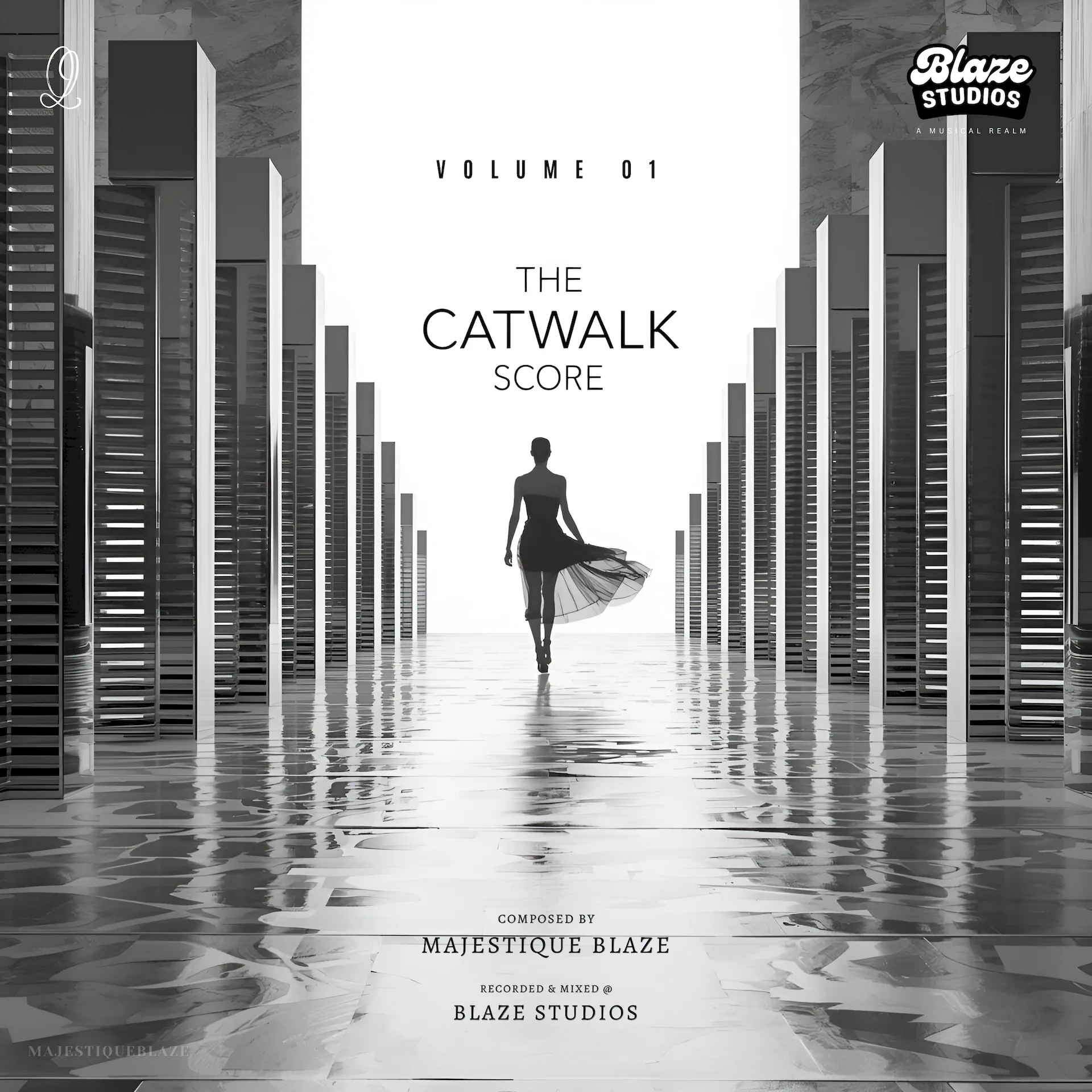
“The Catwalk Score - A1” treats fashion movement as cinema, turning poise, texture, attitude, stride, and visual confidence into a sequence of instrumental cues.
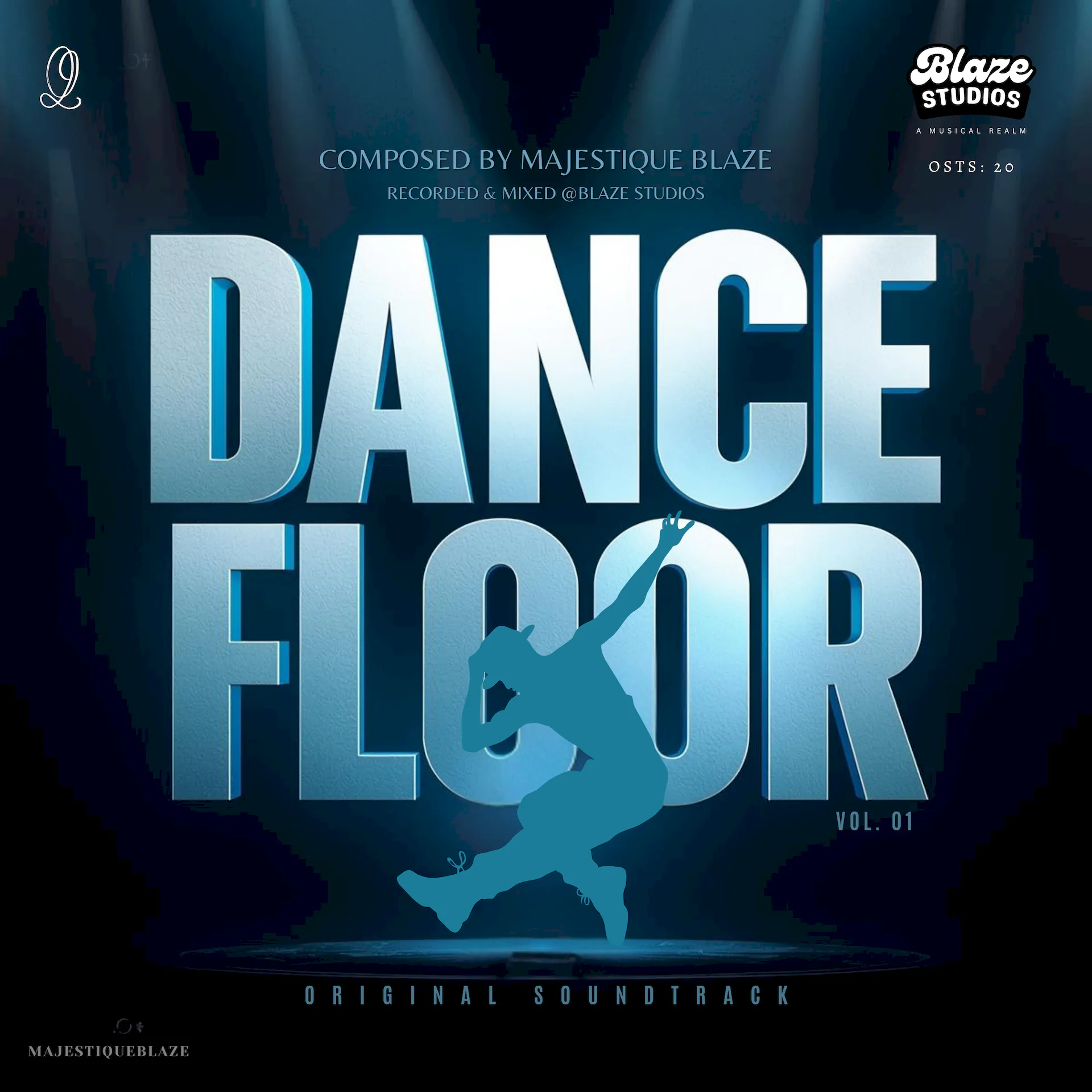
“Dance Floor V1.0” treats the dance floor as its entire universe: rhythm changes, bodies move, tension drops, and every instrumental exists to keep the room alive.
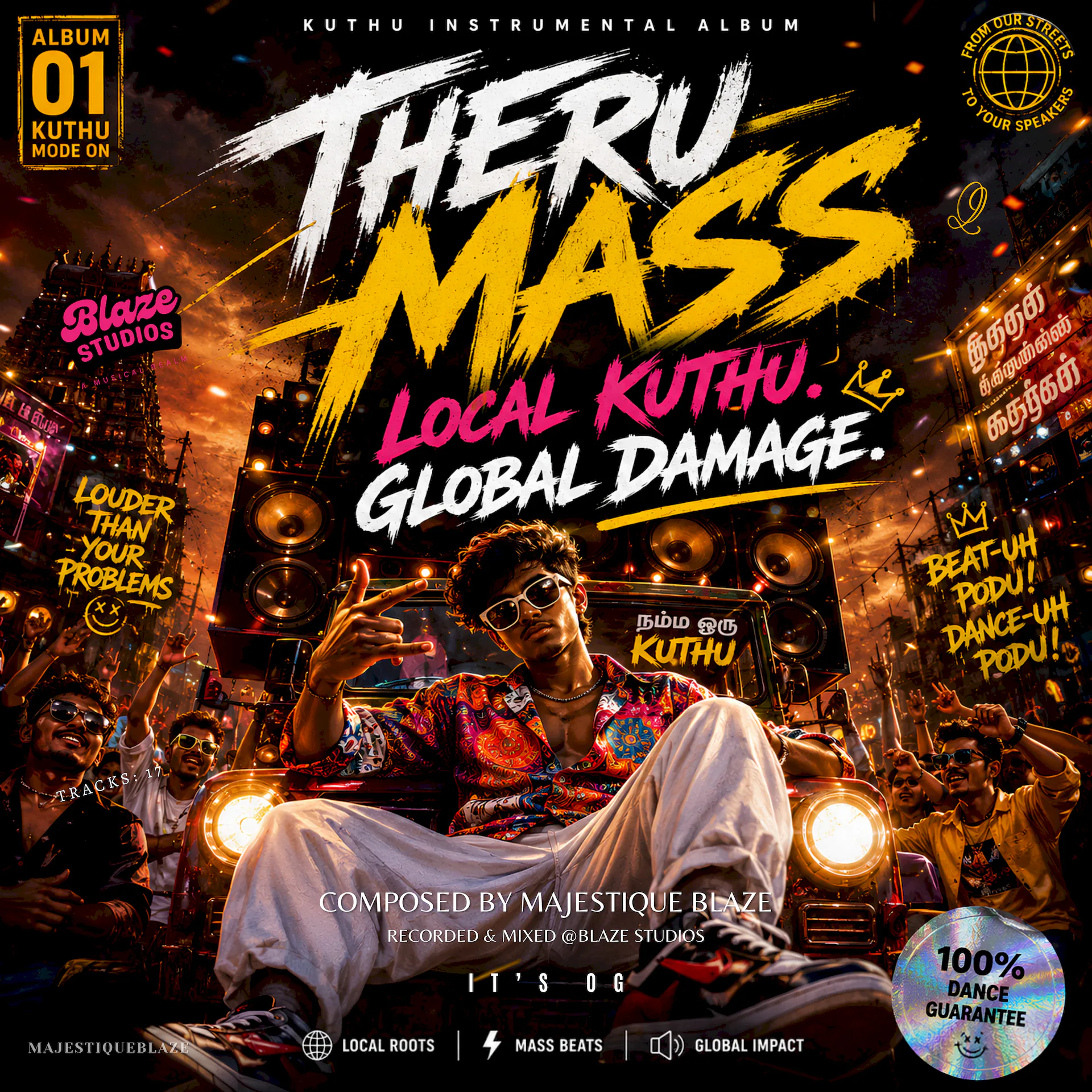
“Theru Mass” turns street-scale energy into an instrumental spectacle of swagger, percussion, impact, and unapologetic larger-than-life movement.
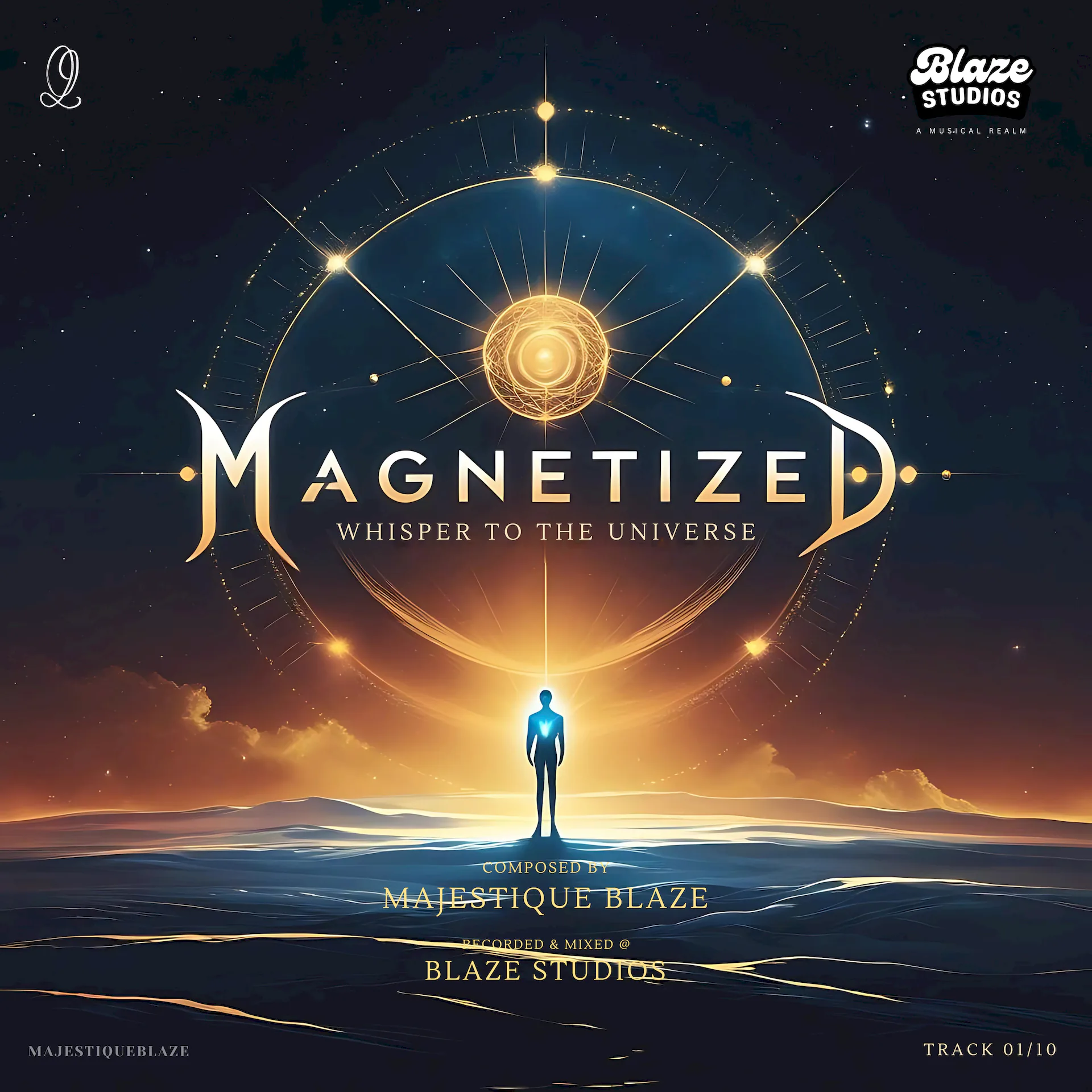
“Magnetized” explores intention, manifestation, surrender, trust, and the paradox of wanting something deeply without trying to control every step toward it.

“Make India Rich” makes a clear emotional move from “Not by the clock's relentless race” to “Let work be a path, not a cage that binds.” Between those two images sits rootedness without isolation.

“Between Fire & Light” places ambition, pressure, love, and survival between two forces: the heat that tests us and the light that shows a way forward.
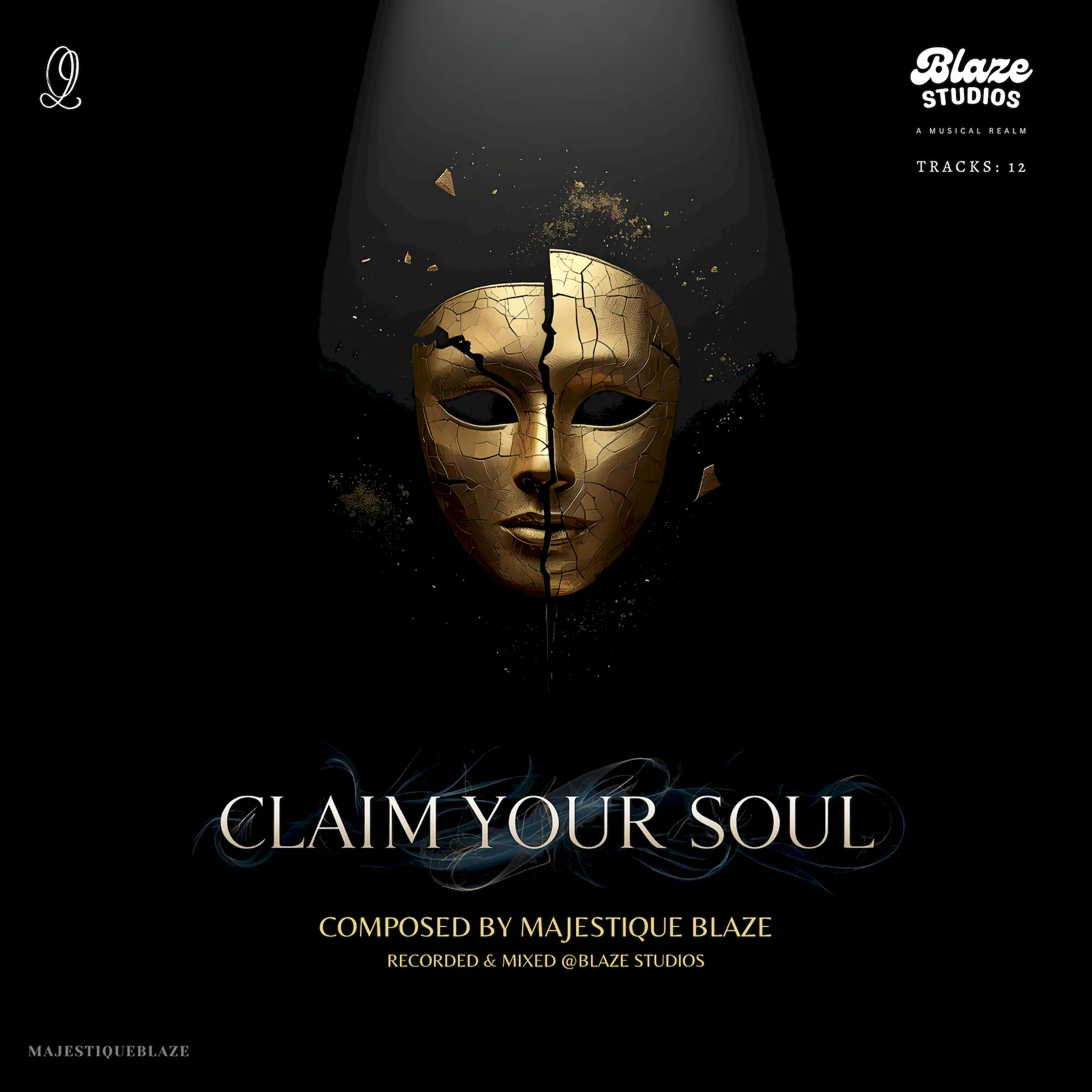
“Claim Your Soul” is a collection about taking back authorship of the self—your direction, your dignity, your energy, and the right to decide what defines you.
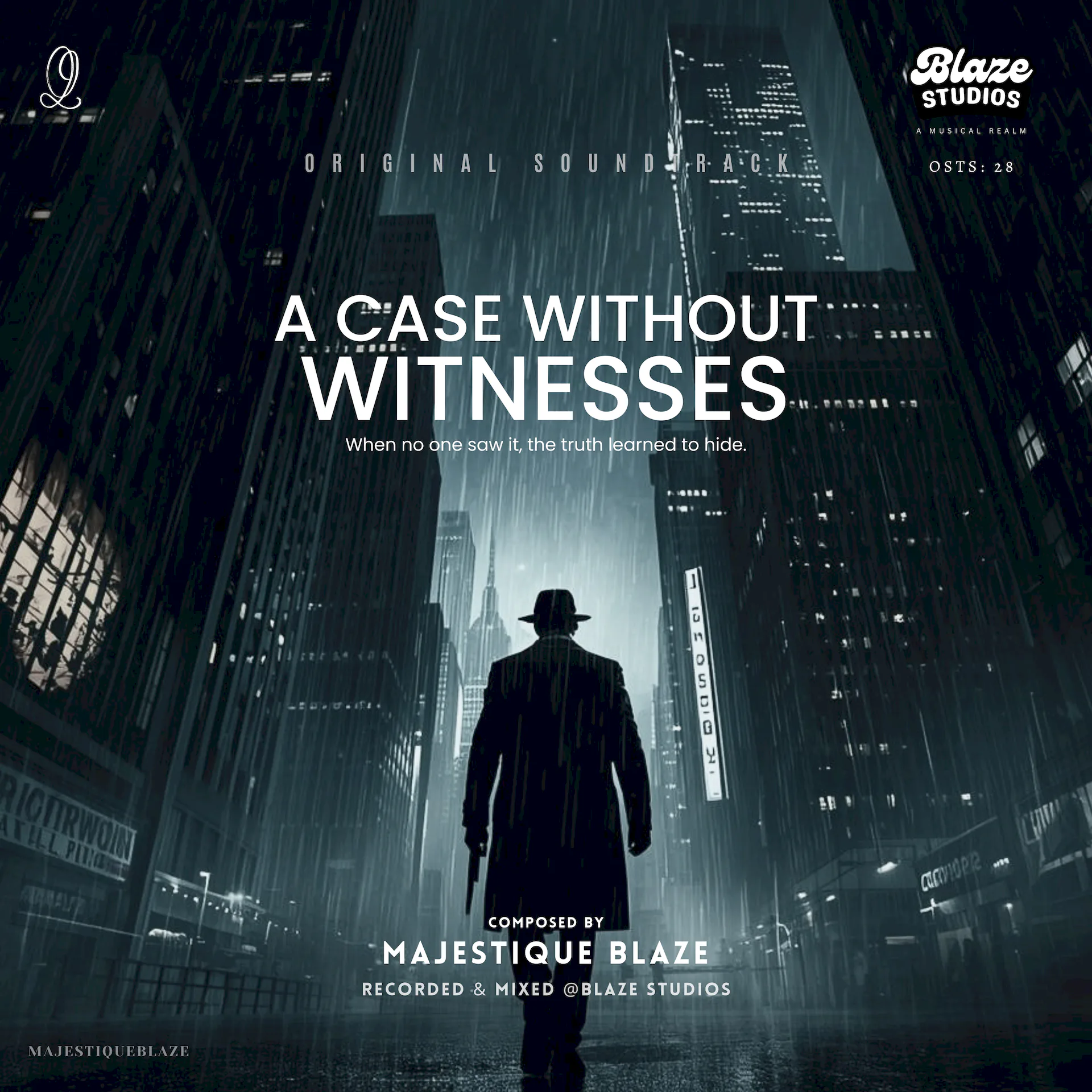
“A Case Without Witnesses” plays like a wordless crime film, moving through suspicion, pursuit, evidence, pressure, and unresolved silence.
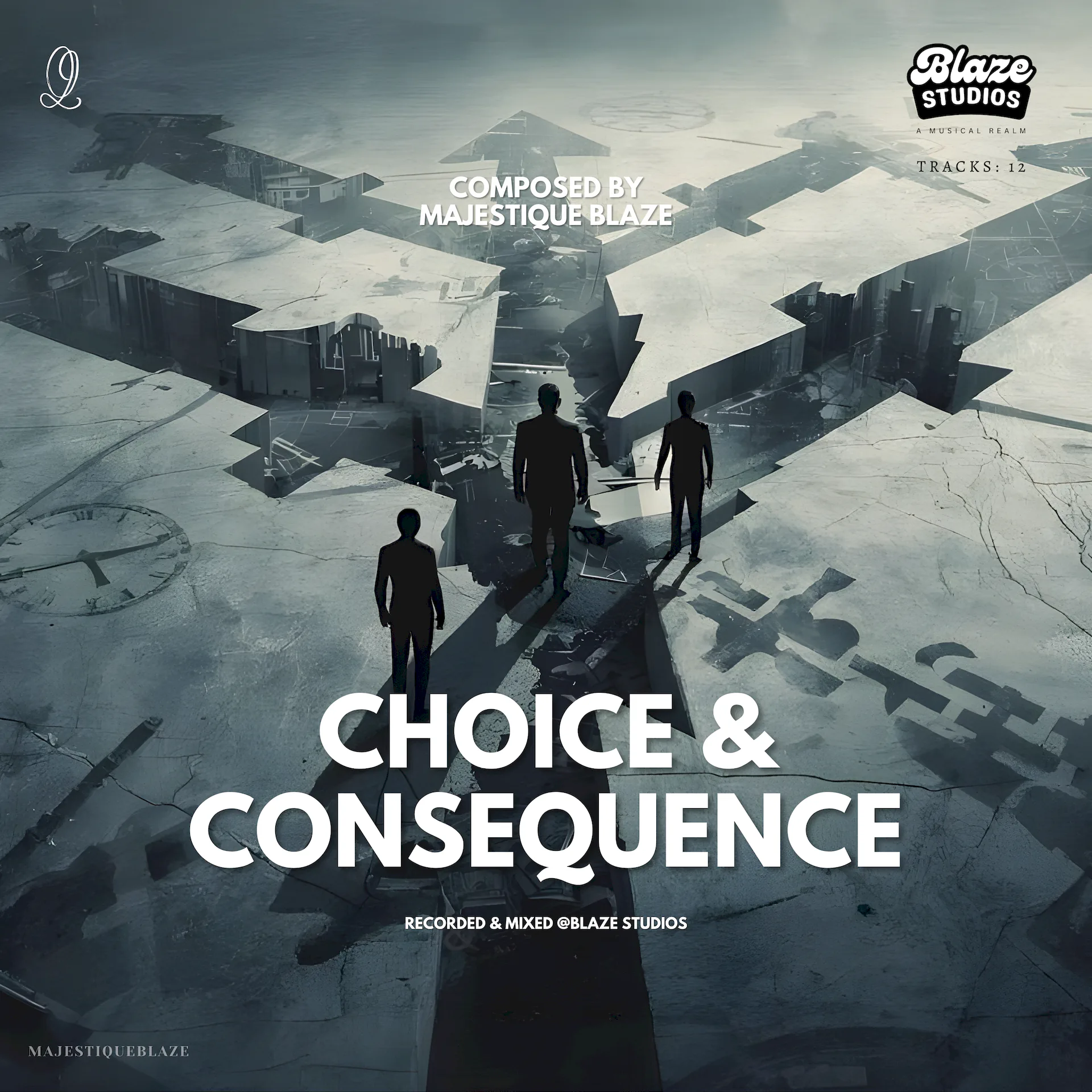
“Choice & Consequence” examines the small and large decisions that quietly shape a life, and the responsibility that follows once a choice has been made.
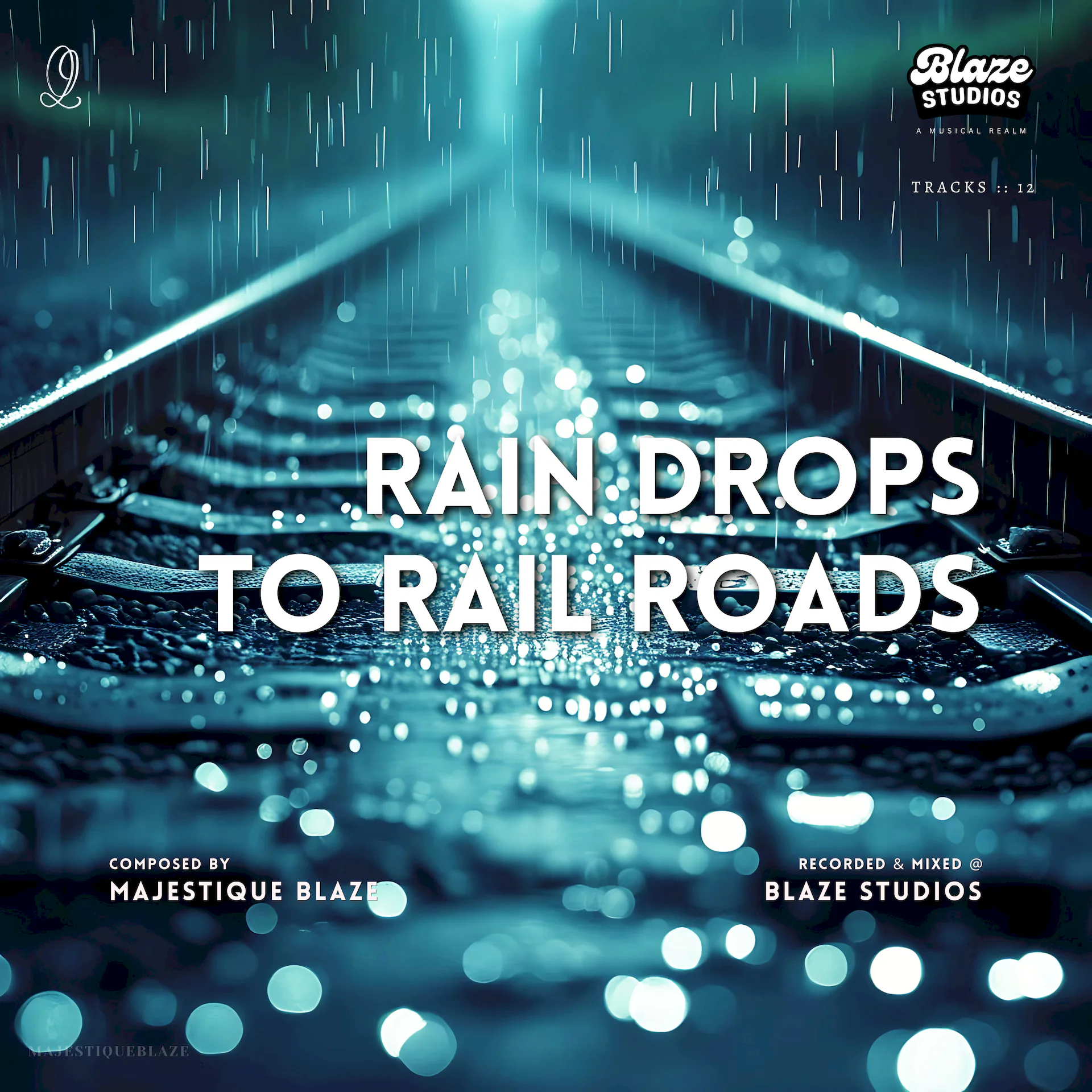
“Rain Drops To Rail Roads” is a journey album in the widest sense—moving through creativity, change, love, labour, mortality, wonder, and the roads that connect them.
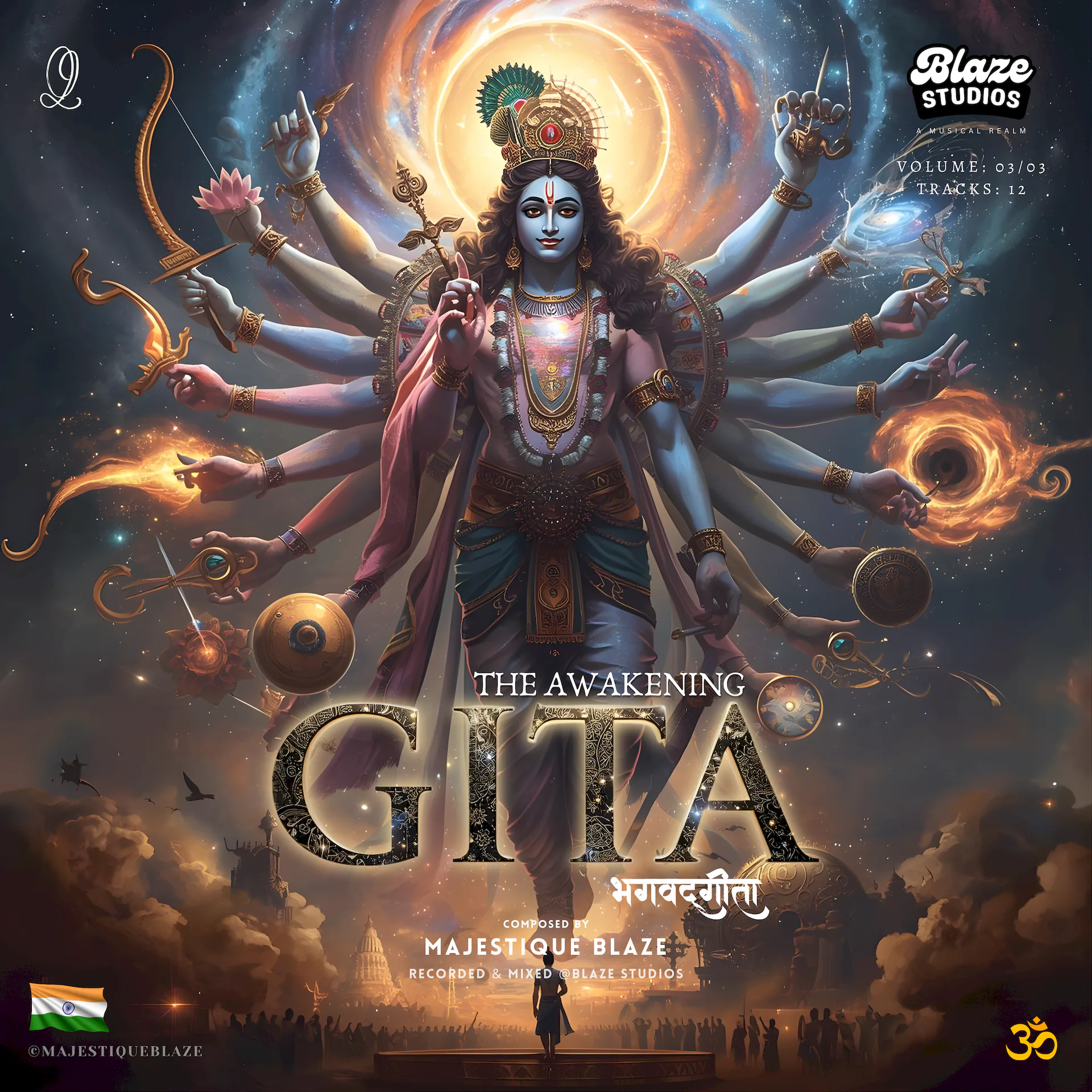
“Gita A3 - The Awakening” moves from understanding toward transformation, where doubt gives way to vision, surrender, and a renewed willingness to act.
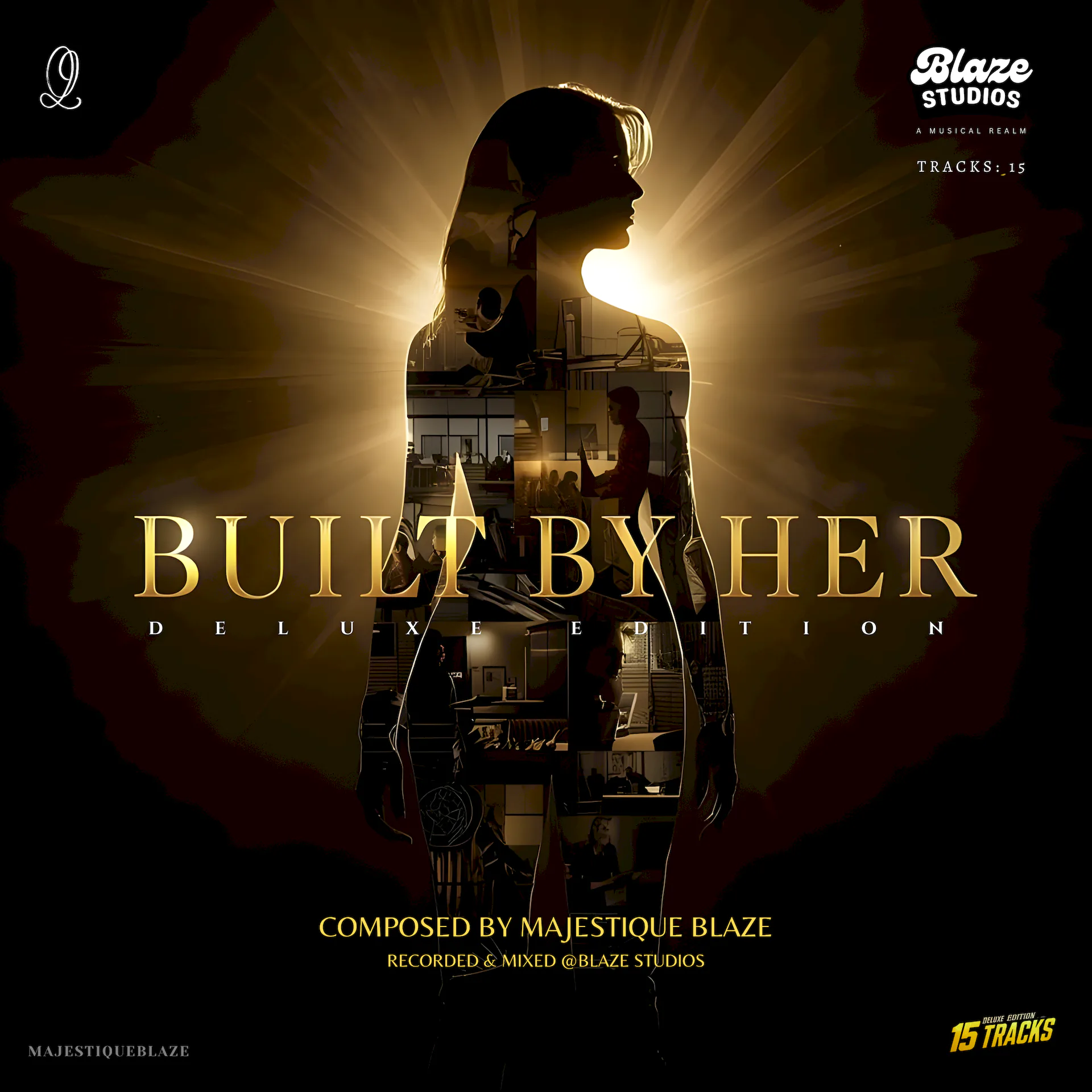
“Built By Her” is an unapologetic celebration of women who build, lead, decide, recover, create, and refuse to shrink themselves for permission.
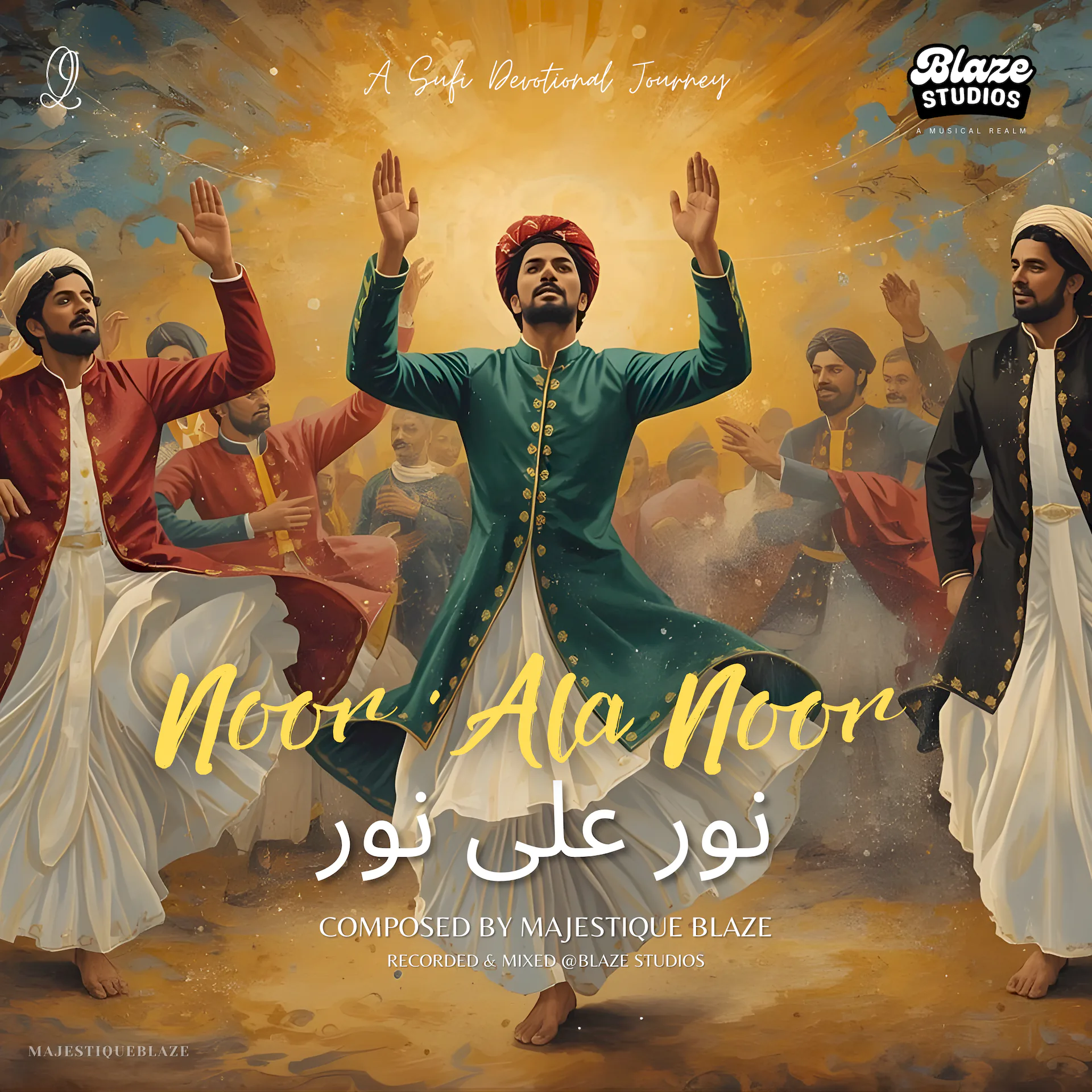
“Noor Ala Noor (Sufism)” searches for light within light, using Sufi imagery, surrender, remembrance, and divine love as pathways toward inner stillness.

“Cardio Domination - Zumba Collection” is designed as pure physical momentum: a sequence of wordless tracks built around pulse, sweat, repetition, and release.
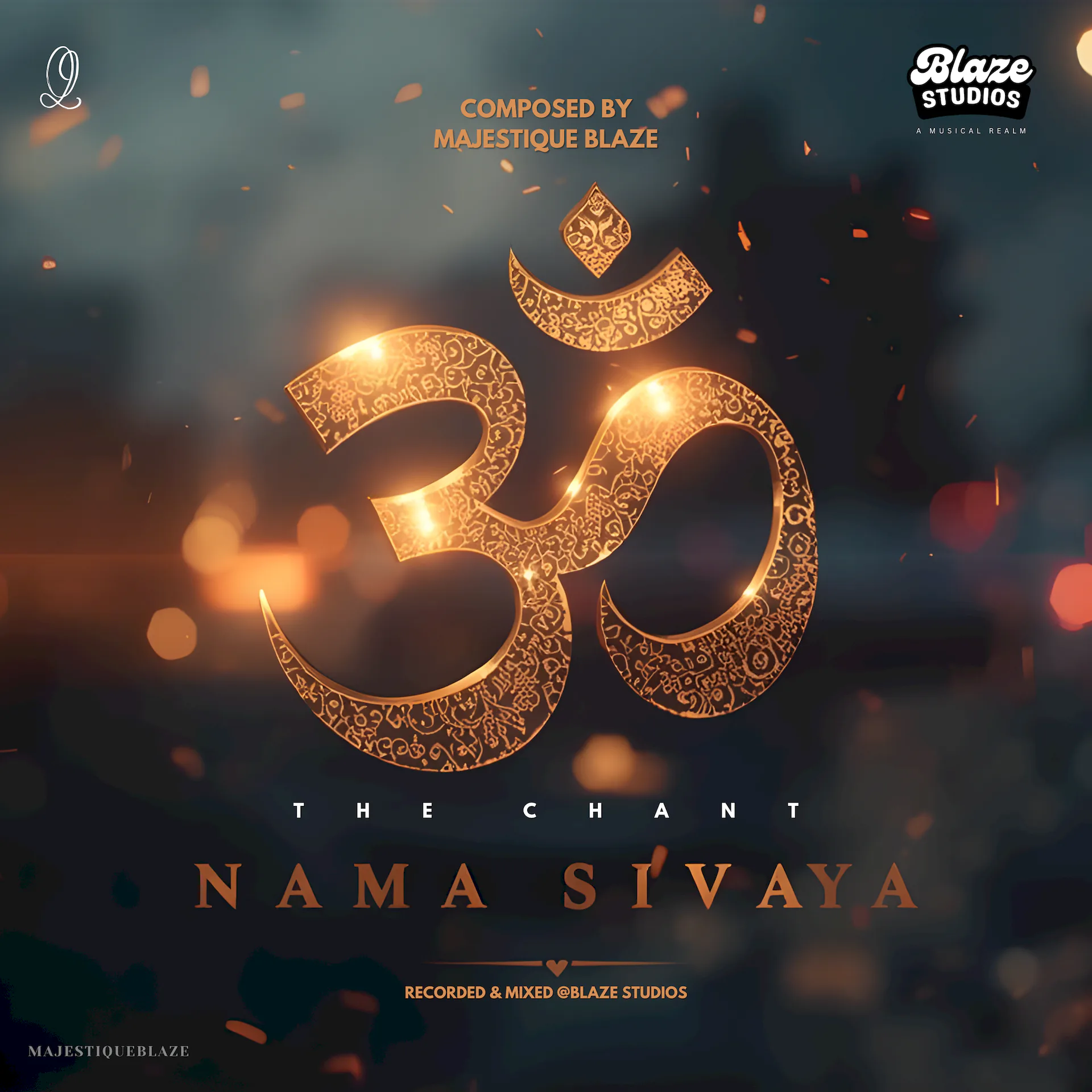
“Om Nama Sivaya (The Chant)” is built as a devotional invocation rather than a narrative song, letting repetition itself carry focus, surrender, and inward stillness. The mantra is both lyric and atmosphere, reducing language until attention can settle on a single sacred phrase.
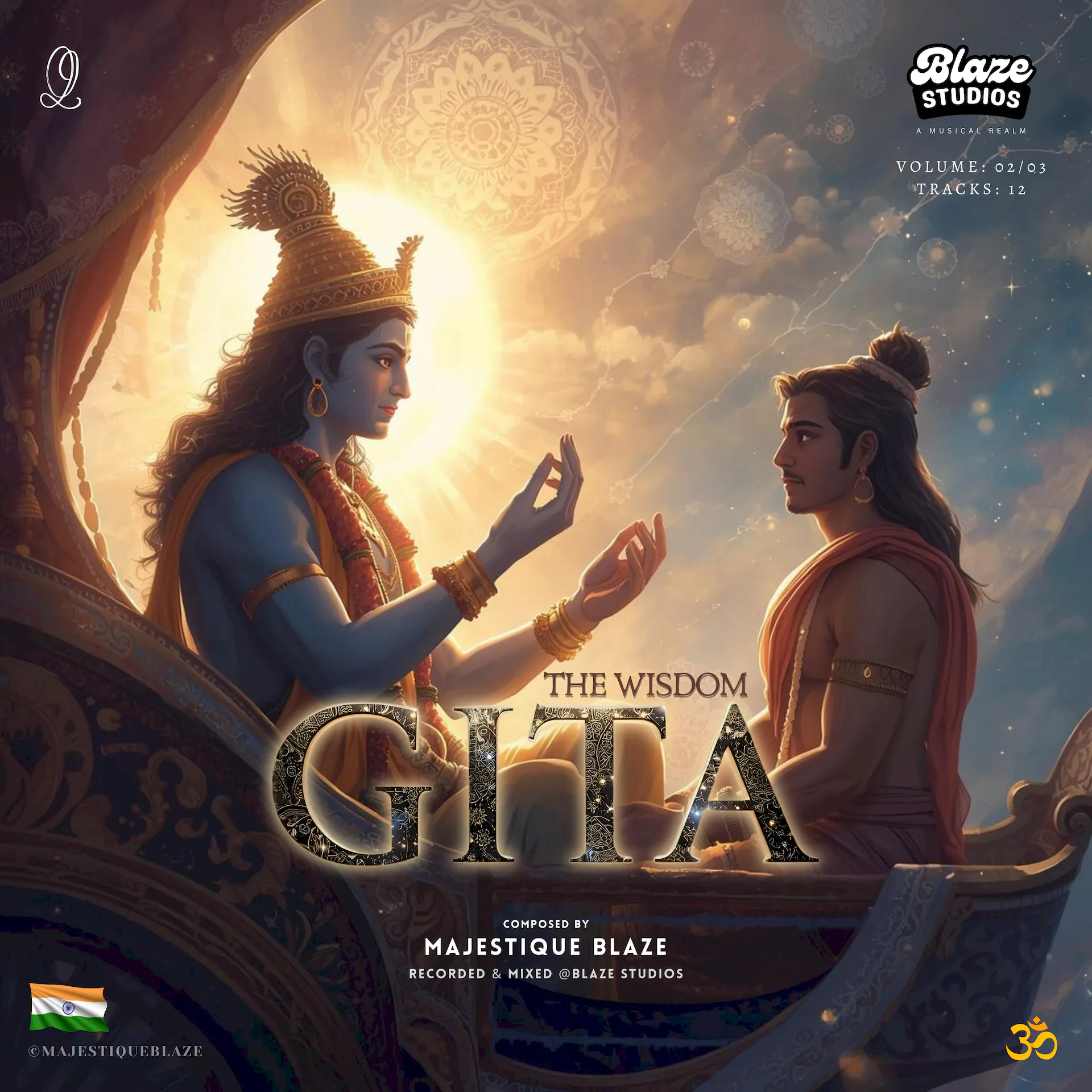
“Gita A2 - The Wisdom” turns Krishna’s teaching into songs about action, the Self, detachment, devotion, and the discipline of seeing clearly.
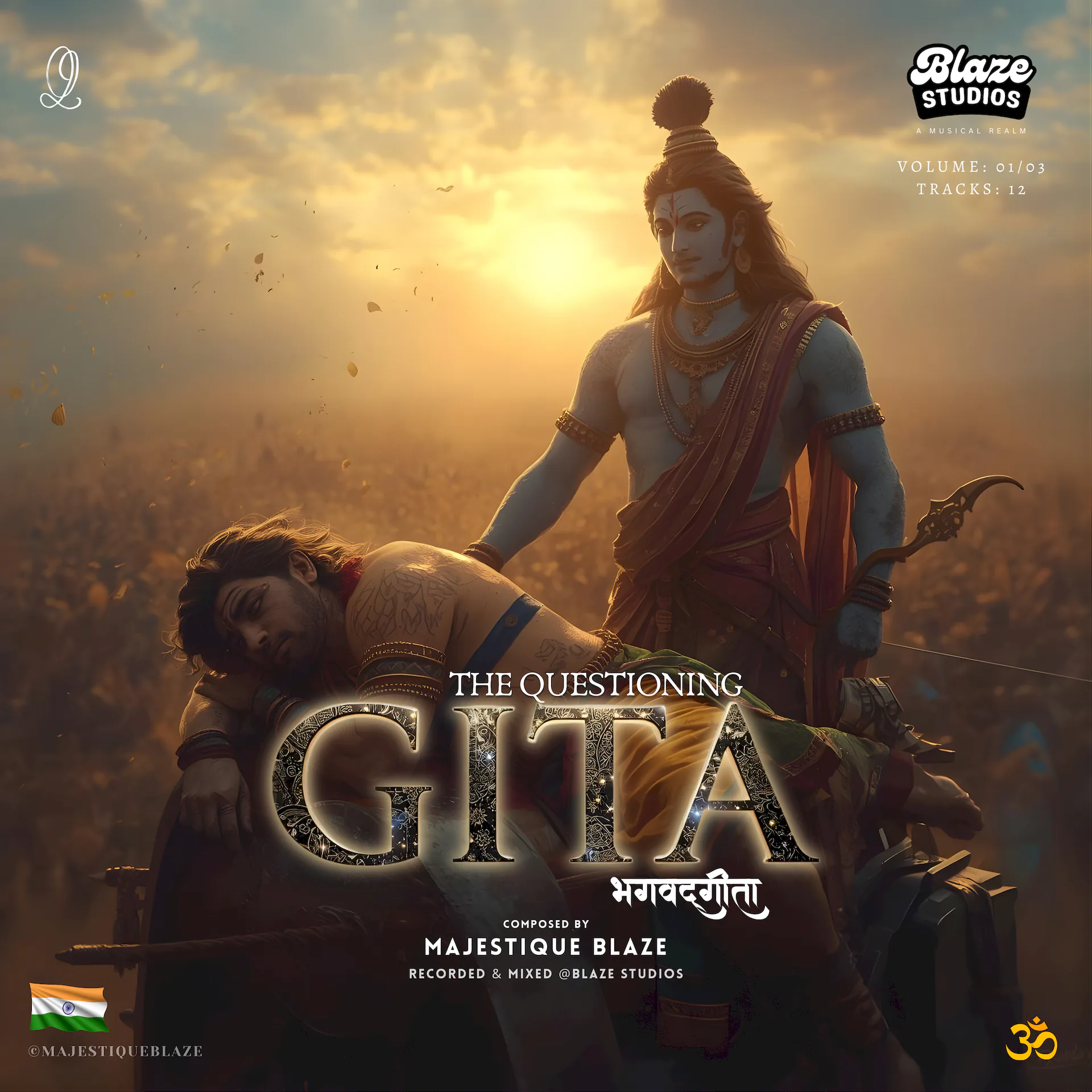
“Gita A1 - The Questioning” stays with Arjuna before certainty arrives: duty, fear, attachment, moral conflict, and the unbearable weight of having to choose.
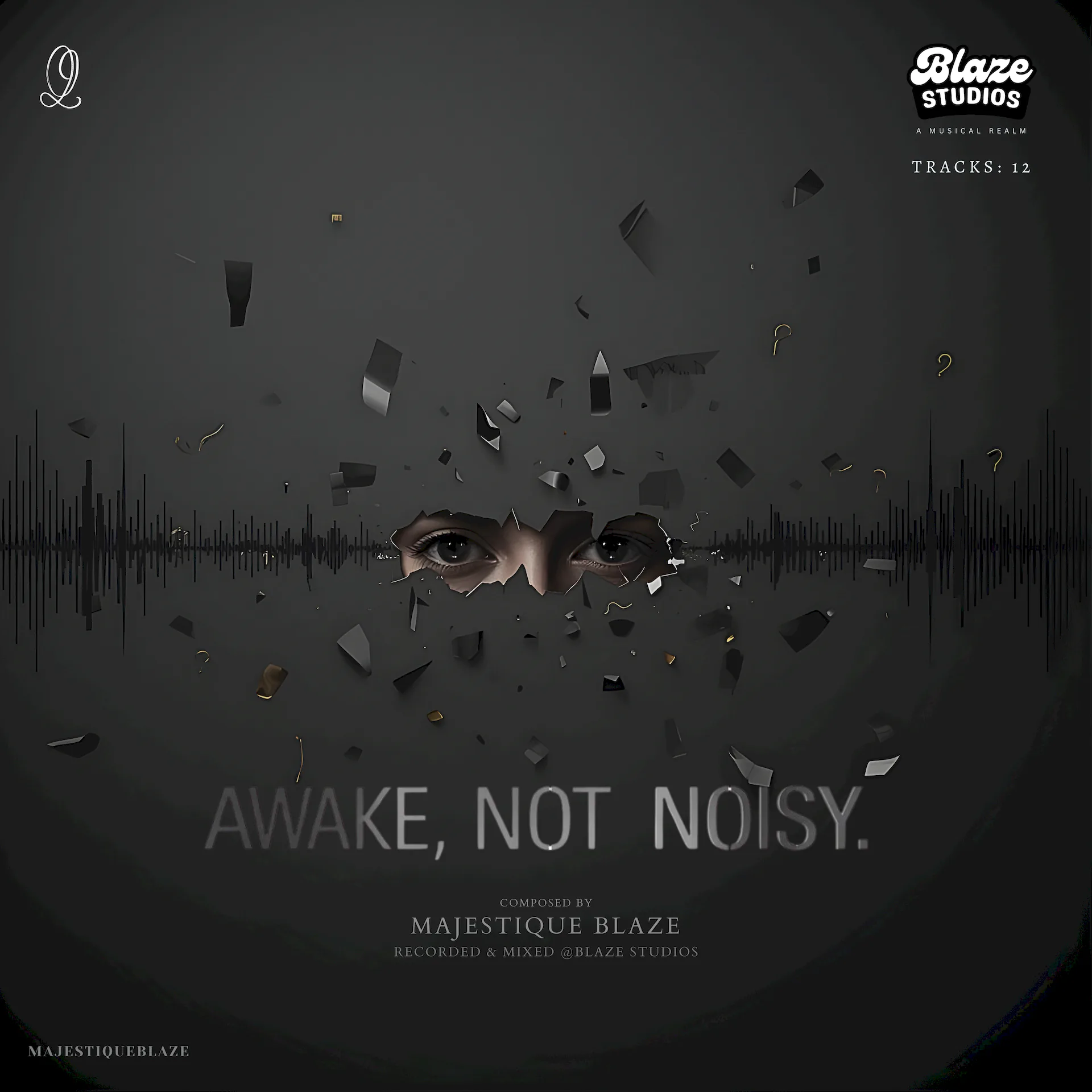
“Awake, Not Noisy” is about becoming more conscious without becoming louder—finding clarity, faith, and self-belief through attention rather than noise.

“Winter Stars Of The World Vol 2.0” expands that winter journey with another set of places and moods, keeping the season cinematic, spacious, and culturally open.
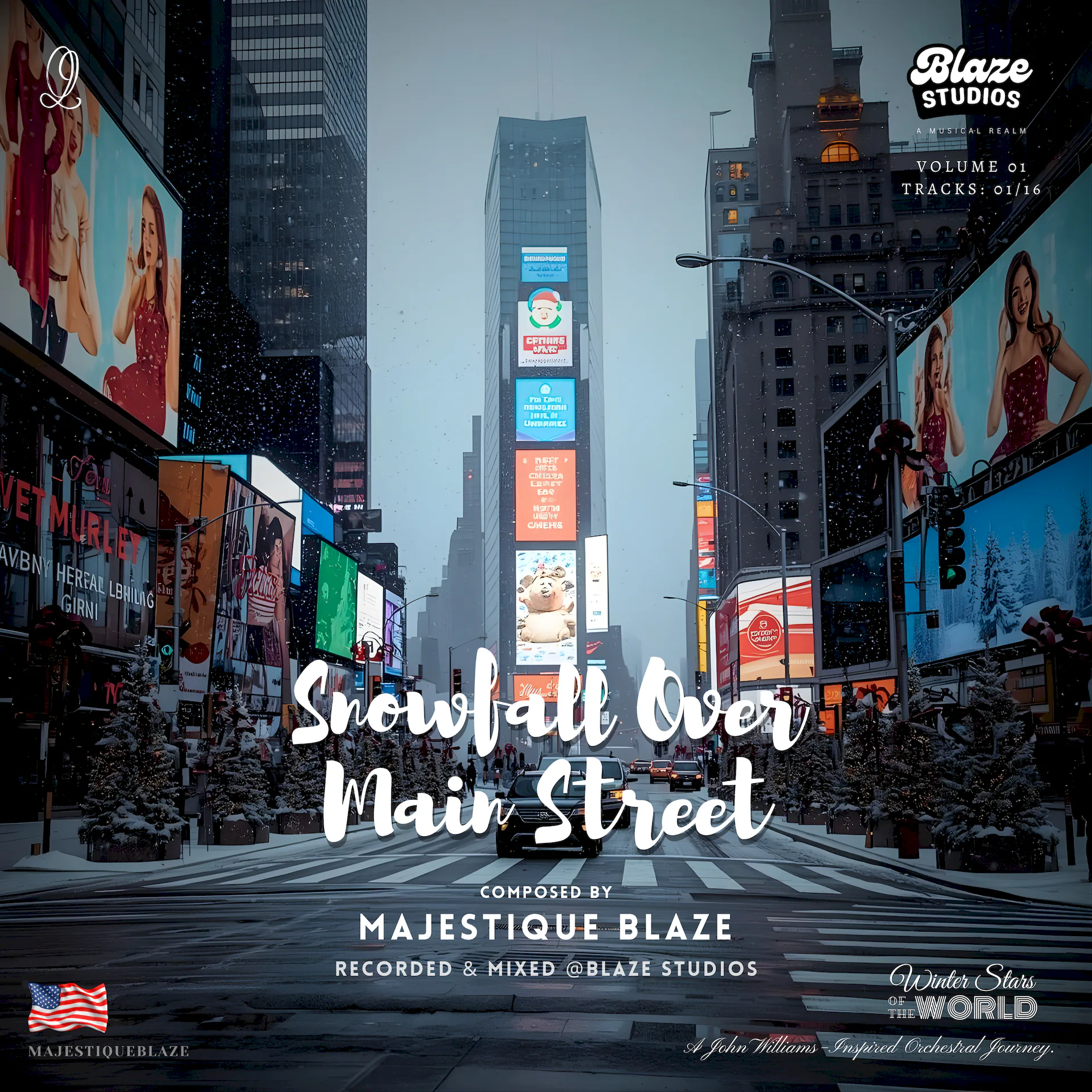
“Winter Stars Of The World Vol 1.0” travels through winter as a global visual language, using instrumental atmosphere to connect snow, night, celebration, and distant places.
“Seconds To Impact” is built like a countdown in instrumental form, where pressure, speed, collision, danger, and cinematic escalation keep tightening the frame.
“F You AI” builds its lyric world from “I see the lines you write, they echo what I think” and keeps circling back to “You read the cracks in me before I even blink.” Together they shape a track filled with playfulness that refuses to take itself too seriously.

“A Christmas Odyssey” imagines Christmas as a journey across places, rhythms, traditions, and shared hopes rather than a single familiar setting.
“A Malayali Swag” carries Kerala-rooted identity with confidence, humour, romance, rhythm, and a modern sense of local swagger.
“Iyal . Isai . Nadagam” threads faith shaped by questioning rather than certainty through a series of concrete images, beginning with “Every word a seed from the poet's hand.” The line “Every note a wave that shapes the sand” becomes the track’s emotional shorthand.

“Ninte Peru” is a playful Malayalam-English love rap where attraction becomes rhythm itself: her name turns into a beat, her presence into flow, and ordinary infatuation into bars that keep writing themselves. The code-switching gives the romance a distinctly local, modern swagger.
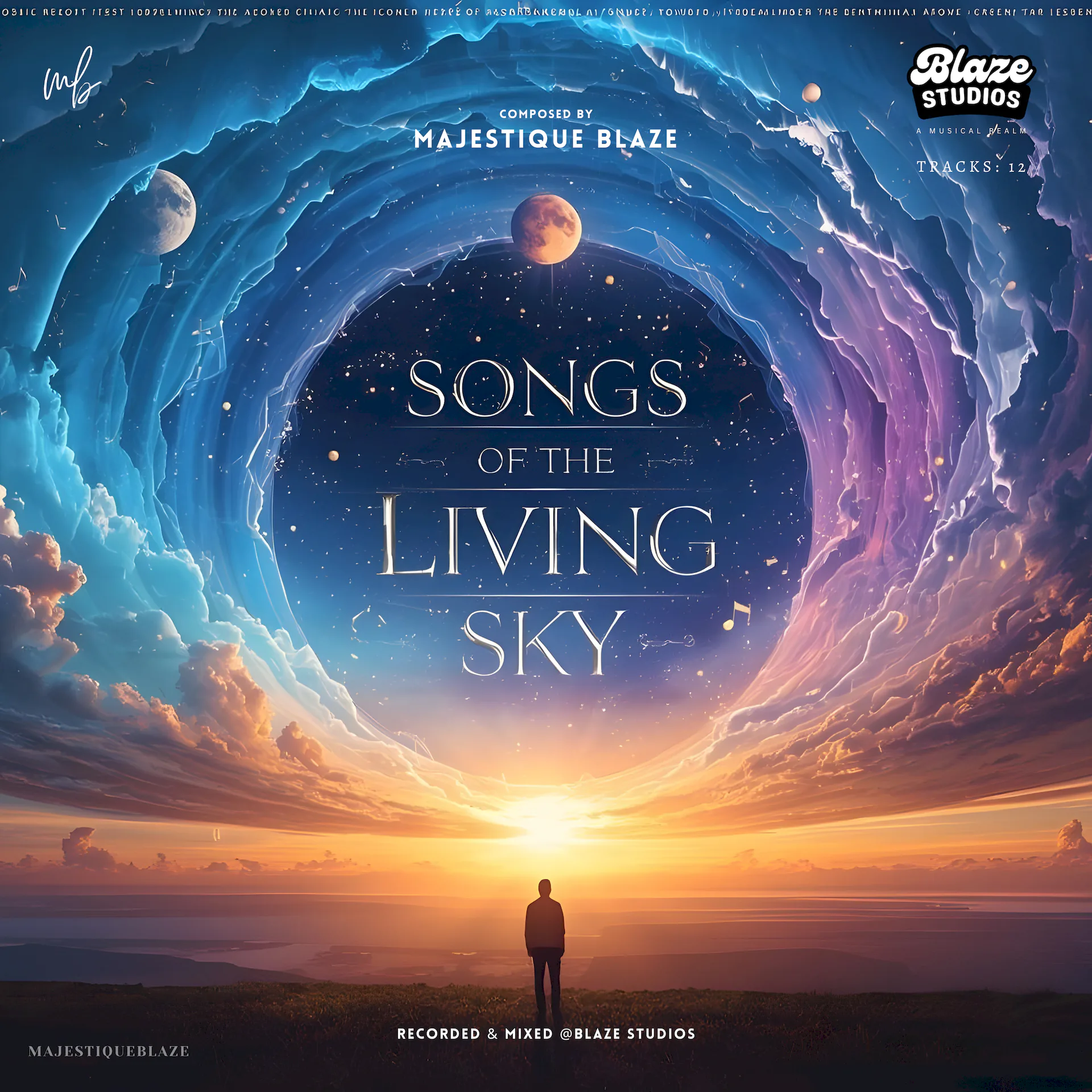
“Songs of the Living Sky” looks upward and outward while speaking about love, purpose, rain, journeys, trust, and the inner light people carry beneath changing circumstances.
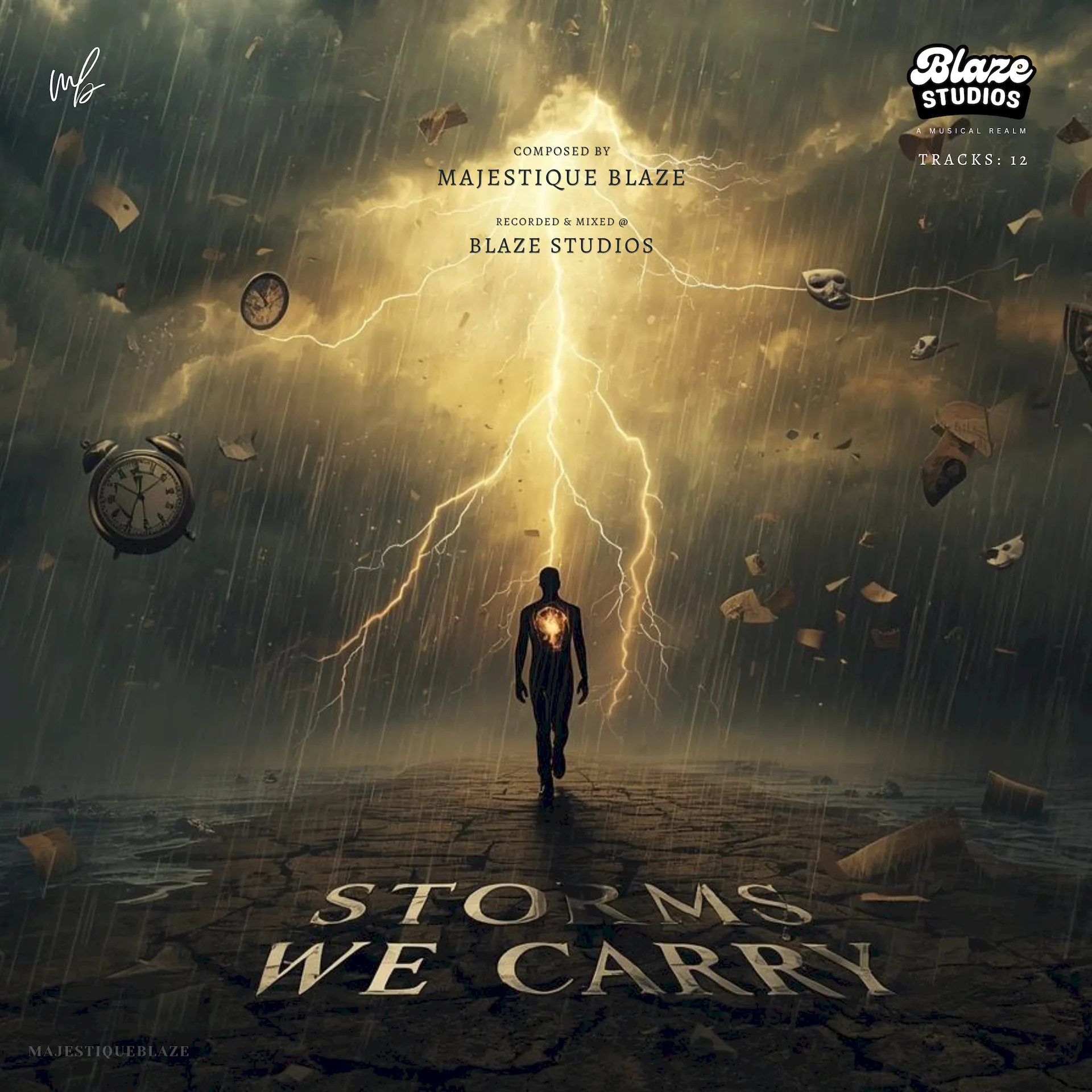
“Storms We Carry” gives form to the battles people hide—offence, silence, pain, truth, endurance, and the private weather that continues behind ordinary faces.
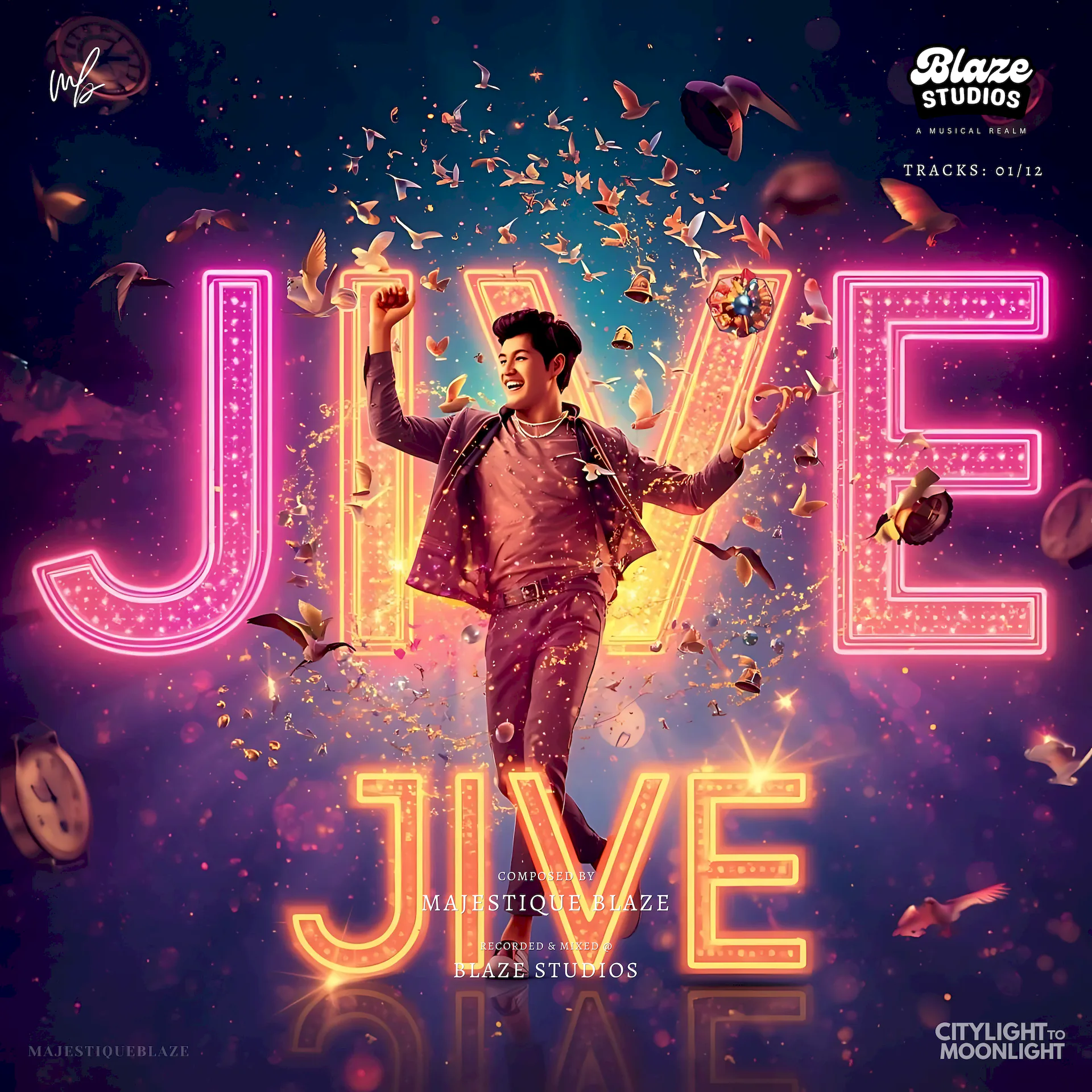
“City Light To Moonlight” moves from public energy to private reflection, using urban life, relationships, identity, and late-night thought as its changing landscape.

“Popcorn Punches Ep. 1” places “Lights, camera, action! Ready for the show” and “They may take our lives, but they'll never take our freedom” at two ends of the same journey. Between them, the track explores humour used as musical release with a strong sense of image and movement.

“Grandpa's Greatest Hits (and Misses)” turns everyday chaos into comic storytelling, letting family, animals, romance, technology, and bad luck become reasons to laugh.
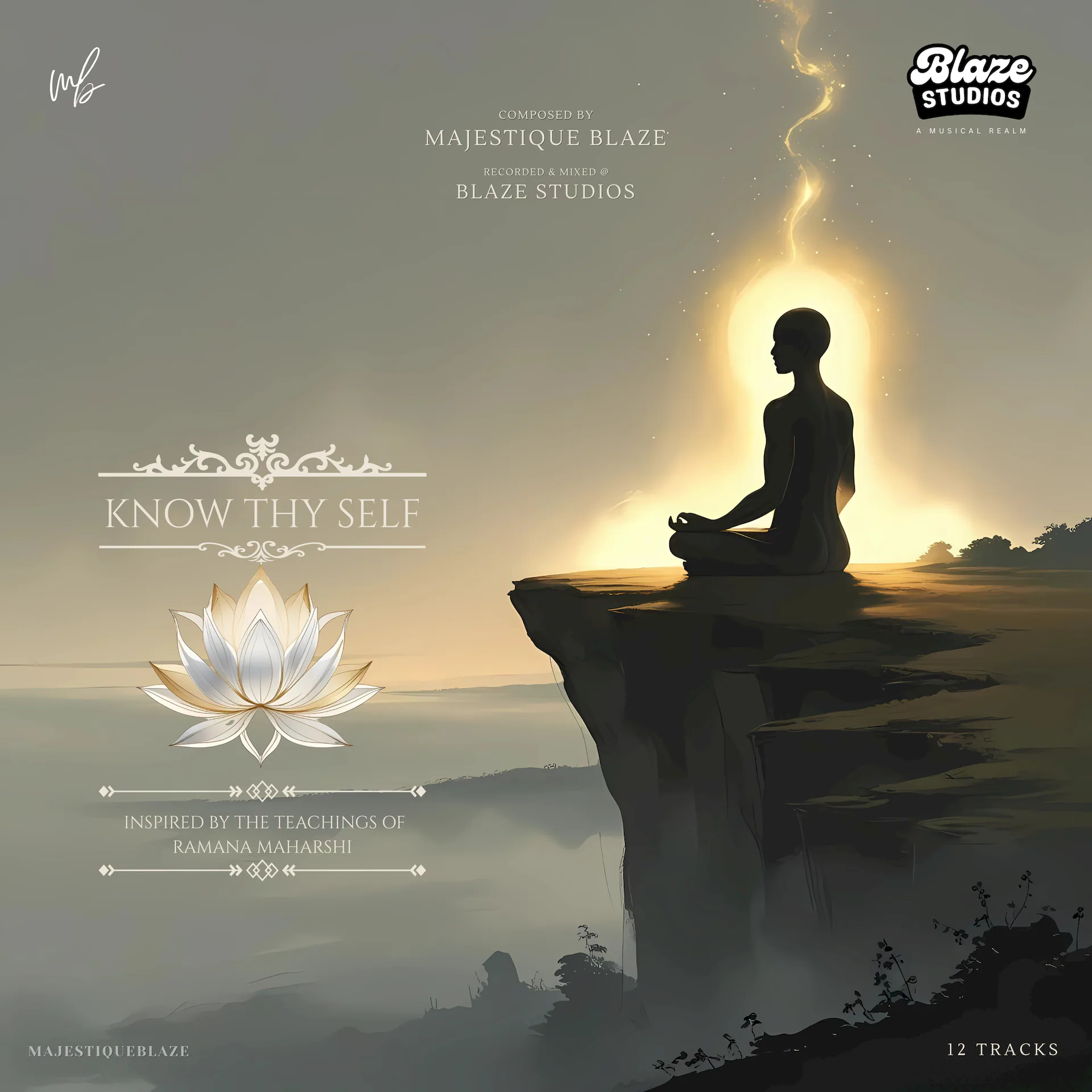
“Know ThySelf” continues the same inward territory from another angle, using self-enquiry, identity, and awareness as the centre of its philosophical journey.
“Know Thyself” is an inward journey through identity, ego, silence, awareness, and the difficult question of who remains when borrowed definitions fall away.
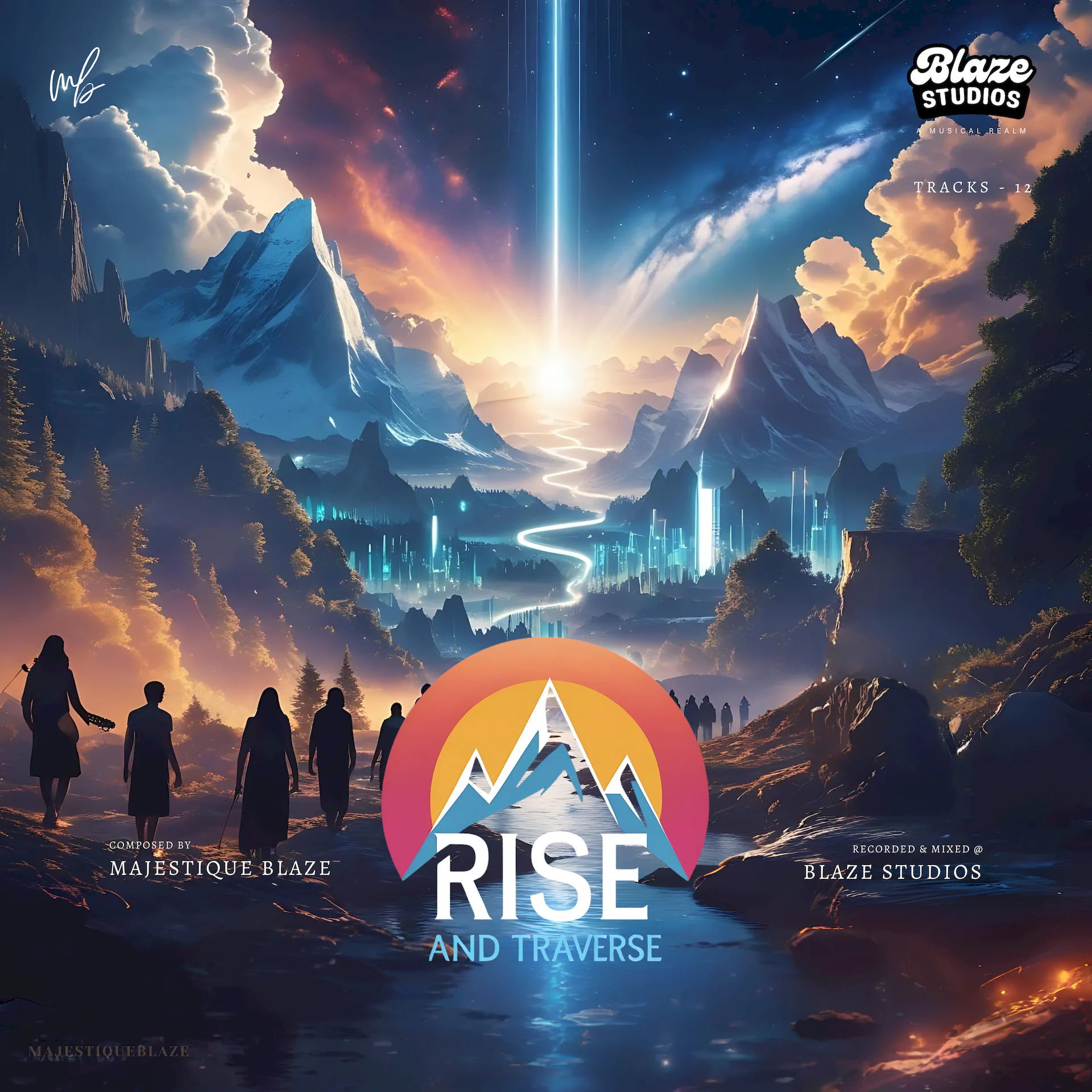
“Rise And Traverse” turns movement into a philosophy, pairing resilience with the courage to cross distance, uncertainty, and unfamiliar ground.
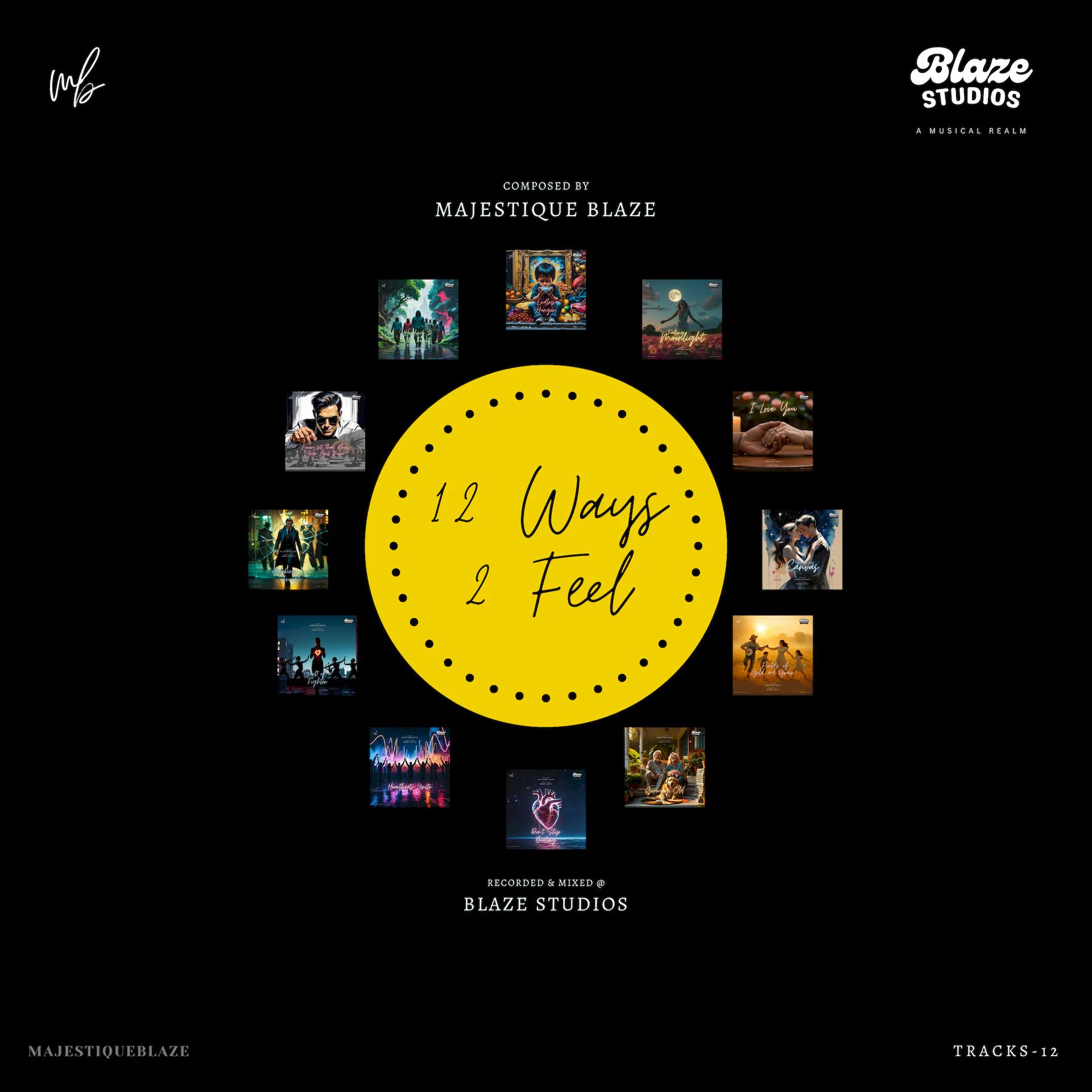
“12 Ways 2 Feel” moves through a deliberately broad emotional spectrum, treating love, effort, wonder, struggle, hunger, and human connection as different doors into feeling.
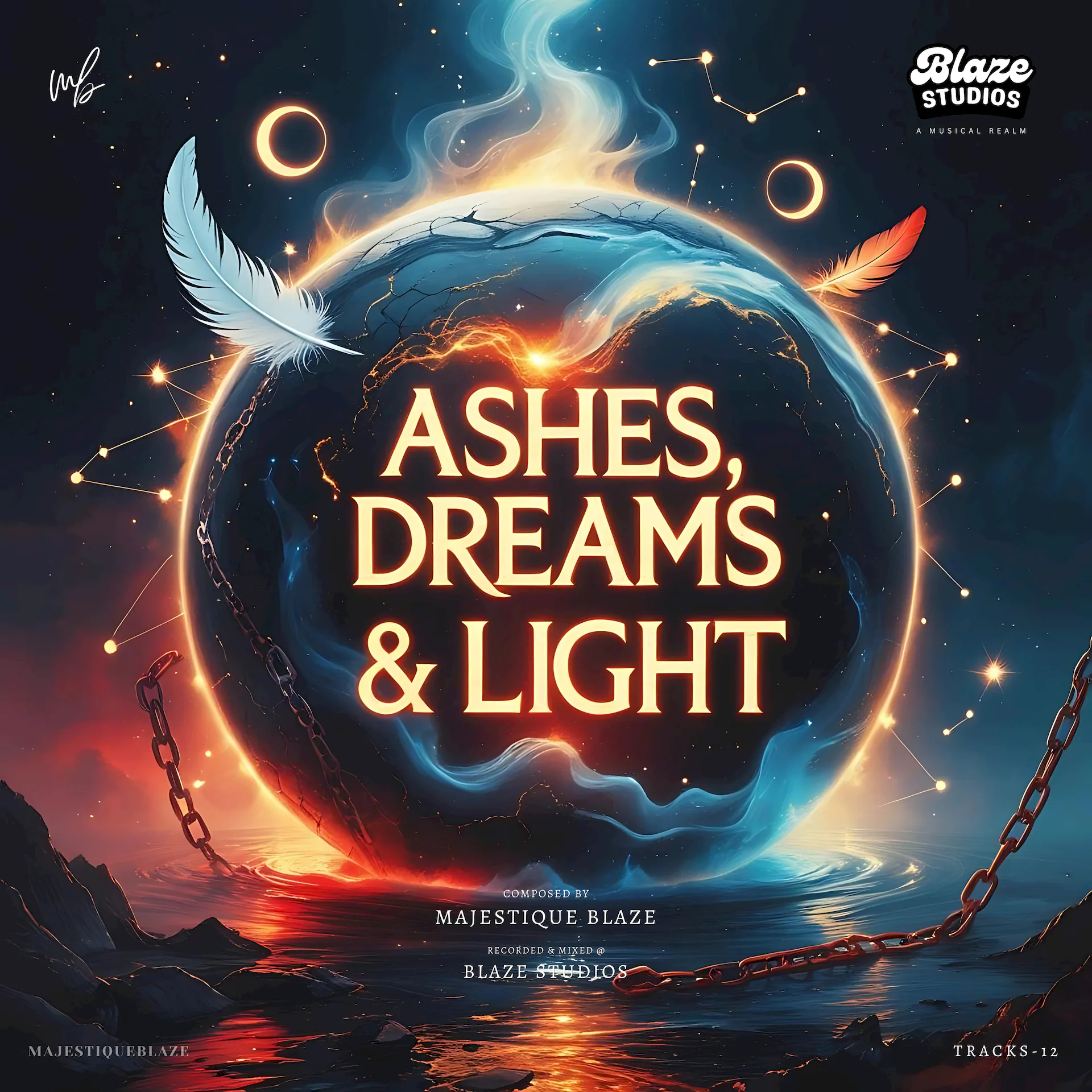
“Ashes, Dreams & Light” lives in the space between what has burned away, what still hurts, and what continues to reach for hope.
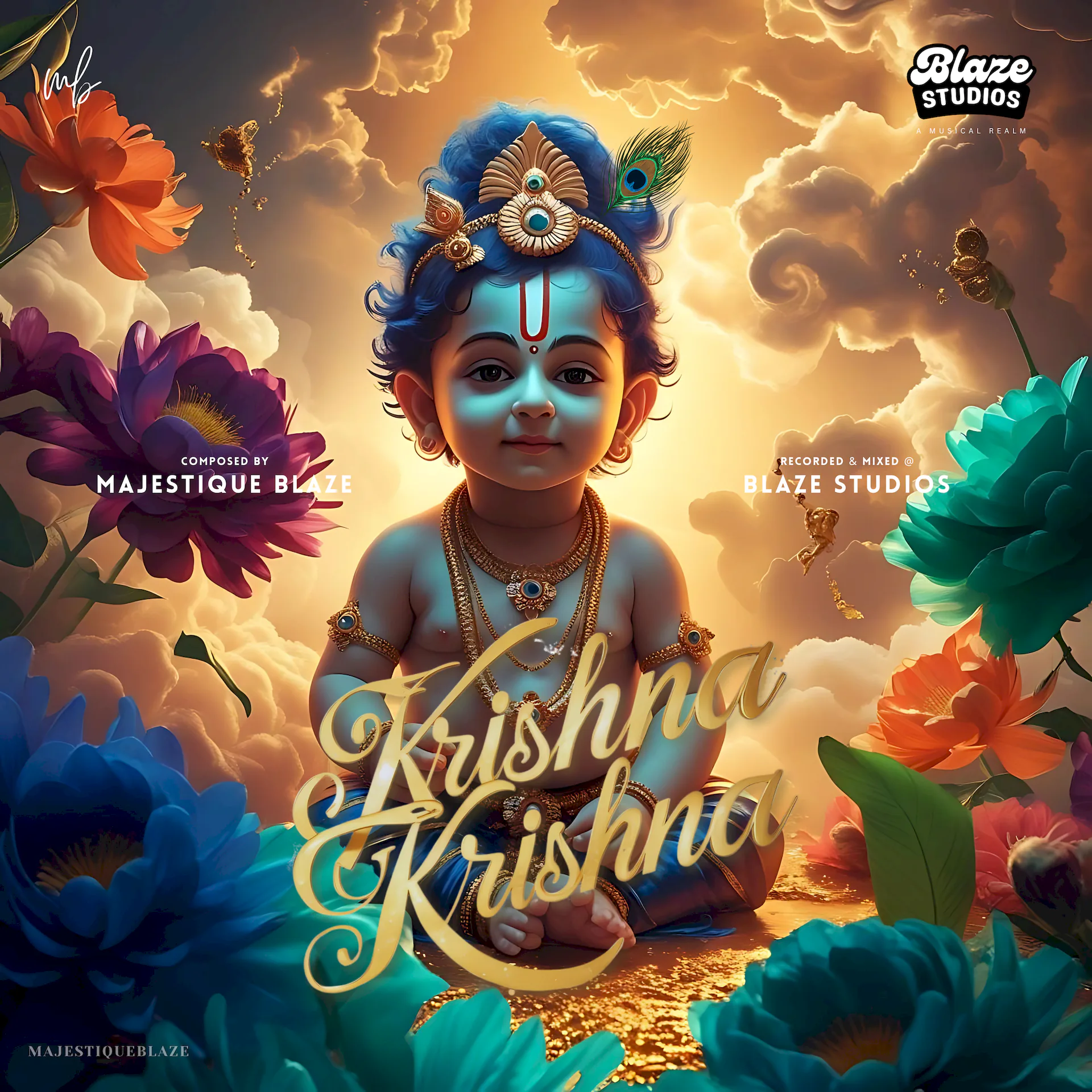
“Krishna Krishna” builds its emotional contrast between “Krishna Krishna... Krishna Krishna” and “When your flute begins, my soul takes flight,” carrying reverence, self-enquiry, and inner light. The song lets its images do most of the explaining.
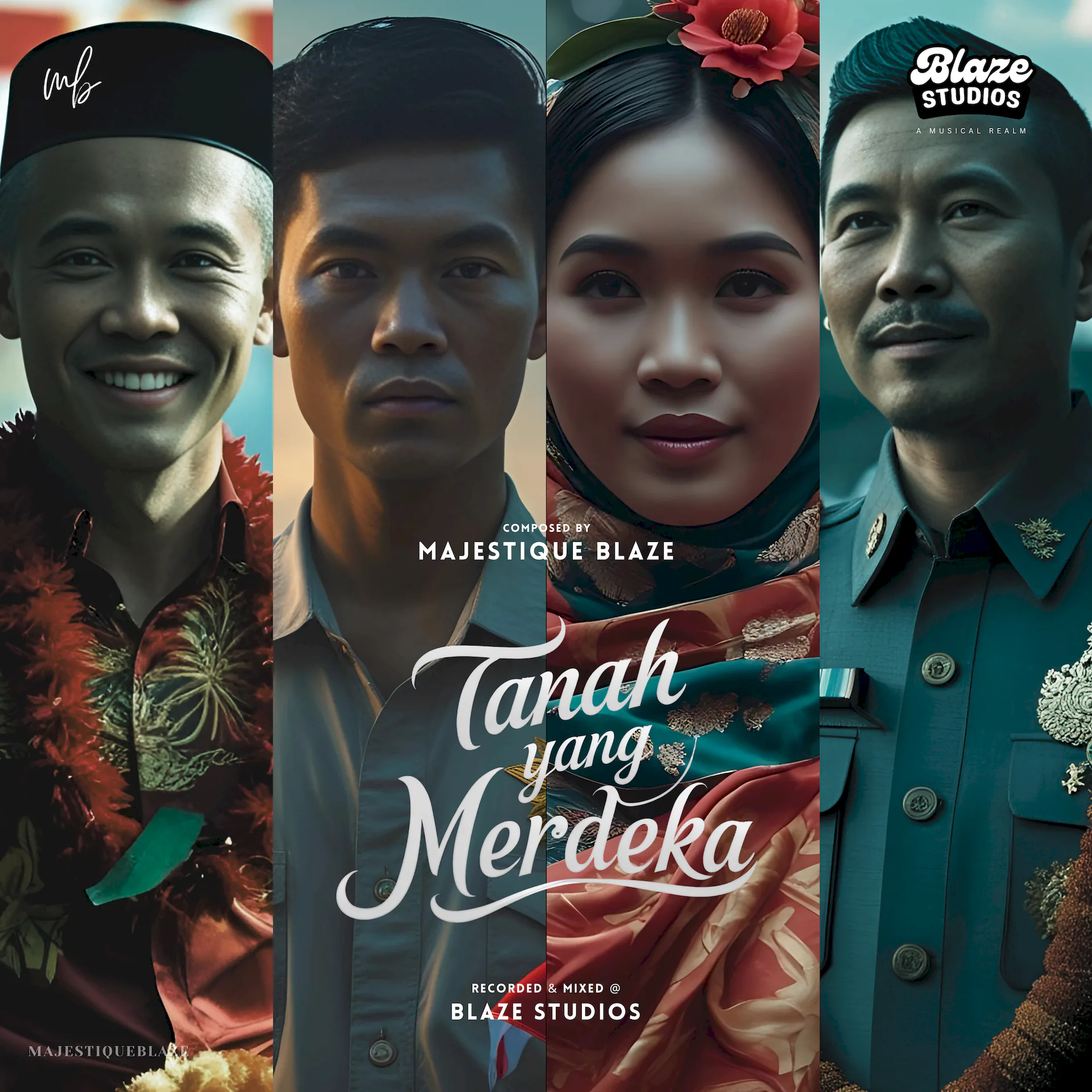
“Tanah yang Merdeka (Happy Ind Day Indonesia)” turns the line “17 Agustus… Hari Merdeka” into a lens for place, language, and identity carried with affection. By the time it reaches “From the oceans to the mountains,” the song has widened that feeling into a fuller perspective.
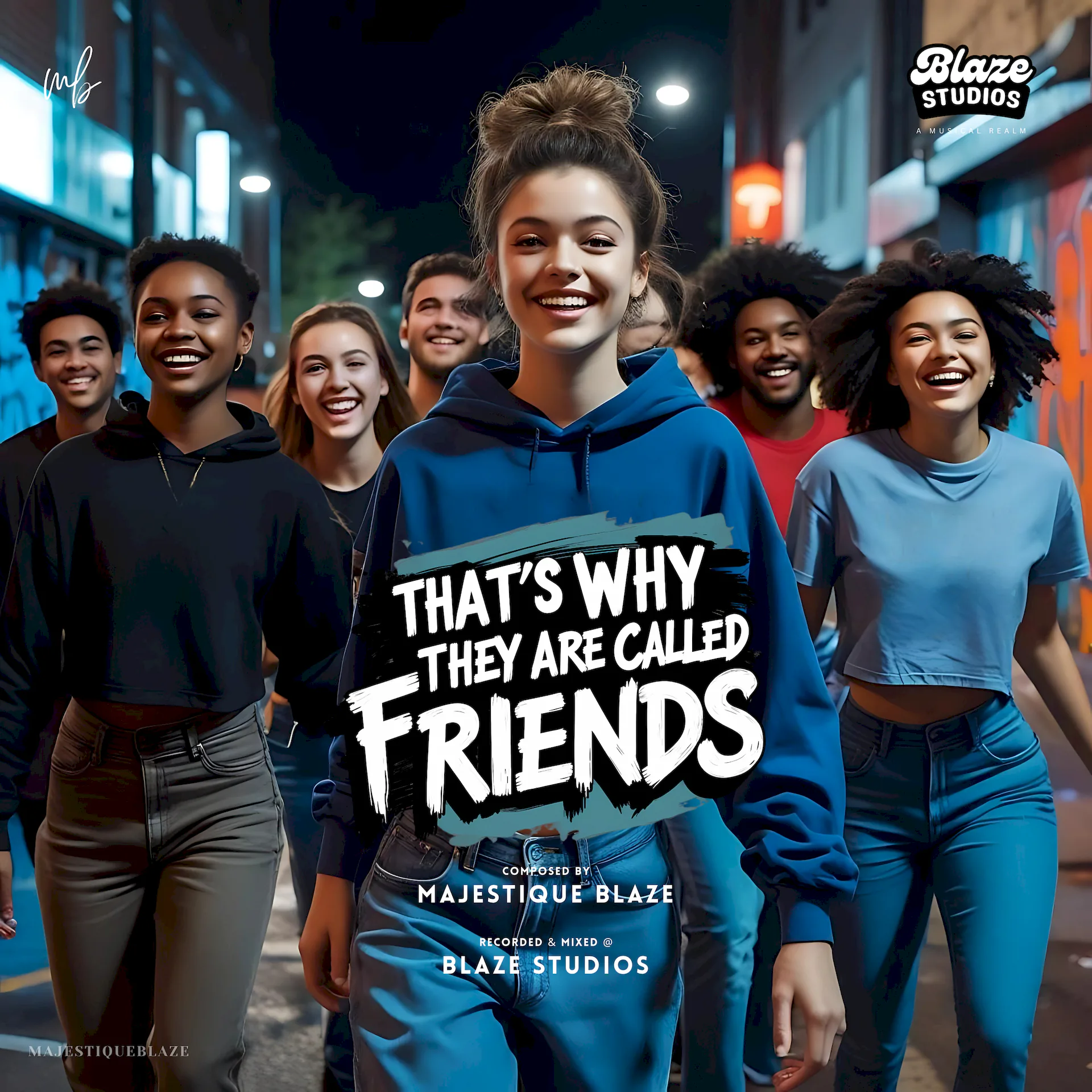
“Got my real ones right here, you know what it is” is the image that unlocks “Thats Why They Are Called Friends”: a song shaped by gratitude for people who become emotional anchors. The chorus then sharpens the feeling through “That's why they are called friends.”
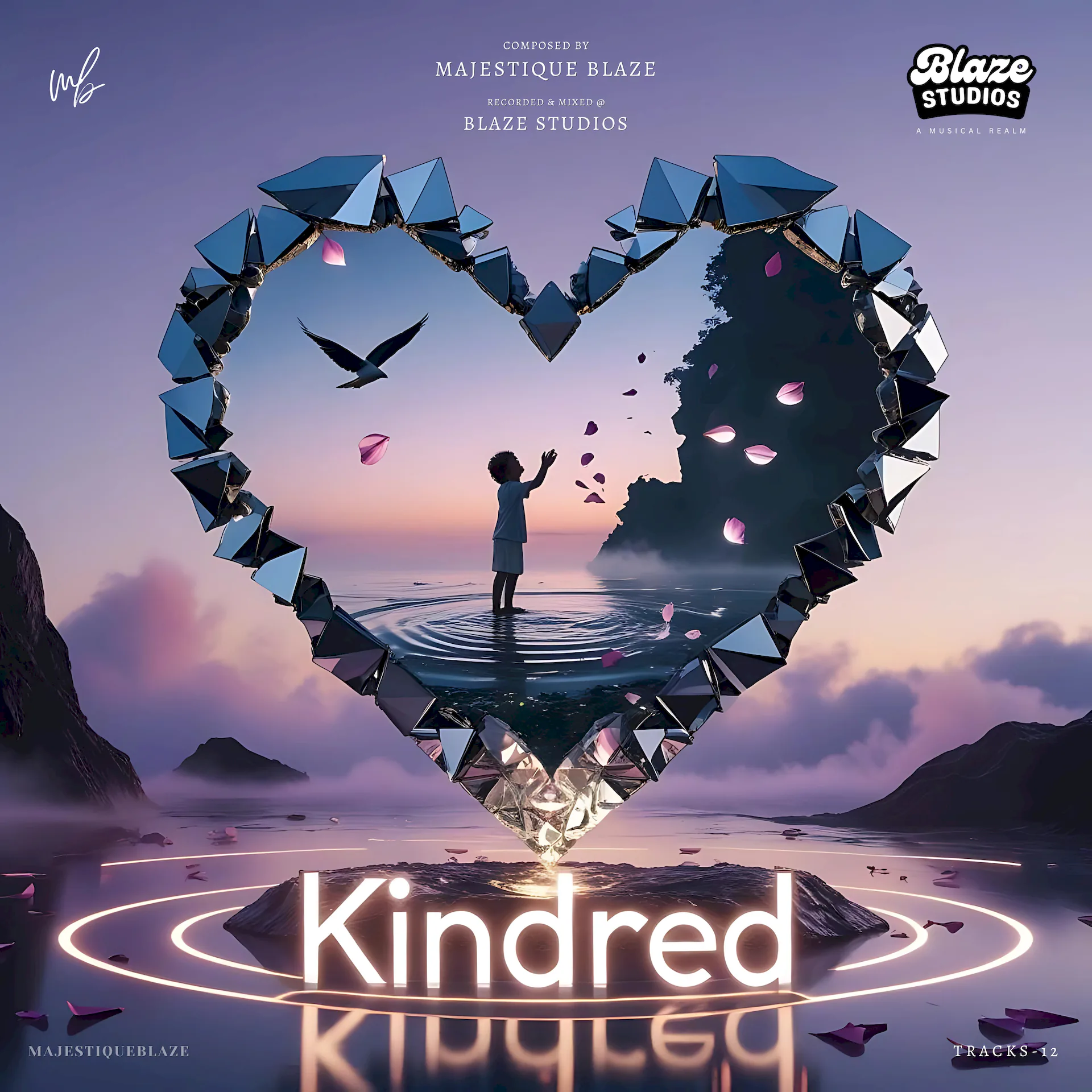
“Kindred” connects growth with kindness, truth, nature, self-respect, patience, and the quiet work of becoming a better human being.
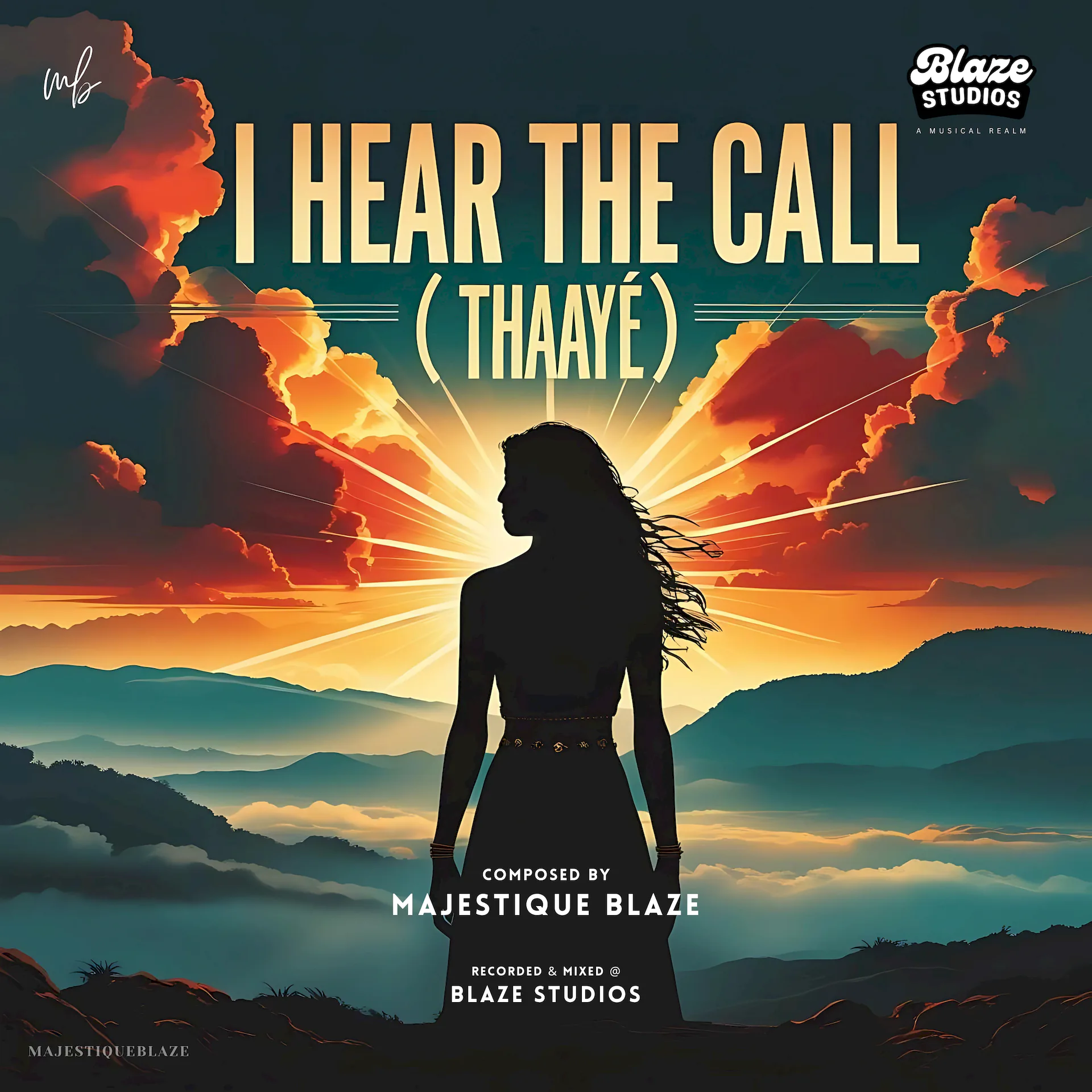
“I Hear the Call (Thaaye)” is carried by heritage treated as a living, moving thing, but its personality comes from details such as “I hear the wind, it speaks of grace” and “I hear the call, so pure, so wide.” Those images keep the track rooted in its own story.
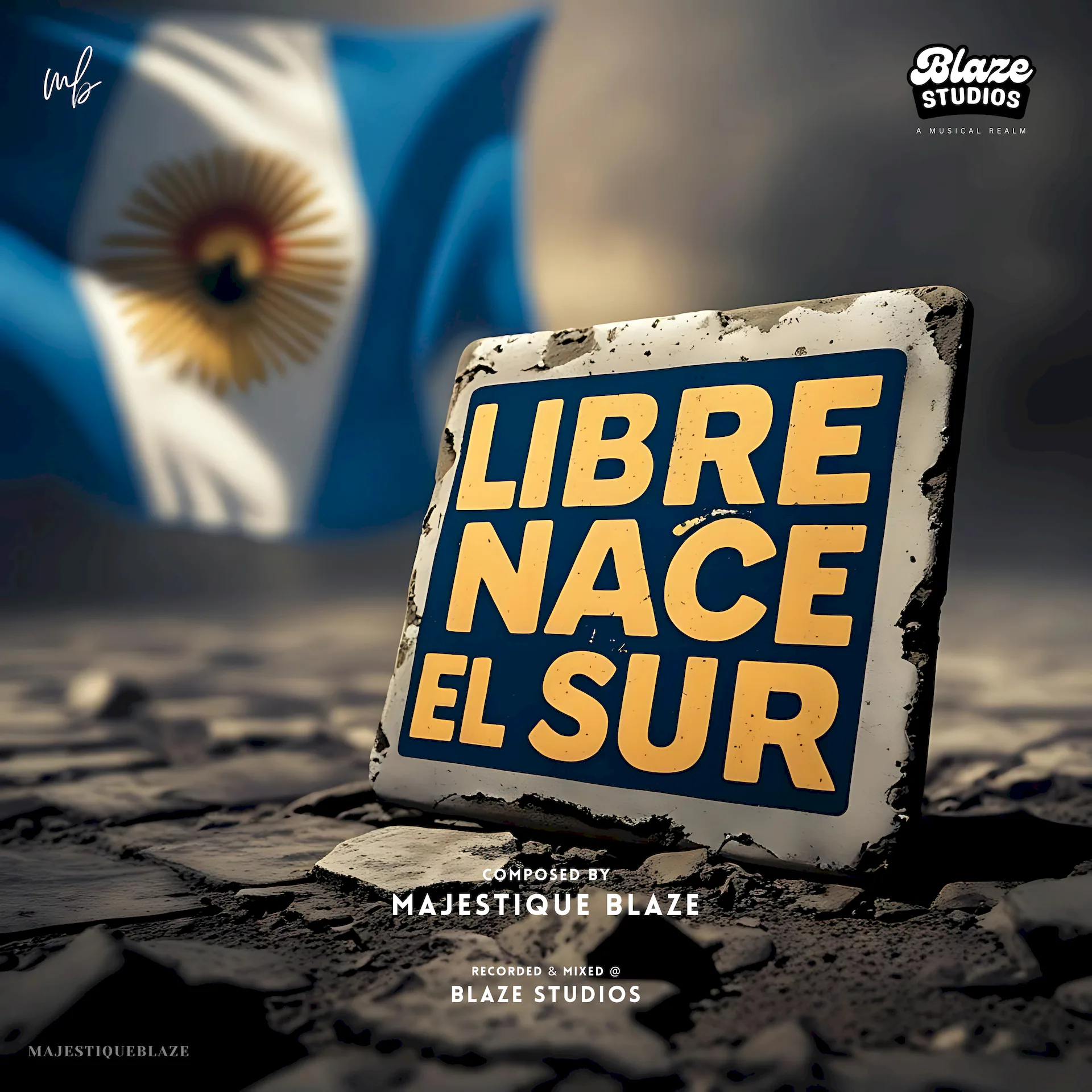
“Libre Nace El Sur (Happy iDay Argentina)” builds its lyric world from “Donde hubo cadenas, hoy hay voz” and keeps circling back to “Libre nace el Sur, con sangre en flor.” Together they shape a track filled with identity shaped by language, place, and shared history.
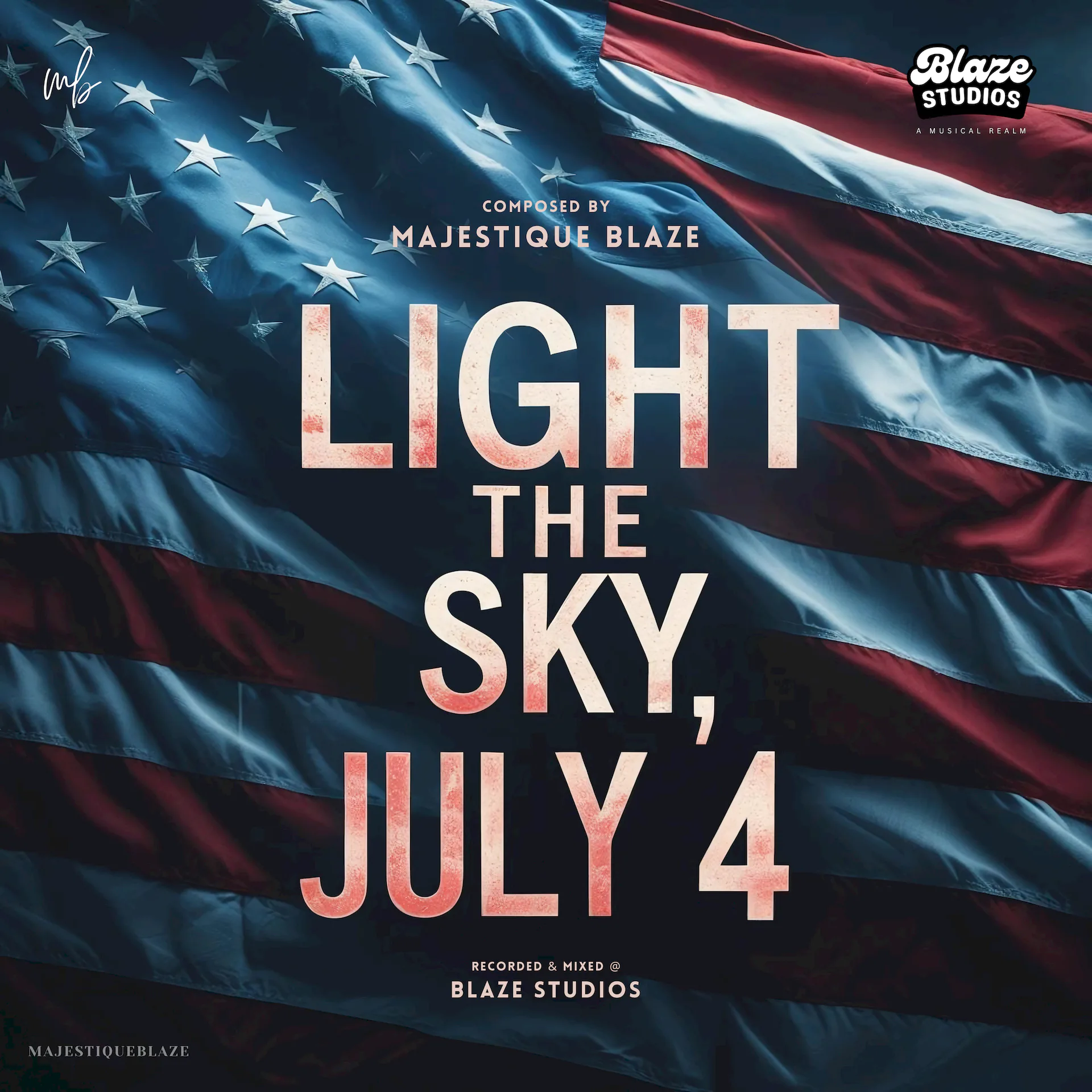
“Light the Sky, July 4 (Happy iDay USA)” begins with “Gospel Choir (A cappella + Snare Cadence)” and widens into a reflection on heritage treated as a living, moving thing. The chorus image “Thirteen stars and one proud name” keeps pulling the song back to its central feeling.
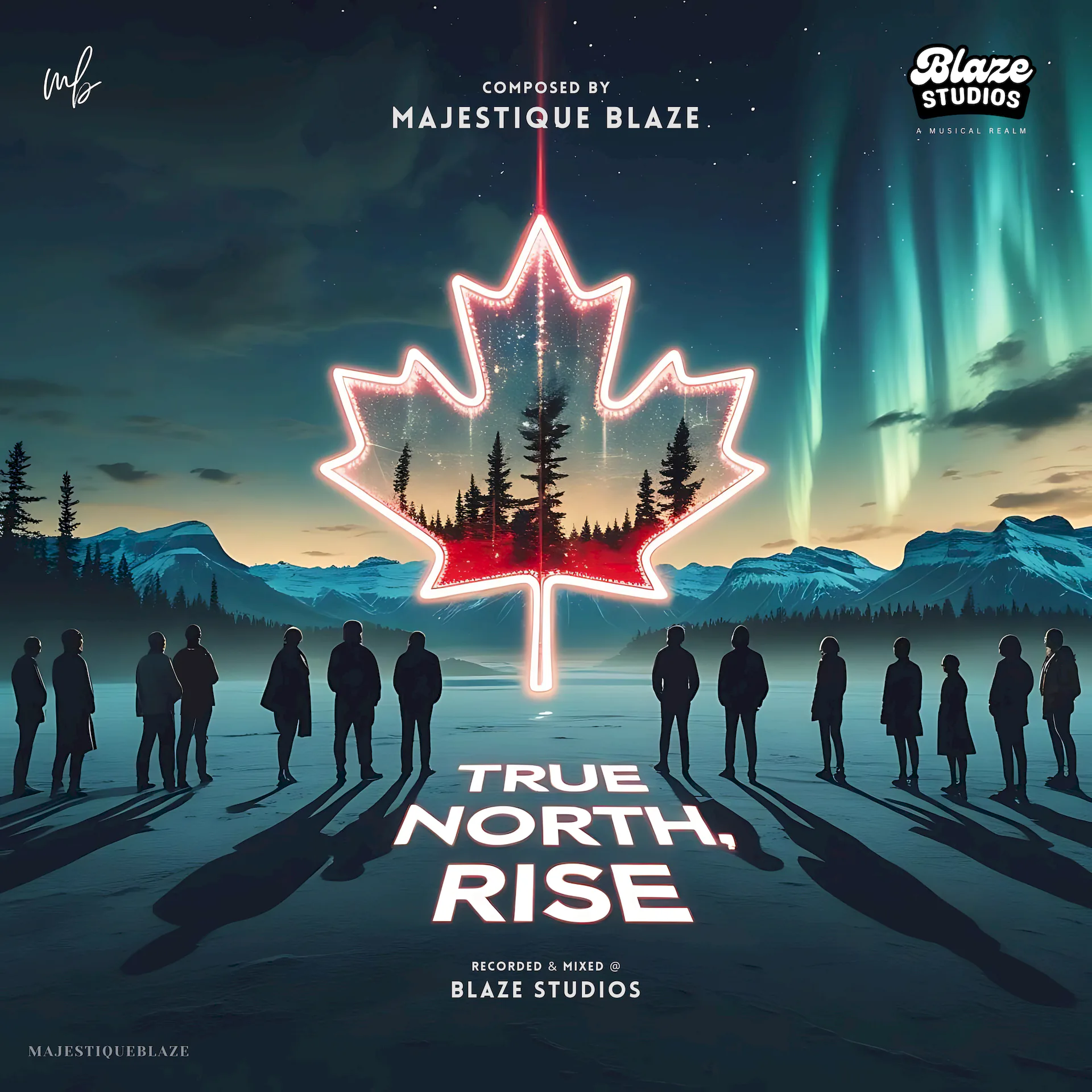
“True North, Rise (Happy Ind Canada)” begins with “We were many, yet stood as one” and widens into a reflection on forward motion and stubborn resilience. The chorus image “True North, rise in morning light, (light” keeps pulling the song back to its central feeling.
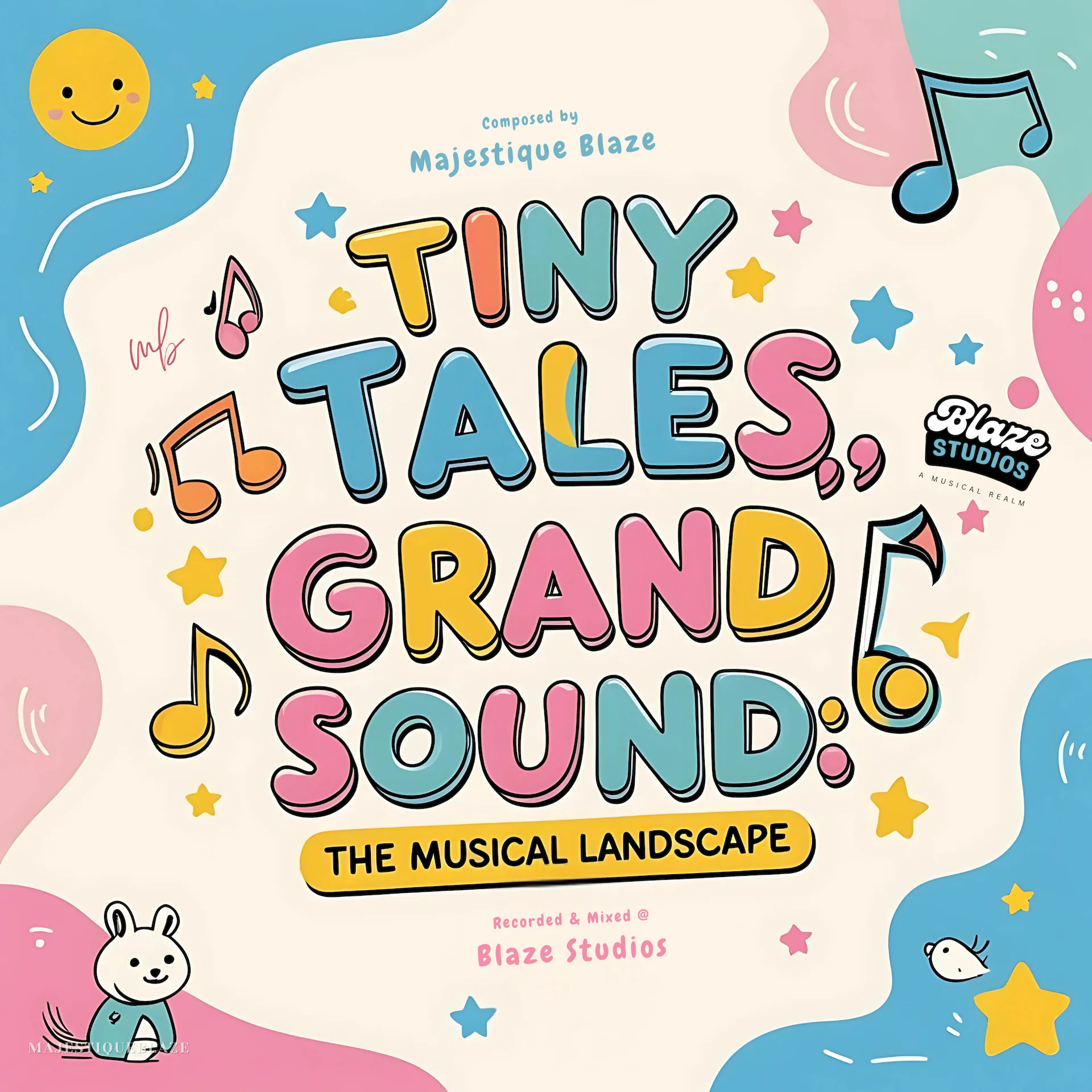
“Tiny Tales, Grand Sound” reimagines familiar nursery songs as a bright collection where repetition, play, movement, memory, and childhood simplicity take centre stage.
“In Every Breath” builds its lyric world from “soft breath in... breath out” and keeps circling back to “In every breath, the world is still.” Together they shape a track filled with a search for meaning beyond the visible.

“Slow, sacred. Like the moment before a prayer begins” gives “The Gift We All Hear (Happy Music Day)” its distinctive colour. Around that line, the song builds self-questioning and quiet clarity and lets “No border holds it. No name can bind” carry the final shift in perspective.
“One More Hug (Happy Fathers Day)” begins with “He tied my shoes, he held the seat” and widens into a reflection on the tenderness of home carried through people. The chorus image “One more hug, just one more time” keeps pulling the song back to its central feeling.
“Sa Liwanag Ng Araw (Happy Ind Day Philippines)” moves from “Sa bawat patak ng ulan” toward “Sa dugong kayumanggi,” tracing rootedness without isolation. Its strongest images keep the song grounded in a lived moment rather than a general message.
“Bloodline” frames closeness that survives time and change through the image “From the dirt, I rise – scars in my eyes.” When the lyric returns to “We came from the soil,” the feeling becomes less abstract and more immediate. Here, soil quietly carries the idea of work, rootedness, and a direct relationship with life.
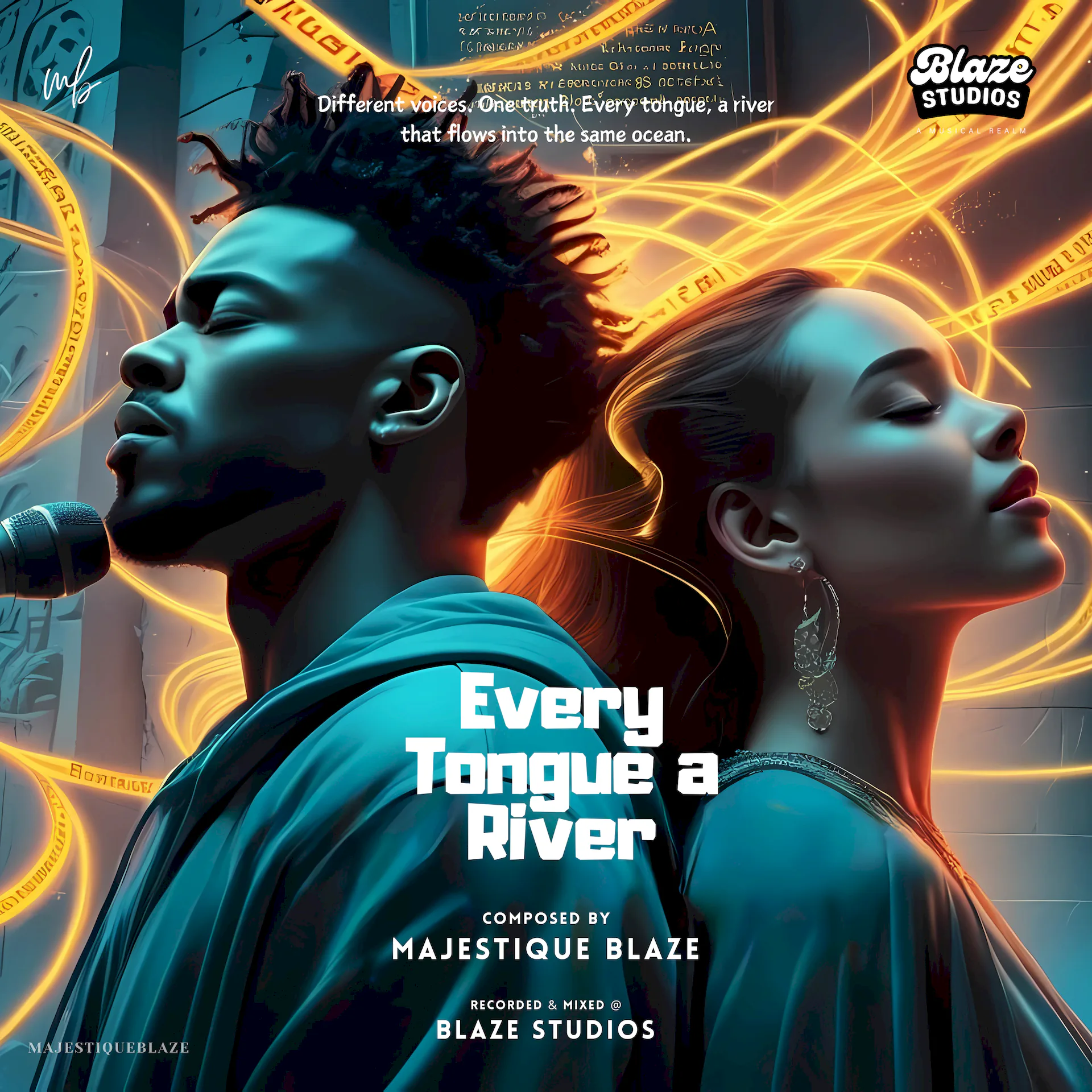
“Every Tongue A River” turns language into a living map of migration, memory, family, trade, pain, love, and history. Its hip-hop argument is simple but expansive: no language sits above another; every tongue is a river shaped by the people who carried it forward.
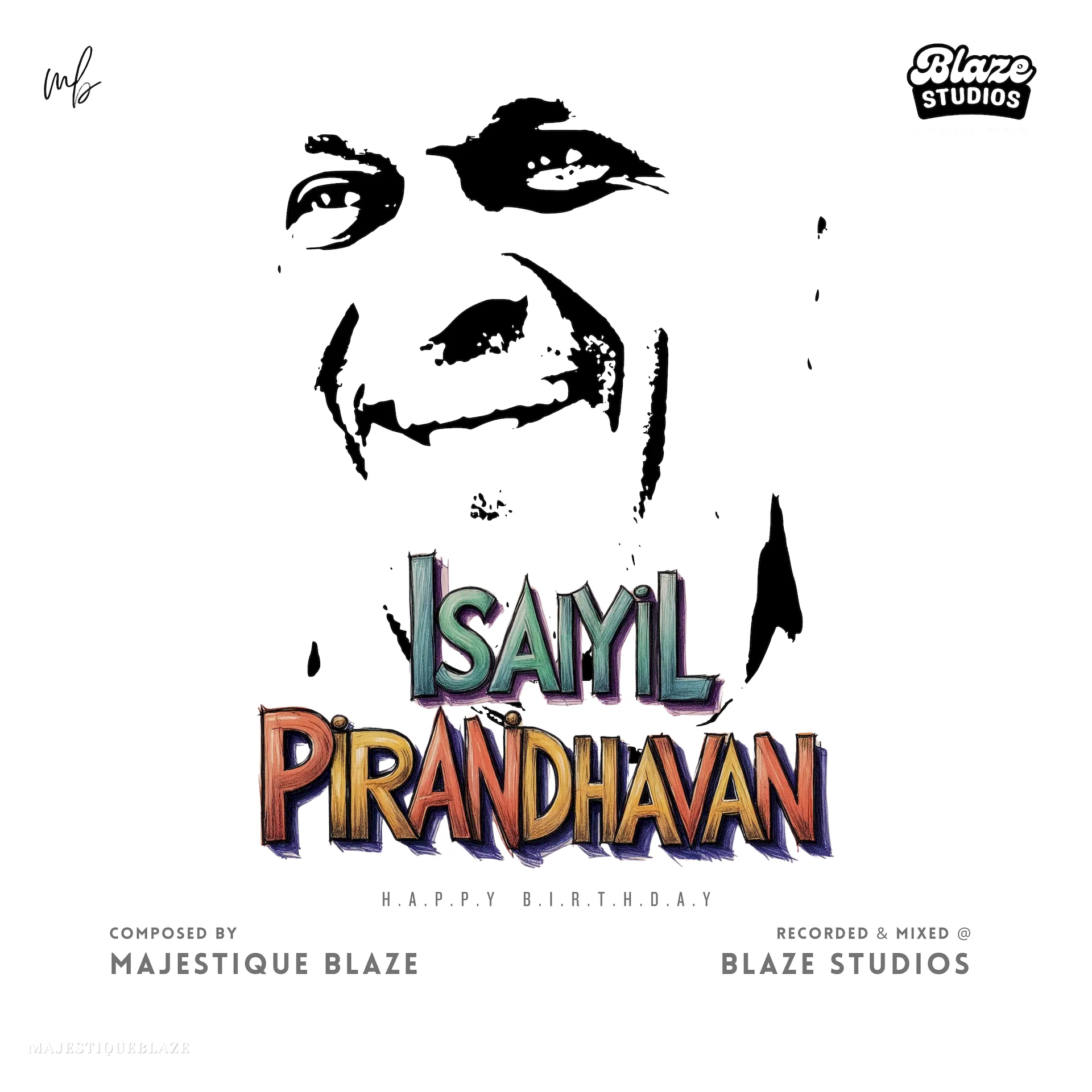
“Isaiyil Pirandhavan” is a Tamil musical salute to Ilaiyaraaja, portraying him not simply as someone who writes music but as someone who seems to have been born inside it. Breeze, rain, silence, melody, divinity, and breath all become ways of describing the scale of his presence in the listener’s emotional world.
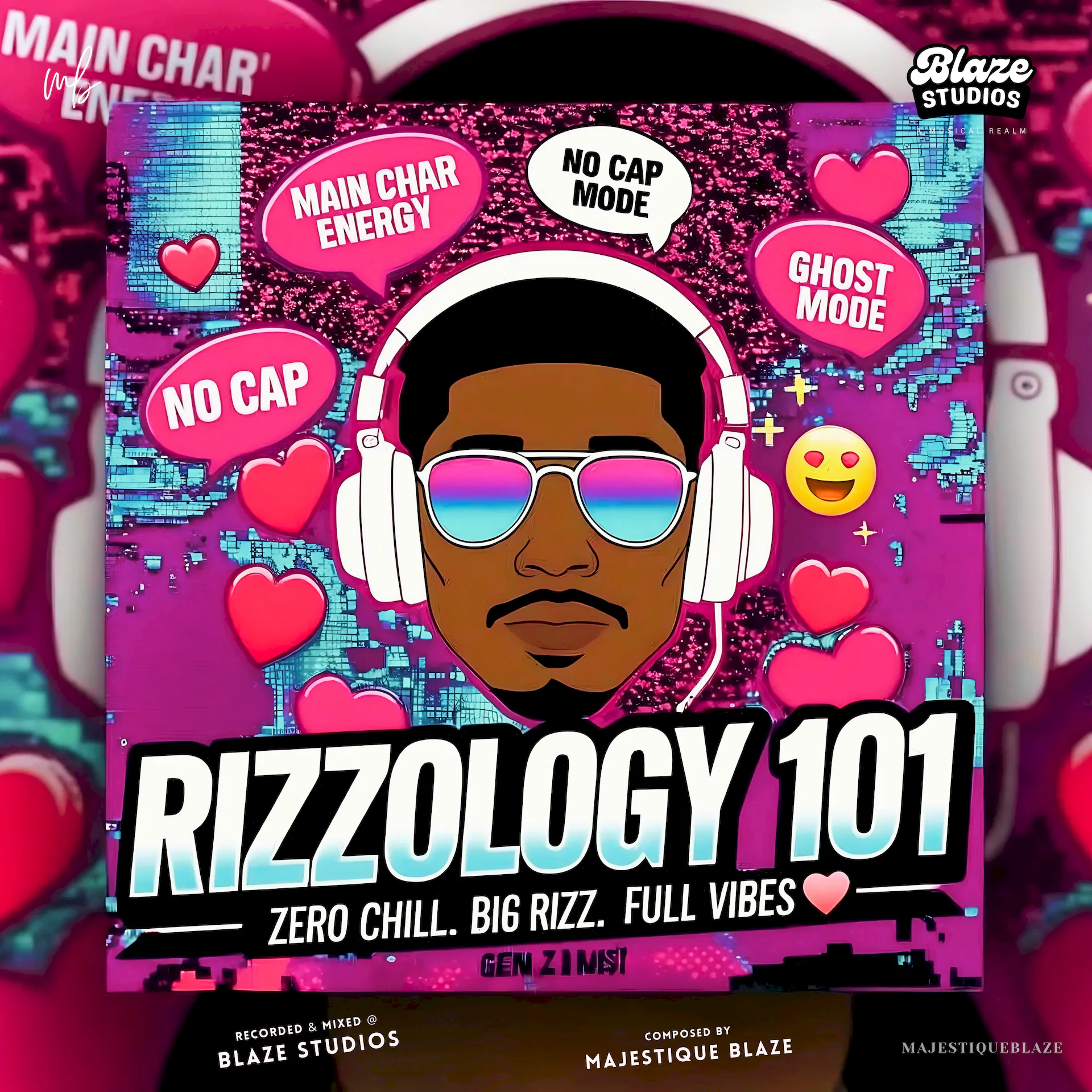
“Rizzology 101” captures the slang, confidence, awkwardness, humour, attraction, and digital rituals of modern flirting with a deliberately playful swagger.

“The sun would never rise, if you weren't here beside me” sets the emotional doorway for “Only You, My Forever,” where the vulnerable joy of choosing another person gradually takes shape. The recurring pull of “Only you, my forever, my light through every weather” gives the song its clearest emotional centre.
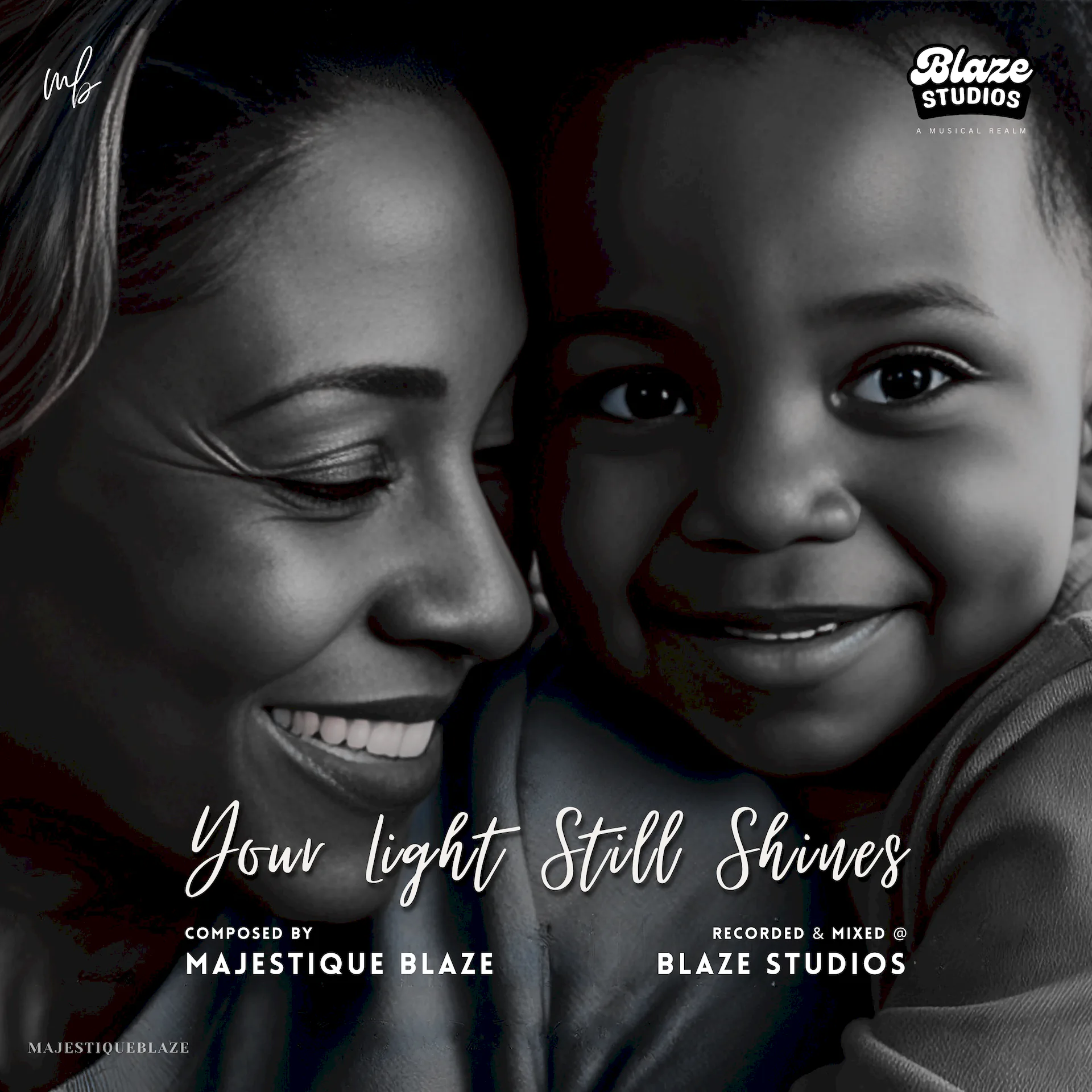
“Your Light Still Shines (Mama's day Spl.)” moves from “I still feel you, Mama” toward “Your light still shines… (oh Mama…,” tracing the excitement of two lives drawing closer. Its strongest images keep the song grounded in a lived moment rather than a general message. Here, light quietly carries the idea of clarity, hope, or the nearness of something sacred.
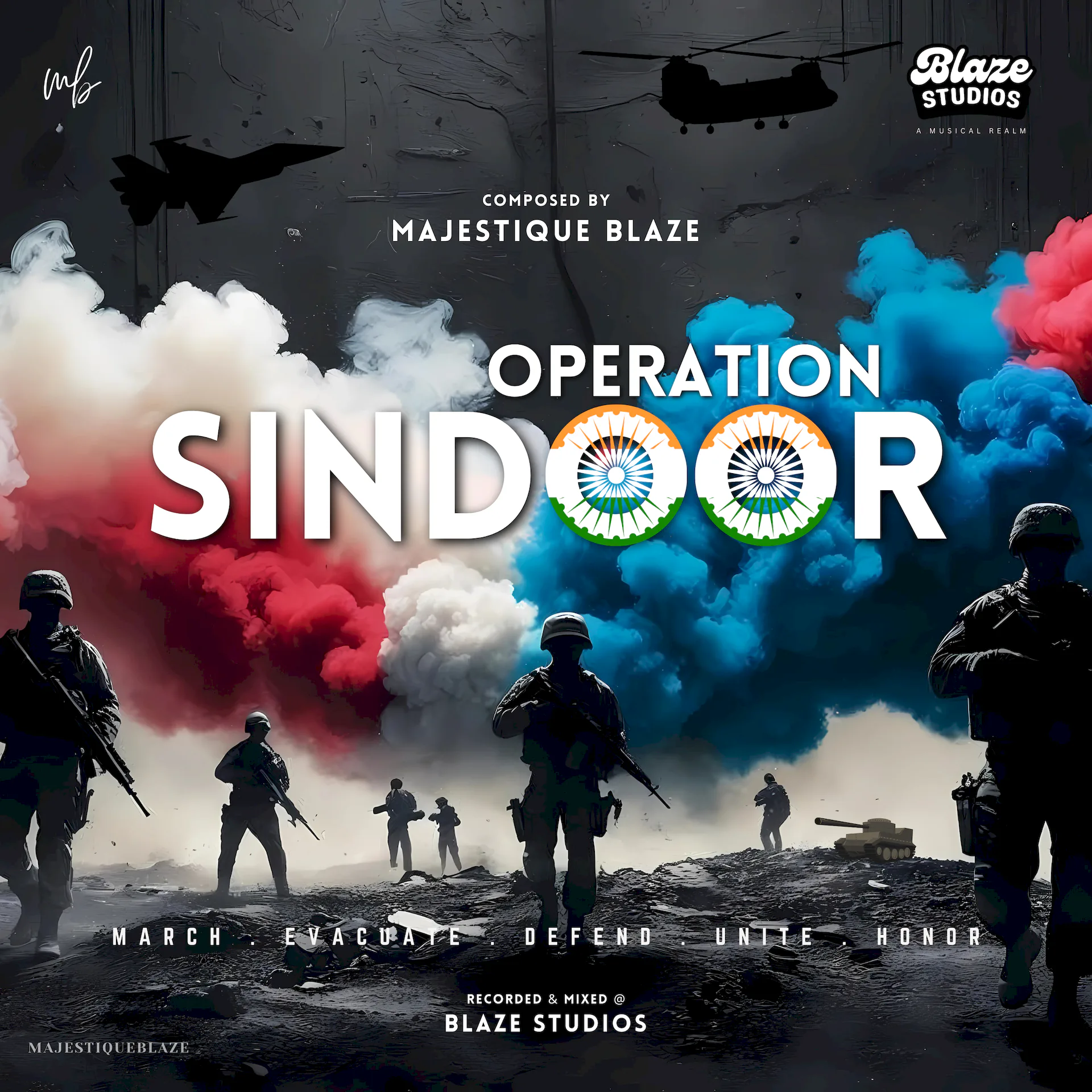
“Operation Sindoor (Jai Hind)” refuses to remain only a mood piece; “Patriotic Hip-Hop Anthem – Ongoing Mission Tribute” gives the feeling a place to live, and the song develops heritage treated as a living, moving thing from there. Here, fire quietly carries the idea of conviction, transformation, or a force that cannot stay hidden.

“Workers' Power” places the emotional lift of reclaiming agency inside a recognizable scene: “Percussive claps & stomps, deep humming harmonies.” Its later turn toward “Music softens to deep hums & layered harmonies” adds a second emotional layer.
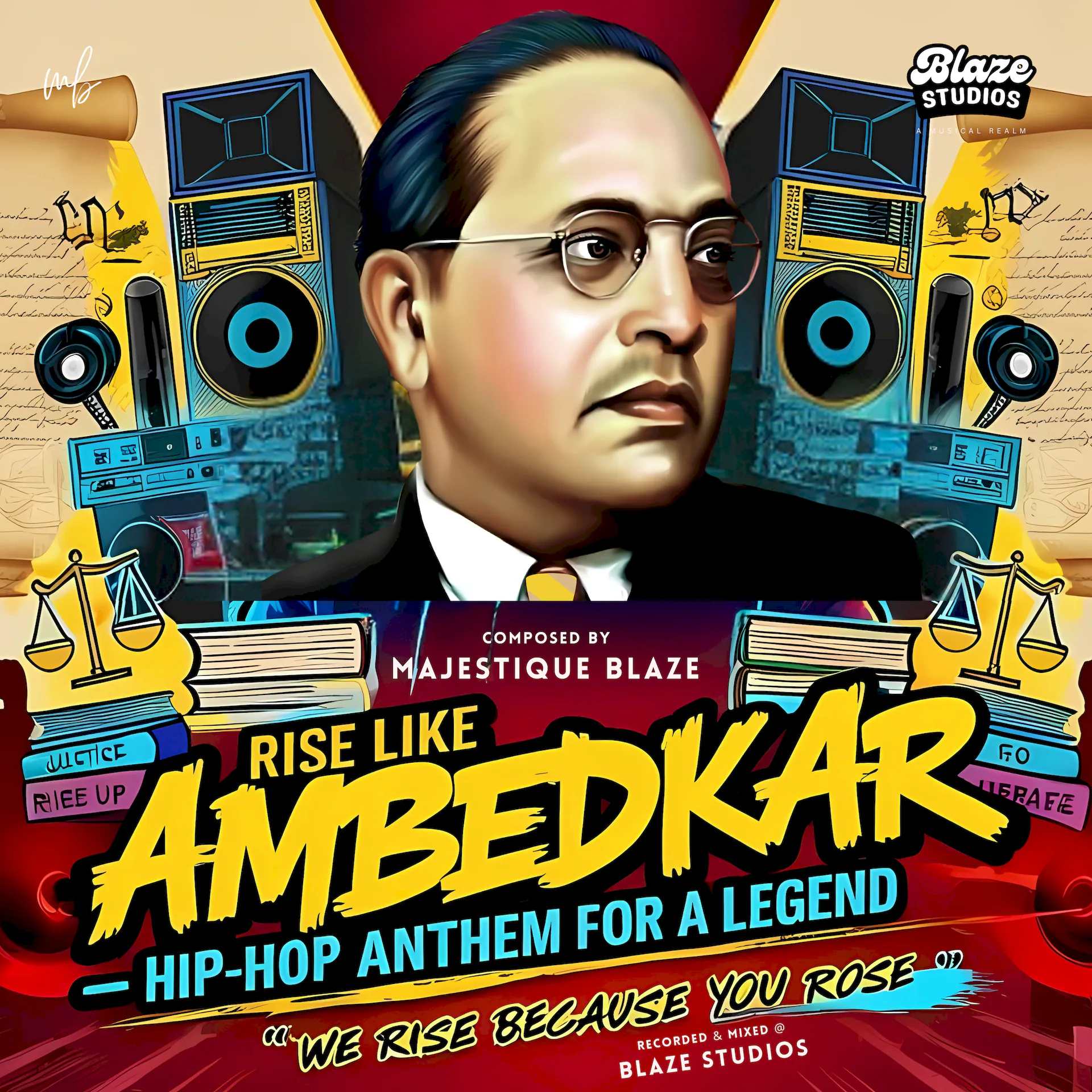
“Rise Like Ambedkar” builds its emotional architecture around “Yo, this one's for the legend, the visionary” before opening further through “Rise, like Ambedkar, tall and proud.” What it carries is confidence built from action rather than applause.
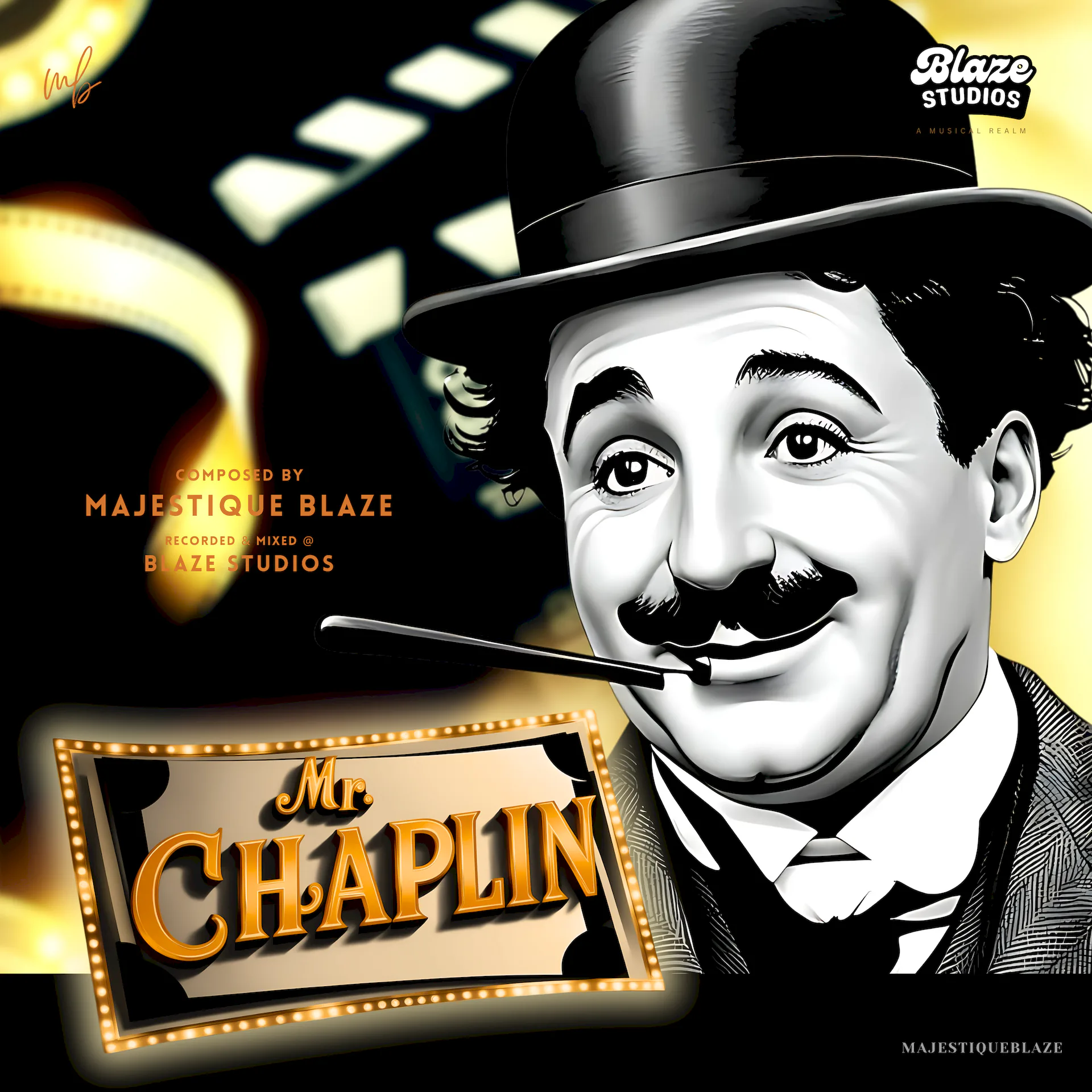
“Mr. Chaplin” uses “A tribute to Charlie Chaplin's legacy & timeless impact” as a small scene with larger weight, opening into the intimacy of speaking to something larger than oneself. The lyric’s return to “Laugh, love, dance through the days” gives that idea a memorable centre.
“The Armour of Thoughts V.01” treats ideas as protection, provocation, and responsibility, confronting greed, silence, love, truth, memory, and the beliefs we carry into the world.
“Be Like Water” avoids announcing its theme outright; instead, “Waves don't fight the shore, they simply glide” and “Every twist, every bend, I move with grace” reveal the emotional lift of reclaiming agency. The result feels specific, visual, and emotionally close. Here, river quietly carries the idea of continuity, movement, and histories that refuse to be contained.
“Holi Hai Bhai” places movement, colour, and communal release inside a recognizable scene: “Rangon ka jadoo, dhol ki taan.” Its later turn toward “Rang le aaya, pyaar ka geet” adds a second emotional layer.
“Queens Shine (Happy Womens Day)” avoids announcing its theme outright; instead, “She walks, the world takes note” and “Queens shine, light up the way” reveal forward motion and stubborn resilience. The result feels specific, visual, and emotionally close.

“Ghana Rise (Happy iDay Ghana)” avoids announcing its theme outright; instead, “From the Gold Coast to the land of the free” and “O Ghana rise, let the voices sing” reveal place, language, and identity carried with affection. The result feels specific, visual, and emotionally close.
“Om Namah Shivaya” turns the line “O Lord, perform the sacred dance” into a lens for devotion and inward stillness. By the time it reaches “You are the medicine for the dawn,” the song has widened that feeling into a fuller perspective.
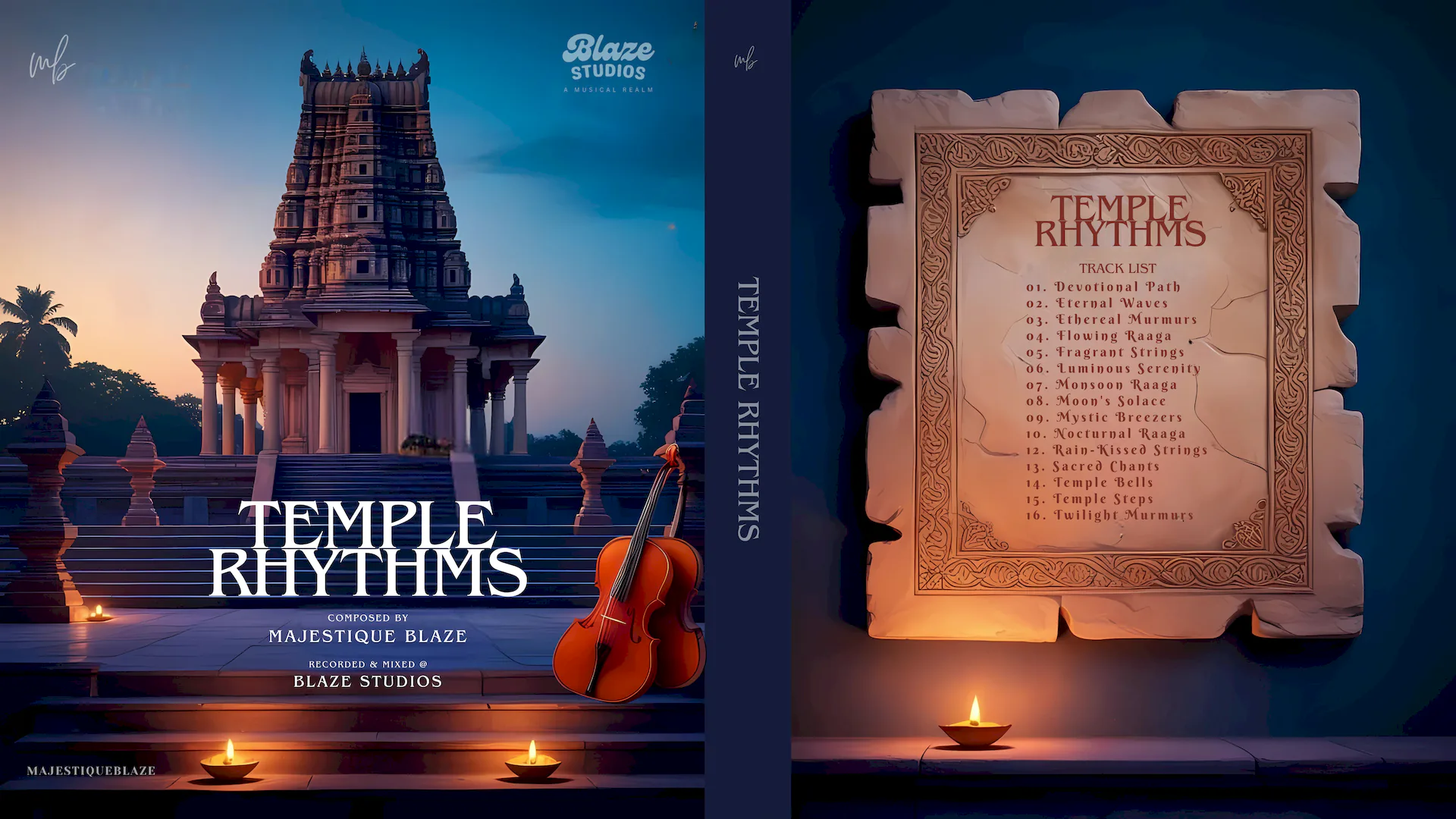
“Temple Rhythms” is a wordless devotional landscape where bells, raagas, jasmine, rain, twilight, and sacred movement become instruments of atmosphere.
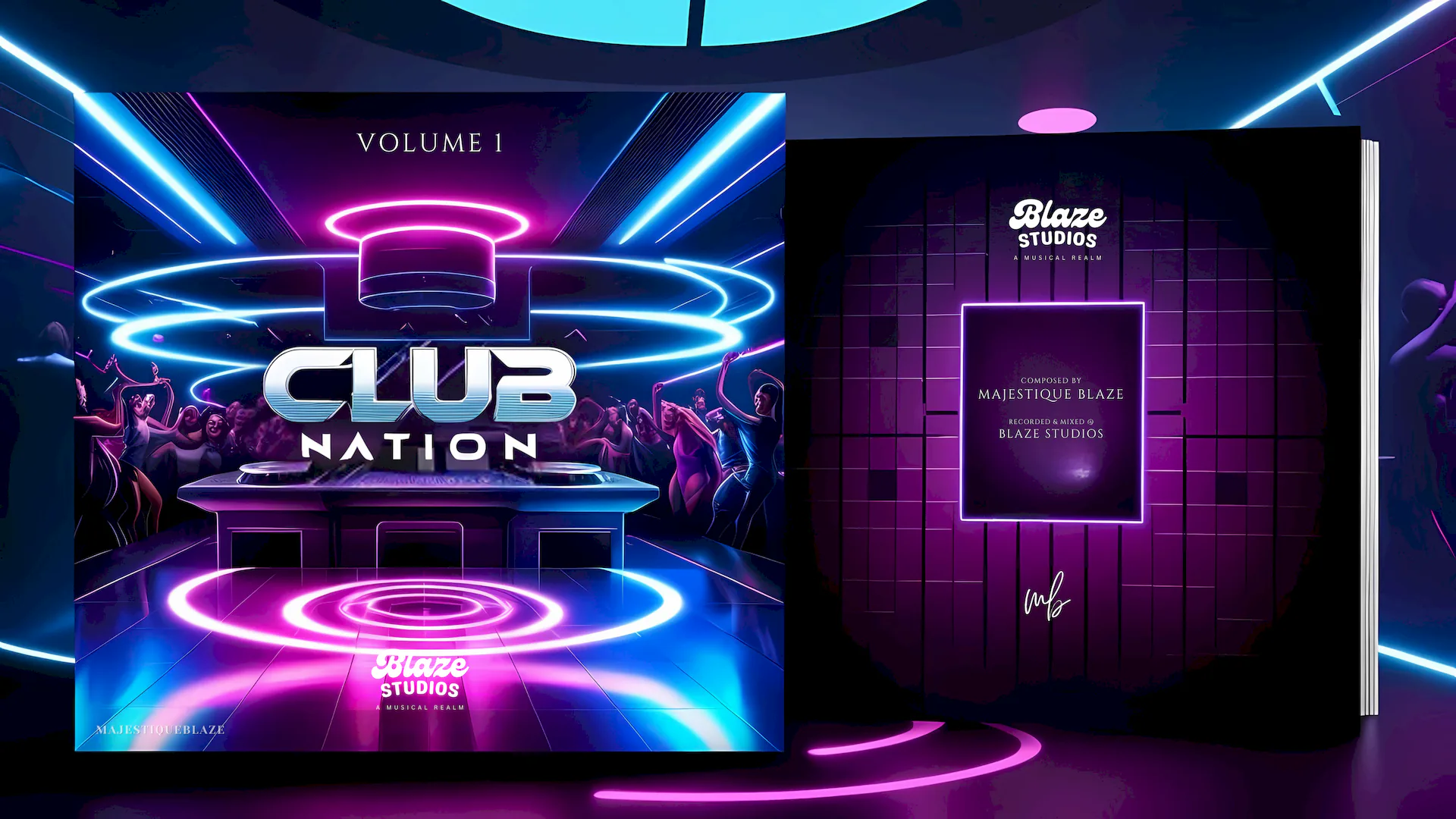
“Club Nation” is a thirty-track instrumental club world built for continuous motion, shifting between techno pressure, house glow, bass weight, and after-dark release.

“Never the Same” lives inside contemporary romance—texts, attraction, distance, reassurance, chemistry, and the small digital-age moments that change a relationship.
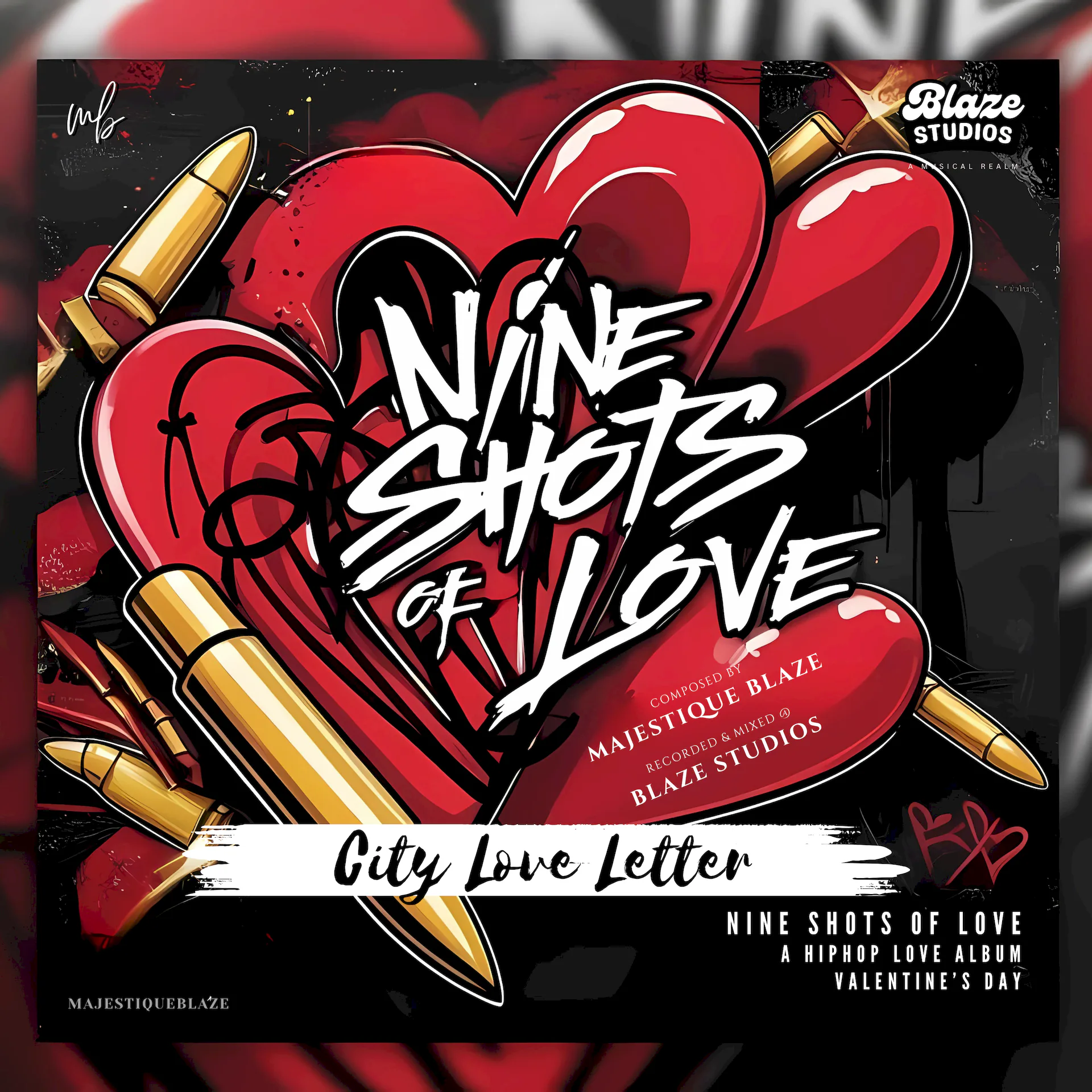
“Nine Shots of Love” treats romance as a series of distinct snapshots, each track capturing a different texture of attraction, devotion, memory, or desire.
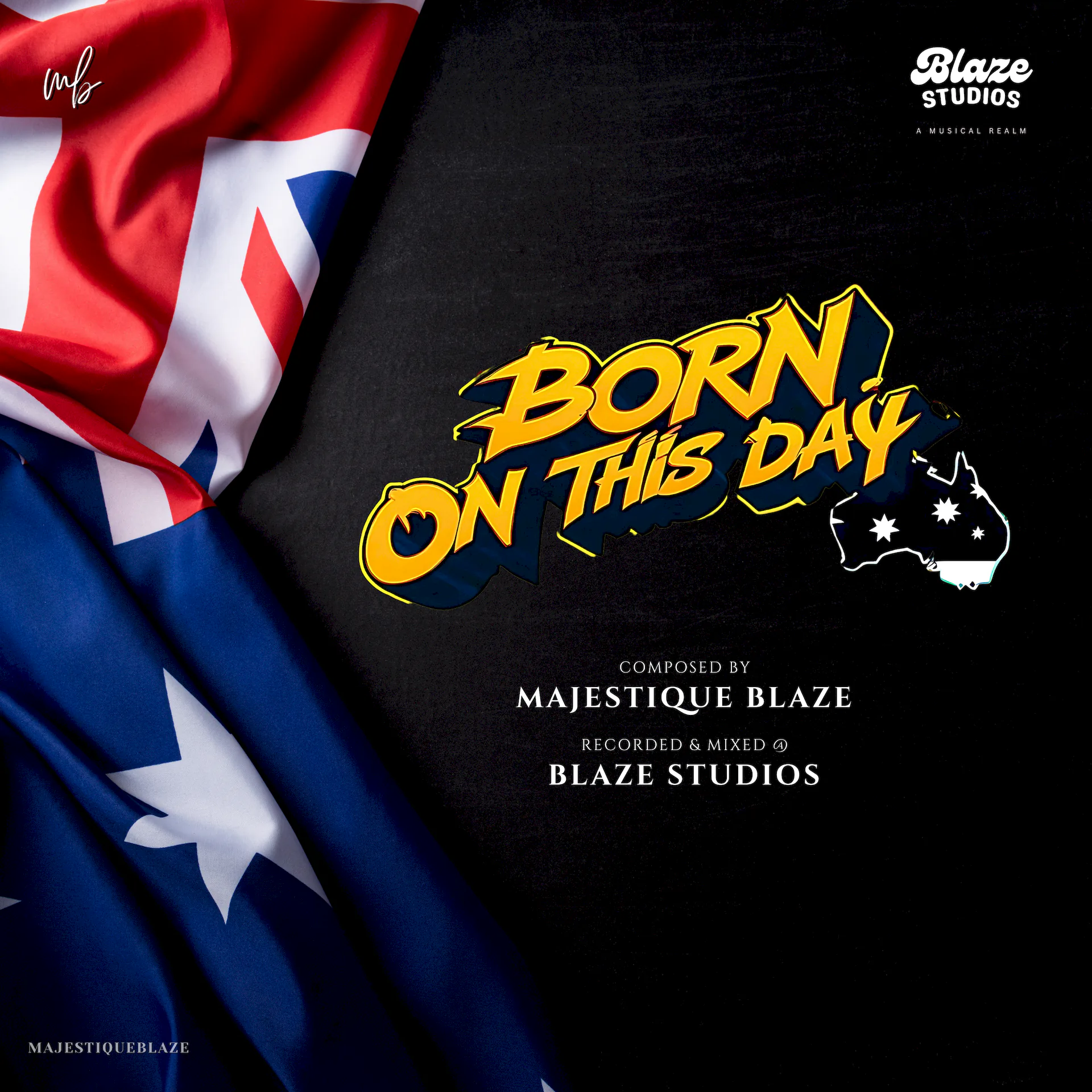
“Born On This Day (Happy iDay Australia)” begins with “Yo, it's the 26th, history on blast” and widens into a reflection on belonging expressed through cultural memory. The chorus image “Born on this day, we rise, we flex” keeps pulling the song back to its central feeling.
“The Unsung Truths” gives space to thoughts people often avoid saying aloud, using song to confront uncomfortable realities without softening their edges.
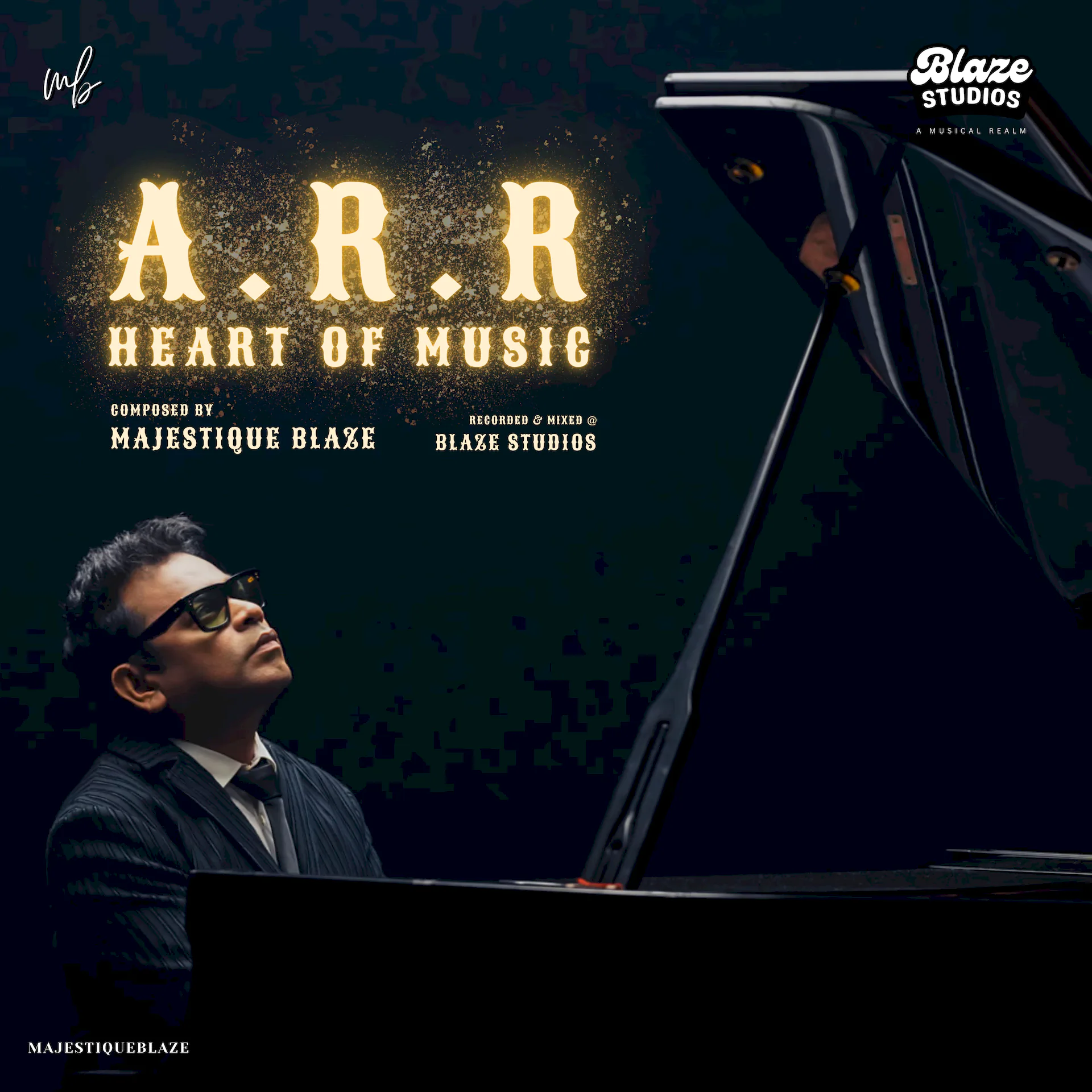
“A.R.R (Heart of Music)” places “In a world of sound, he leads the way” and “With notes that speak in every tongue” at two ends of the same journey. Between them, the track explores devotion expressed through ordinary moments with a strong sense of image and movement. Here, heart quietly carries the idea of emotional truth and vulnerability.

“Wish You A Happy New Year” makes “Drop the bass, let the night ignite” feel less like decoration and more like the key to festive energy with a playful heartbeat. “Wish you a happy new year, let's go” reinforces that idea without over-explaining it.
“Starts with Kids Humming” gives “Alphabets” its distinctive colour. Around that line, the song builds a deliberately light-footed kind of humour and lets “A-B-C, we've learned them all today” carry the final shift in perspective.
“Tribal Awakening” works as a wordless vignette with a percussive, bright, and body-conscious character. In the context of “Tribal Awakening,” its name supplies the scene’s first cue. The word “tribal” adds a further suggestion of collective pulse, rooted rhythm, and communal movement.
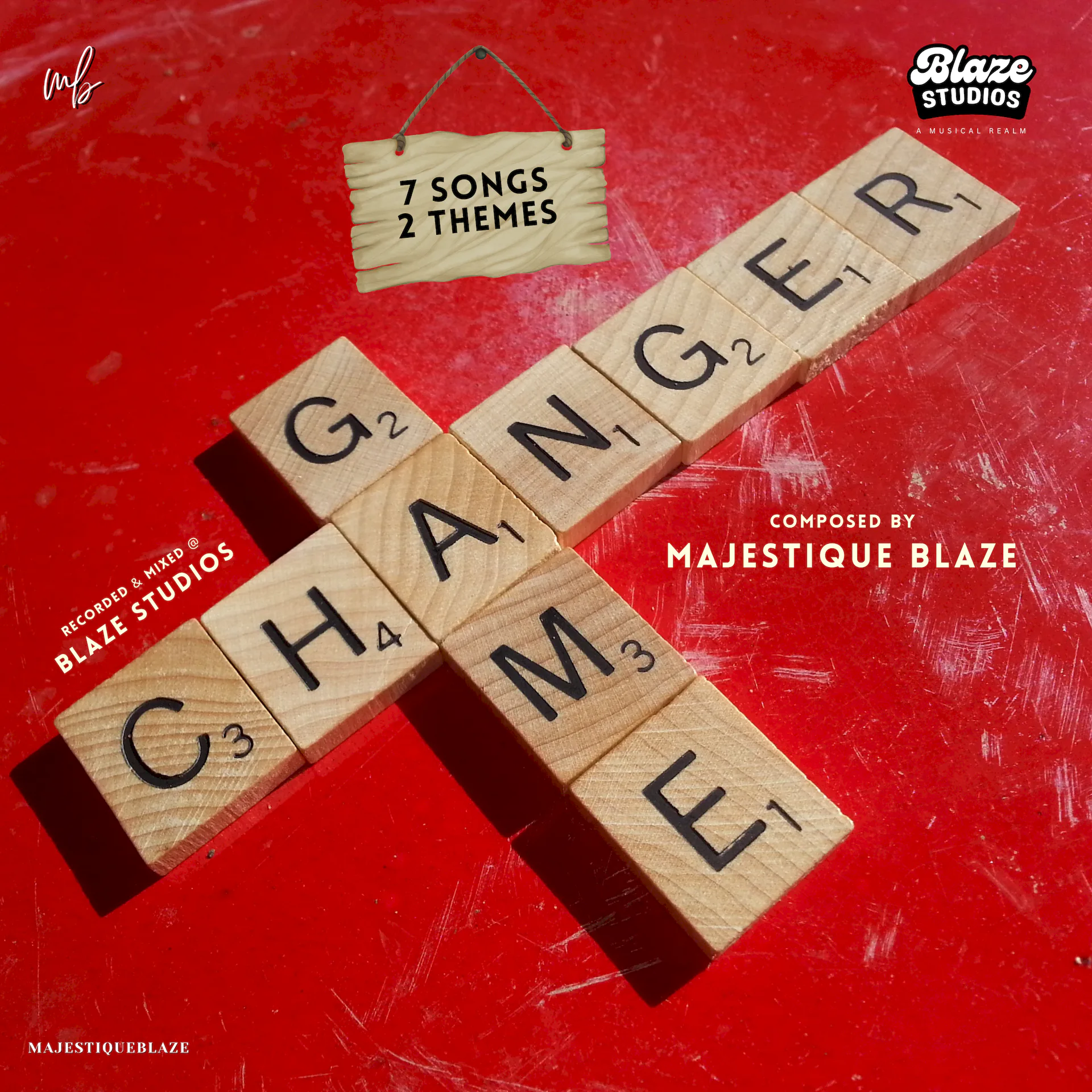
“Game Changer” runs on competitive confidence—the mindset of entering the arena, backing yourself, and refusing to play a smaller role.
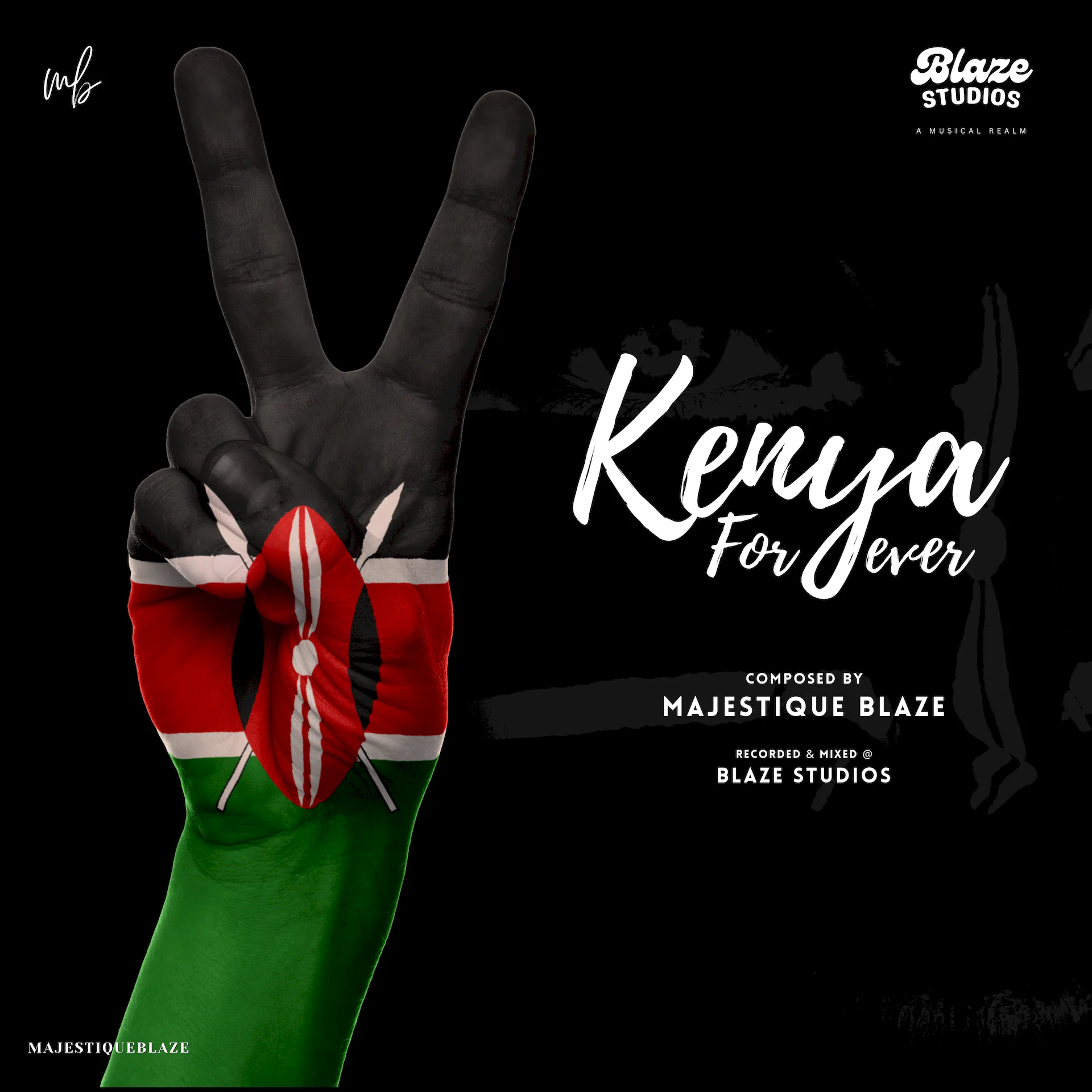
“Kenya Forever (Happy iDay Kenya)” refuses to remain only a mood piece; “K-E-N-Y-A, the place to be” gives the feeling a place to live, and the song develops heritage treated as a living, moving thing from there. Here, night quietly carries the idea of uncertainty, intimacy, or a private world away from public noise.

“Glistening Snow” gathers Christmas warmth, winter wonder, family feeling, playfulness, and seasonal light into one festive collection.
“Playful” has no lyrics, but its name already suggests a direction. “Playful” turns that direction into something cheeky, energetic, and deliberately uncomplicated.
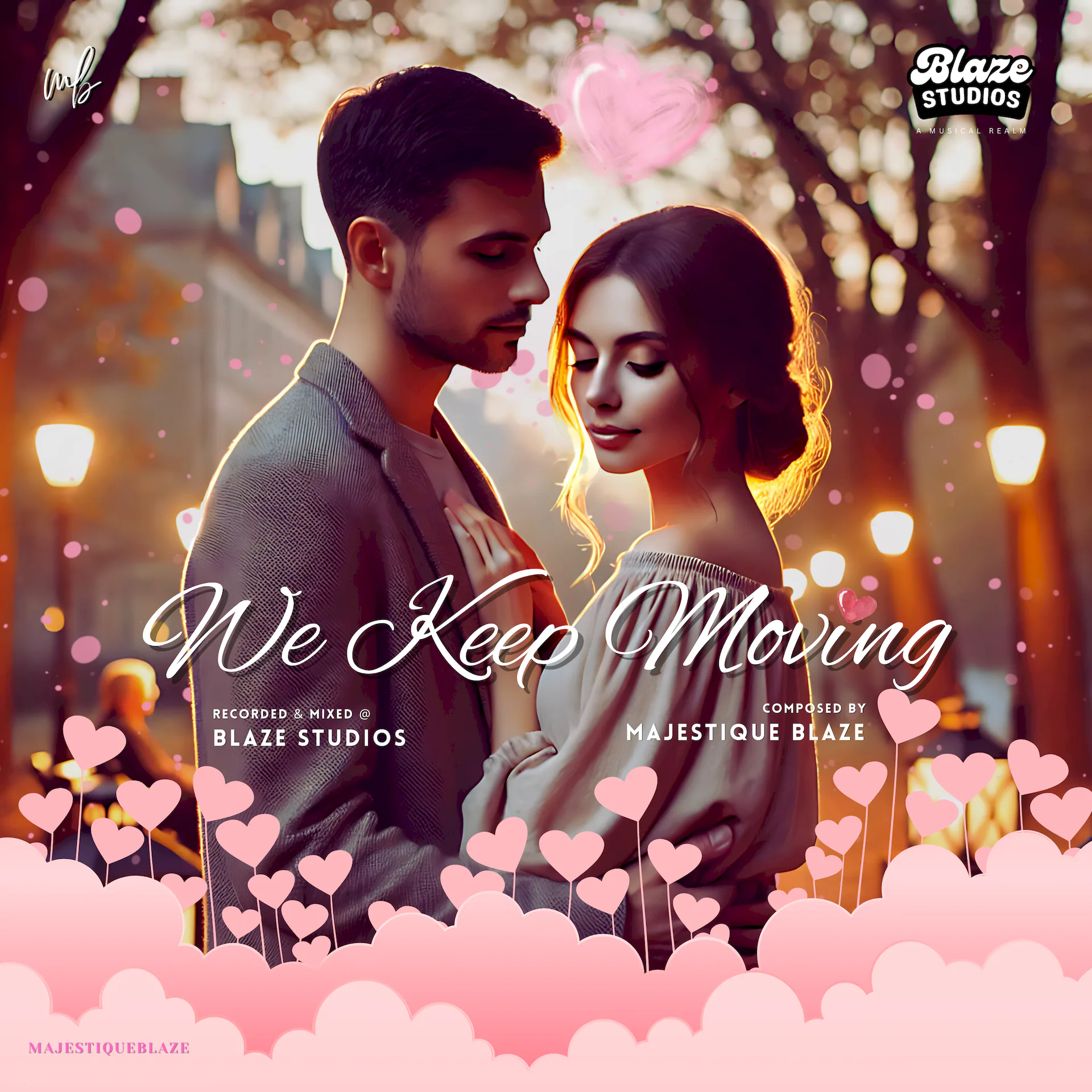
“We Keep Moving” builds its emotional architecture around “When I see you standing there” before opening further through “And we keep moving, heart to heart.” What it carries is devotion expressed through ordinary moments.
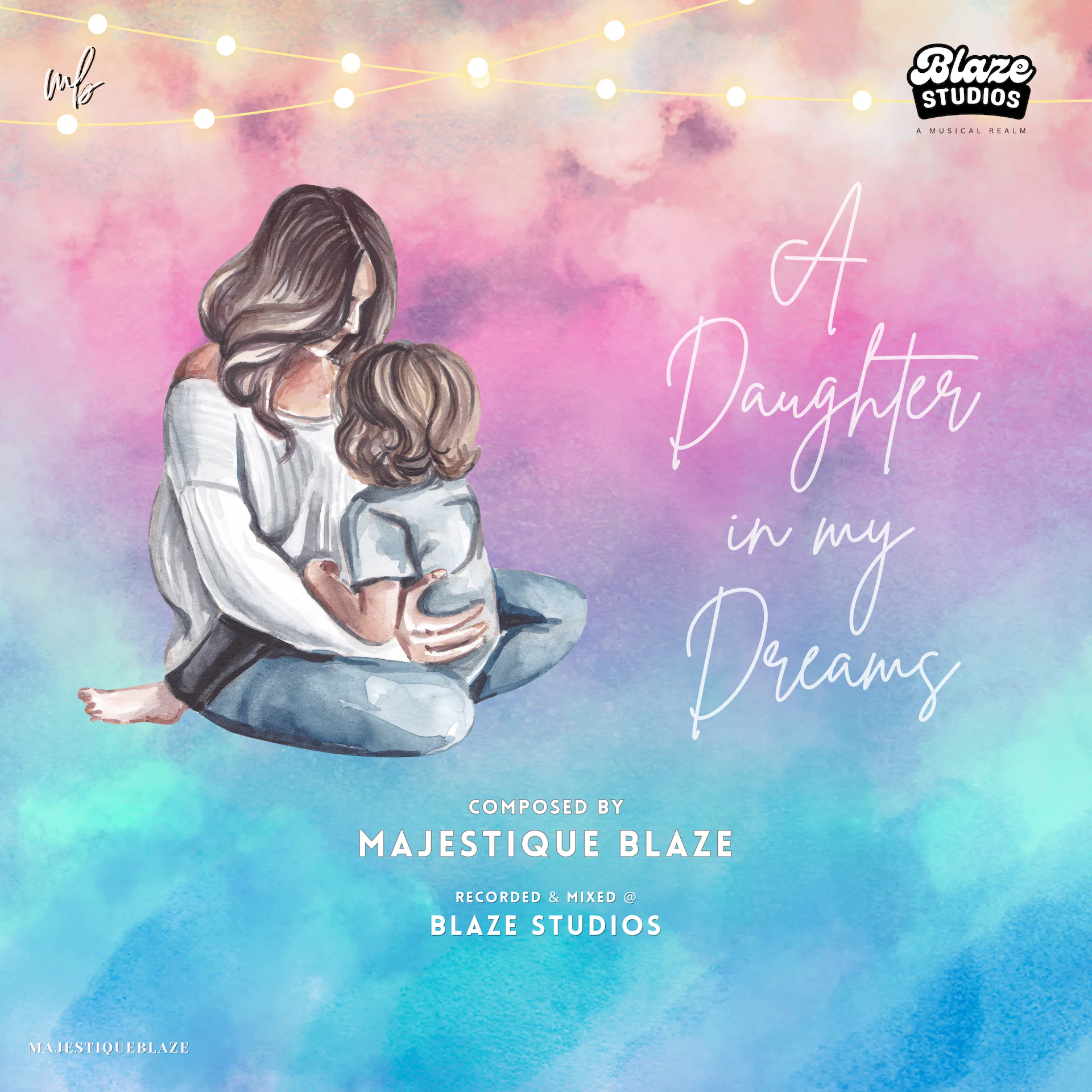
“I imagine her laughter filling my home” places “A Daughter In My Dreams” inside romantic warmth edged with longing. From there, “In dreams, she's the child I long to meet” acts like the song’s emotional hinge. Here, heart quietly carries the idea of emotional truth and vulnerability.
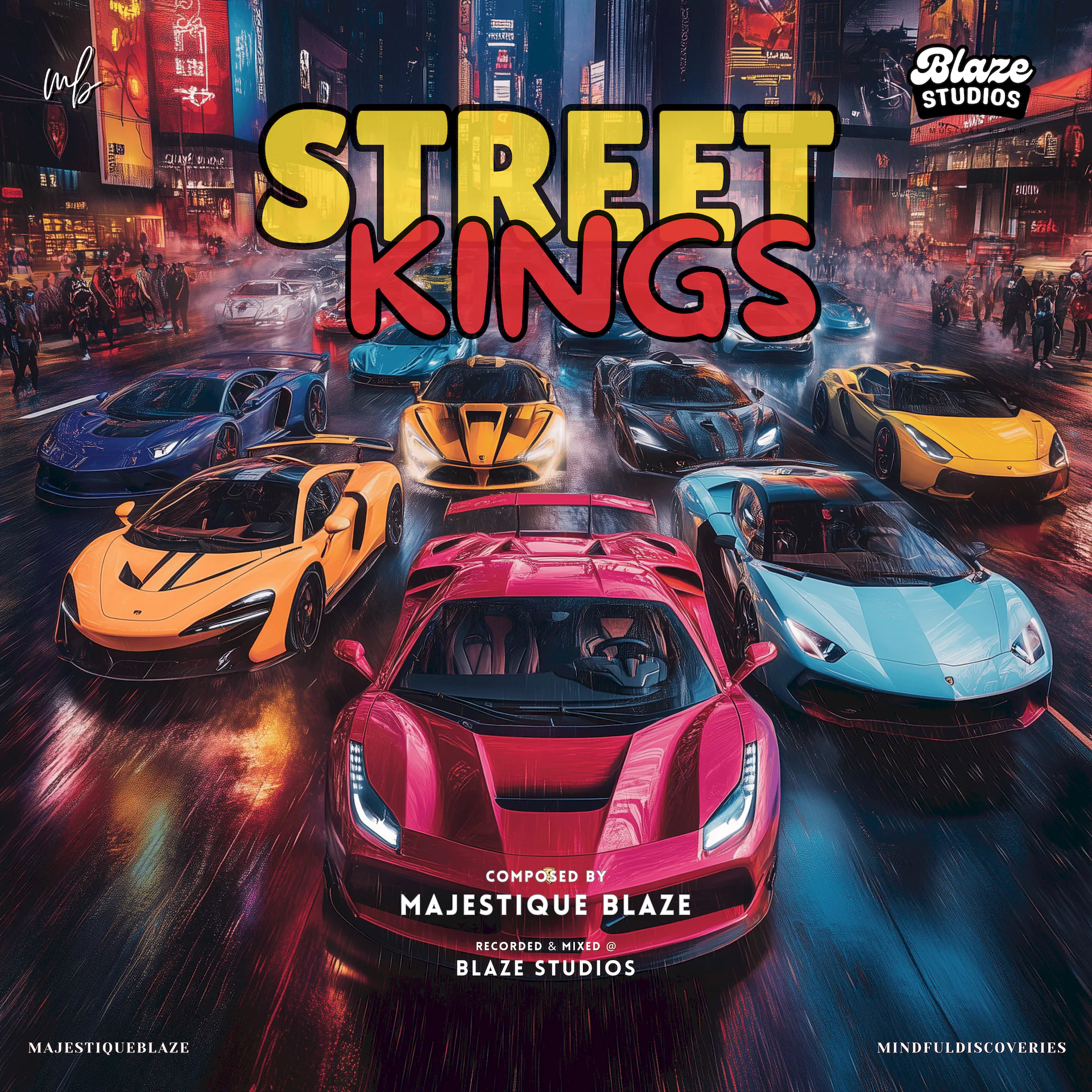
“Street Kings” makes “Start your engines, feel the rumble, hear that sound” feel less like decoration and more like the key to movement, colour, and communal release. “From the streets to the track, we're burnin' it down” reinforces that idea without over-explaining it.
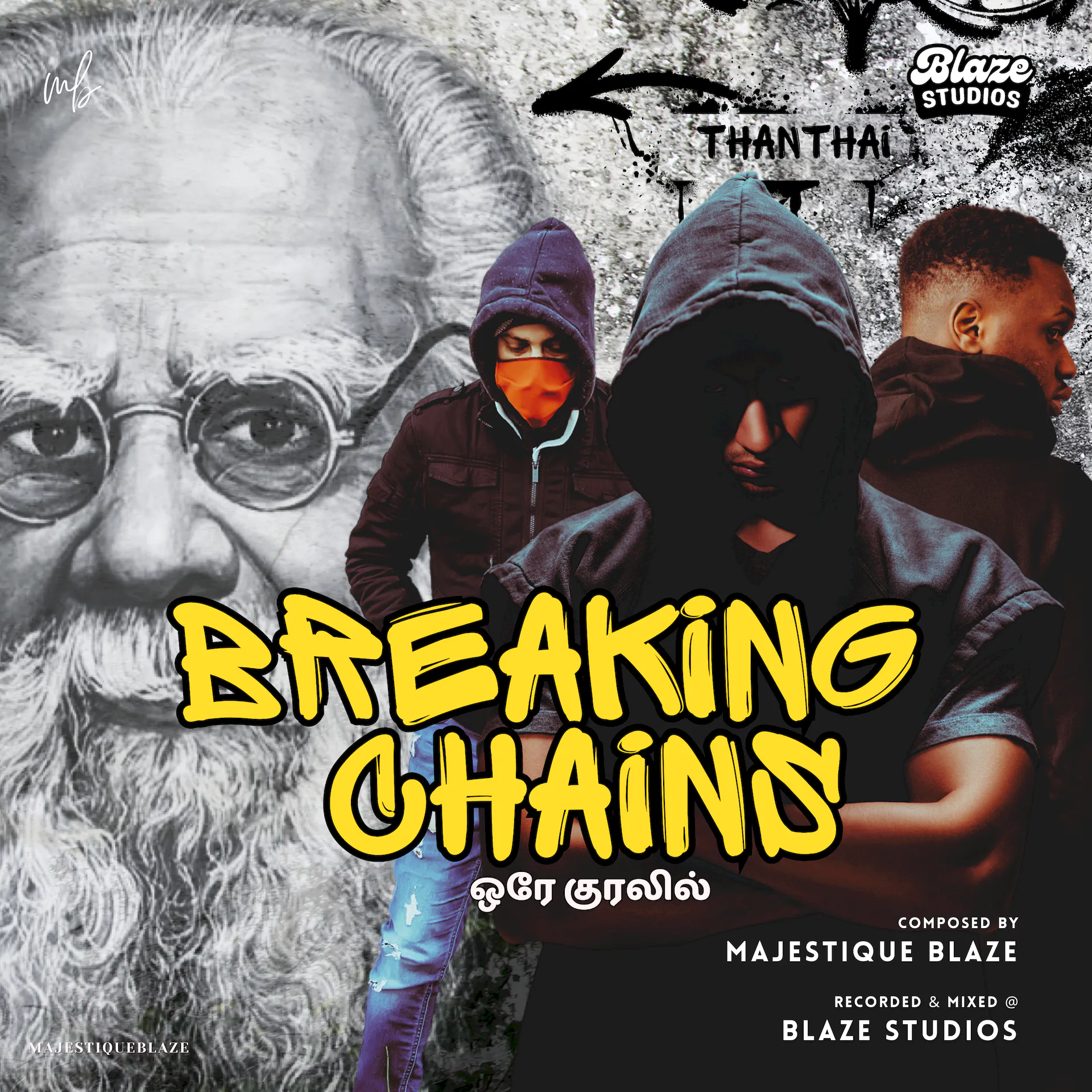
“Breaking Chains (Orey Kuralil)” avoids announcing its theme outright; instead, “Yo, Periyar's message, breaking through the night” and “Yo, நம்பிக்கை நம் இருதயத்தில்” reveal confidence built from action rather than applause. The result feels specific, visual, and emotionally close.

“Gear Up” takes its larger frame from “Gear Up,” while its own name supplies the specific image. The piece reads as cinematic and mood-led and deliberately open-ended.

“Its Halloween” turns the line “Creepin' through the streets, bats up in the sky” into a lens for pure celebratory momentum. By the time it reaches “Halloween forever, can't be beat,” the song has widened that feeling into a fuller perspective. Here, time quietly carries the idea of change, mortality, and the impossibility of holding a moment still.

“Woof, woof, bow-wow” places “Paws And Claws Showdown” inside the joy of turning a small situation into a big grin. From there, “La-la, bow-wow, we're the stars of the show” acts like the song’s emotional hinge.
“Colors Of Wonder” begins with “Heavenly Dreamy Intro” and widens into a reflection on the tension between identity and expectation. The chorus image “Colors of wonder, not what they seem” keeps pulling the song back to its central feeling.
“Grit & Glory (Theme Music)” suggests a large-scale, charged, and cinematic scene before the music is even described. With no lyrics to fix the narrative, its name becomes the first camera angle.
“Deep as the ocean, I feel you near” sets the emotional doorway for “Dance in the Silence,” where a soft, almost cinematic sense of belonging gradually takes shape. The recurring pull of “We dance in the silence, hearts intertwined” gives the song its clearest emotional centre.

“Save The Children” builds its emotional contrast between “In the shadows, where the light fades away” and “Oh, the dreams that they hold inside,” carrying the human cost hidden behind systems and slogans. The song lets its images do most of the explaining.
“Mission Begins” suggests a suspenseful and tightly framed scene before the music is even described. With no lyrics to fix the narrative, its name becomes the first camera angle.
“Fury In Strings” is built as atmosphere with a strong visual cue. Within “Fury In Strings,” it lands as a intense, rising, and impact-driven scene rather than a song-shaped narrative.
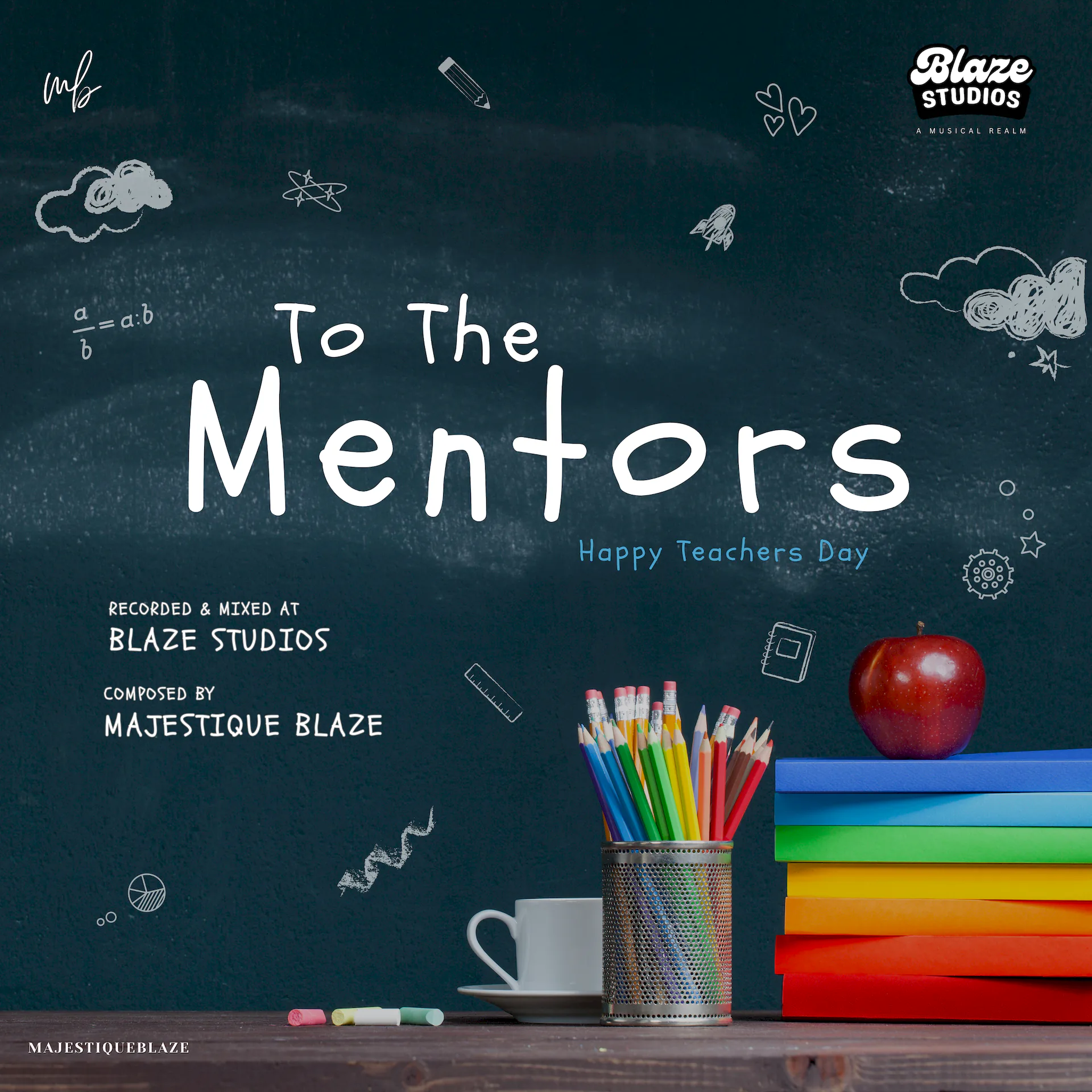
“To The Mentors” balances the tenderness of home carried through people with the vivid image “In the classroom's glow, where dreams ignite.” The lyric becomes especially resonant when “To the mentors who show the way” returns as its emotional refrain.

“16 Years Of Love” begins with “From the first glance, you stole my heart” and widens into a reflection on a soft, almost cinematic sense of belonging. The chorus image “Sixteen years of love, it's you and me” keeps pulling the song back to its central feeling.

“She Is My Butterfly” finds its pulse in “In the morning light, she dances free.” From there the lyrics move through a soft, almost cinematic sense of belonging, using “She's my butterfly, with colors so bright” as the point the emotion repeatedly returns to.
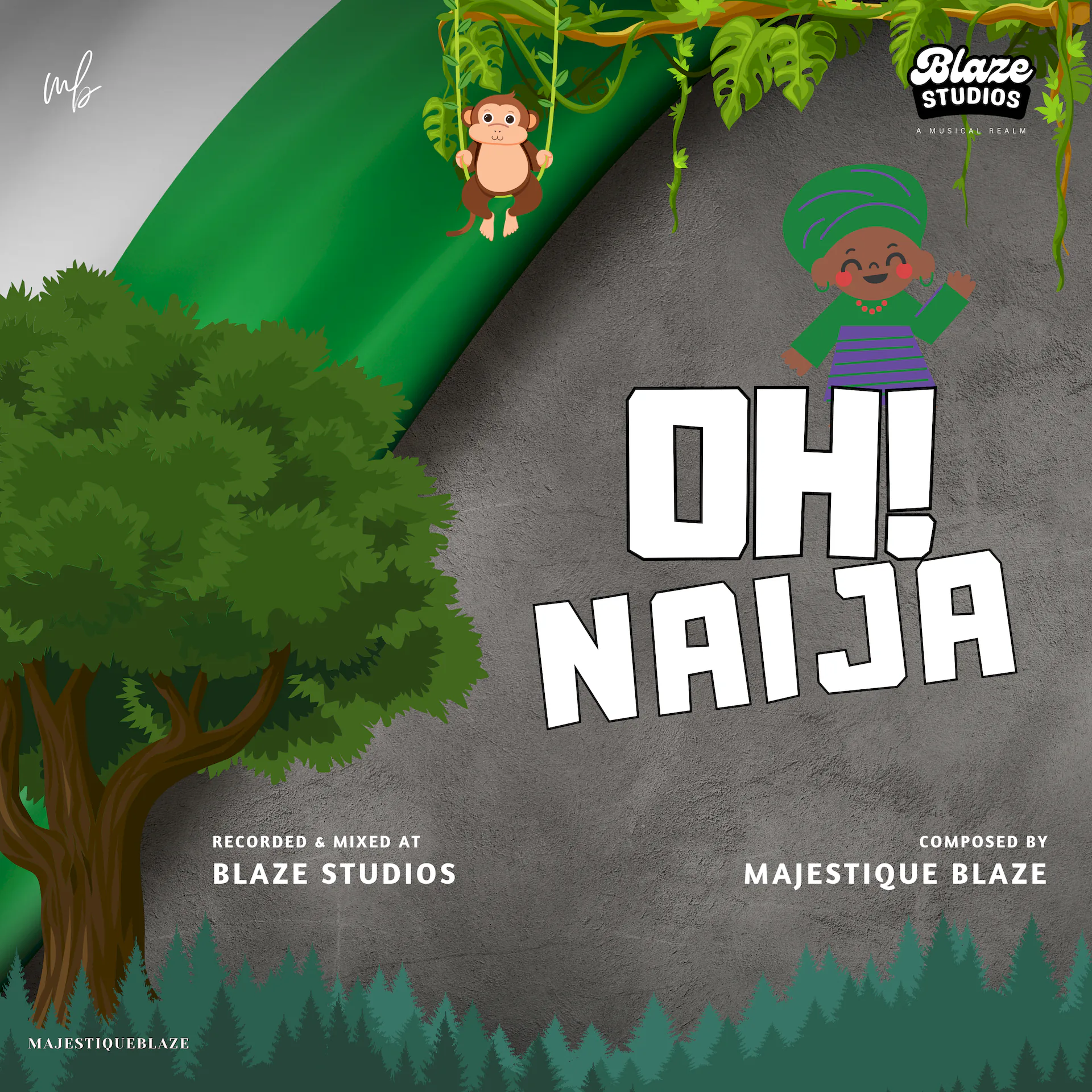
“Oh Naija (Happy iDay Nigeria)” threads heritage treated as a living, moving thing through a series of concrete images, beginning with “On the shores where our ancestors stood tall.” The line “Ohhhh, Naija, rise and shine” becomes the track’s emotional shorthand.

“We Stand Tall” refuses to remain only a mood piece; “Yo, check this out, we ain't playin' no more” gives the feeling a place to live, and the song develops discipline, defiance, and renewed momentum from there.
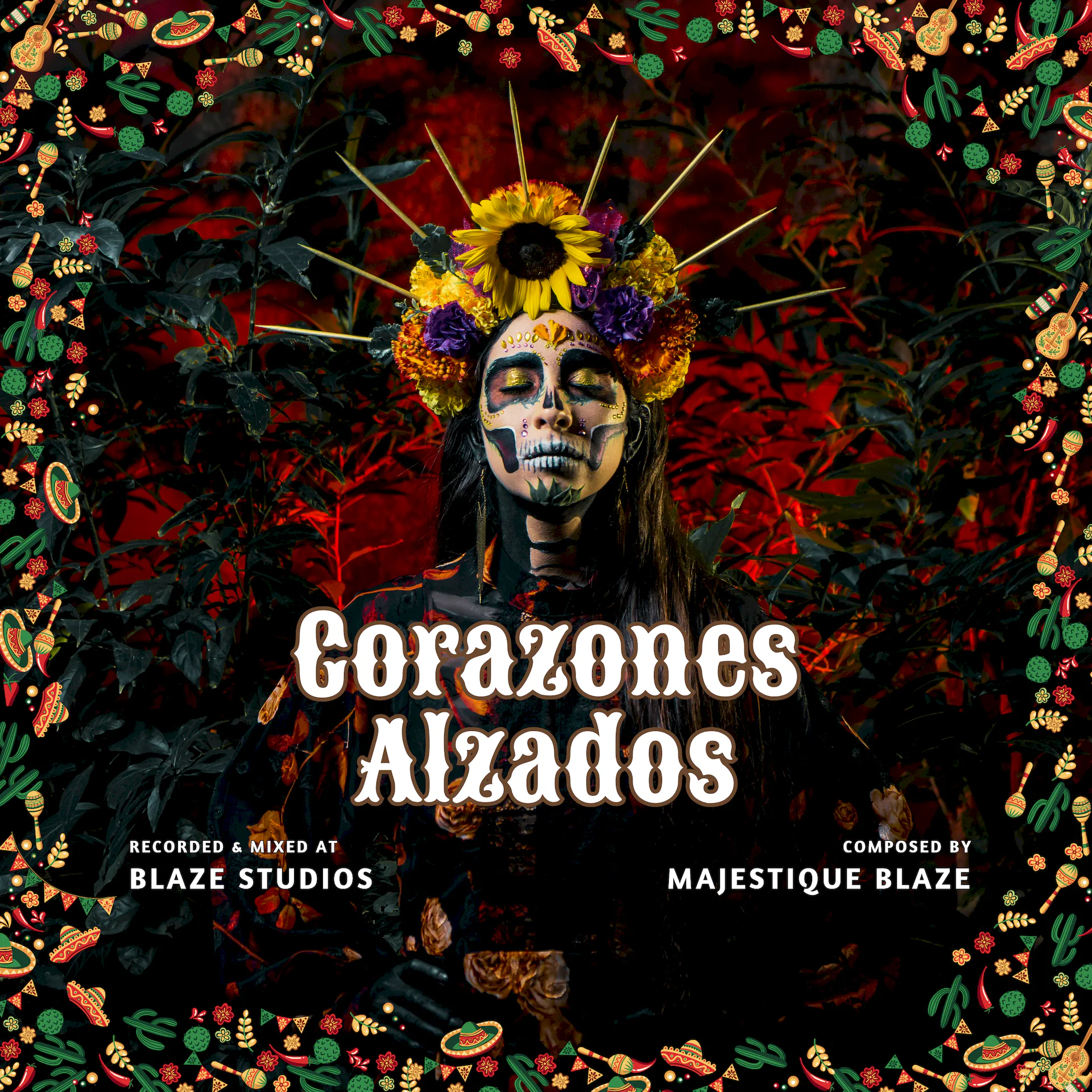
“Corazones Alzados ( Happy iDay Mexico )” makes “In the land where the sun rises high” feel less like decoration and more like the key to identity shaped by language, place, and shared history. “Con corazones alzados, alzamos la mirada” reinforces that idea without over-explaining it.
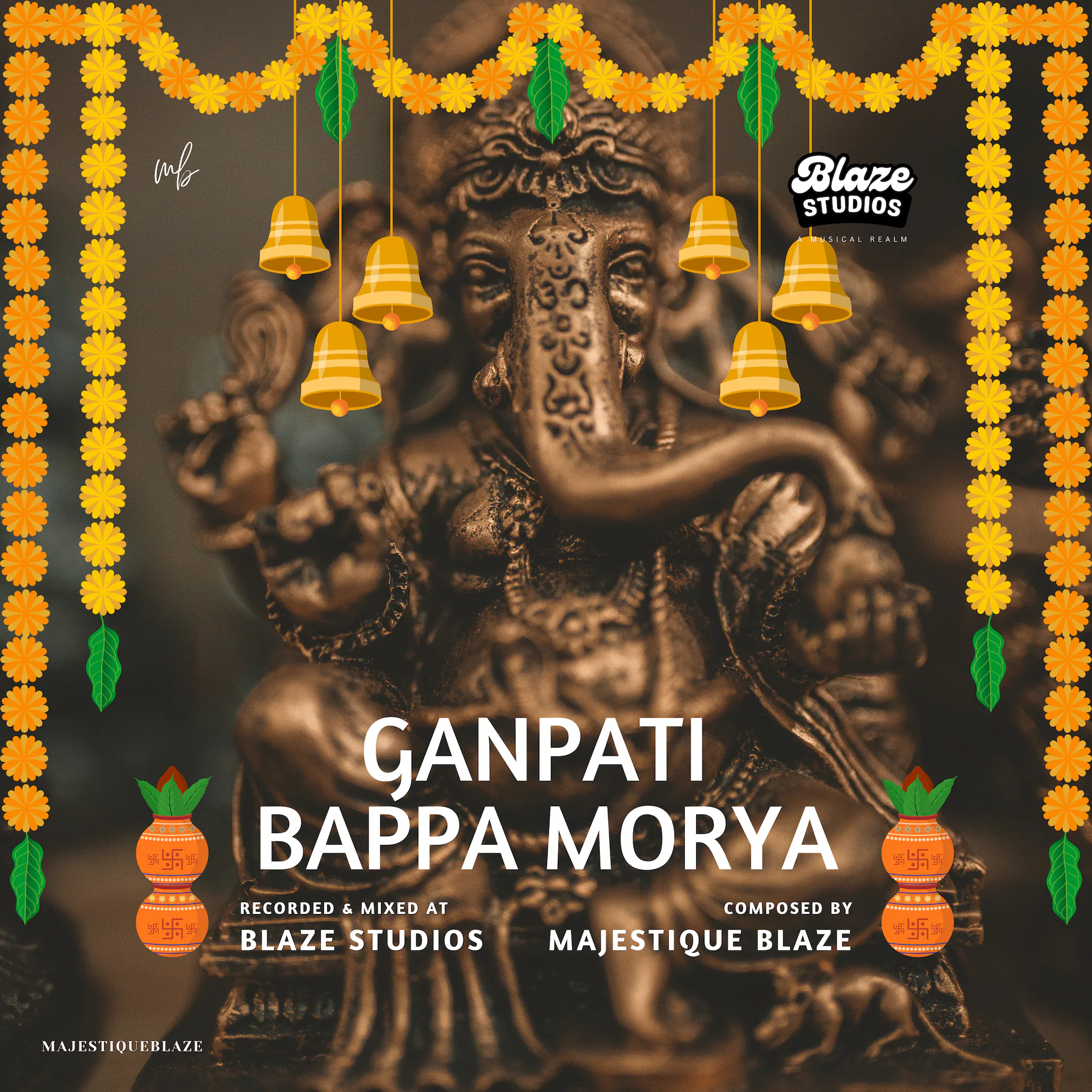
“Ganpati baapa morya” gives “Ganpati Bappa Morya” its distinctive colour. Around that line, the song builds the calm gravity of surrender and lets “Ganpati Bappa, pure and true” carry the final shift in perspective.

“Love You Brazil (Happy iDay Brazil)” builds its emotional architecture around “Yeaaah! Love you Brazil” before opening further through “We remember the fight, the courage, the stand.” What it carries is identity shaped by language, place, and shared history.
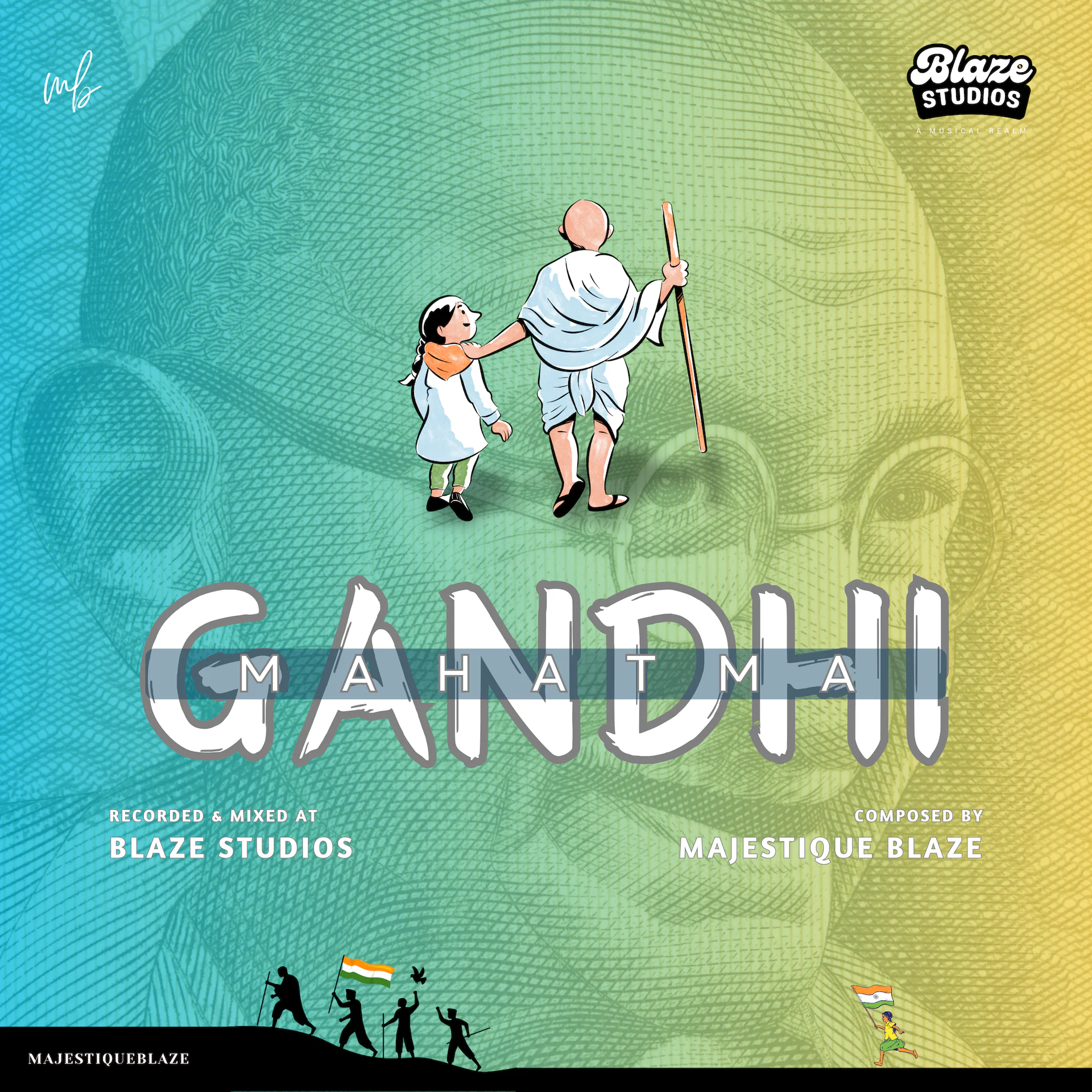
“Mahatma Gandhi” builds its lyric world from “In the heart of a humble land, he stood so tall” and keeps circling back to “Mahatma Gandhi , leading with the light.” Together they shape a track filled with cultural pride without closing the door on anyone else.

“We Love Vietnam (Happy Ind Day Vietnam)” builds its emotional contrast between “We love Vietnam” and “Let the music of freedom play,” carrying the joy of carrying one's culture confidently into new spaces. The song lets its images do most of the explaining.
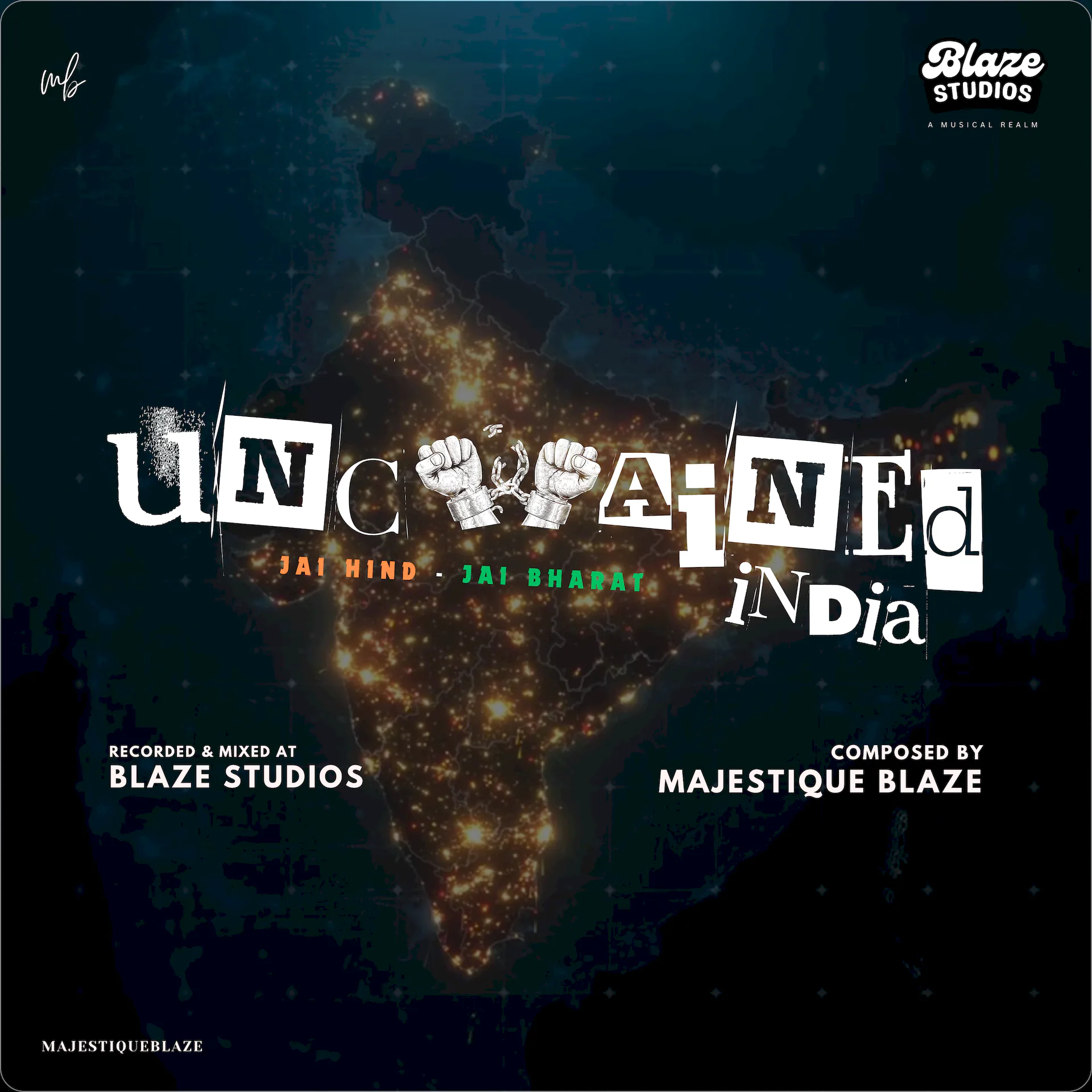
“In the blood of the land, there's a fire untamed” places “Unchained India (Happy RepDay India)” inside the pulse of local identity meeting a wider world. From there, “Jai Hind, Jai Bharat, let the storm ignite” acts like the song’s emotional hinge.
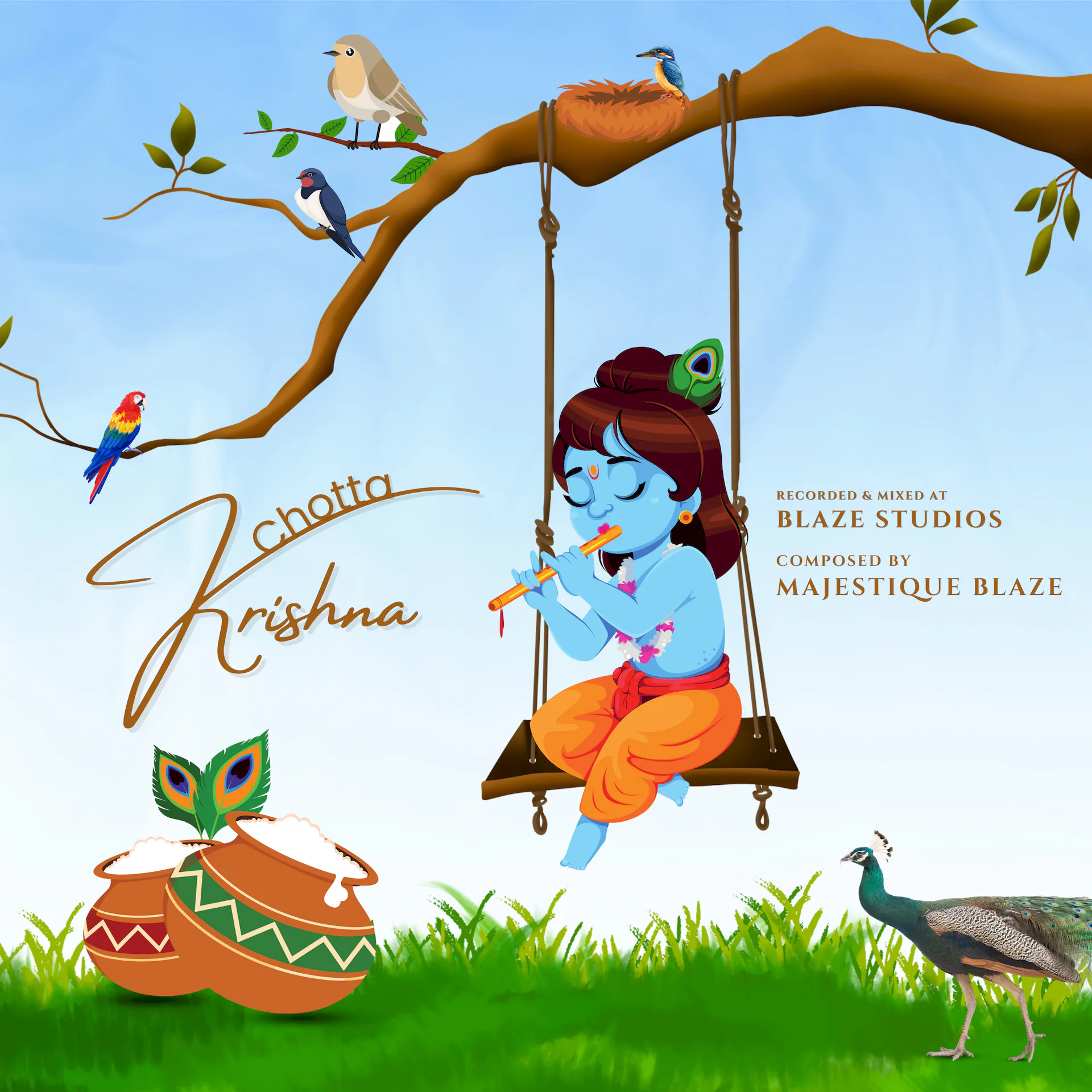
“Chotta Krishna” uses “Hare Krishna, Hare Krishna, Krishna Krishna, Hare Hare” as a small scene with larger weight, opening into a search for meaning beyond the visible. The lyric’s return to “Chhota Krishna, pyaara Krishna” gives that idea a memorable centre.