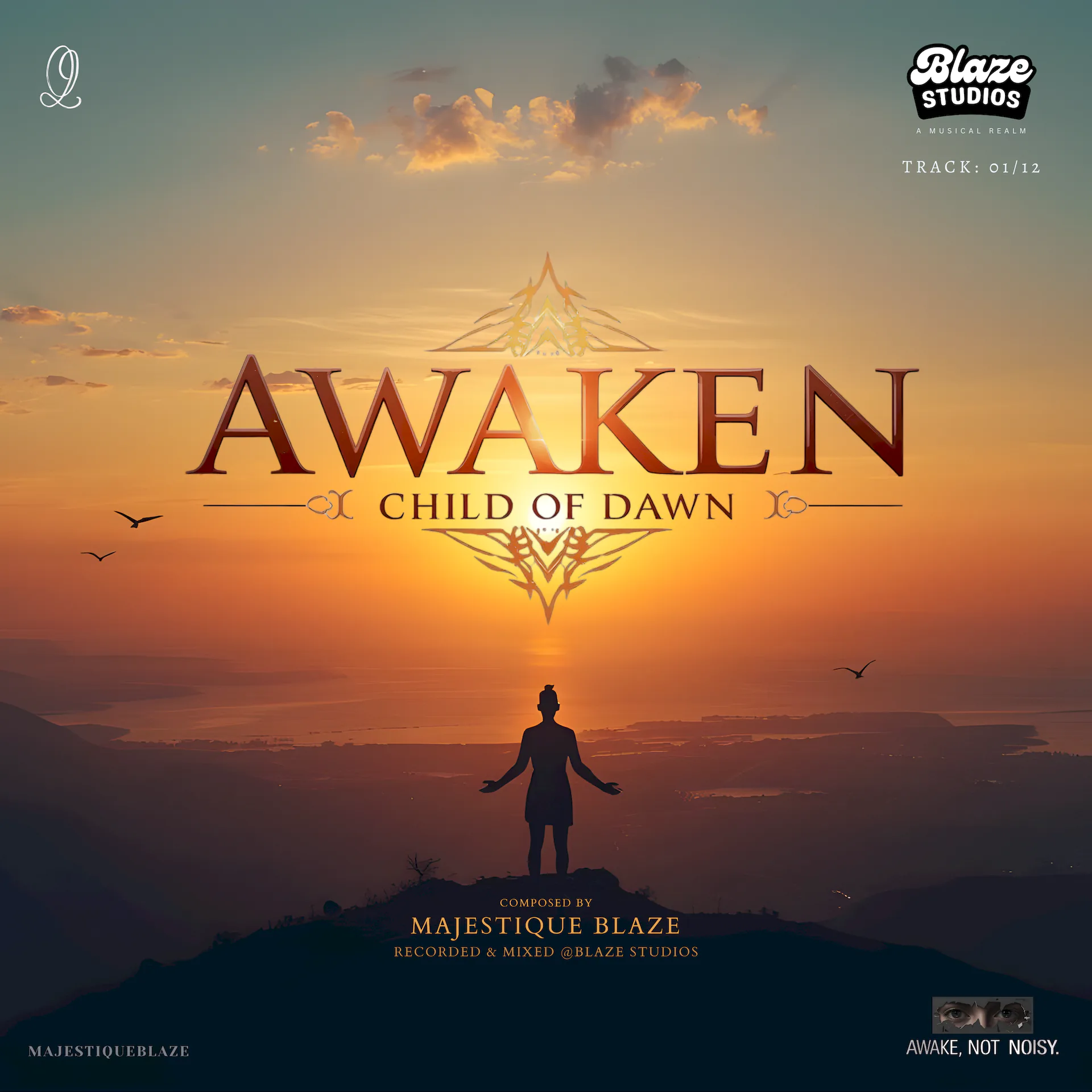
Awaken, Child Of Dawn
“Awaken, Child Of Dawn” refuses to remain only a mood piece; “Whispers of light through the curtain of dreams” gives the feeling a place to live, and the song develops reverence, self-enquiry, and inner light from there.
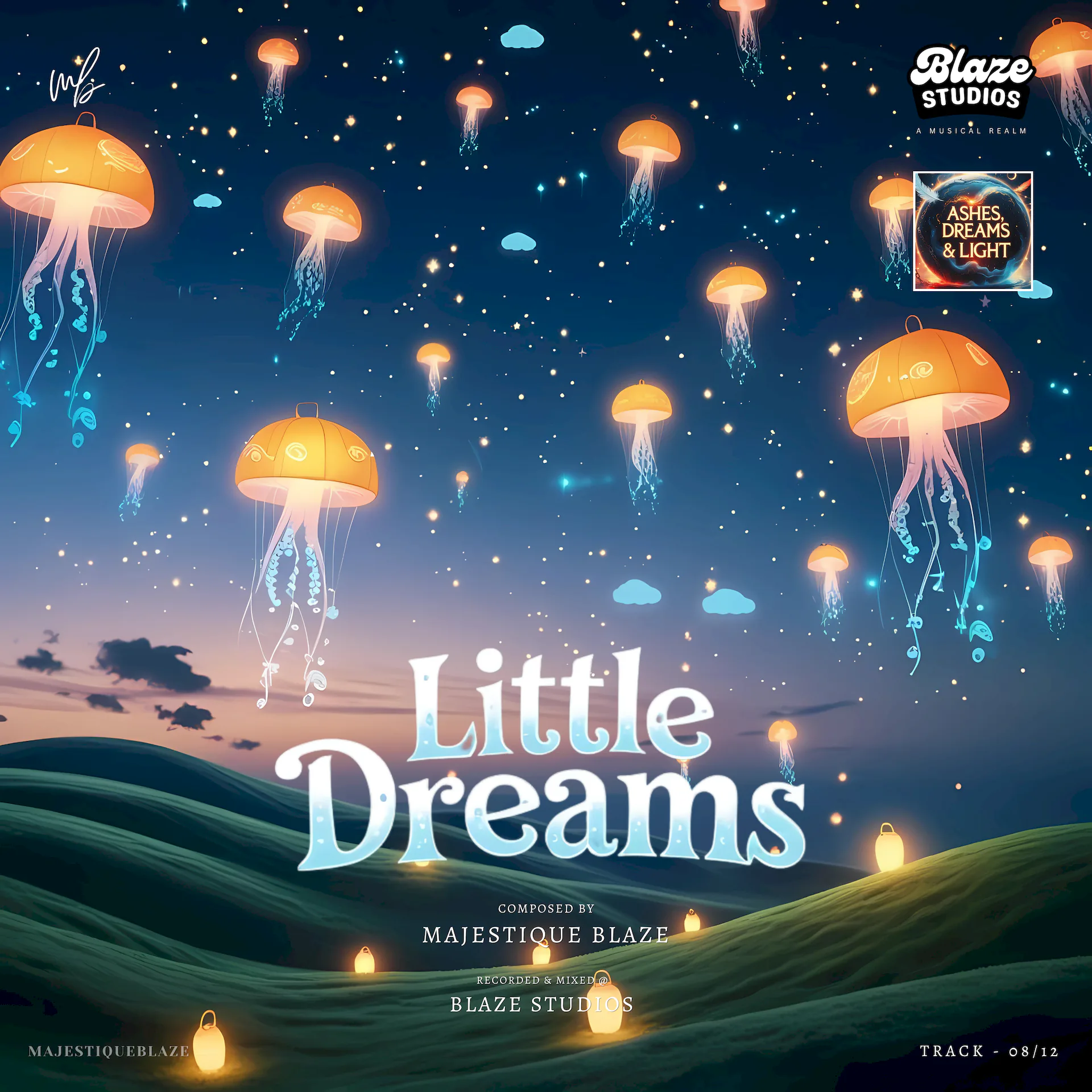
Playful songs, familiar rhymes and childlike imagination reworked with colour, rhythm and a bigger musical canvas.

“Awaken, Child Of Dawn” refuses to remain only a mood piece; “Whispers of light through the curtain of dreams” gives the feeling a place to live, and the song develops reverence, self-enquiry, and inner light from there.
“Little Dreams” places “Tiny, fleeting dreams, like fireflies in the night” and “Dance in open fields, let the worries fade” at two ends of the same journey. Between them, the track explores an insistence on movement when fear says stop with a strong sense of image and movement.

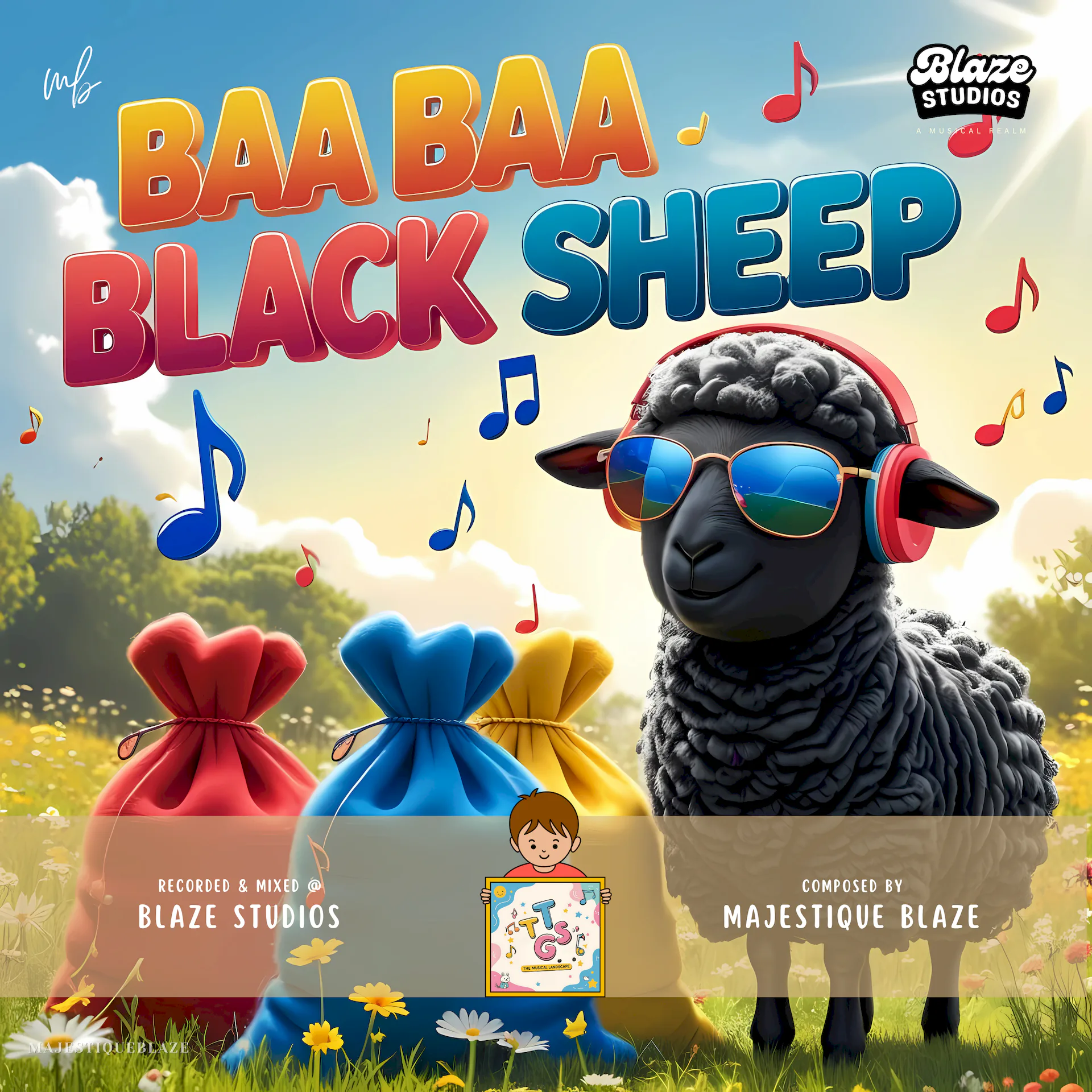
“Baa Baa Black Sheep” avoids announcing its theme outright; instead, “Baa-baa black sheep, whatcha got today” and “Wool for you, wool for me” reveal the joy of turning a small situation into a big grin. The result feels specific, visual, and emotionally close.

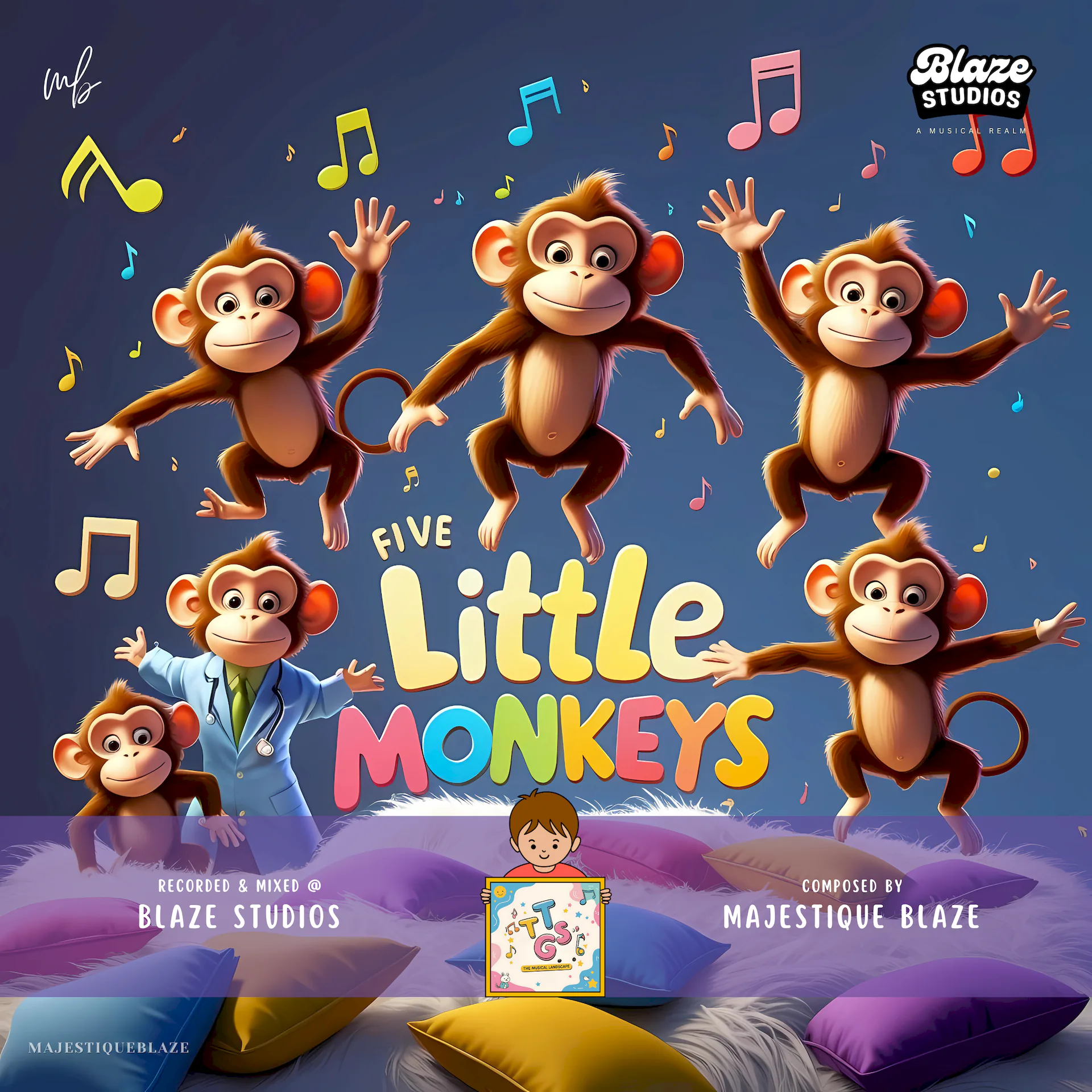
“Five Little Monkeys” builds its emotional architecture around “Five little monkeys jumping on the bed” before opening further through “One fell off and bumped his head.” What it carries is the joy of turning a small situation into a big grin.

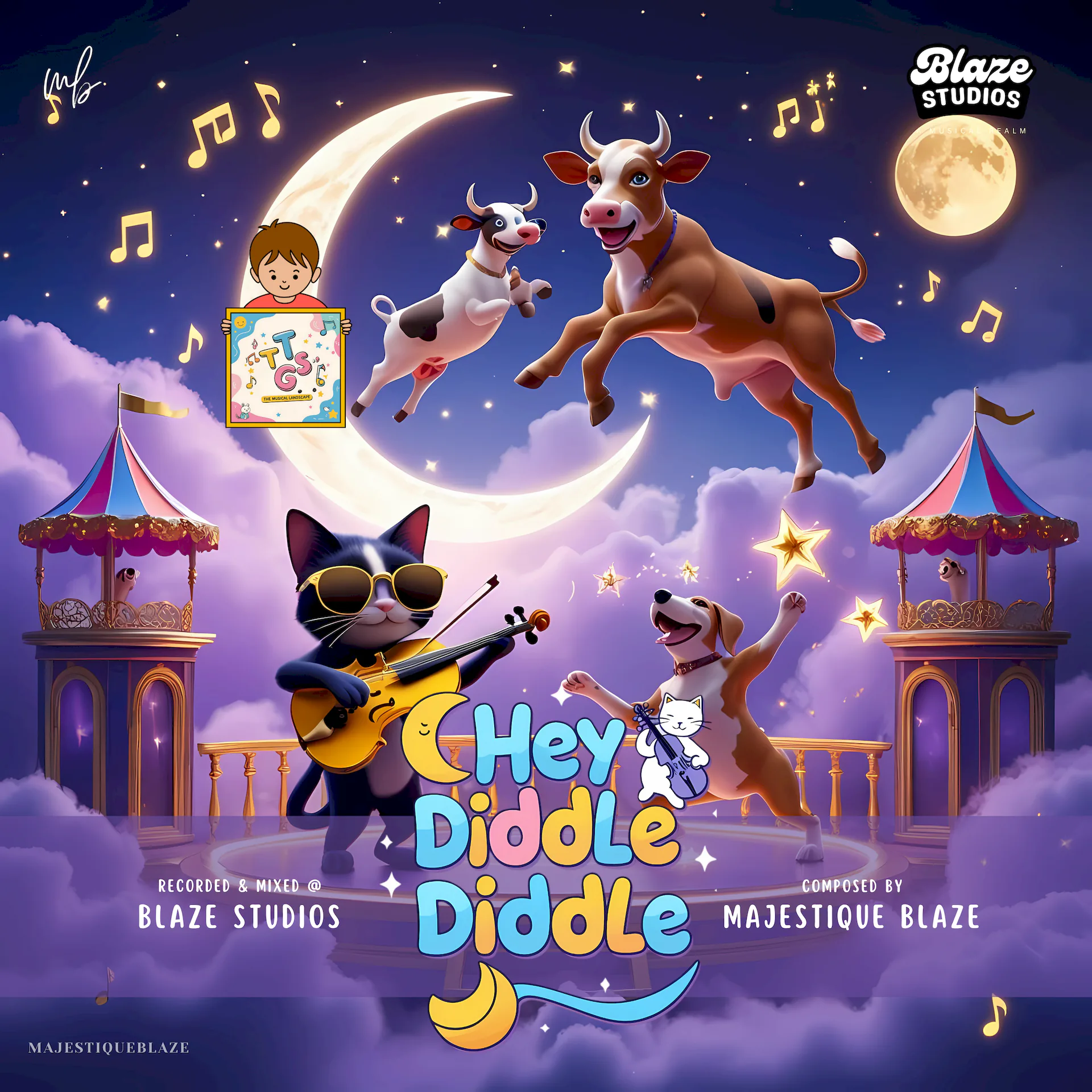
“Hey Diddle Diddle” moves from “Hey diddle diddle, the cat and the fiddle” toward “Close your eyes, just take a ride,” tracing the joy of turning a small situation into a big grin. Its strongest images keep the song grounded in a lived moment rather than a general message.

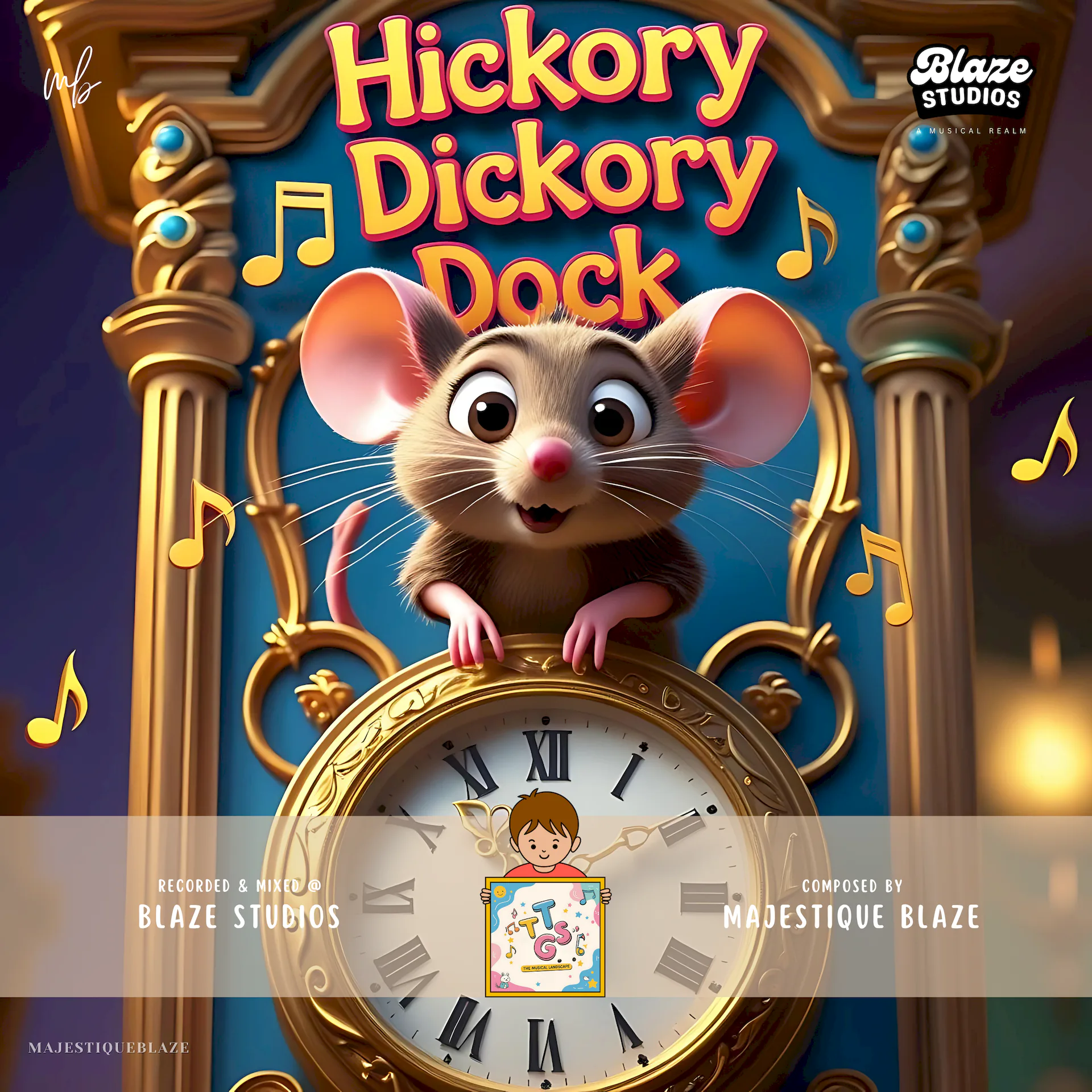
“Hickory Dickory Dock” balances cheeky energy with a conversational feel with the vivid image “Hickory dickory dock.” The lyric becomes especially resonant when “Tick tock, spin around” returns as its emotional refrain.

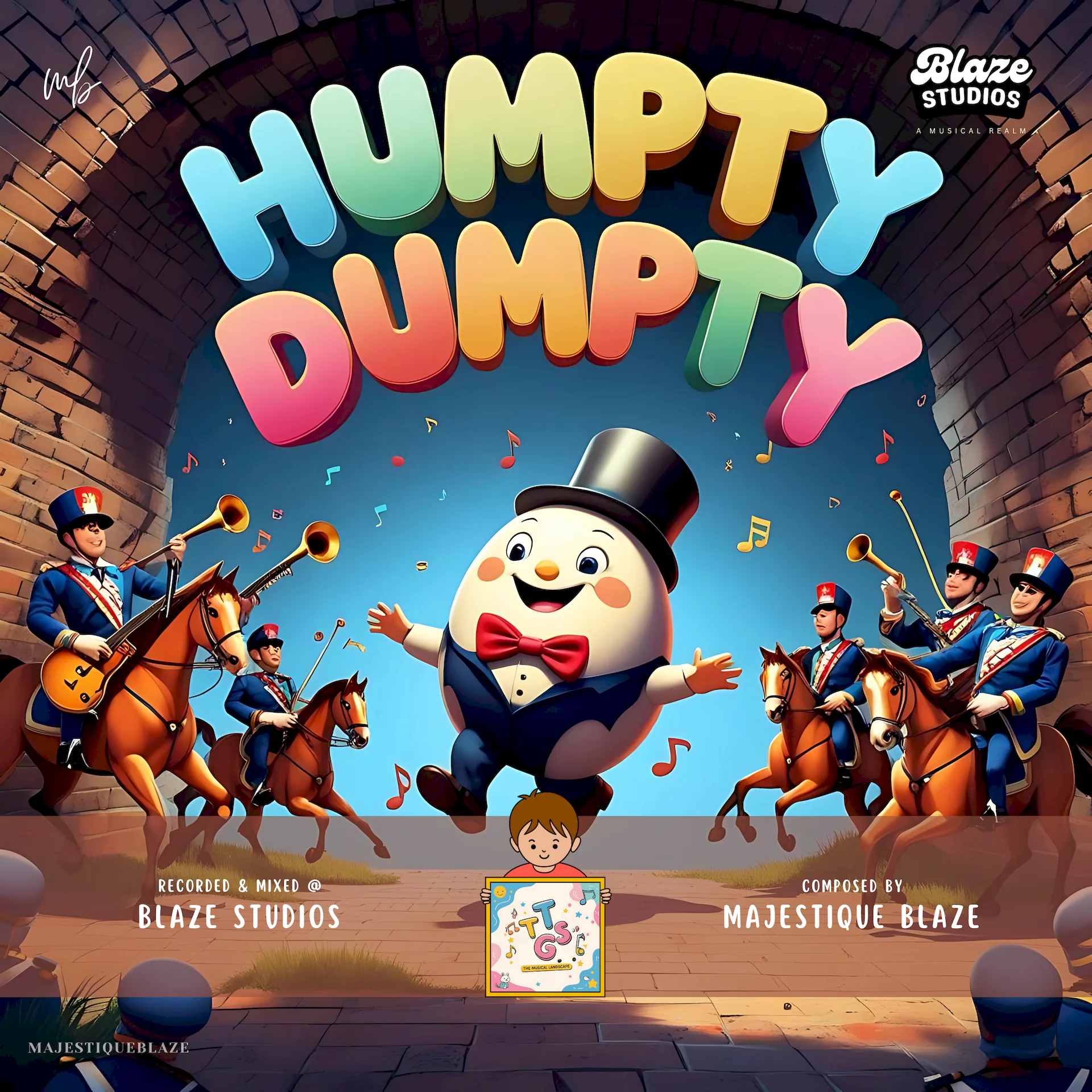
“Humpty Dumpty” begins with “Here comes Humpty, round and bright” and widens into a reflection on wit, mischief, and an easy sense of fun. The chorus image “Humpty Dumpty's got a brand new beat” keeps pulling the song back to its central feeling.

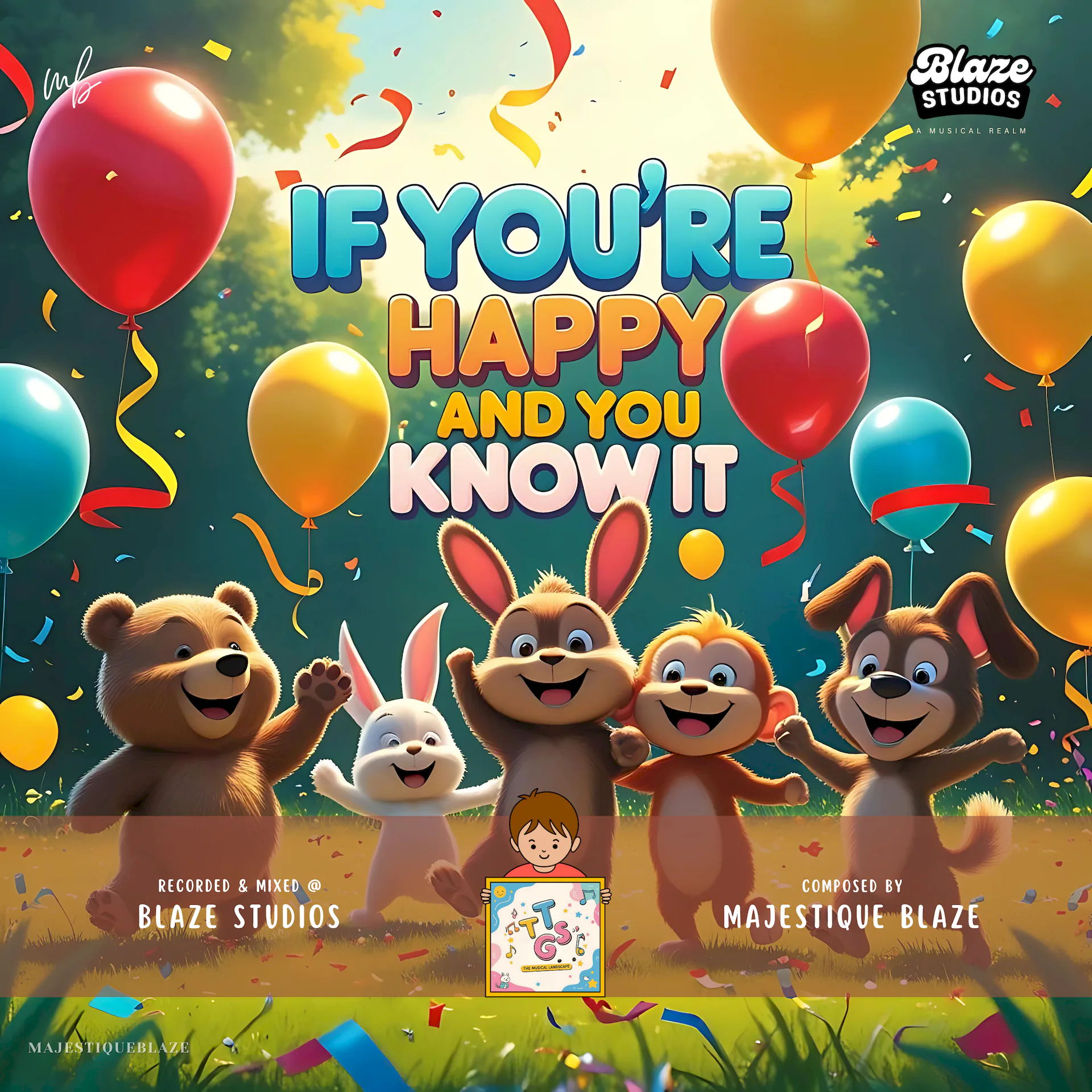
“If You're Happy and You Know It” builds its emotional architecture around “If you're happy and you know it” before opening further through “If you're happy and you know it.” What it carries is the search for a steadier inner compass.

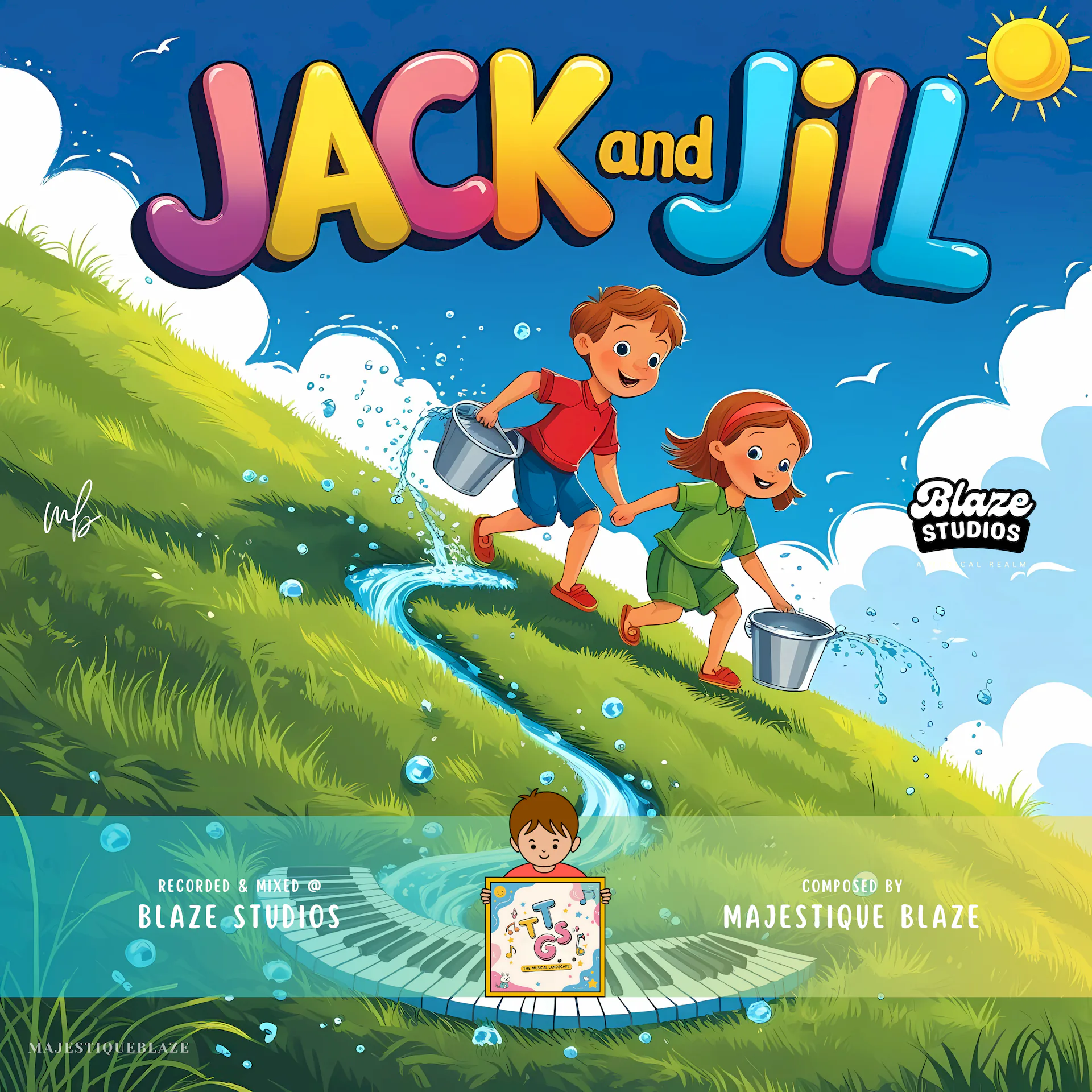
“Jack and Jill” is carried by a playful story told with a wink rather than a lesson, but its personality comes from details such as “Pop-Rock Skipping Groove with Action Beats” and “Skip to the top, don't stop, don't drop.” Those images keep the track rooted in its own story.

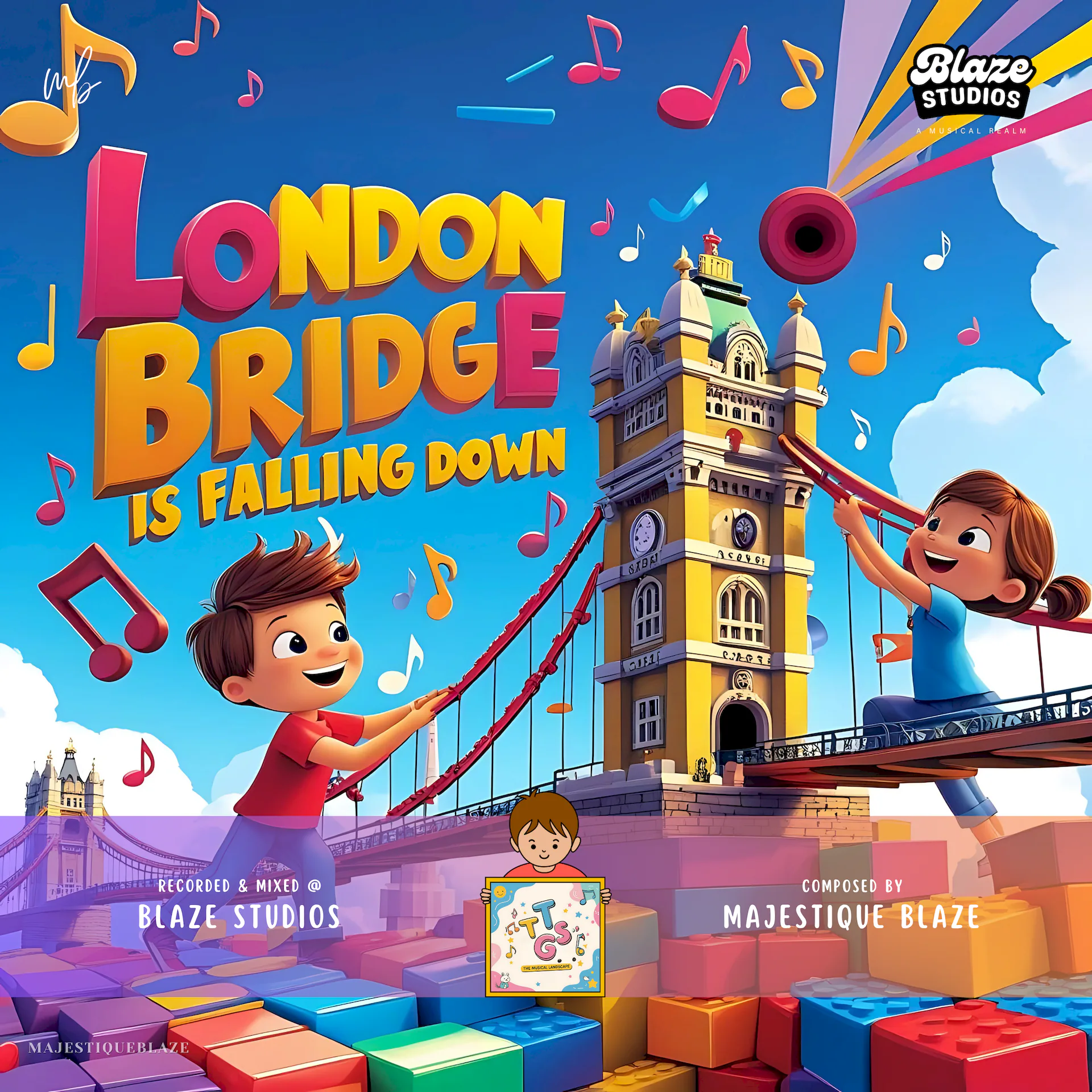
“London Bridge Is Falling Down” refuses to remain only a mood piece; “Afrobeat Pop Fusion with World Dance Energy” gives the feeling a place to live, and the song develops a playful story told with a wink rather than a lesson from there.

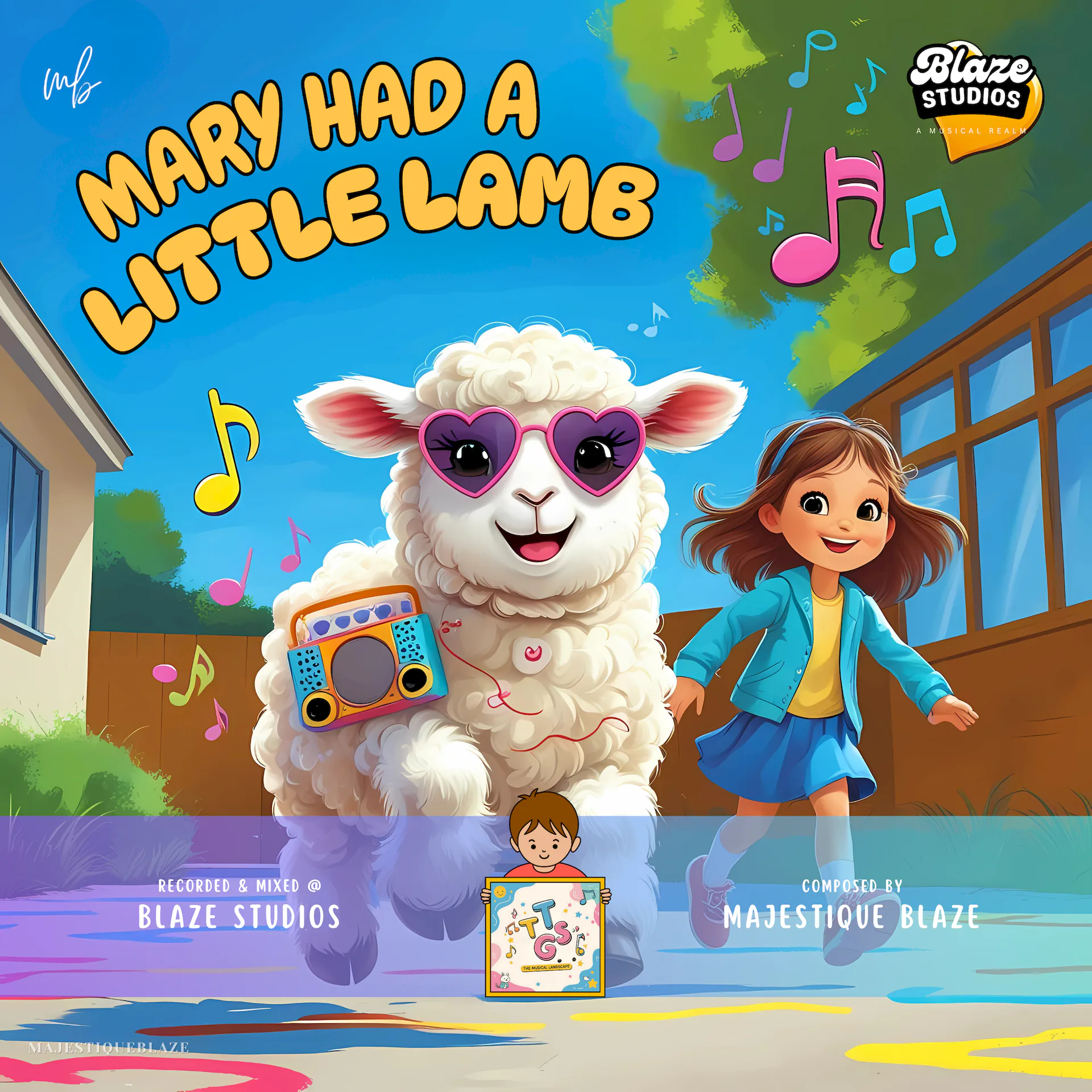
“Mary had a secret friend” gives “Mary Had a Little Lamb” its distinctive colour. Around that line, the song builds the joy of turning a small situation into a big grin and lets “Clap two times, now stomp your feet” carry the final shift in perspective.

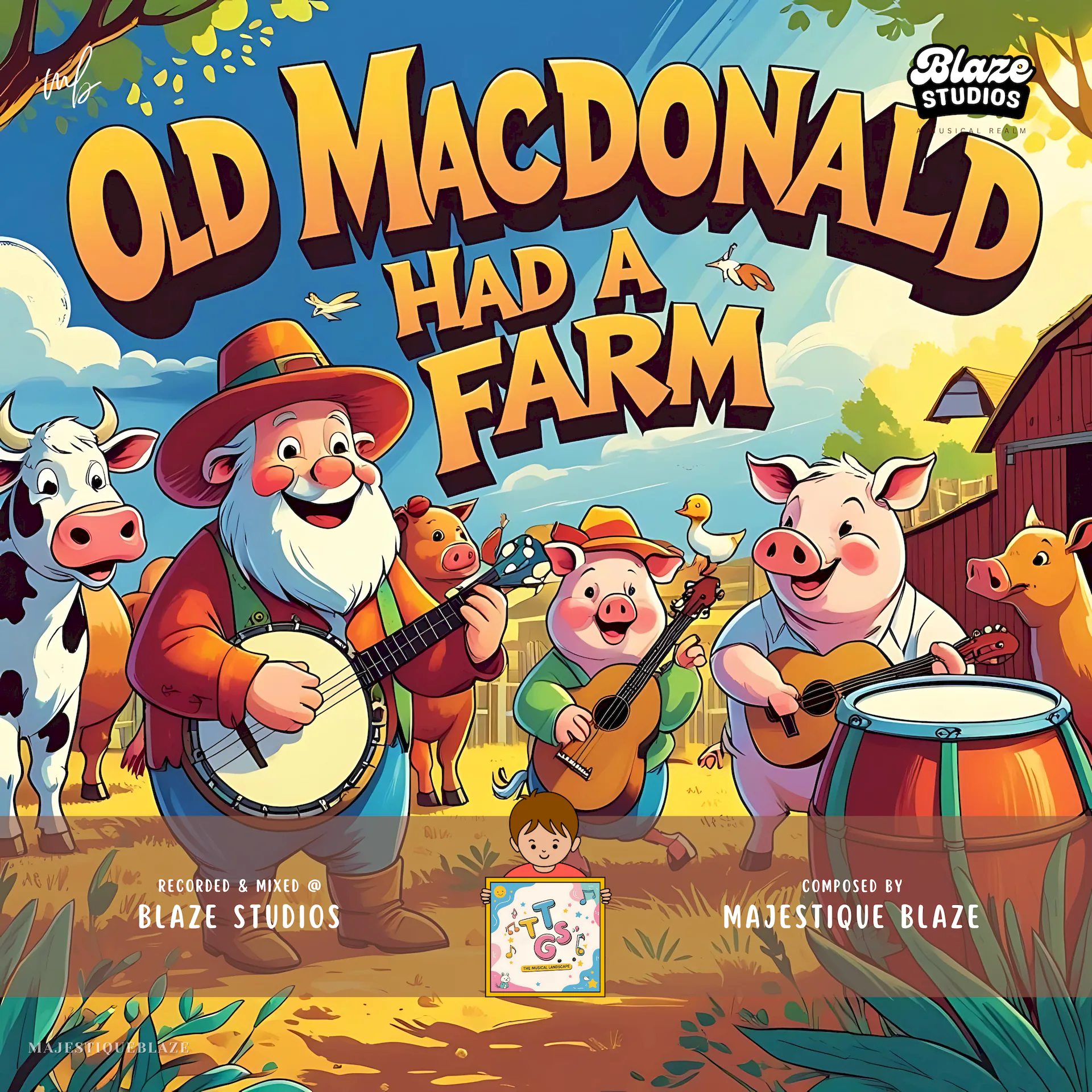
“Old MacDo Had a Farm” builds its emotional architecture around “Yeehaw! Time to boogie down on the funky farm” before opening further through “Shake that straw, stomp and neigh.” What it carries is wit, mischief, and an easy sense of fun.

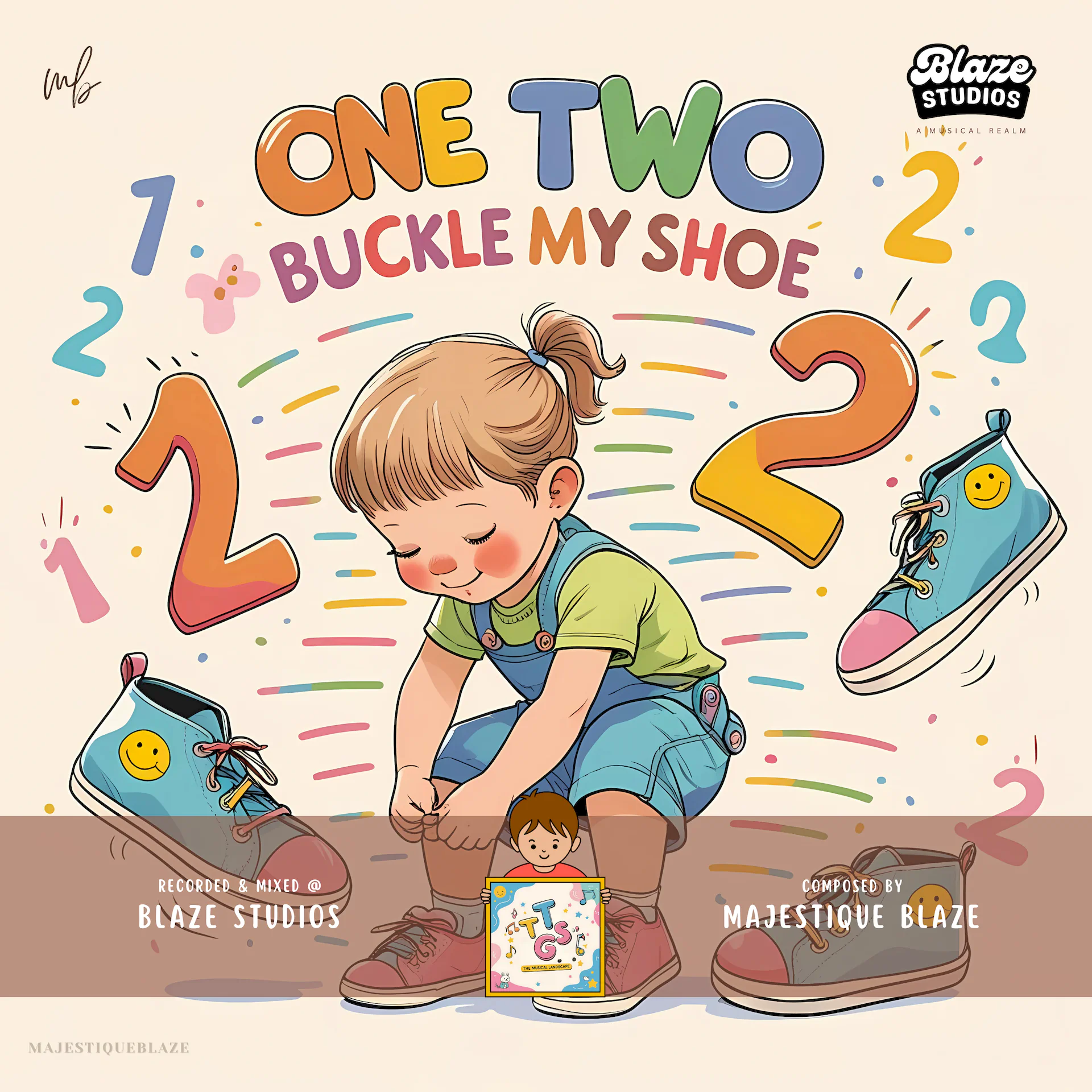
“One Two Buckle My Shoe” avoids announcing its theme outright; instead, “One, two — buckle my shoe” and “Count it up, move your feet” reveal humour used as musical release. The result feels specific, visual, and emotionally close. Here, door quietly carries the idea of threshold, choice, and transition.

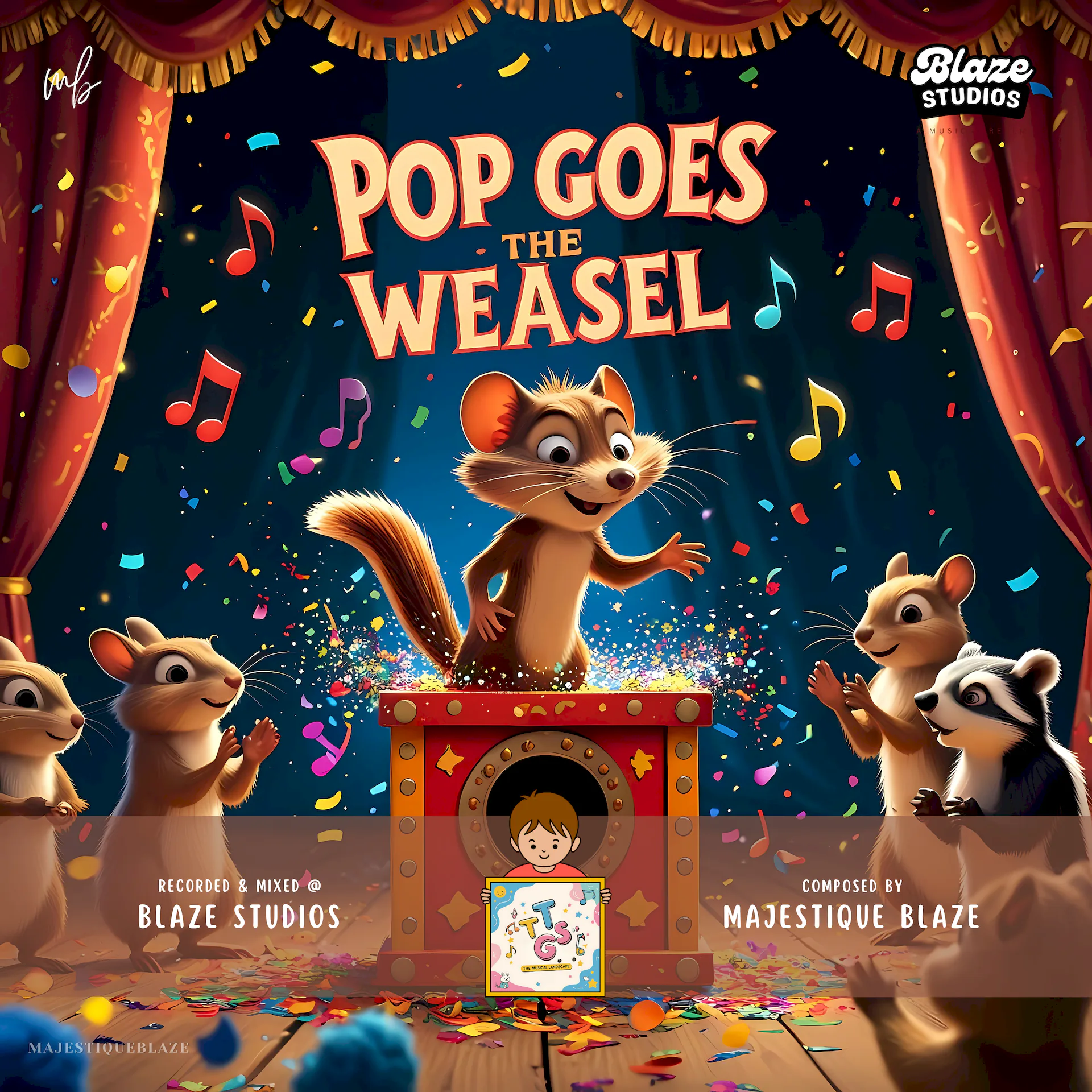
“Pop Goes the Weasel” makes “All around the cobbler's bench” feel less like decoration and more like the key to humour used as musical release. “Pop up high, duck down low” reinforces that idea without over-explaining it.

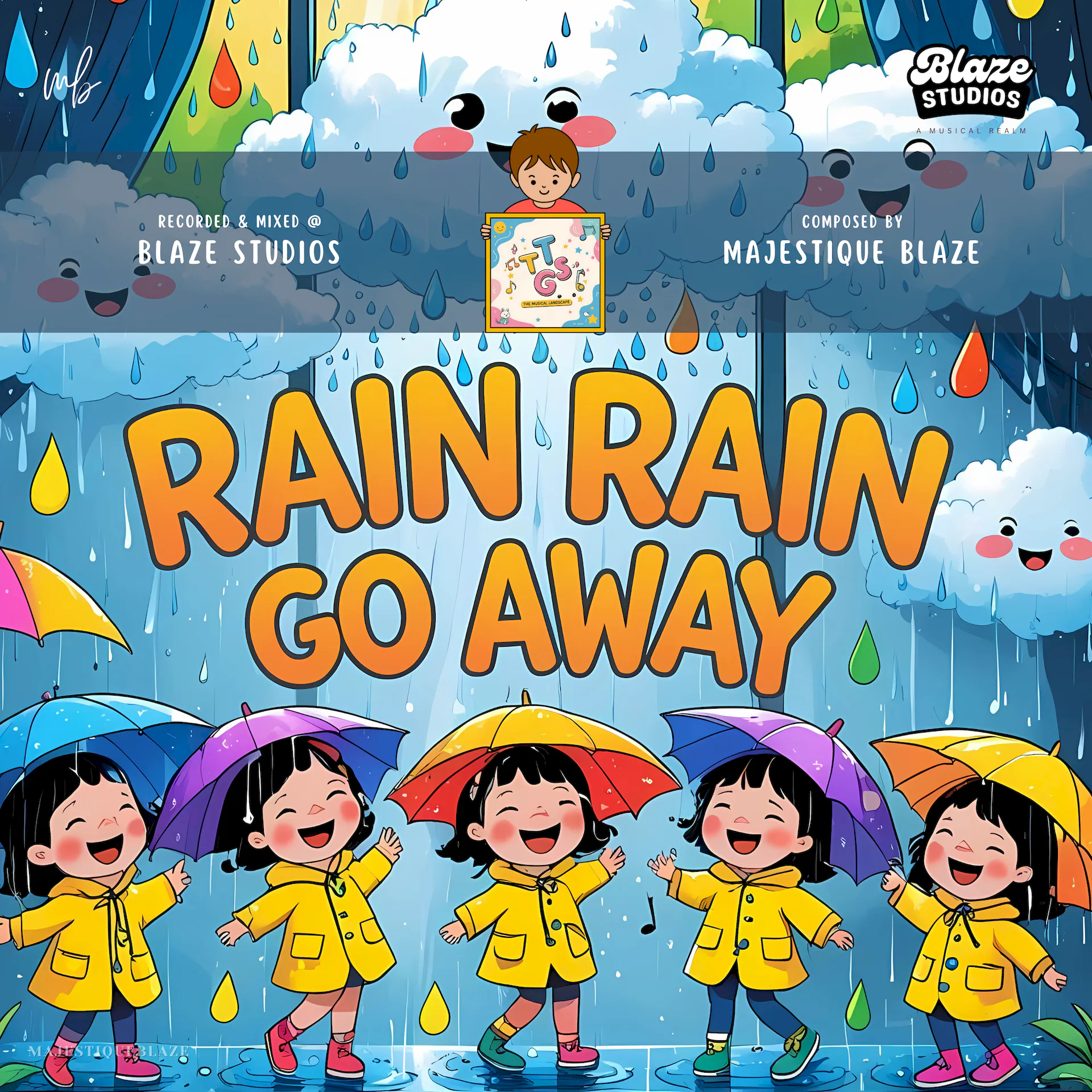
“Rain Rain Go Away” makes a clear emotional move from “Rain, rain, go away” to “Shhh… what's that sound.” Between those two images sits nature used as an emotional mirror.

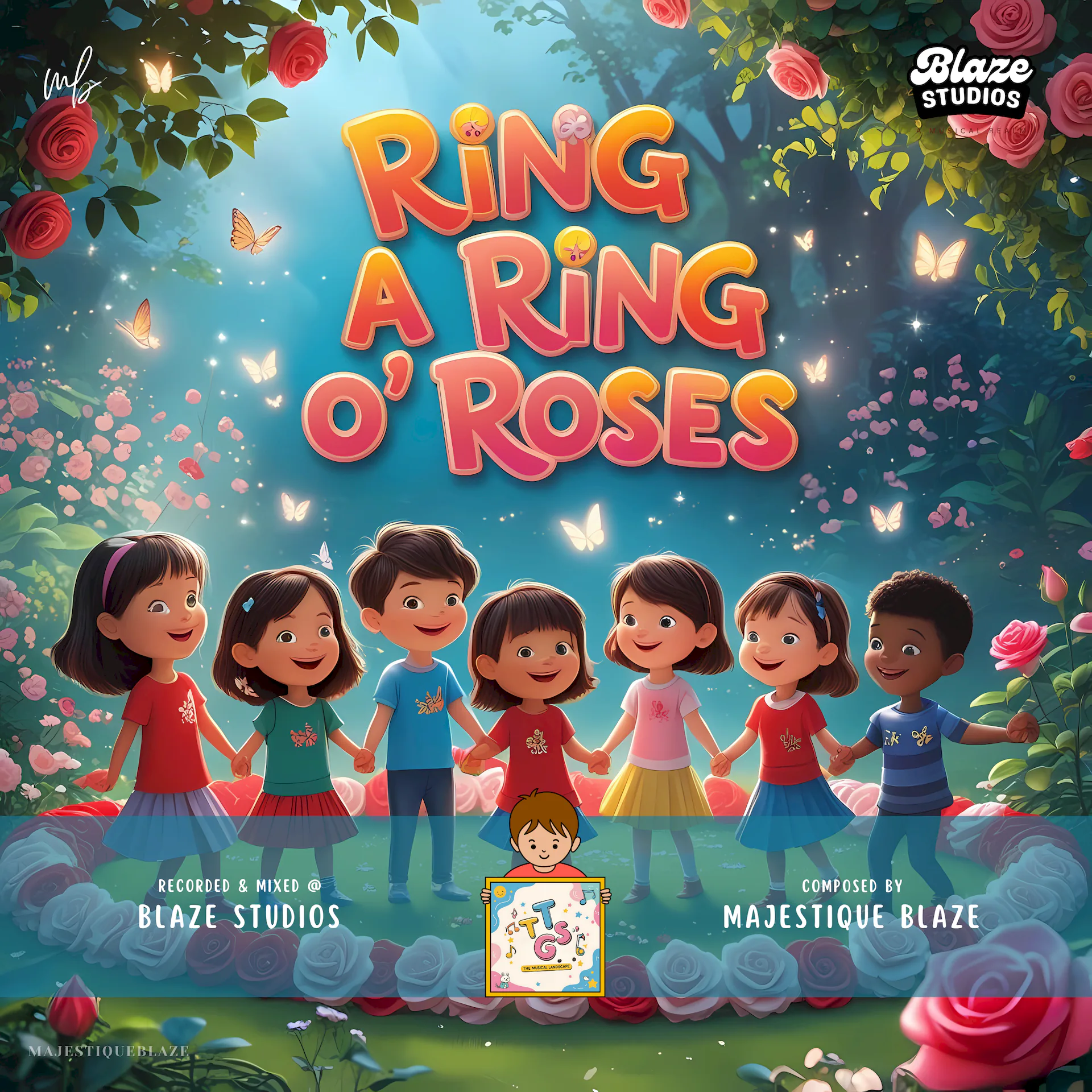
“Ring a Ring o' Roses” is carried by humour used as musical release, but its personality comes from details such as “Ring-a-ring o' roses” and “Fall down, then up we go.” Those images keep the track rooted in its own story. Here, ashes quietly carries the idea of what remains after transformation or destruction.

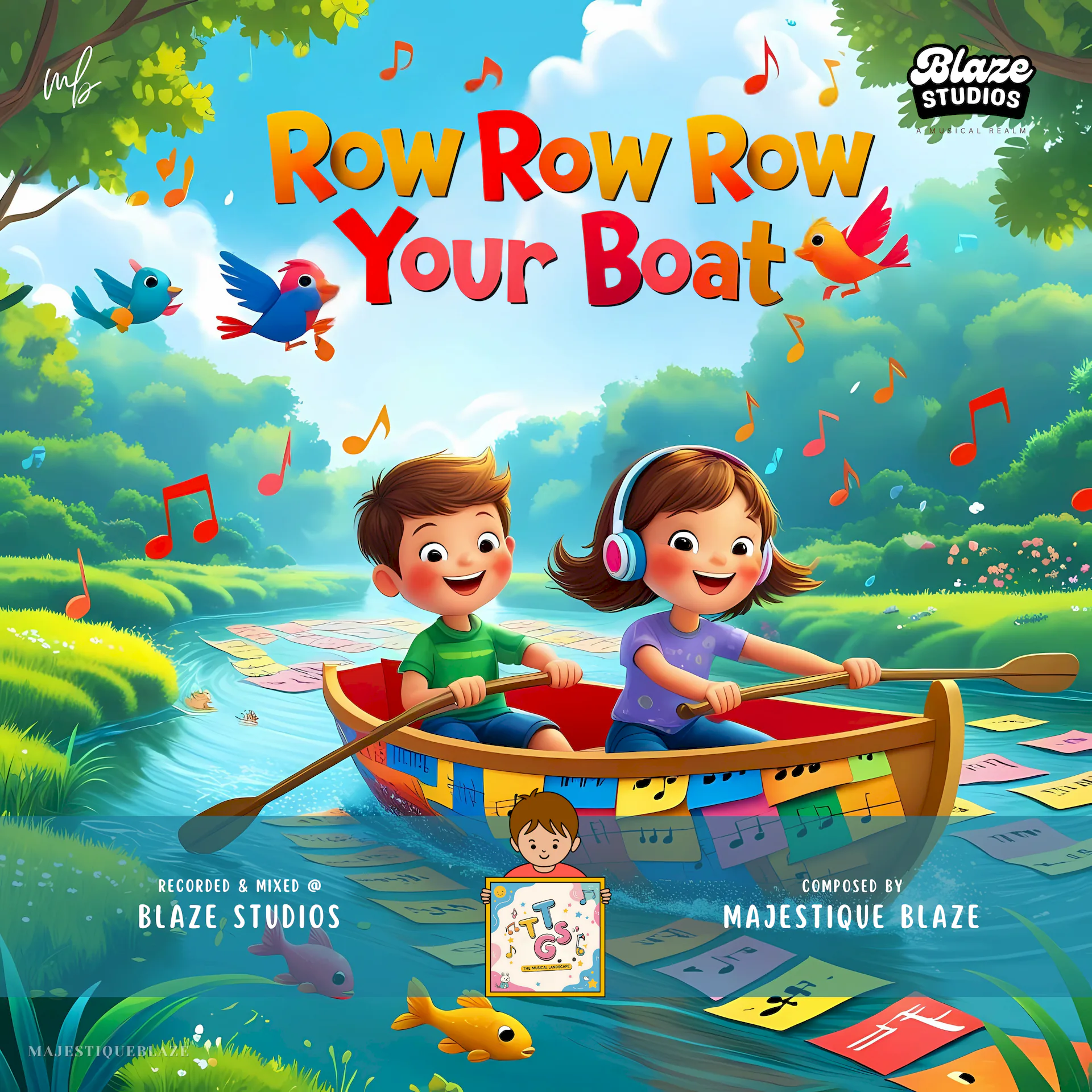
“Row, Row, Row Your Boat” threads cheeky energy with a conversational feel through a series of concrete images, beginning with “Row, row, row your boat.” The line “Paddle left and paddle right” becomes the track’s emotional shorthand.

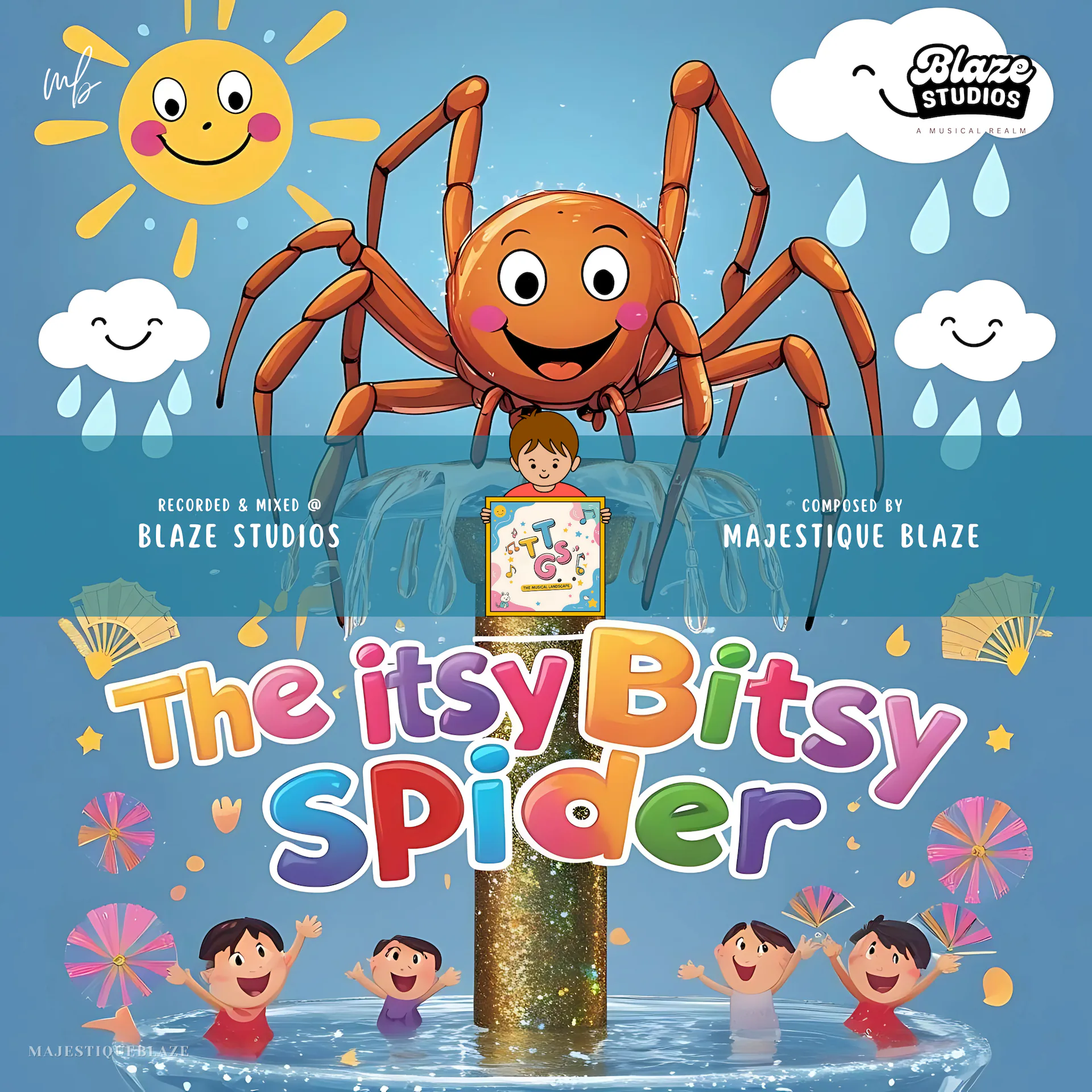
“The Itsy Bitsy Spider” finds its pulse in “Doo-doo-doodle-doo….” From there the lyrics move through the joy of turning a small situation into a big grin, using “Itsy bitsy spider's back again” as the point the emotion repeatedly returns to.

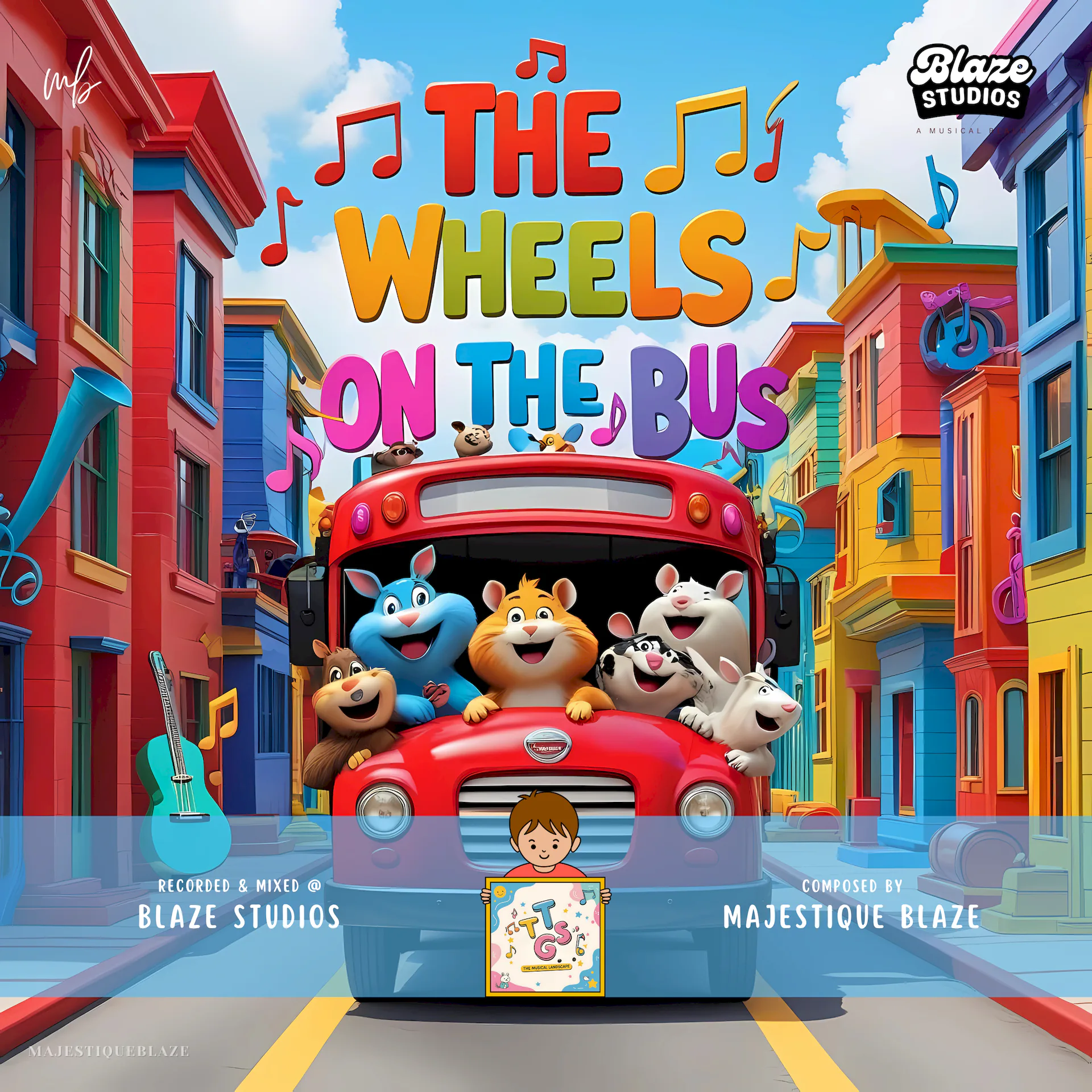
“The Wheels on the Bus” avoids announcing its theme outright; instead, “Honk-honk! Let's go” and “Wheels go 'round, the beat goes BOOM” reveal the joy of turning a small situation into a big grin. The result feels specific, visual, and emotionally close.

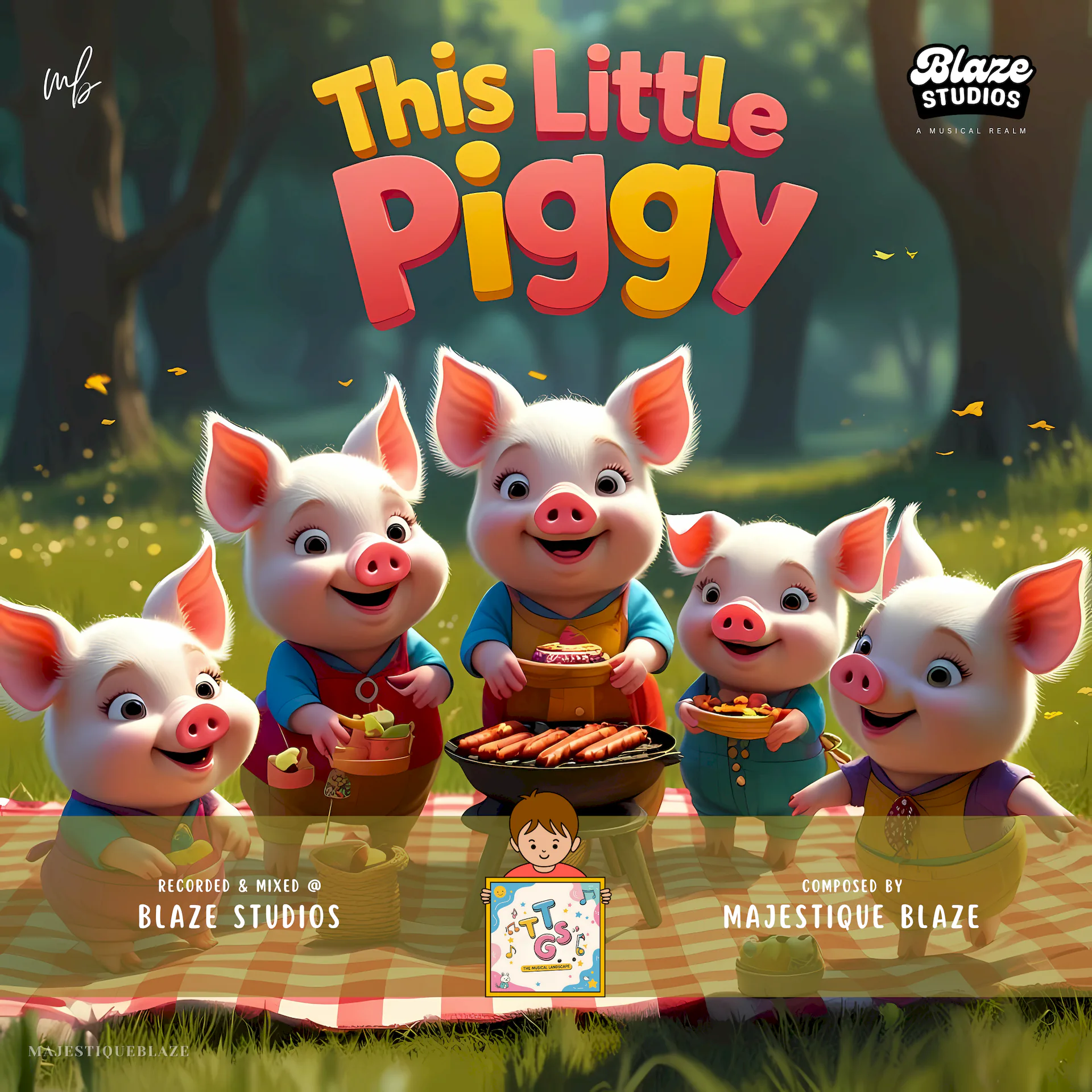
“This Little Piggy” turns the line “This little piggy went to market” into a lens for the joy of turning a small situation into a big grin. By the time it reaches “Piggy five flew in a paper plane,” the song has widened that feeling into a fuller perspective.

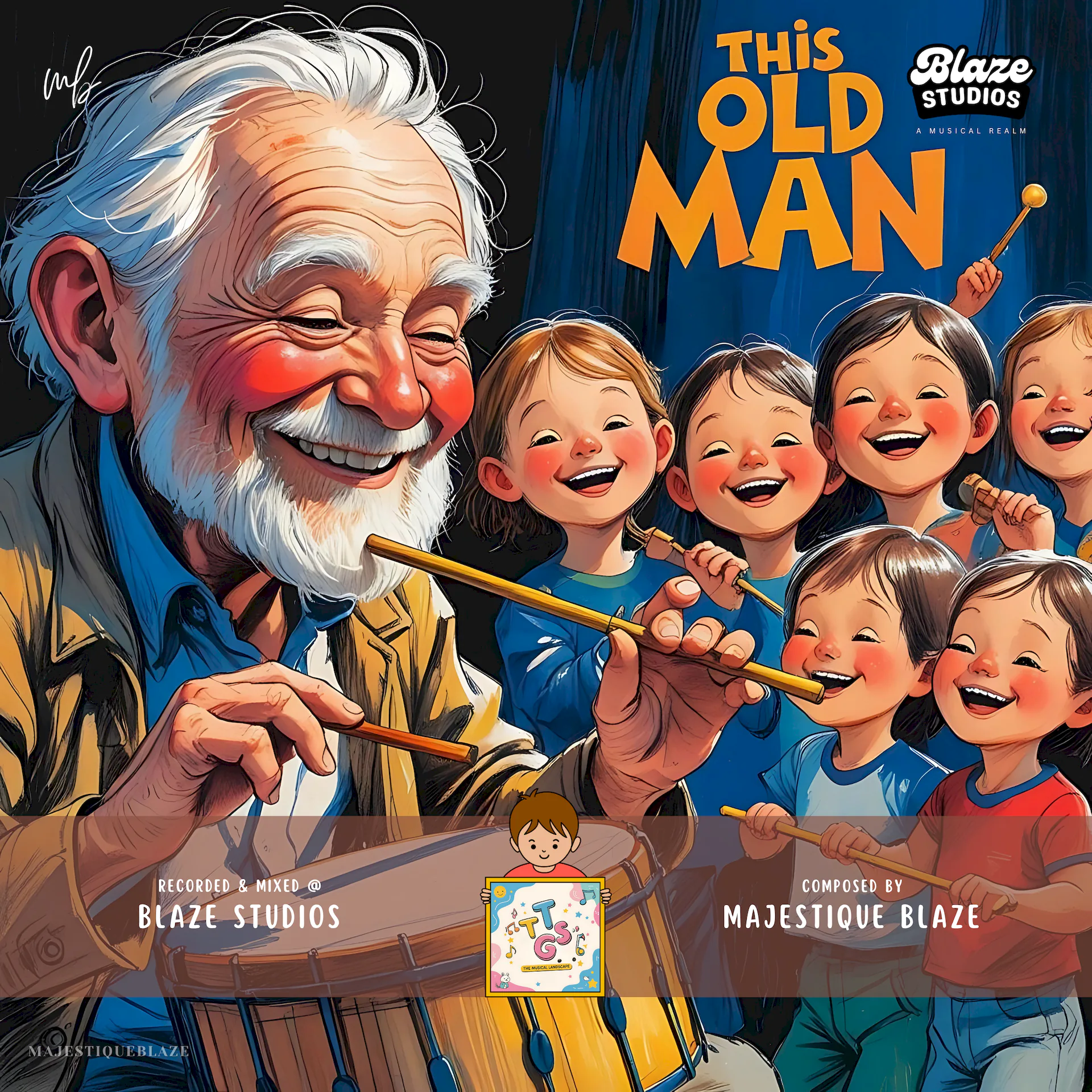
“This Old Man” makes a clear emotional move from “This old man, he played one” to “With a knick-knack, party pack, tapping on his drum.” Between those two images sits the discomfort of seeing what society normalizes.

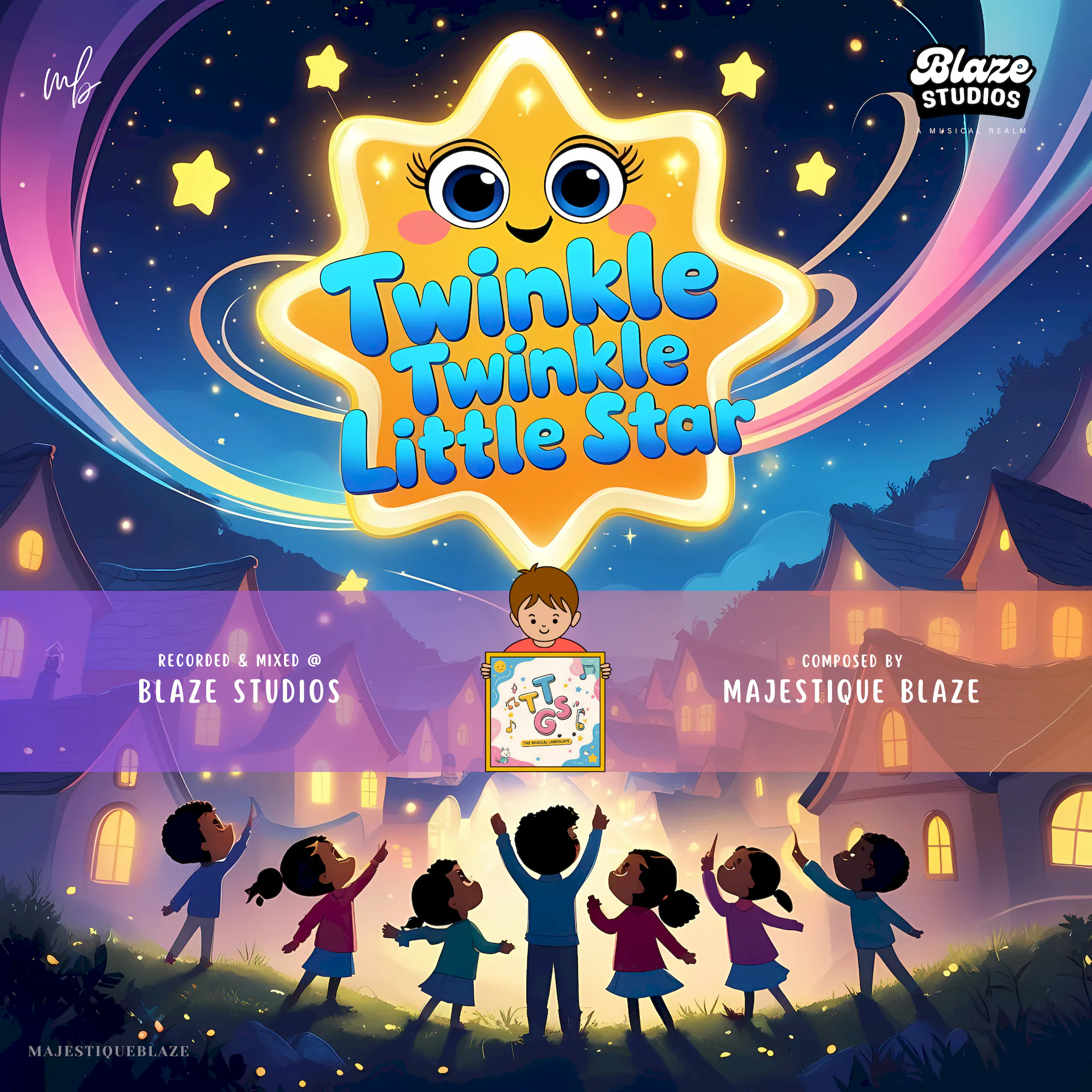
“Twinkle Twinkle Little Star” balances nature used as an emotional mirror with the vivid image “Twinkle twinkle, flyin' high.” The lyric becomes especially resonant when “Twinkle, twinkle, zoom and spin” returns as its emotional refrain.

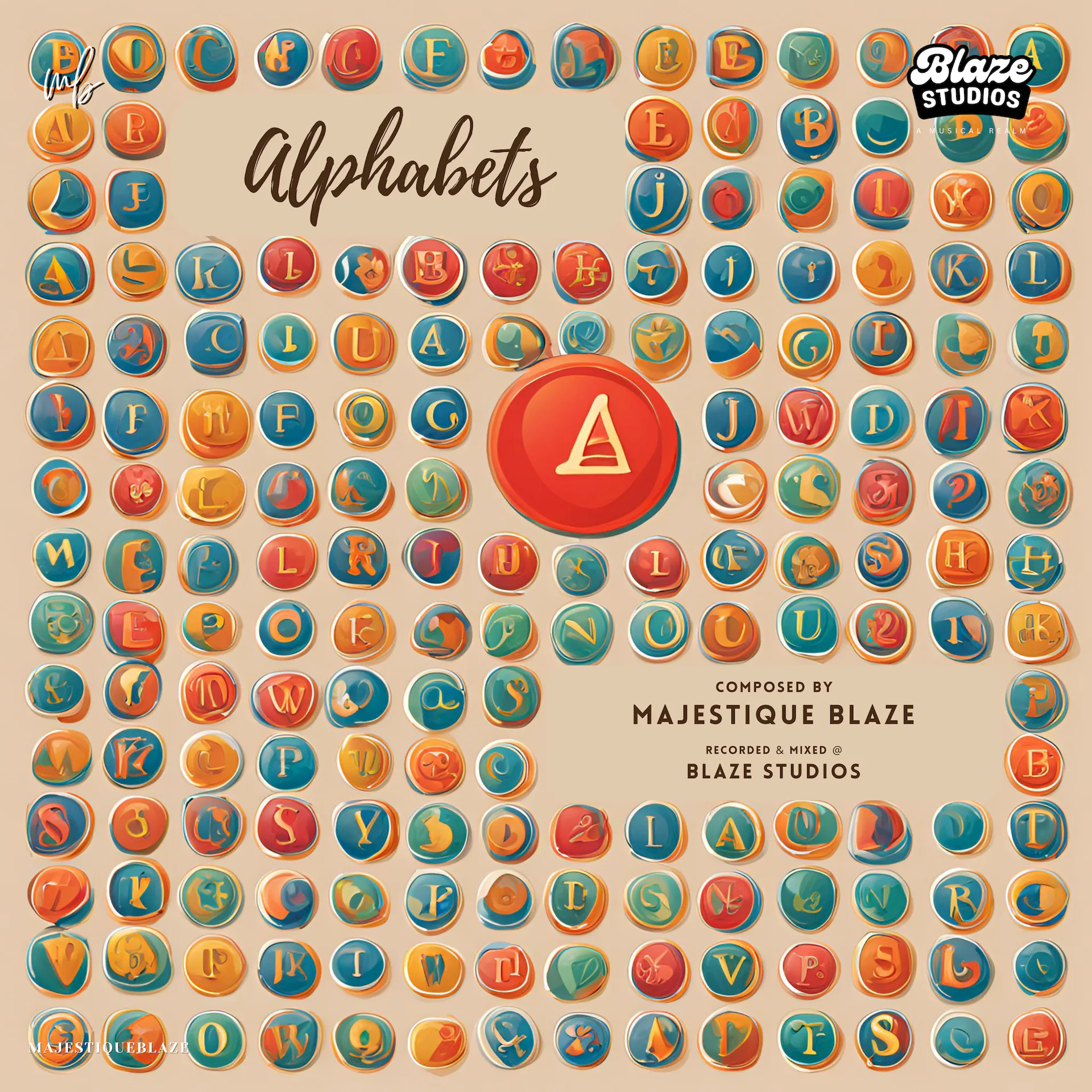
“Starts with Kids Humming” gives “Alphabets” its distinctive colour. Around that line, the song builds a deliberately light-footed kind of humour and lets “A-B-C, we've learned them all today” carry the final shift in perspective.

“Long ago in Bethlehem town” is the image that unlocks “Baby Jesus”: a song shaped by a sense of bodies, lights, and beats moving as one. The chorus then sharpens the feeling through “Baby Jesus, our hearts sing for you.”

“Save The Children” builds its emotional contrast between “In the shadows, where the light fades away” and “Oh, the dreams that they hold inside,” carrying the human cost hidden behind systems and slogans. The song lets its images do most of the explaining.