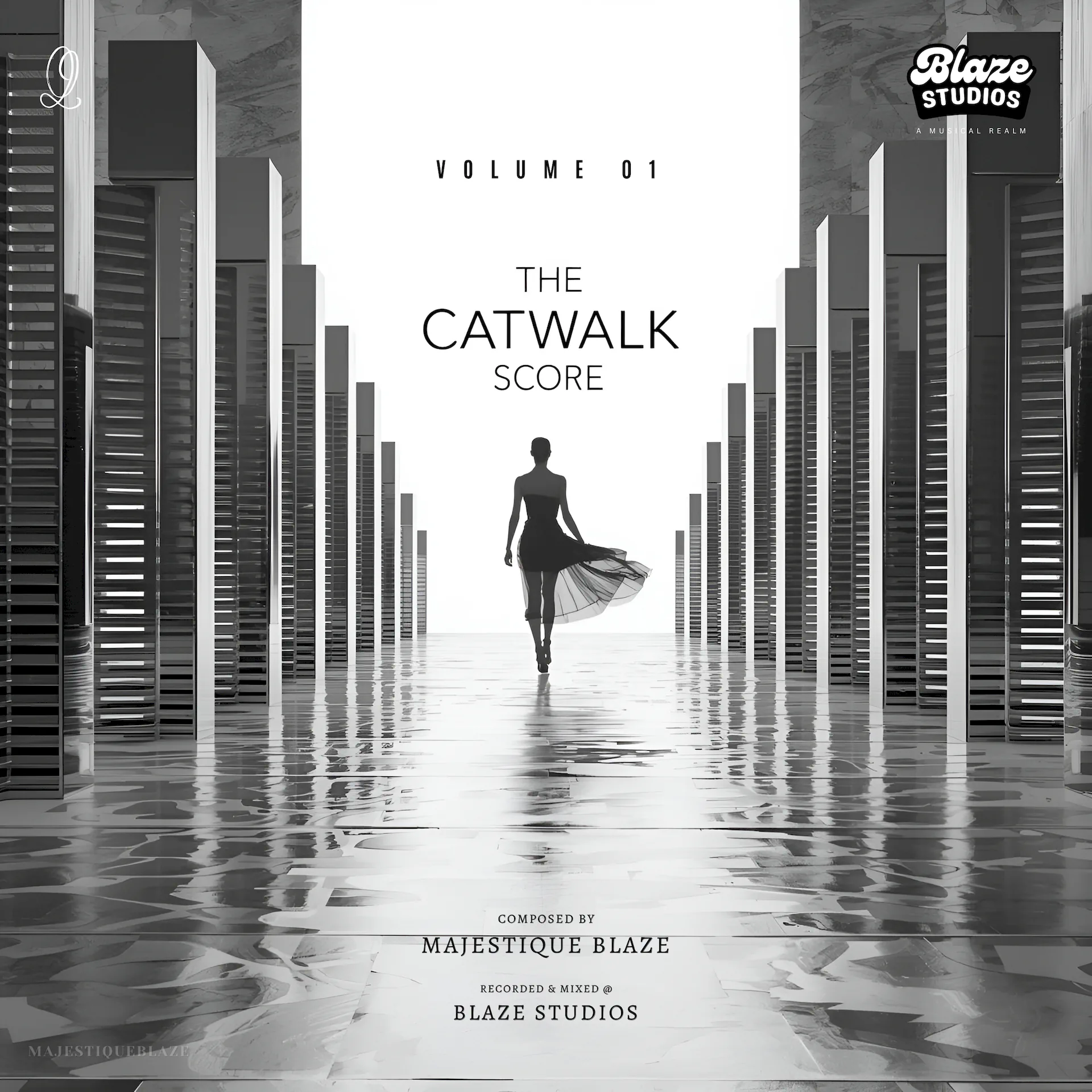
Instrumental · The Catwalk Score
Bold Expanse
“Bold Expanse” reads like a miniature film cue: sleek, poised, and runway-driven, shaped around the image suggested by its name and placed within the broader world of “The Catwalk Score - A1.”
Wordless stories that create their own worlds through atmosphere, movement, cinema and imagination.
“Bold Expanse” reads like a miniature film cue: sleek, poised, and runway-driven, shaped around the image suggested by its name and placed within the broader world of “The Catwalk Score - A1.”
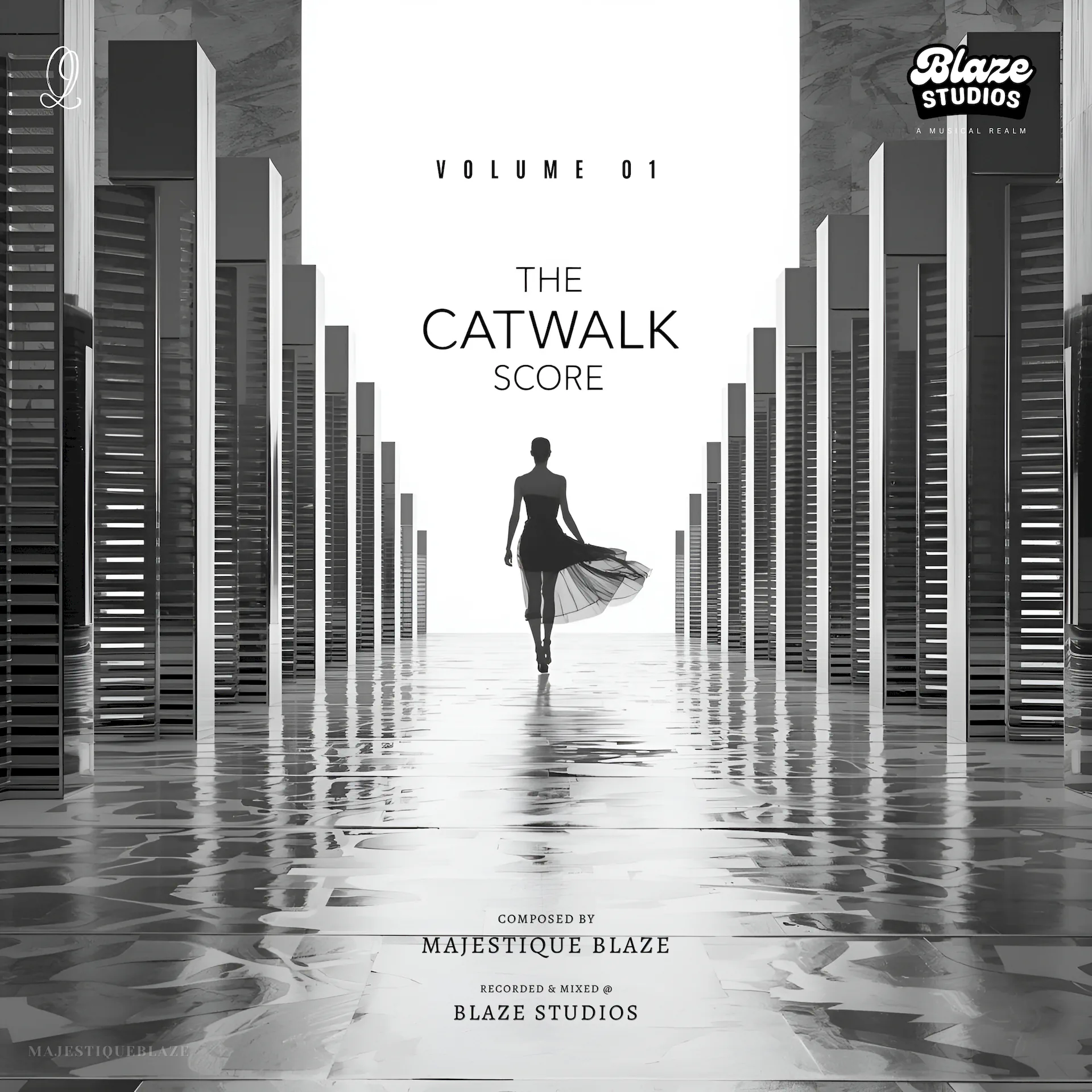
“Celestial Vogue” has no lyrics, but its name already suggests a direction. “The Catwalk Score - A1” turns that direction into something sleek, poised, and runway-driven.
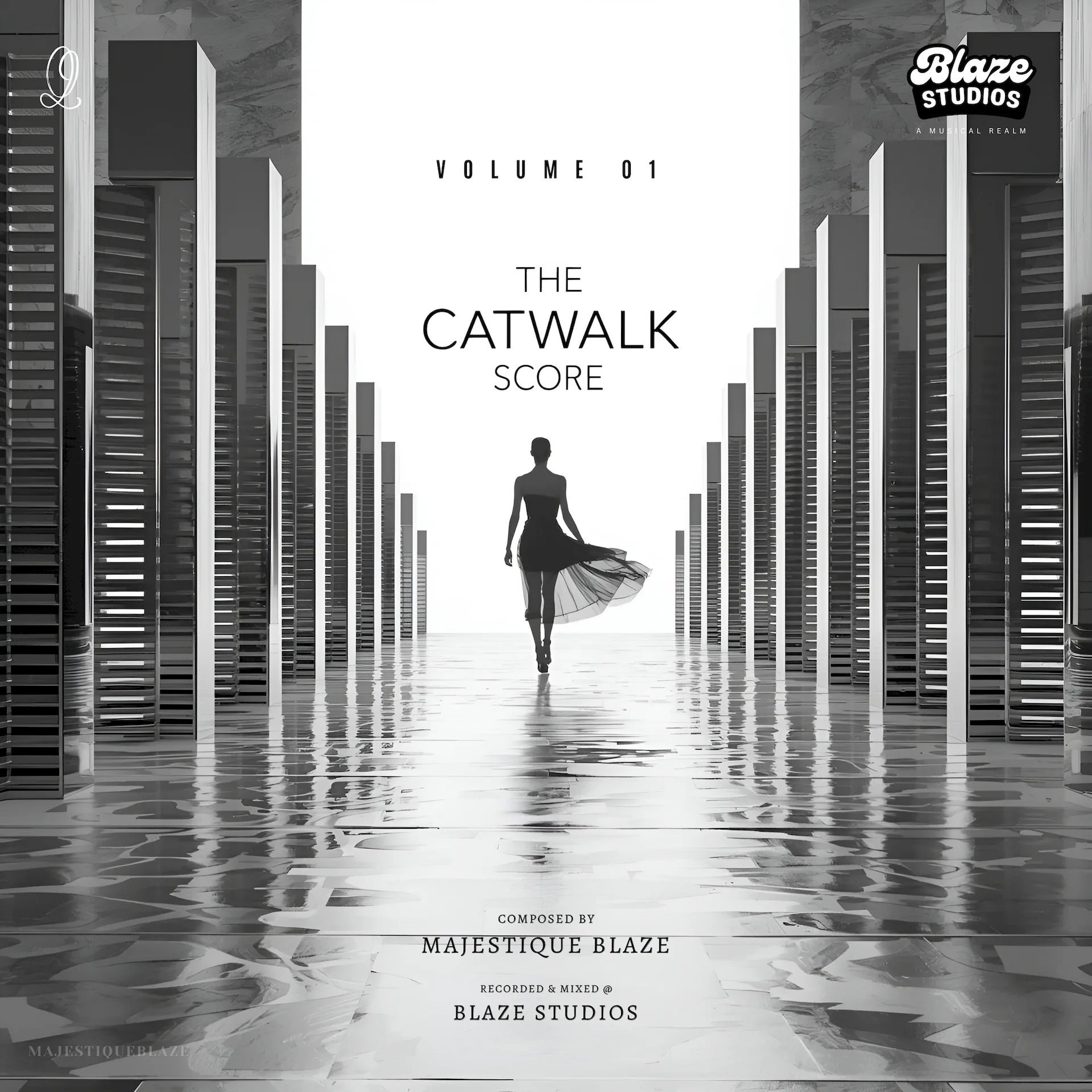
“Chromatic Vision” takes its larger frame from “The Catwalk Score - A1,” while its own name supplies the specific image. The piece reads as stylish, controlled, and visually suggestive and deliberately open-ended.
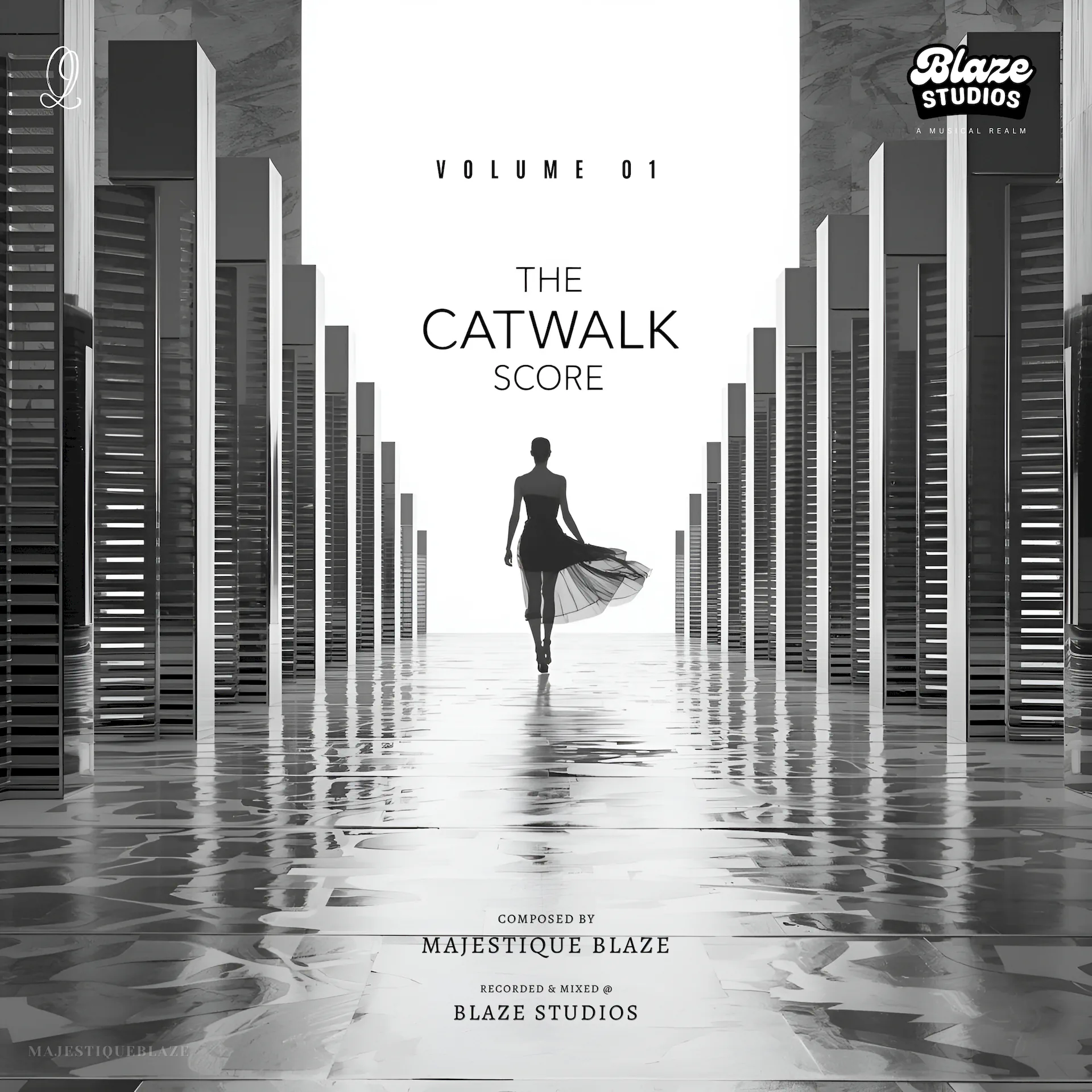
“Concrete Pulse” begins with a visual idea and lets “The Catwalk Score - A1” supply the wider universe around it. The result feels polished, fashion-film-like, and confident.
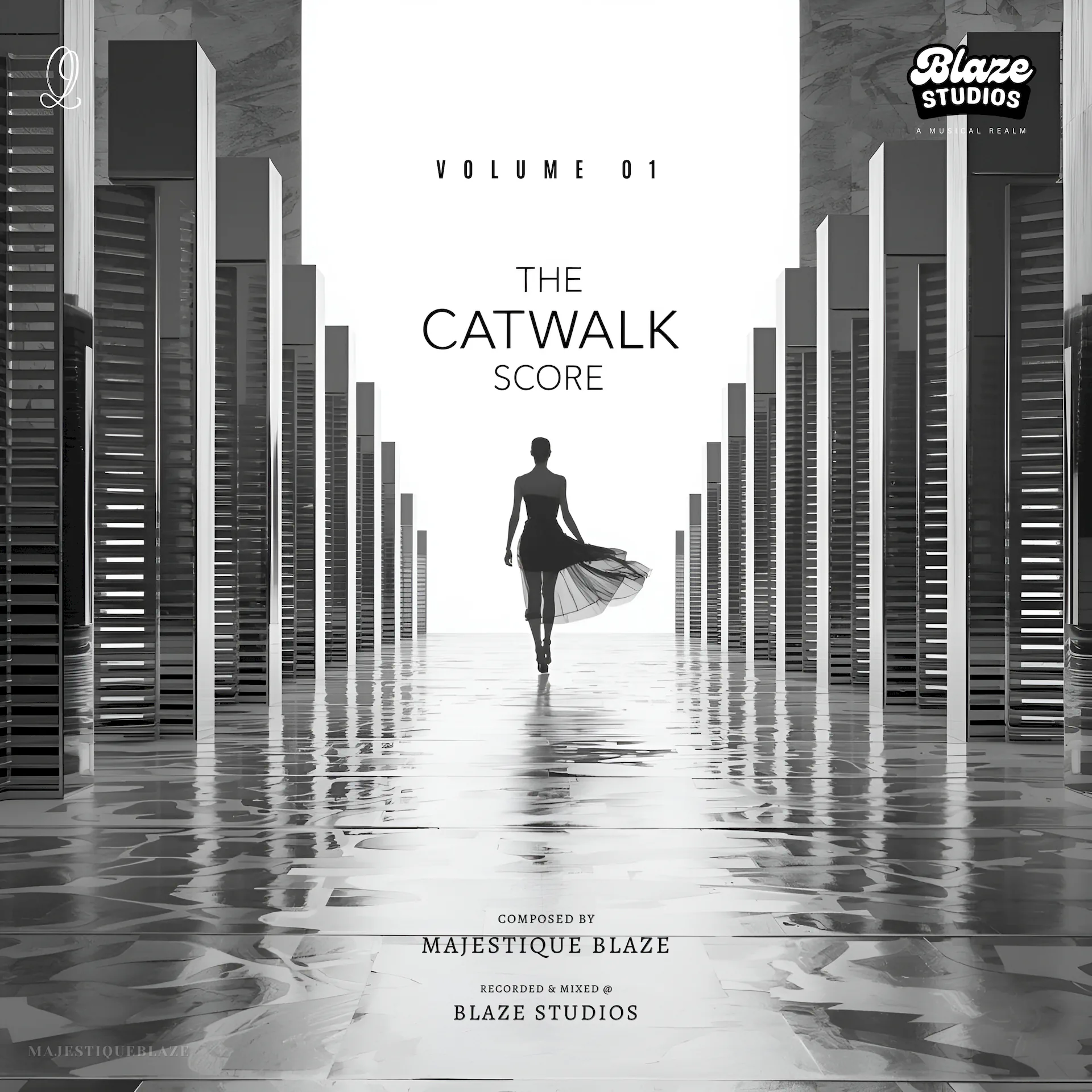
“Desert Majesty” gives “The Catwalk Score - A1” a polished, fashion-film-like, and confident pause or surge. Its meaning begins with the title and deliberately stays open.
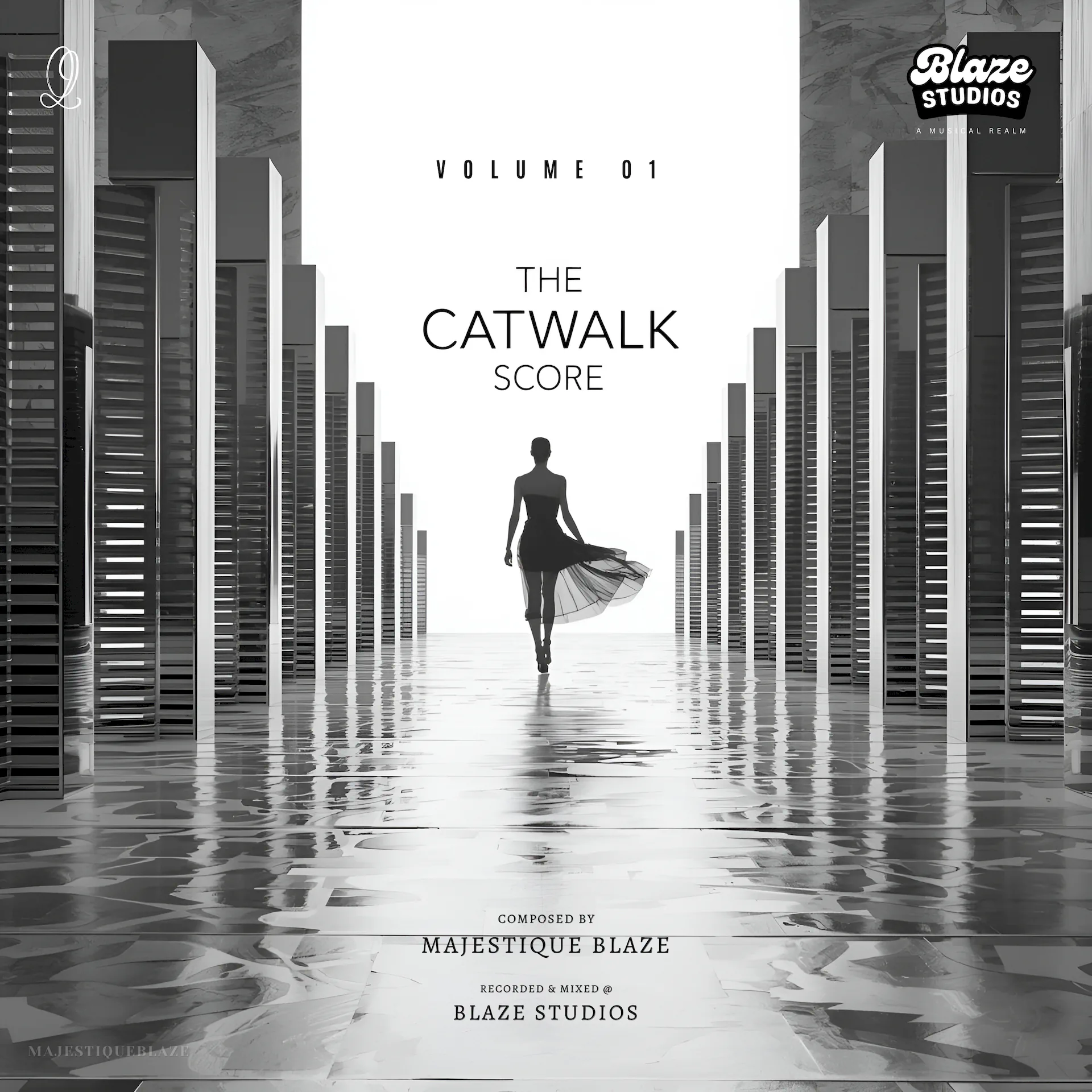
“Electric Strut” occupies a sleek, poised, and runway-driven space inside “The Catwalk Score - A1”; the phrase “electric Strut” gives the piece a visual direction before a note even begins.
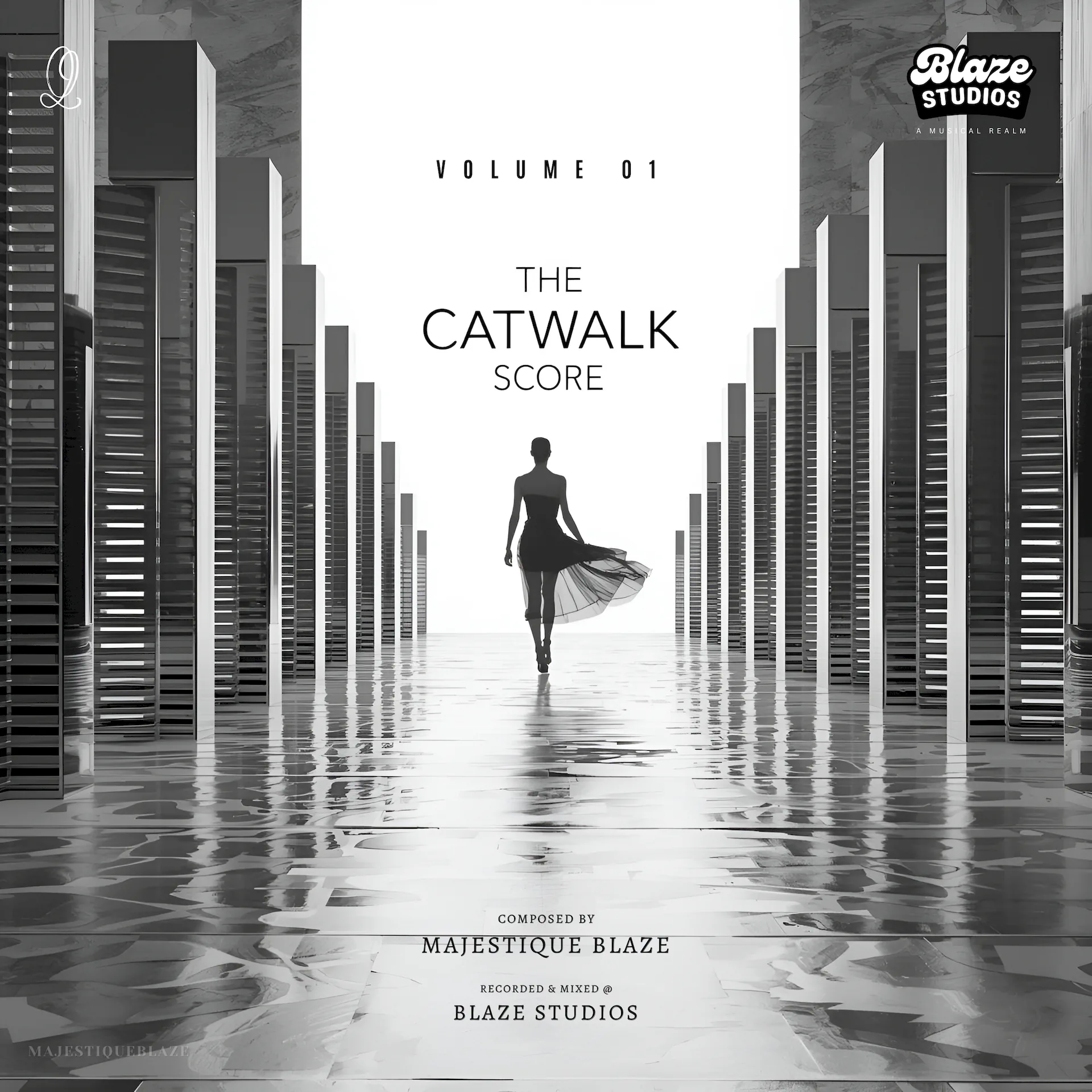
“Ethereal Motion” is wordless but not directionless: its name locates it inside “The Catwalk Score - A1,” and the imagined movement feels sleek, poised, and runway-driven.
“Gilded Motion” occupies a sleek, poised, and runway-driven corner of “The Catwalk Score - A1.” The imagery in its name acts as the piece’s unspoken narrative prompt.
“Gilded Strokes” is built as atmosphere with a strong visual cue. Within “The Catwalk Score - A1,” it lands as a sleek, poised, and runway-driven scene rather than a song-shaped narrative.
“Golden Drape” immediately sketches the idea of “golden Drape”; within “The Catwalk Score - A1,” that becomes a elegant, striding, and attitude-led instrumental moment rather than a literal story.
“Lunar Elegance” converts its title-image into atmosphere. Its place inside “The Catwalk Score - A1” makes the piece feel sleek, poised, and runway-driven rather than purely abstract.
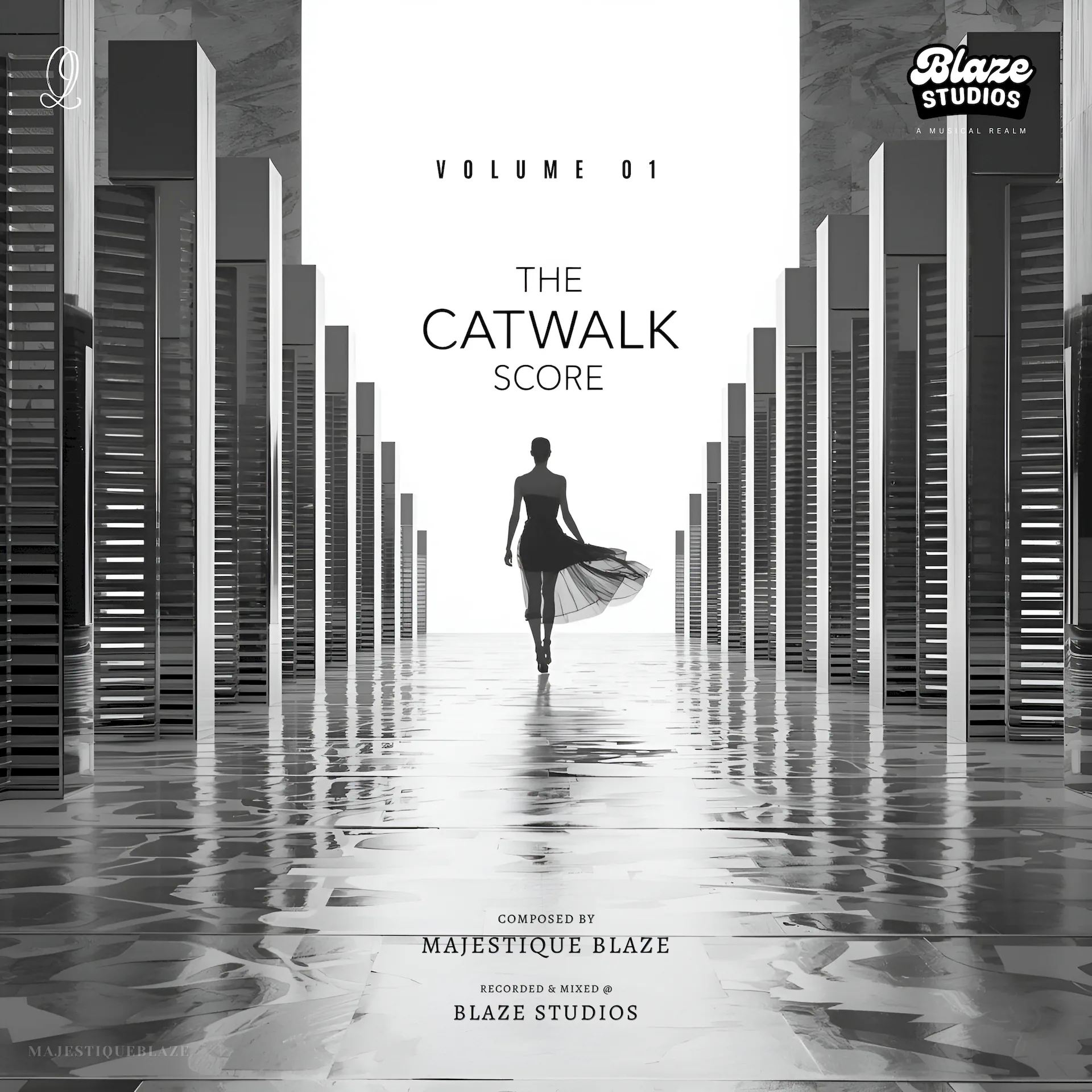
“Monochrome Flair” enters “The Catwalk Score - A1” as a sleek, poised, and runway-driven instrumental, turning the title-image “monochrome Flair” into a scene the listener can complete for themselves. The word “monochrome” adds a further suggestion of restraint, contrast, and beauty without excess.
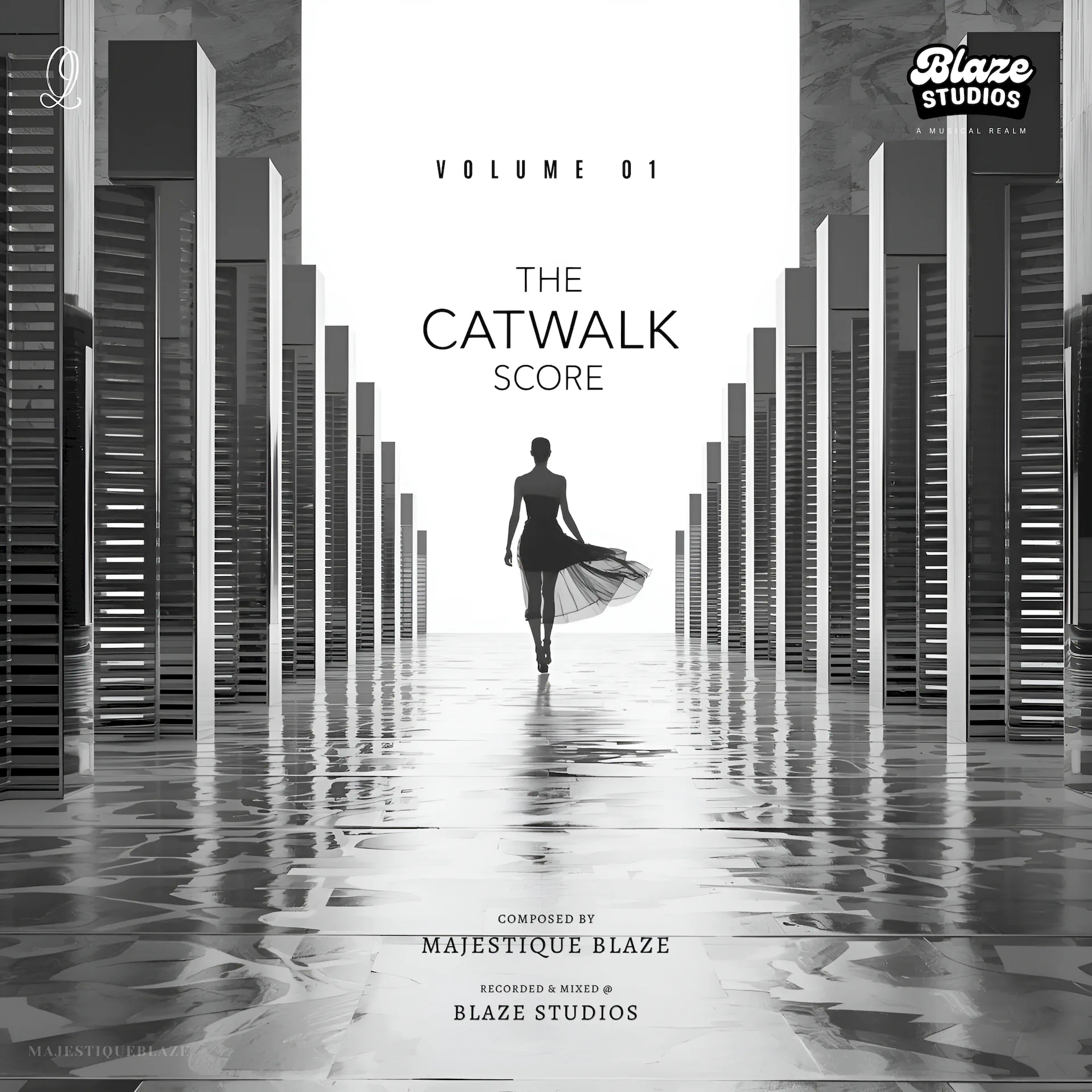
“Timeless Allure” names an image rather than explaining an emotion, and that image gives this polished, fashion-film-like, and confident “The Catwalk Score - A1” instrumental its personality.
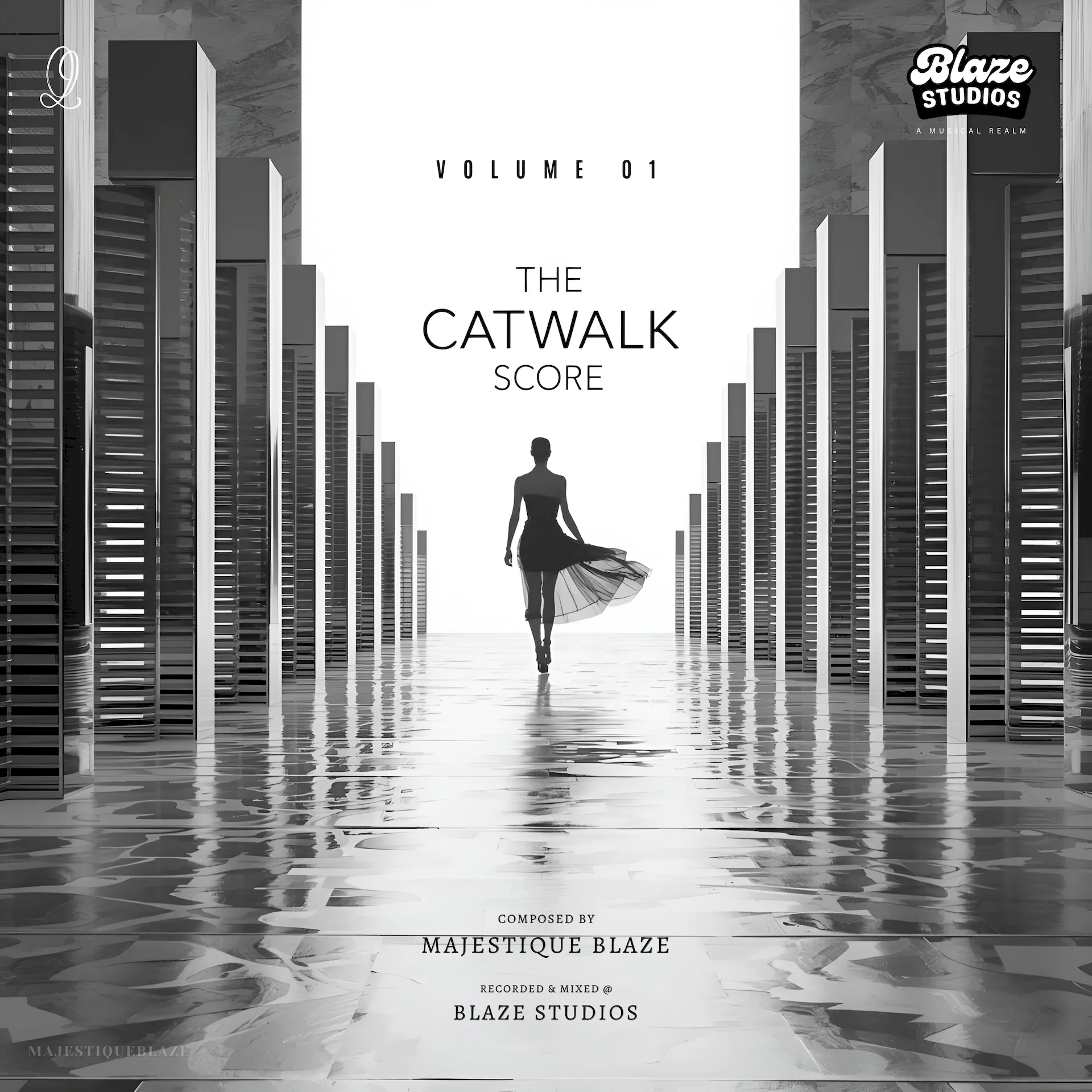
“Velocity Vogue” suggests a sleek, poised, and runway-driven scene before the music is even described. With no lyrics to fix the narrative, its name becomes the first camera angle.
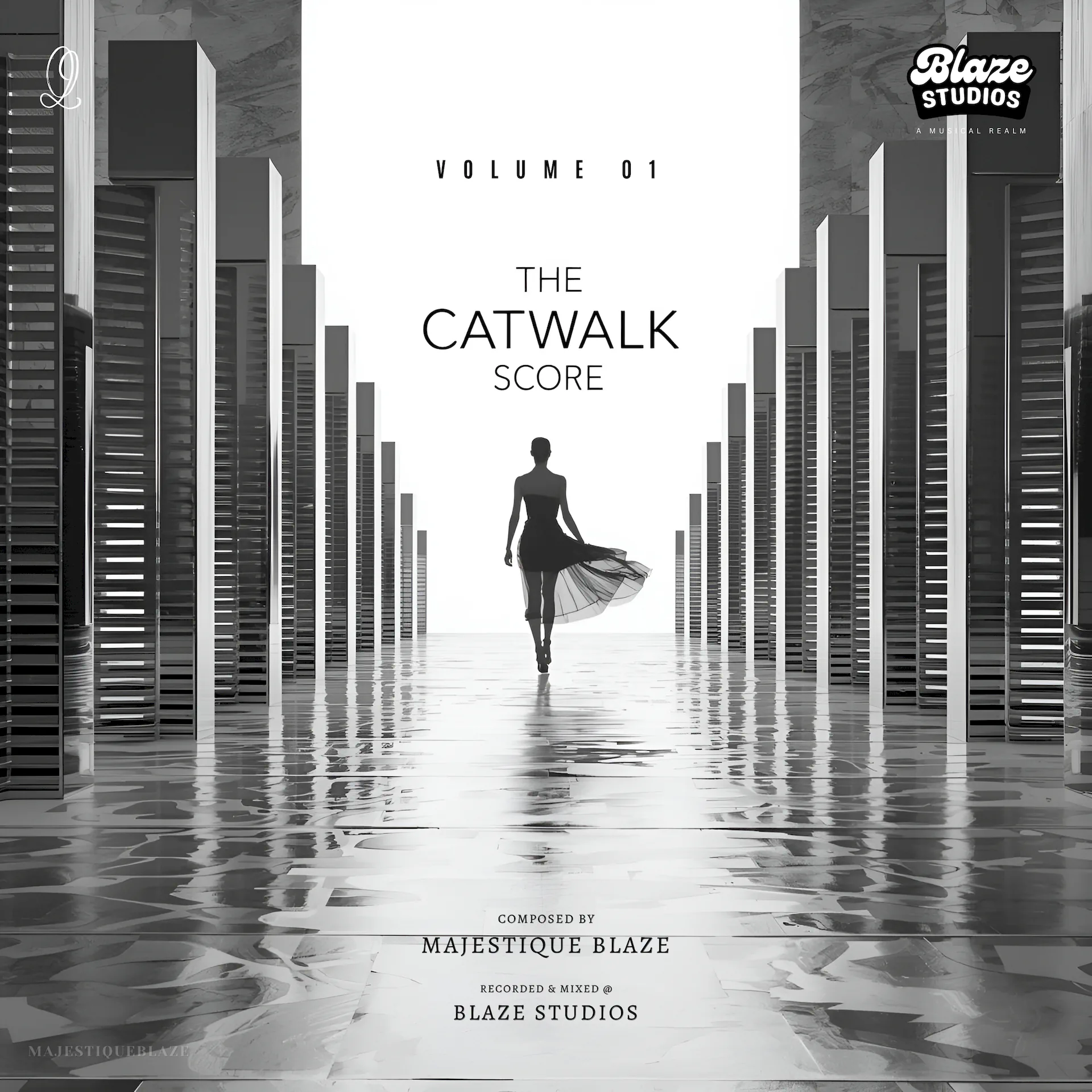
“Velvet Motion” lets its name do the first piece of storytelling, becoming a cue for a sleek, poised, and runway-driven instrumental scene inside “The Catwalk Score - A1.” The word “velvet” adds a further suggestion of softness, luxury, and controlled elegance.
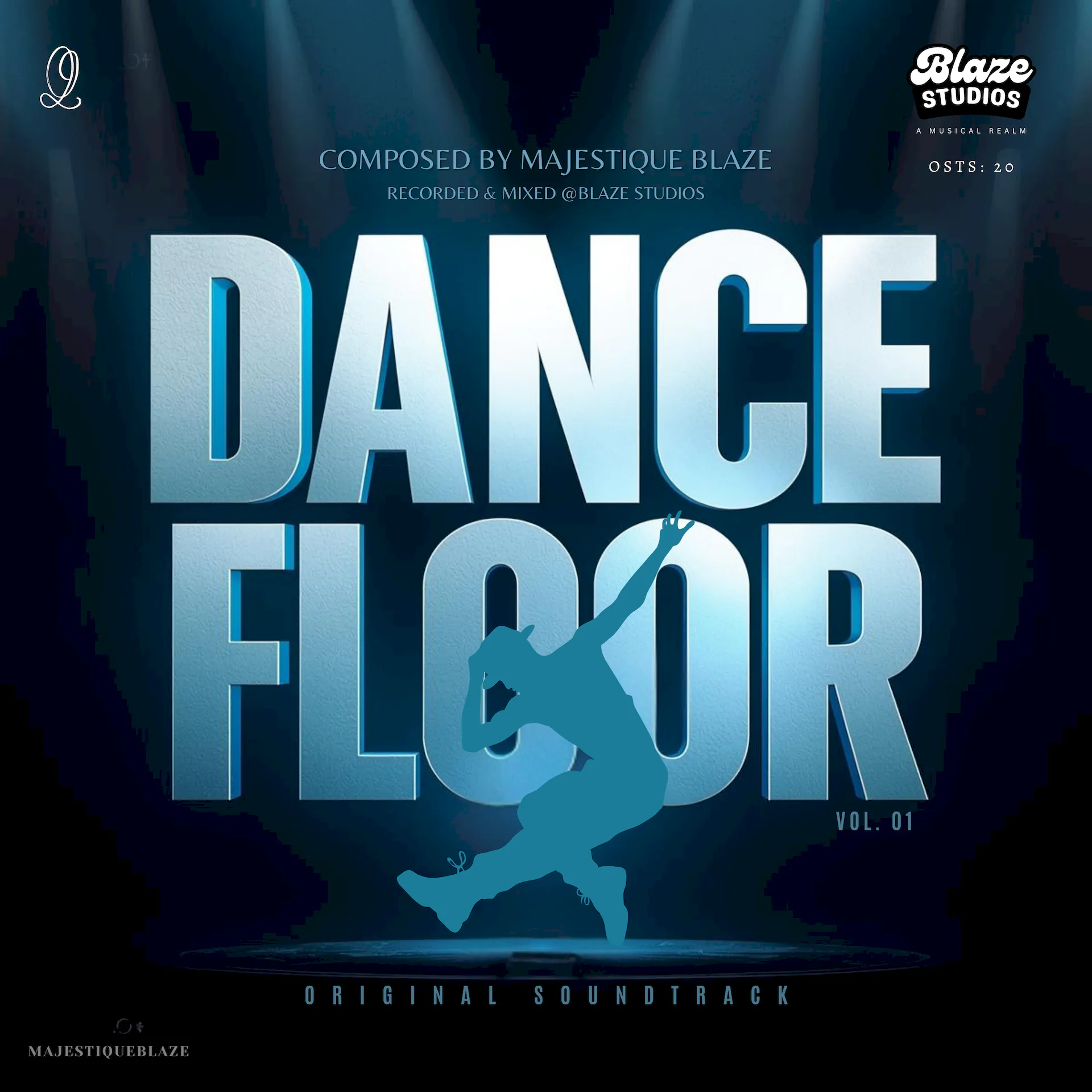
“Bass in the Spine” is wordless but not directionless: its name locates it inside “Dance Floor V1.0,” and the imagined movement feels rhythmic, physical, and high-energy. The word “bass” adds a further suggestion of weight, physicality, and the foundation beneath movement.
“Break The Count” suggests a movement-driven and release-oriented scene before the music is even described. With no lyrics to fix the narrative, its name becomes the first camera angle.
“Camera Eats This” gives “Dance Floor V1.0” a movement-driven and release-oriented pause or surge. Its meaning begins with the title and deliberately stays open.
“Count Zero” takes its larger frame from “Dance Floor V1.0,” while its own name supplies the specific image. The piece reads as club-facing and pulse-led and deliberately open-ended.
“Crew Control” works as a wordless vignette with a club-facing and pulse-led character. In the context of “Dance Floor V1.0,” its name supplies the scene’s first cue.
“Cyther Room” immediately sketches the idea of “cyther Room”; within “Dance Floor V1.0,” that becomes a club-facing and pulse-led instrumental moment rather than a literal story.
“Drop Practice” enters “Dance Floor V1.0” as a club-facing and pulse-led instrumental, turning the title-image “drop Practice” into a scene the listener can complete for themselves.
“Eight Count Addiction” occupies a club-facing and pulse-led corner of “Dance Floor V1.0.” The imagery in its name acts as the piece’s unspoken narrative prompt.
“Final Eight Count” has no lyrics, but its name already suggests a direction. “Dance Floor V1.0” turns that direction into something percussive, bright, and body-conscious.
“Floor Burner” converts its title-image into atmosphere. Its place inside “Dance Floor V1.0” makes the piece feel club-facing and pulse-led rather than purely abstract.
“Groove Switch” feels like a scene cut from “Dance Floor V1.0”—rhythmic, physical, and high-energy, visually anchored by the picture implied in its name.
“Hit The Floor First” begins with a visual idea and lets “Dance Floor V1.0” supply the wider universe around it. The result feels club-facing and pulse-led.
“Ignition Count” immediately sketches the idea of “ignition Count”; within “Dance Floor V1.0,” that becomes a percussive, bright, and body-conscious instrumental moment rather than a literal story.
“Last Count Wins” converts its title-image into atmosphere. Its place inside “Dance Floor V1.0” makes the piece feel percussive, bright, and body-conscious rather than purely abstract.
“Neon Motion” names an image rather than explaining an emotion, and that image gives this rhythmic, physical, and high-energy “Dance Floor V1.0” instrumental its personality.
“No Mirrors” reads like a miniature film cue: rhythmic, physical, and high-energy, shaped around the image suggested by its name and placed within the broader world of “Dance Floor V1.0.”
“No Practice Mirrors” occupies a club-facing and pulse-led space inside “Dance Floor V1.0”; the phrase “no Practice Mirrors” gives the piece a visual direction before a note even begins.
“Switch Up The Step” is built as atmosphere with a strong visual cue. Within “Dance Floor V1.0,” it lands as a percussive, bright, and body-conscious scene rather than a song-shaped narrative.
“Viral Step” lets its name do the first piece of storytelling, becoming a cue for a club-facing and pulse-led instrumental scene inside “Dance Floor V1.0.”
“Viral Step II” turns its title-image into wordless storytelling. The surrounding “Dance Floor V1.0” concept makes that storytelling feel percussive, bright, and body-conscious.
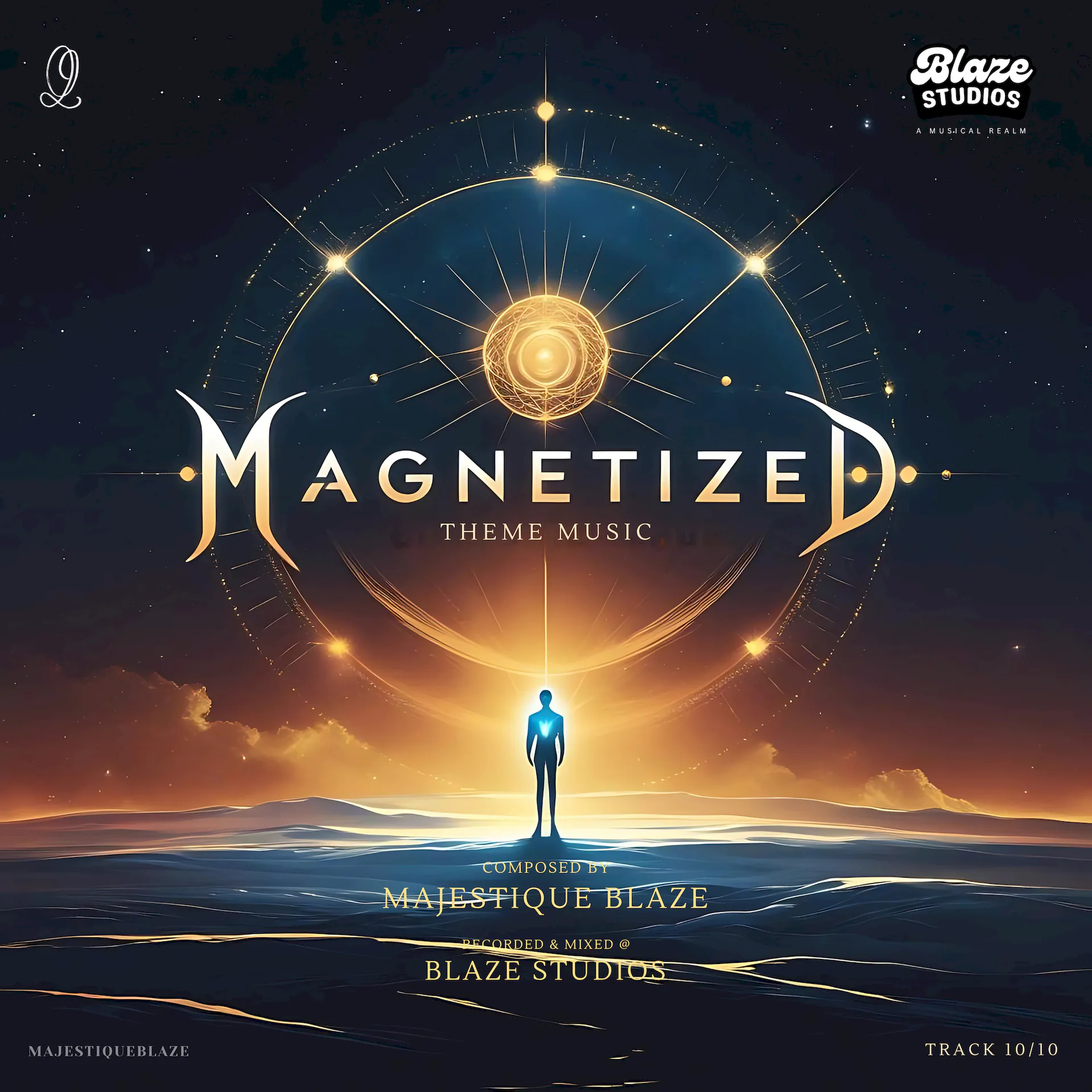
“Magnetized Theme” feels like a scene cut from “Magnetized”—cinematic and mood-led, visually anchored by the picture implied in its name.
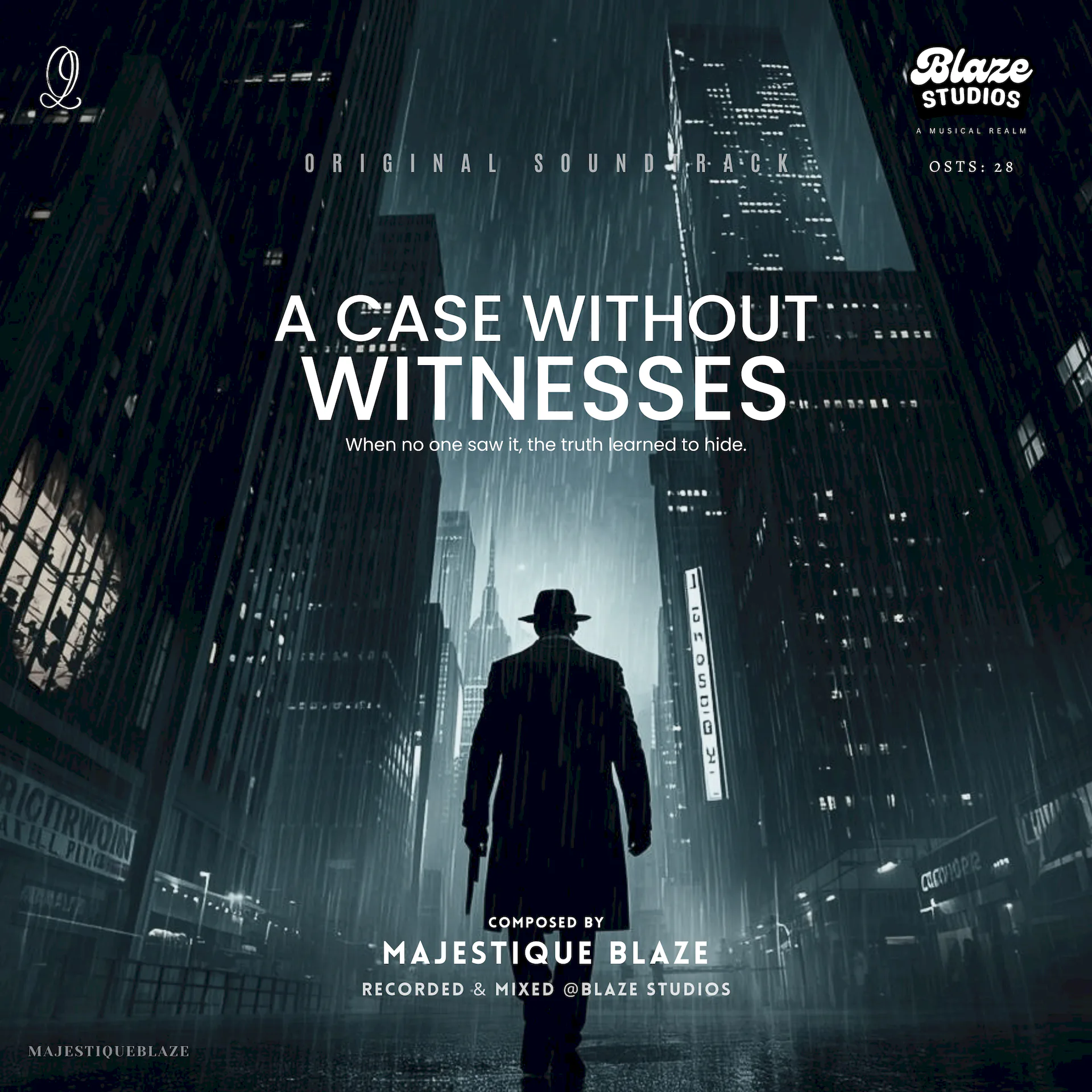
“A Case Without Witnesses - End Credits” reads like a miniature film cue: tense and scene-setting, shaped around the image suggested by its name and placed within the broader world of “A Case Without Witnesses.” The word “case” adds a further suggestion of mystery, structure, and unanswered questions.
“A Case Without Witnesses - Opening Credits” immediately sketches the idea of “a Case Without Witnesses - Opening Credits”; within “A Case Without Witnesses,” that becomes a tense and scene-setting instrumental moment rather than a literal story.
“A Room That Remembered” enters “A Case Without Witnesses” as a cinematic, shadowed, and narrative instrumental, turning the title-image “a Room That Remembered” into a scene the listener can complete for themselves.
“Almost The Truth” has no lyrics, but its name already suggests a direction. “A Case Without Witnesses” turns that direction into something darkly atmospheric and reveal-driven.
“Answers Under Pressure” reads like a miniature film cue: suspenseful and tightly framed, shaped around the image suggested by its name and placed within the broader world of “A Case Without Witnesses.”
“Before Everything Changed” occupies a tense and scene-setting corner of “A Case Without Witnesses.” The imagery in its name acts as the piece’s unspoken narrative prompt.
“Convincing Enough” takes its larger frame from “A Case Without Witnesses,” while its own name supplies the specific image. The piece reads as suspenseful and tightly framed and deliberately open-ended.
“Detective Intro” converts its title-image into atmosphere. Its place inside “A Case Without Witnesses” makes the piece feel tense and scene-setting rather than purely abstract.
“Everything Tilts” names an image rather than explaining an emotion, and that image gives this darkly atmospheric and reveal-driven “A Case Without Witnesses” instrumental its personality.
“Face To Face” lets its name do the first piece of storytelling, becoming a cue for a suspenseful and tightly framed instrumental scene inside “A Case Without Witnesses.”
“Keeping The Distance” begins with a visual idea and lets “A Case Without Witnesses” supply the wider universe around it. The result feels suspenseful and tightly framed.
“Logic Finds Its Path” converts its title-image into atmosphere. Its place inside “A Case Without Witnesses” makes the piece feel cinematic, shadowed, and narrative rather than purely abstract.
“No More Distance” suggests a cinematic, shadowed, and narrative scene before the music is even described. With no lyrics to fix the narrative, its name becomes the first camera angle.
“No Time To Think” occupies a cinematic, shadowed, and narrative space inside “A Case Without Witnesses”; the phrase “no Time To Think” gives the piece a visual direction before a note even begins.
“Out Of Light” is wordless but not directionless: its name locates it inside “A Case Without Witnesses,” and the imagined movement feels darkly atmospheric and reveal-driven.
“Something Didn't Belong” turns its title-image into wordless storytelling. The surrounding “A Case Without Witnesses” concept makes that storytelling feel suspenseful and tightly framed.
“Steps In The Shadow” gives “A Case Without Witnesses” a suspenseful and tightly framed pause or surge. Its meaning begins with the title and deliberately stays open.
“The Case Is Over The Damage” works as a wordless vignette with a darkly atmospheric and reveal-driven character. In the context of “A Case Without Witnesses,” its name supplies the scene’s first cue.
“The Case That Never Closed” is built as atmosphere with a strong visual cue. Within “A Case Without Witnesses,” it lands as a darkly atmospheric and reveal-driven scene rather than a song-shaped narrative. The word “case” adds a further suggestion of mystery, structure, and unanswered questions.
“The City After Midnight” suggests a tense and scene-setting scene before the music is even described. With no lyrics to fix the narrative, its name becomes the first camera angle.
“The City Keeps Breathing” feels like a scene cut from “A Case Without Witnesses”—tense and scene-setting, visually anchored by the picture implied in its name.
“The Smallest Thing” works as a wordless vignette with a suspenseful and tightly framed character. In the context of “A Case Without Witnesses,” its name supplies the scene’s first cue.
“This Was Never The Case” enters “A Case Without Witnesses” as a suspenseful and tightly framed instrumental, turning the title-image “this Was Never The Case” into a scene the listener can complete for themselves. The word “case” adds a further suggestion of mystery, structure, and unanswered questions.
“Waiting For A Crack” feels like a scene cut from “A Case Without Witnesses”—tense and scene-setting, visually anchored by the picture implied in its name.
“Walking The Long Blocks” lets its name do the first piece of storytelling, becoming a cue for a cinematic, shadowed, and narrative instrumental scene inside “A Case Without Witnesses.”
“What Justice Costs” turns its title-image into wordless storytelling. The surrounding “A Case Without Witnesses” concept makes that storytelling feel suspenseful and tightly framed.
“When Pieces Agree” immediately sketches the idea of “when Pieces Agree”; within “A Case Without Witnesses,” that becomes a suspenseful and tightly framed instrumental moment rather than a literal story.
“Where The Noise Ends” names an image rather than explaining an emotion, and that image gives this tense and scene-setting “A Case Without Witnesses” instrumental its personality.
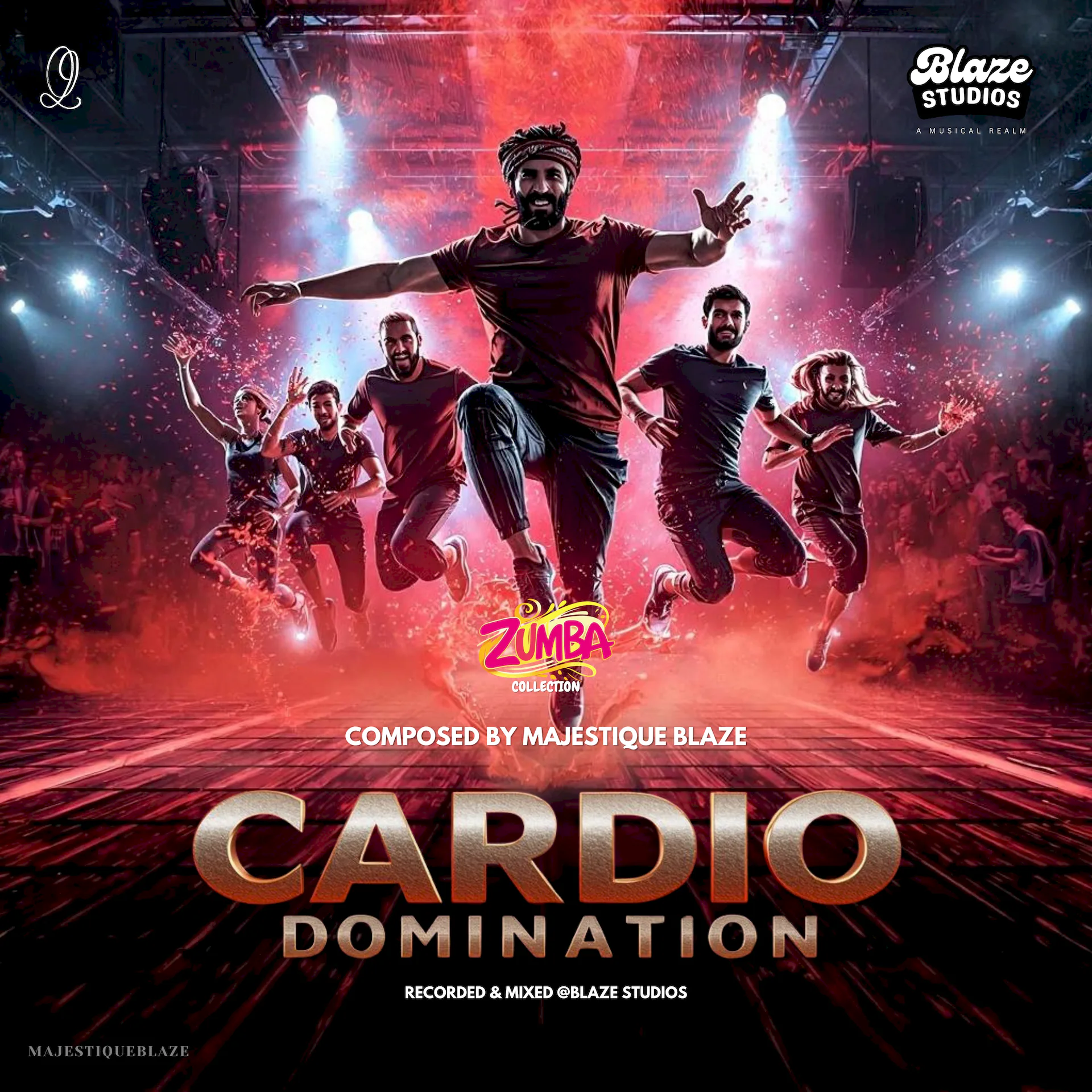
“Afterdark Dembow” immediately sketches the idea of “afterdark Dembow”; within “Cardio Domination - Zumba Collection,” that becomes a rhythmic, physical, and high-energy instrumental moment rather than a literal story.
“Bassquake Ritual” is built as atmosphere with a strong visual cue. Within “Cardio Domination - Zumba Collection,” it lands as a rhythmic, physical, and high-energy scene rather than a song-shaped narrative.
“Bootcamp Bounce” is wordless but not directionless: its name locates it inside “Cardio Domination - Zumba Collection,” and the imagined movement feels club-facing and pulse-led.
“Cardio Shockwave” takes its larger frame from “Cardio Domination - Zumba Collection,” while its own name supplies the specific image. The piece reads as percussive, bright, and body-conscious and deliberately open-ended.
“Carnival Overdrive” enters “Cardio Domination - Zumba Collection” as a rhythmic, physical, and high-energy instrumental, turning the title-image “carnival Overdrive” into a scene the listener can complete for themselves.
“Detonate Mode” begins with a visual idea and lets “Cardio Domination - Zumba Collection” supply the wider universe around it. The result feels club-facing and pulse-led.
“Electric Carnaval” turns its title-image into wordless storytelling. The surrounding “Cardio Domination - Zumba Collection” concept makes that storytelling feel percussive, bright, and body-conscious.
“Endgame Cardio” reads like a miniature film cue: movement-driven and release-oriented, shaped around the image suggested by its name and placed within the broader world of “Cardio Domination - Zumba Collection.”
“Final Burn Protocol” converts its title-image into atmosphere. Its place inside “Cardio Domination - Zumba Collection” makes the piece feel movement-driven and release-oriented rather than purely abstract.
“Fuego Command” names an image rather than explaining an emotion, and that image gives this percussive, bright, and body-conscious “Cardio Domination - Zumba Collection” instrumental its personality.
“Heatwave Protocol” has no lyrics, but its name already suggests a direction. “Cardio Domination - Zumba Collection” turns that direction into something movement-driven and release-oriented.
“Midnight Reggaeton Assault” feels like a scene cut from “Cardio Domination - Zumba Collection”—movement-driven and release-oriented, visually anchored by the picture implied in its name.
“Neon Jungle Heat” suggests a rhythmic, physical, and high-energy scene before the music is even described. With no lyrics to fix the narrative, its name becomes the first camera angle.
“Redline Ignition” immediately sketches the idea of “redline Ignition”; within “Cardio Domination - Zumba Collection,” that becomes a rhythmic, physical, and high-energy instrumental moment rather than a literal story.
“Rumble Fiesta” works as a wordless vignette with a rhythmic, physical, and high-energy character. In the context of “Cardio Domination - Zumba Collection,” its name supplies the scene’s first cue.
“Savage Samba Storm” gives “Cardio Domination - Zumba Collection” a rhythmic, physical, and high-energy pause or surge. Its meaning begins with the title and deliberately stays open. The word “storm” adds a further suggestion of pressure, conflict, and unstable momentum.
“Shockwave Momentum” converts its title-image into atmosphere. Its place inside “Cardio Domination - Zumba Collection” makes the piece feel rhythmic, physical, and high-energy rather than purely abstract.
“Tribal Shock” occupies a movement-driven and release-oriented space inside “Cardio Domination - Zumba Collection”; the phrase “tribal Shock” gives the piece a visual direction before a note even begins. The word “tribal” adds a further suggestion of collective pulse, rooted rhythm, and communal movement.
“Turbo Twerk Riot” lets its name do the first piece of storytelling, becoming a cue for a club-facing and pulse-led instrumental scene inside “Cardio Domination - Zumba Collection.”
“Voltage Parade” occupies a club-facing and pulse-led corner of “Cardio Domination - Zumba Collection.” The imagery in its name acts as the piece’s unspoken narrative prompt.

“A Christmas in Tuscany (Italy)” has no lyrics, but its name already suggests a direction. “Winter Stars Of The World Vol 2.0” turns that direction into something quiet, fluid, and slow-moving.

“A Christmas Whisper in China (China)” enters “Winter Stars Of The World Vol 2.0” as a spacious and contemplative instrumental, turning the title-image “a Christmas Whisper in China (China)” into a scene the listener can complete for themselves. The word “whisper” adds a further suggestion of intimacy, secrecy, and meaning carried quietly.

“A Filipino Christmas Sky (Philippines)” is built as atmosphere with a strong visual cue. Within “Winter Stars Of The World Vol 2.0,” it lands as a gently atmospheric and restrained scene rather than a song-shaped narrative.
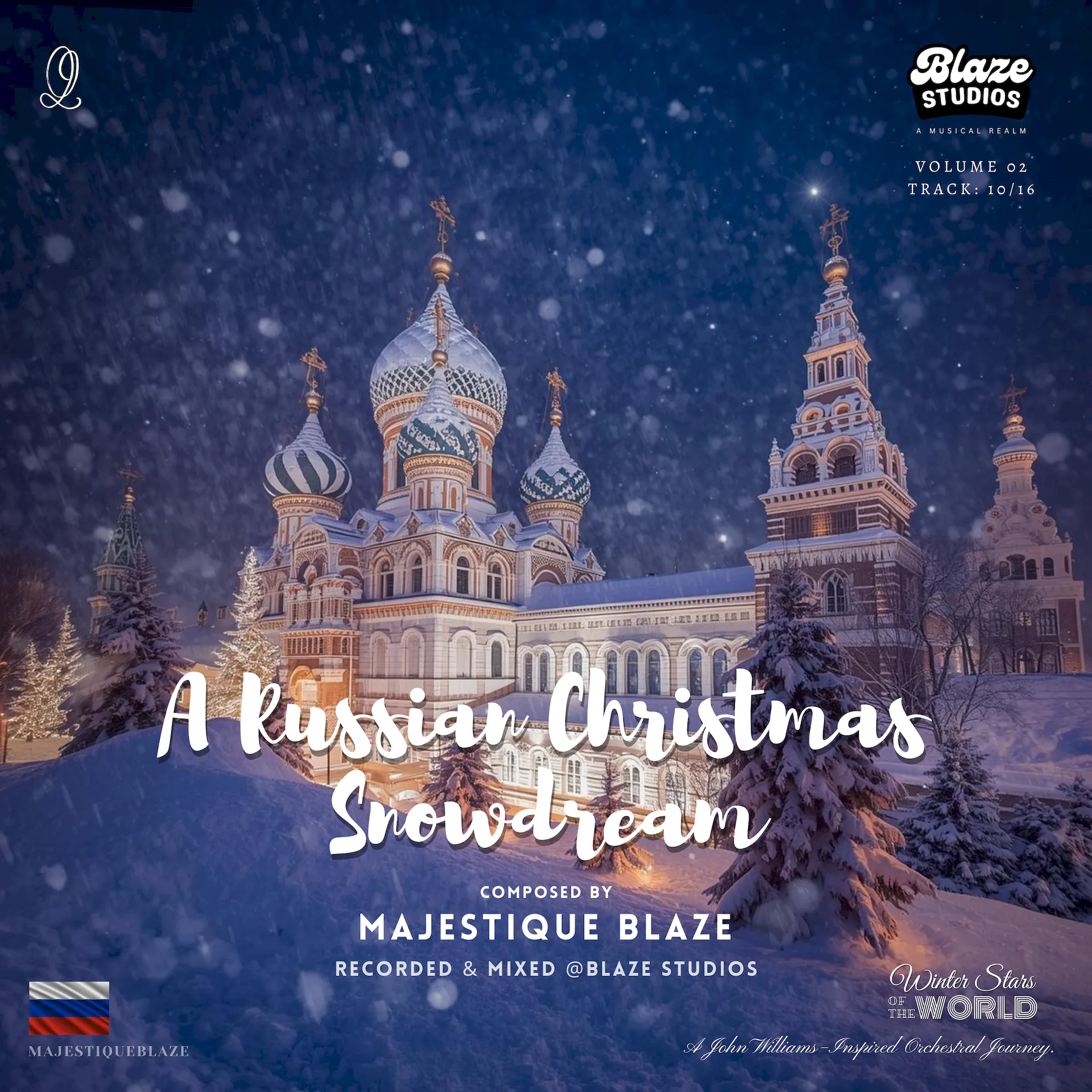
“A Russian Christmas Snowdream (Russia)” occupies a quiet, fluid, and slow-moving corner of “Winter Stars Of The World Vol 2.0.” The imagery in its name acts as the piece’s unspoken narrative prompt.

“A Tropical Starry Night (Brazil)” occupies a spacious and contemplative space inside “Winter Stars Of The World Vol 2.0”; the phrase “a Tropical Starry Night (Brazil)” gives the piece a visual direction before a note even begins.

“Christmas Lanterns of Mexico (Mexico)” gives “Winter Stars Of The World Vol 2.0” a spacious and contemplative pause or surge. Its meaning begins with the title and deliberately stays open.
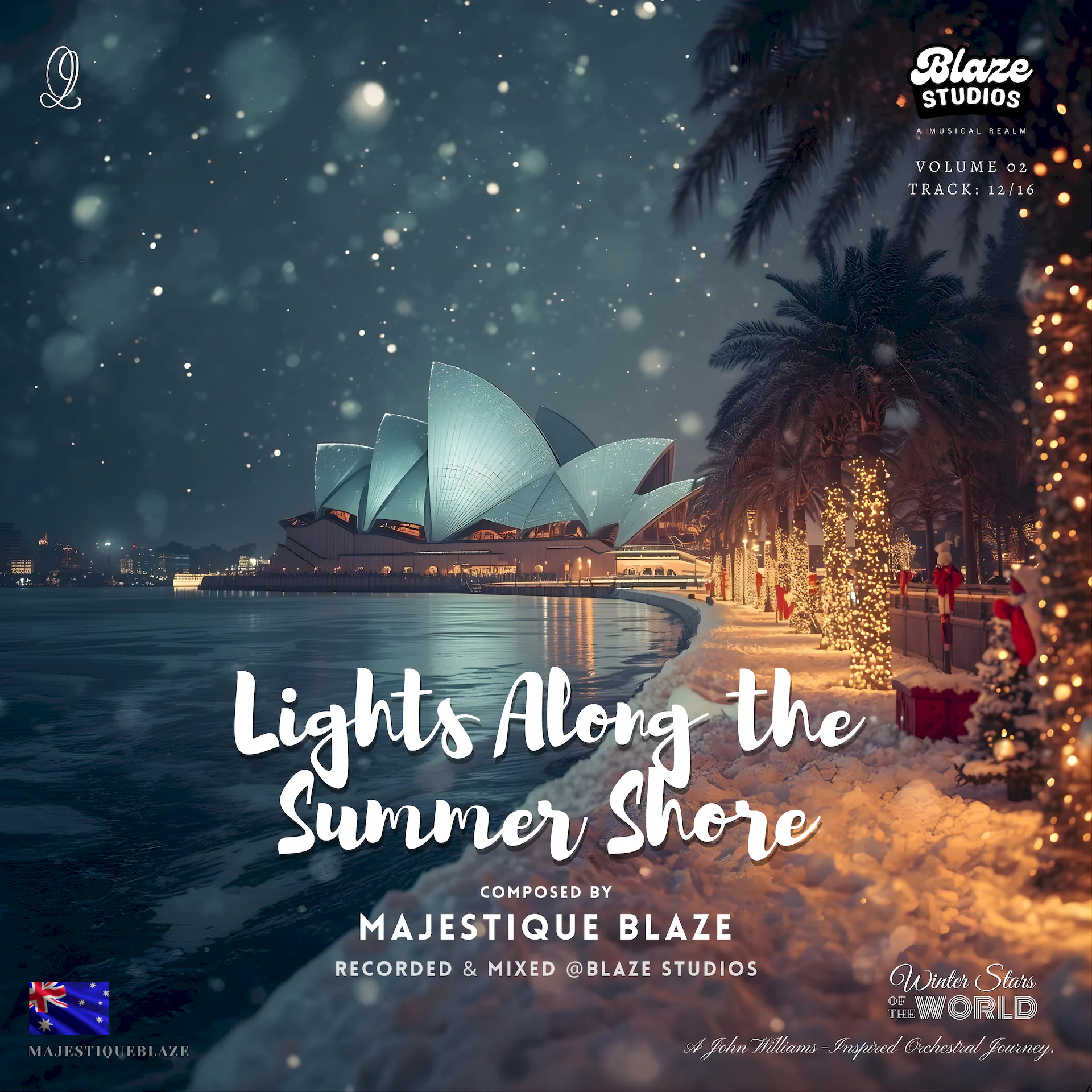
“Lights Along the Summer Shore (Australia)” immediately sketches the idea of “lights Along the Summer Shore (Australia)”; within “Winter Stars Of The World Vol 2.0,” that becomes a quiet, fluid, and slow-moving instrumental moment rather than a literal story.

“Lights of the Old German Winter (German)” reads like a miniature film cue: quiet, fluid, and slow-moving, shaped around the image suggested by its name and placed within the broader world of “Winter Stars Of The World Vol 2.0.”
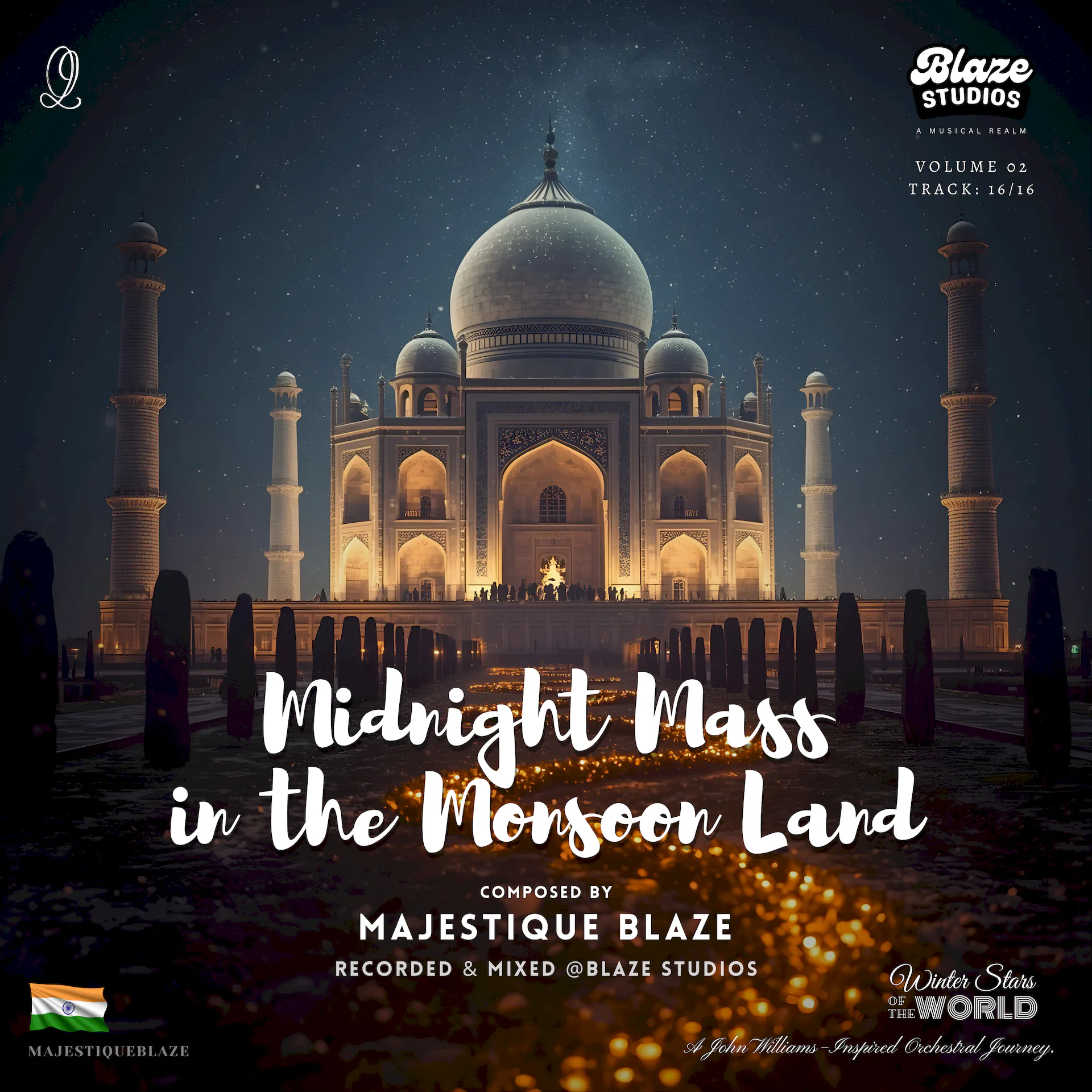
“Midnight Mass in the Monsoon Land (India)” suggests a spacious and contemplative scene before the music is even described. With no lyrics to fix the narrative, its name becomes the first camera angle.
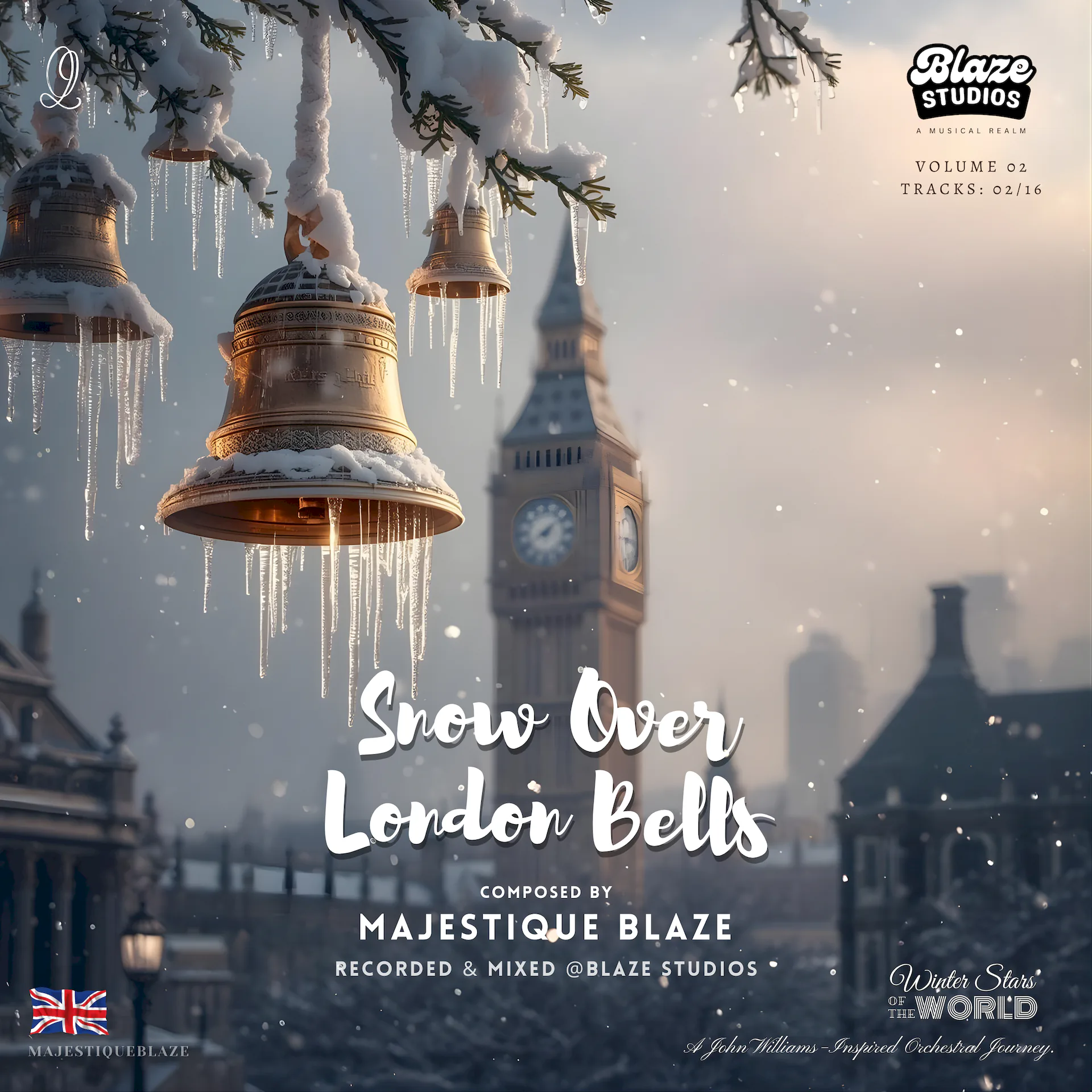
“Snow Over London's Bells (British)” feels like a scene cut from “Winter Stars Of The World Vol 2.0”—gently atmospheric and restrained, visually anchored by the picture implied in its name.
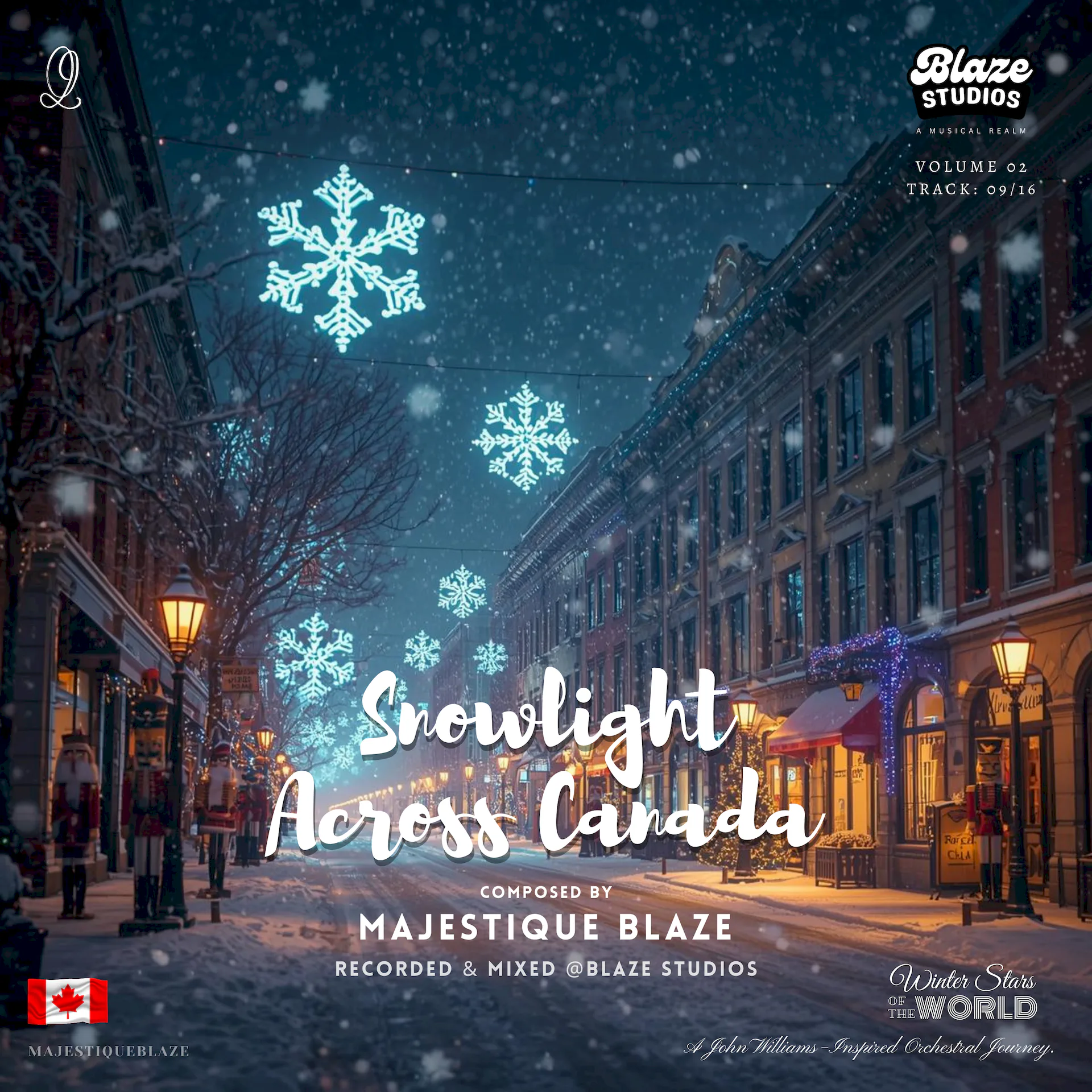
“Snowlight Across Canada (Canada)” is wordless but not directionless: its name locates it inside “Winter Stars Of The World Vol 2.0,” and the imagined movement feels quiet, fluid, and slow-moving.

“The American Christmas Star (America)” works as a wordless vignette with a gently atmospheric and restrained character. In the context of “Winter Stars Of The World Vol 2.0,” its name supplies the scene’s first cue.

“The Christmas Fires of Espania (Spain)” begins with a visual idea and lets “Winter Stars Of The World Vol 2.0” supply the wider universe around it. The result feels gently atmospheric and restrained.

“The Snow Lantern Christmas (Japan)” names an image rather than explaining an emotion, and that image gives this spacious and contemplative “Winter Stars Of The World Vol 2.0” instrumental its personality.

“The Warm Winds of December (South Africa)” converts its title-image into atmosphere. Its place inside “Winter Stars Of The World Vol 2.0” makes the piece feel gently atmospheric and restrained rather than purely abstract.
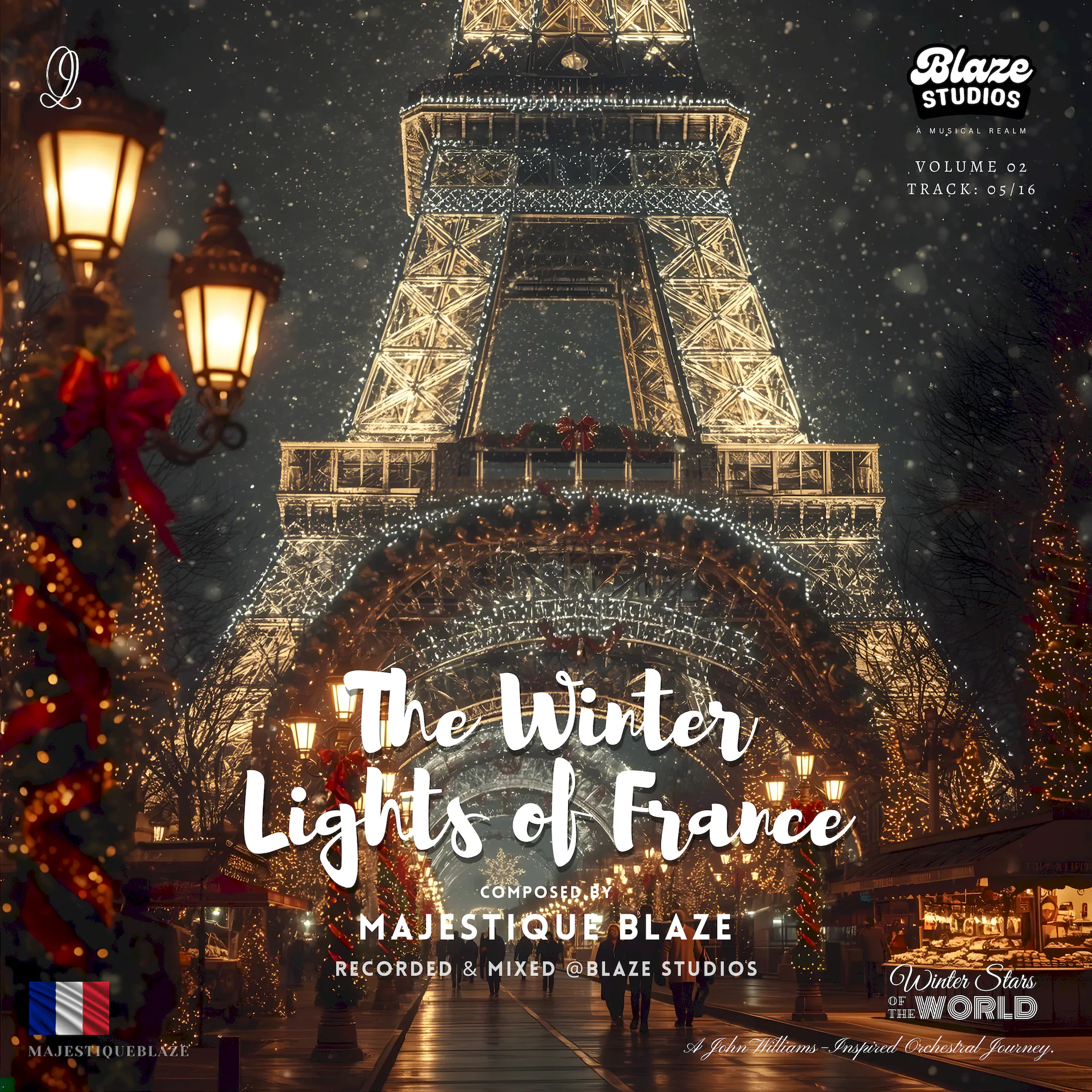
“The Winter Lights of France (France)” takes its larger frame from “Winter Stars Of The World Vol 2.0,” while its own name supplies the specific image. The piece reads as gently atmospheric and restrained and deliberately open-ended.
![Poster for A Southern Star Christmas [ Australia ]](../../assets/images/posters/f43d363603-wsotw-vol1-t12-a-southernstarchristmas-result.webp)
“A Southern Star Christmas [ Australia ]” lets its name do the first piece of storytelling, becoming a cue for a soft-edged, reflective, and unhurried instrumental scene inside “Winter Stars Of The World Vol 1.0.”
![Poster for Carols Beneath the Crown [ British ]](../../assets/images/posters/76da343e8e-wsotw-vol1-t02-carolsbeneaththecrown-result.webp)
“Carols Beneath the Crown [ British ]” gives “Winter Stars Of The World Vol 1.0” a spacious and contemplative pause or surge. Its meaning begins with the title and deliberately stays open.
![Poster for Cathedrals of the Winter Star [ Russia ]](../../assets/images/posters/f1e2e29686-wsotw-vol1-t10-cathedralsofthewinterstar-result.webp)
“Cathedrals of the Winter Star [ Russia ]” enters “Winter Stars Of The World Vol 1.0” as a gently atmospheric and restrained instrumental, turning the title-image “cathedrals of the Winter Star [ Russia ]” into a scene the listener can complete for themselves.
![Poster for Christmas Lights of Rio [ Brazil ]](../../assets/images/posters/3dd1591416-wsotw-vol1-t08-christmaslightsofrio-result.webp)
“Christmas Lights of Rio [ Brazil ]” converts its title-image into atmosphere. Its place inside “Winter Stars Of The World Vol 1.0” makes the piece feel soft-edged, reflective, and unhurried rather than purely abstract.
![Poster for Christmas Under the Southern Sky [ South Africa ]](../../assets/images/posters/e9ef5c55dc-wsotw-vol1-t13-christmasunderthesouthernsky-result.webp)
“Christmas Under the Southern Sky [ South Africa ]” turns its title-image into wordless storytelling. The surrounding “Winter Stars Of The World Vol 1.0” concept makes that storytelling feel gently atmospheric and restrained.
![Poster for Lanterns of the Winter Star [ China ]](../../assets/images/posters/f14fdc5307-wsotw-vol1-t15-lanternsofthewinterstar-result.webp)
“Lanterns of the Winter Star [ China ]” feels like a scene cut from “Winter Stars Of The World Vol 1.0”—quiet, fluid, and slow-moving, visually anchored by the picture implied in its name.
![Poster for Midnight Bells of Rome [ Italy ]](../../assets/images/posters/04e315818a-wsotw-vol1-t04-midnightbellsofrome-result.webp)
“Midnight Bells of Rome [ Italy ]” is wordless but not directionless: its name locates it inside “Winter Stars Of The World Vol 1.0,” and the imagined movement feels quiet, fluid, and slow-moving.
![Poster for Noel Under the Paris Sky [ France ]](../../assets/images/posters/568fdbf60b-wsotw-vol1-t05-noelundertheparissky-result.webp)
“Noel Under the Paris Sky [ France ]” occupies a quiet, fluid, and slow-moving corner of “Winter Stars Of The World Vol 1.0.” The imagery in its name acts as the piece’s unspoken narrative prompt.
![Poster for Parols of the Dawn [ Philippines ]](../../assets/images/posters/afdeaa5d13-wsotw-vol1-t11-parolsofthedawn-result.webp)
“Parols of the Dawn [ Philippines ]” suggests a soft-edged, reflective, and unhurried scene before the music is even described. With no lyrics to fix the narrative, its name becomes the first camera angle. The word “dawn” adds a further suggestion of renewal and the first sign of movement out of darkness.
![Poster for Snowfall Over Main Street [ America ]](../../assets/images/posters/66ddbe5a91-wsotw-vol1-t01-snowfallovermainstreet-result.webp)
“Snowfall Over Main Street [ America ]” begins with a visual idea and lets “Winter Stars Of The World Vol 1.0” supply the wider universe around it. The result feels soft-edged, reflective, and unhurried.
![Poster for Starlight Over Sevilla [ Spain ]](../../assets/images/posters/1941b34f39-wsotw-vol1-t06-starlightoversevilla-result.webp)
“Starlight Over Sevilla [ Spain ]” is built as atmosphere with a strong visual cue. Within “Winter Stars Of The World Vol 1.0,” it lands as a gently atmospheric and restrained scene rather than a song-shaped narrative.
![Poster for The Christmas Forest of Bavaria [ German ]](../../assets/images/posters/7d12ba31b1-wsotw-vol1-t03-thechristmasforestofbavaria-result.webp)
“The Christmas Forest of Bavaria [ German ]” occupies a quiet, fluid, and slow-moving space inside “Winter Stars Of The World Vol 1.0”; the phrase “the Christmas Forest of Bavaria [ German ]” gives the piece a visual direction before a note even begins.
![Poster for The Northern Christmas Star [ Canada ]](../../assets/images/posters/91358b41e8-wsotw-vol1-t09-thenorthernchristmasstar-result.webp)
“The Northern Christmas Star [ Canada ]” names an image rather than explaining an emotion, and that image gives this soft-edged, reflective, and unhurried “Winter Stars Of The World Vol 1.0” instrumental its personality.
![Poster for The Posada of Stars [ Mexico ]](../../assets/images/posters/a9bcd3216c-wsotw-vol1-t07-theposadaofstars-result.webp)
“The Posada of Stars [ Mexico ]” immediately sketches the idea of “the Posada of Stars [ Mexico ]”; within “Winter Stars Of The World Vol 1.0,” that becomes a soft-edged, reflective, and unhurried instrumental moment rather than a literal story.
![Poster for The Starry Christmas of India [ India ]](../../assets/images/posters/3a0f6bcb35-wsotw-vol1-t16-thestarrychristmasofindia-result.webp)
“The Starry Christmas of India [ India ]” reads like a miniature film cue: quiet, fluid, and slow-moving, shaped around the image suggested by its name and placed within the broader world of “Winter Stars Of The World Vol 1.0.”
![Poster for Winter Lights of Tokyo [ Japan ]](../../assets/images/posters/2374387cba-wsotw-vol1-t14-winterlightsoftokyo-result.webp)
“Winter Lights of Tokyo [ Japan ]” works as a wordless vignette with a quiet, fluid, and slow-moving character. In the context of “Winter Stars Of The World Vol 1.0,” its name supplies the scene’s first cue.
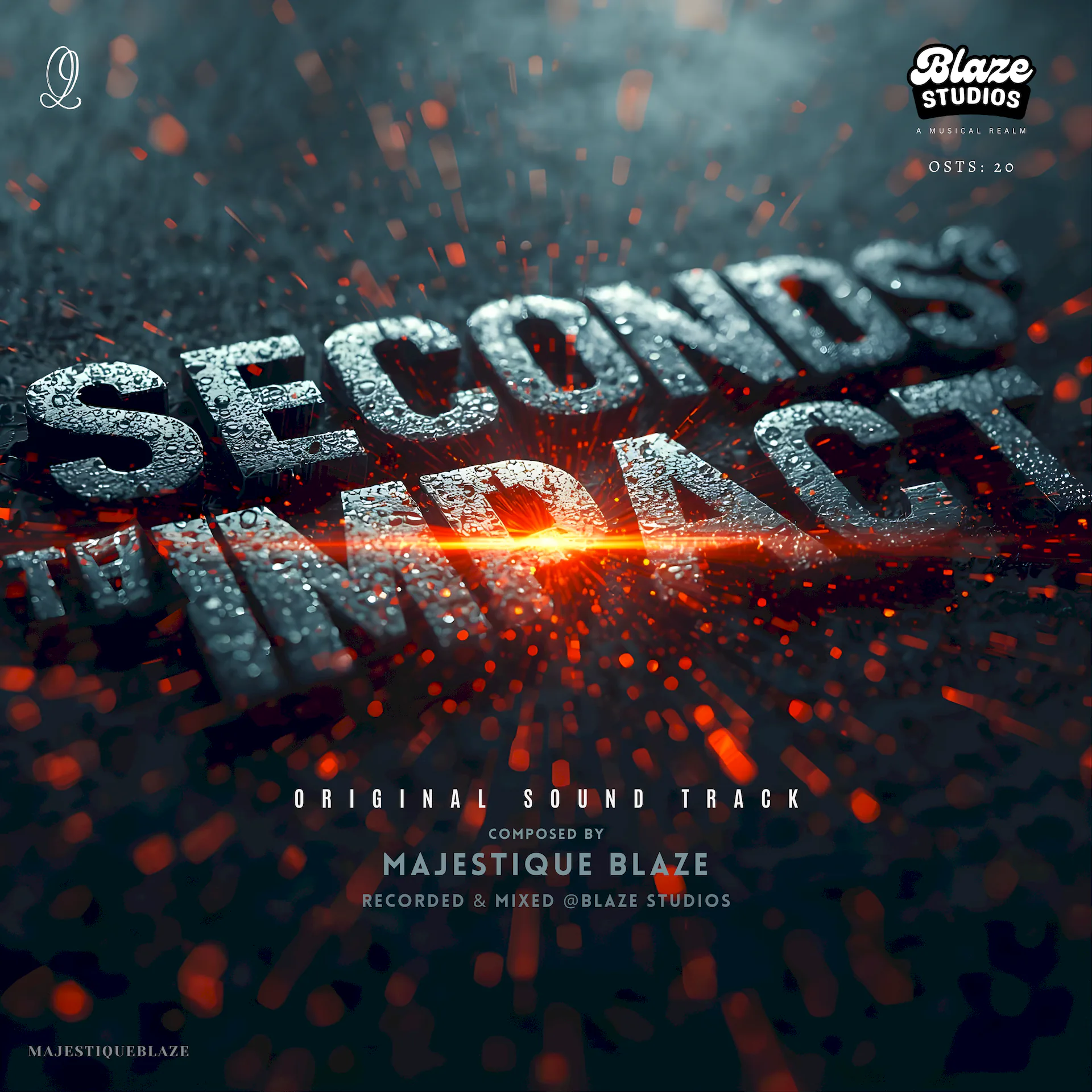
“Ashfall Rebellion” immediately sketches the idea of “ashfall Rebellion”; within “Seconds To Impact,” that becomes a suspenseful and tightly framed instrumental moment rather than a literal story.
“Battlefront Echo Nine” names an image rather than explaining an emotion, and that image gives this tense and scene-setting “Seconds To Impact” instrumental its personality. The word “echo” adds a further suggestion of memory, repetition, and something refusing to disappear.
“Blazefront Escape” enters “Seconds To Impact” as a cinematic, shadowed, and narrative instrumental, turning the title-image “blazefront Escape” into a scene the listener can complete for themselves.
“Chrono Division Zero” suggests a cinematic, shadowed, and narrative scene before the music is even described. With no lyrics to fix the narrative, its name becomes the first camera angle.
“Cipher Shadow Run” occupies a suspenseful and tightly framed corner of “Seconds To Impact.” The imagery in its name acts as the piece’s unspoken narrative prompt. The word “shadow” adds a further suggestion of uncertainty, secrecy, and what remains half-seen.
“Crimson Pursuit” is wordless but not directionless: its name locates it inside “Seconds To Impact,” and the imagined movement feels cinematic, shadowed, and narrative.
“Dominion Of The Fallen Crown” lets its name do the first piece of storytelling, becoming a cue for a suspenseful and tightly framed instrumental scene inside “Seconds To Impact.”
“Fractured Continuum” occupies a suspenseful and tightly framed space inside “Seconds To Impact”; the phrase “fractured Continuum” gives the piece a visual direction before a note even begins.
“Heatwave Collapse” gives “Seconds To Impact” a darkly atmospheric and reveal-driven pause or surge. Its meaning begins with the title and deliberately stays open.
“Iron Pulse Protocol” occupies a cinematic, shadowed, and narrative space inside “Seconds To Impact”; the phrase “iron Pulse Protocol” gives the piece a visual direction before a note even begins.
“Neon Shadow Engine” turns its title-image into wordless storytelling. The surrounding “Seconds To Impact” concept makes that storytelling feel darkly atmospheric and reveal-driven. The word “shadow” adds a further suggestion of uncertainty, secrecy, and what remains half-seen.
“Predators Of The Dark Vale” converts its title-image into atmosphere. Its place inside “Seconds To Impact” makes the piece feel cinematic, shadowed, and narrative rather than purely abstract.
“Rage Velocity” works as a wordless vignette with a cinematic, shadowed, and narrative character. In the context of “Seconds To Impact,” its name supplies the scene’s first cue.
“Rise Of The Colossal Lords” is built as atmosphere with a strong visual cue. Within “Seconds To Impact,” it lands as a cinematic, shadowed, and narrative scene rather than a song-shaped narrative.
“Silent Wire Operation” feels like a scene cut from “Seconds To Impact”—darkly atmospheric and reveal-driven, visually anchored by the picture implied in its name.
“Strike Unit Omega” begins with a visual idea and lets “Seconds To Impact” supply the wider universe around it. The result feels tense and scene-setting.
“The Lurking Breed” takes its larger frame from “Seconds To Impact,” while its own name supplies the specific image. The piece reads as cinematic, shadowed, and narrative and deliberately open-ended.
“Throne Of The Black Sun” is wordless but not directionless: its name locates it inside “Seconds To Impact,” and the imagined movement feels darkly atmospheric and reveal-driven.
“Wasteland Revolt” has no lyrics, but its name already suggests a direction. “Seconds To Impact” turns that direction into something tense and scene-setting.
“Wrath Of The First Giants” reads like a miniature film cue: tense and scene-setting, shaped around the image suggested by its name and placed within the broader world of “Seconds To Impact.”

“Savanna Sunrise” suggests a weather-shaped and quietly cinematic scene before the music is even described. With no lyrics to fix the narrative, its name becomes the first camera angle.

“The Ancestral Dance” gives “A Christmas Odyssey” a rhythmic, physical, and high-energy pause or surge. Its meaning begins with the title and deliberately stays open.
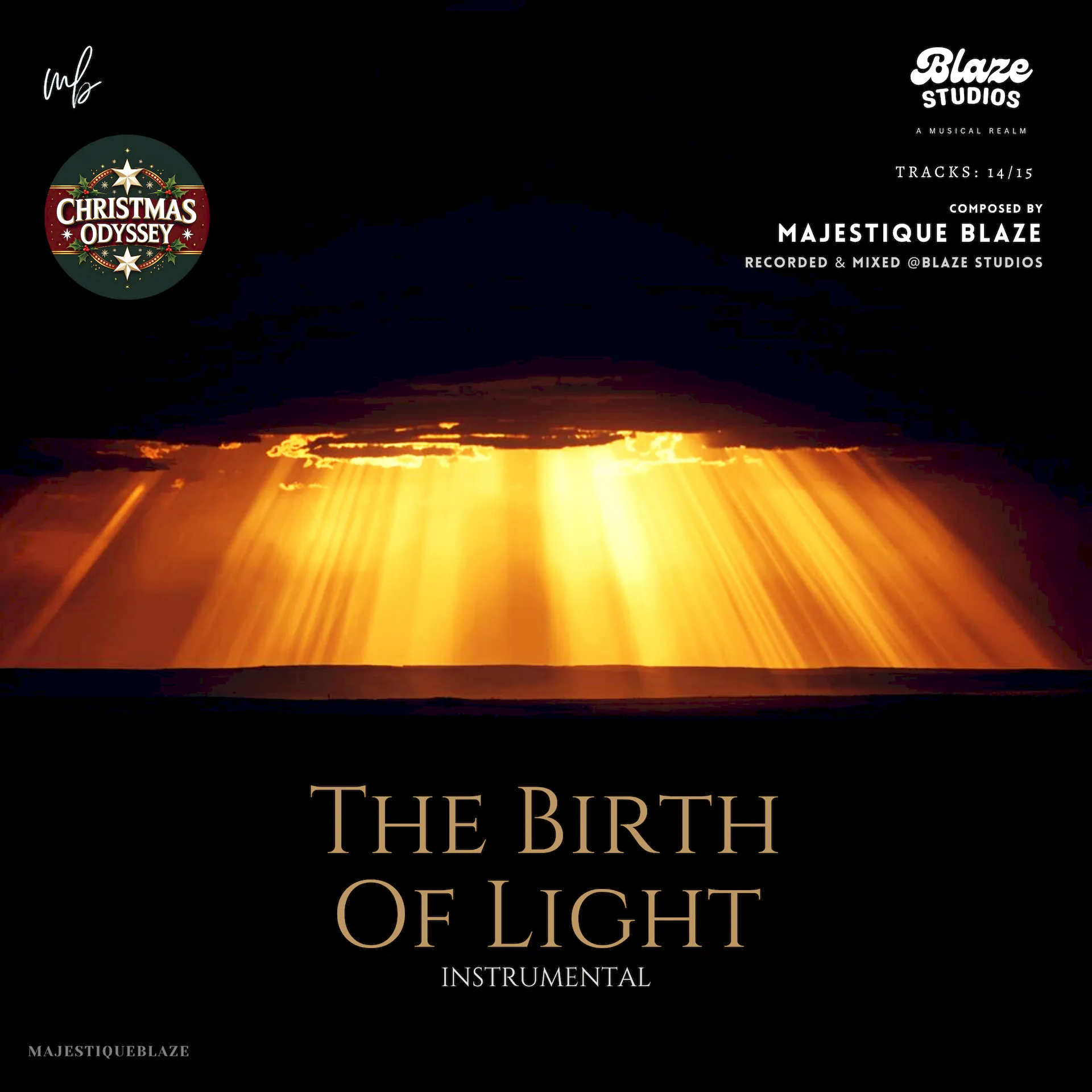
“The Birth Of Light” occupies a spacious and contemplative corner of “A Christmas Odyssey.” The imagery in its name acts as the piece’s unspoken narrative prompt. The word “light” adds a further suggestion of clarity, revelation, and the possibility of emergence.
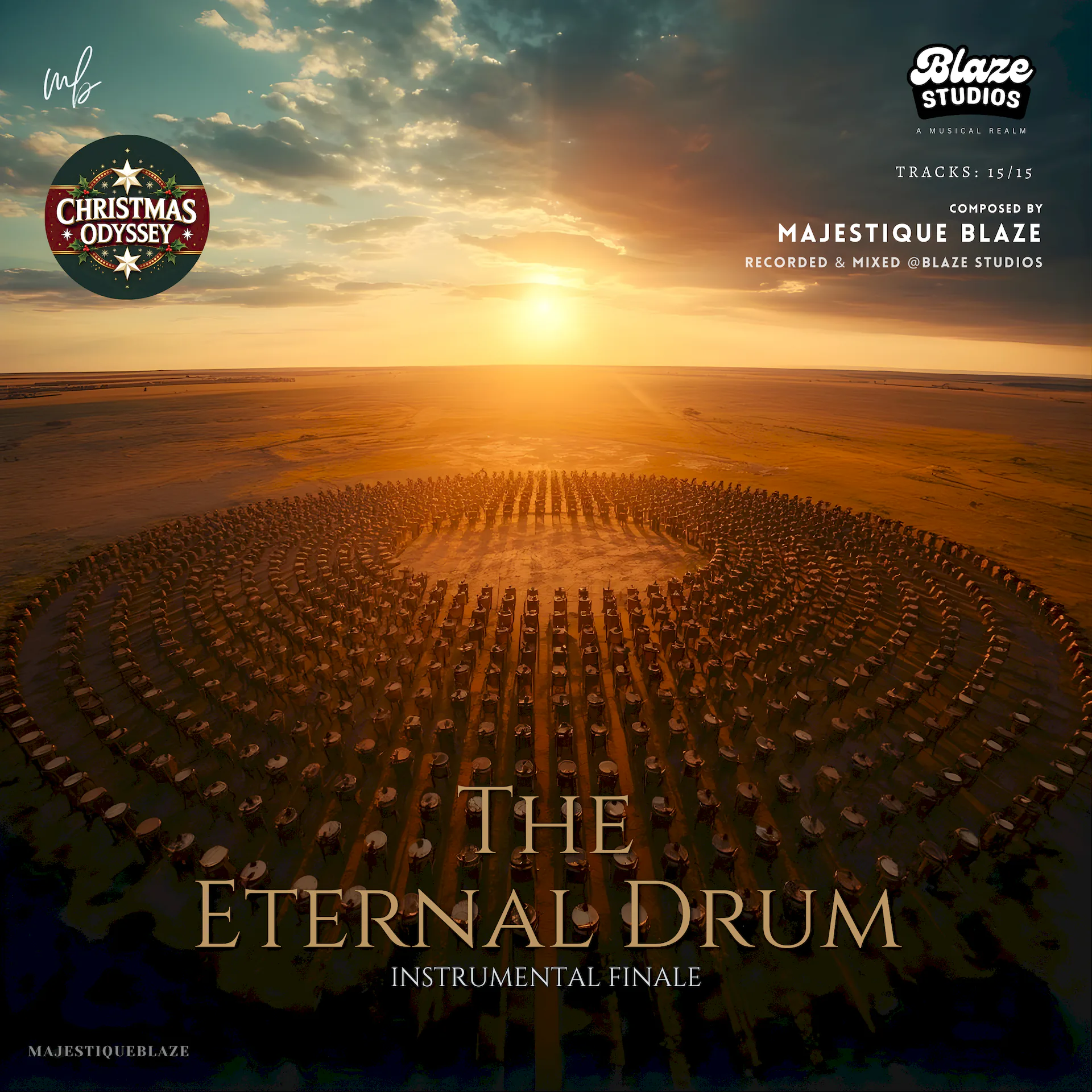
“The Eternal Drum” is built as atmosphere with a strong visual cue. Within “A Christmas Odyssey,” it lands as a meditative and ritual-tinged scene rather than a song-shaped narrative.
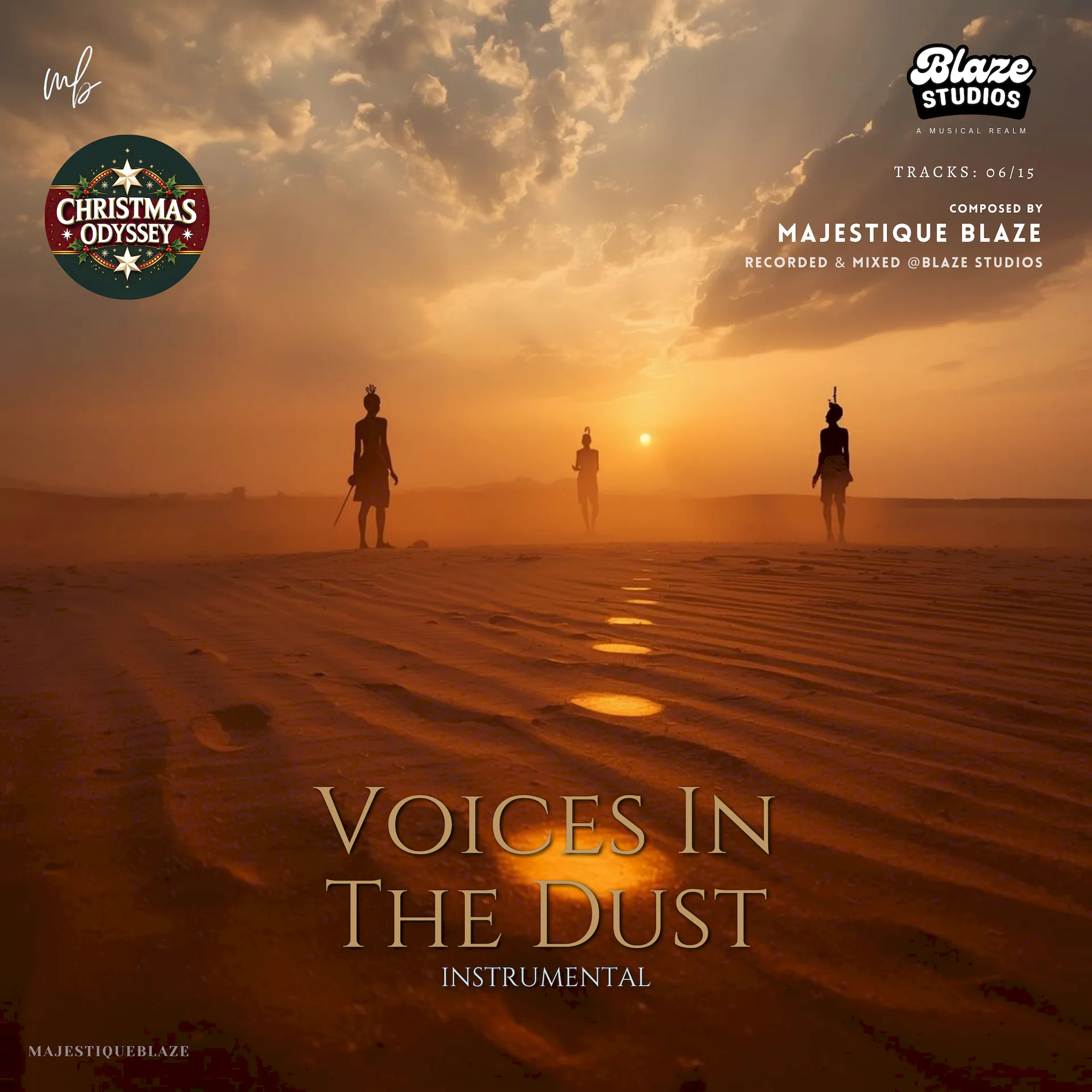
“Voices In The Dust” feels like a scene cut from “A Christmas Odyssey”—open, atmospheric, and visually suggestive, visually anchored by the picture implied in its name.

“When The Earth Sang” has no lyrics, but its name already suggests a direction. “A Christmas Odyssey” turns that direction into something landscape-led, fluid, and reflective.
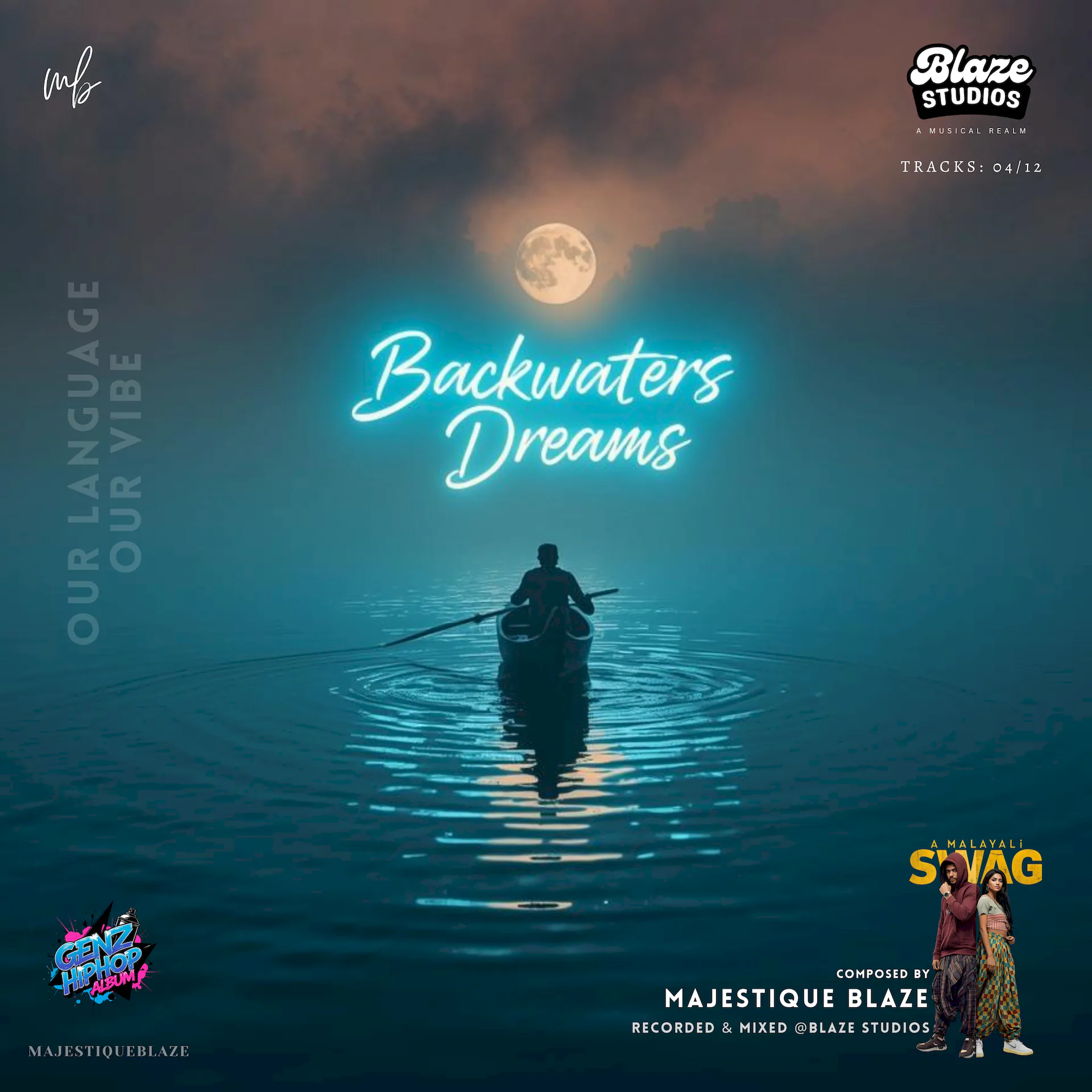
“Backwaters Dream” is built as atmosphere with a strong visual cue. Within “A Malayali Swag,” it lands as a gently atmospheric and restrained scene rather than a song-shaped narrative.
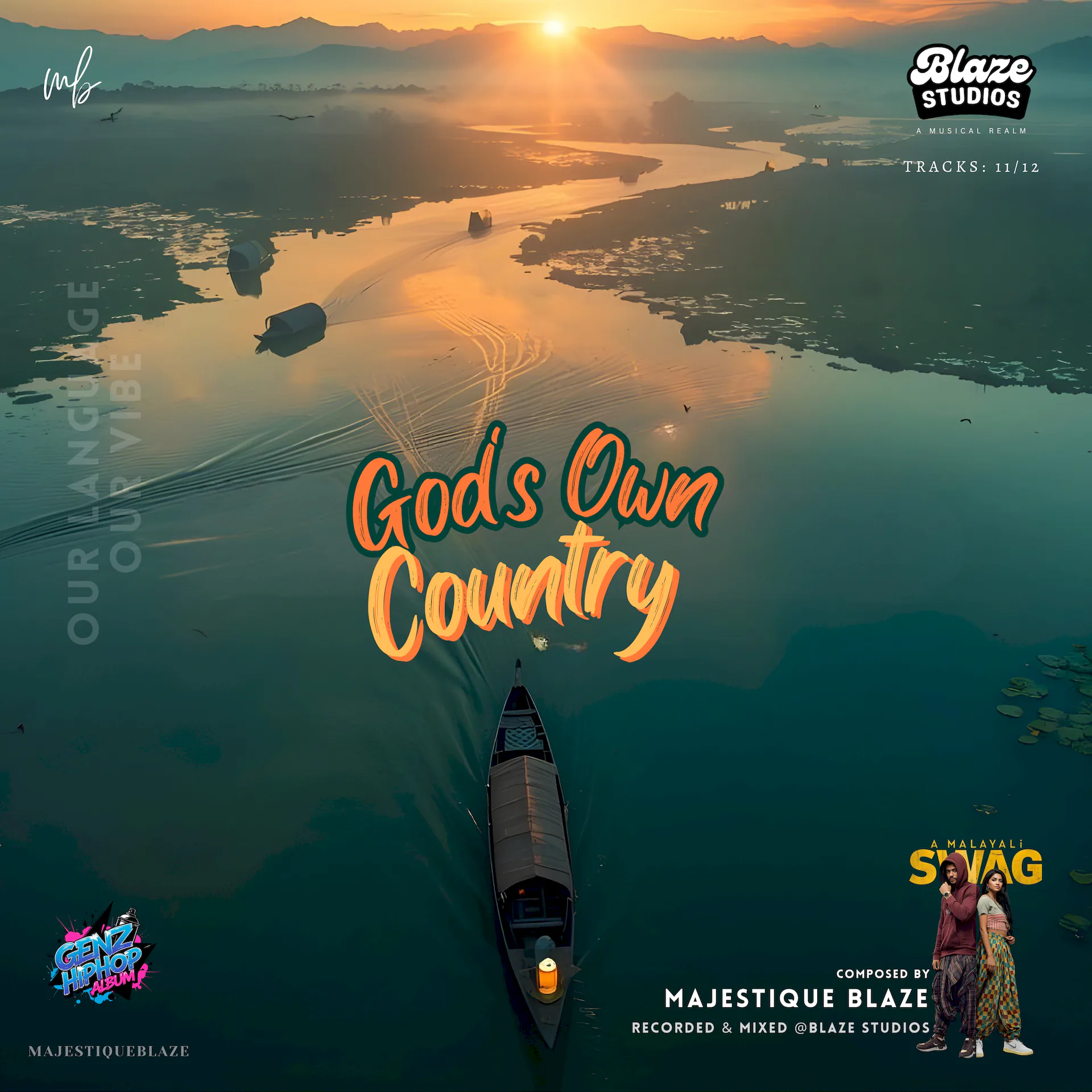
“God's Own Country” turns its title-image into wordless storytelling. The surrounding “A Malayali Swag” concept makes that storytelling feel open, atmospheric, and visually suggestive.
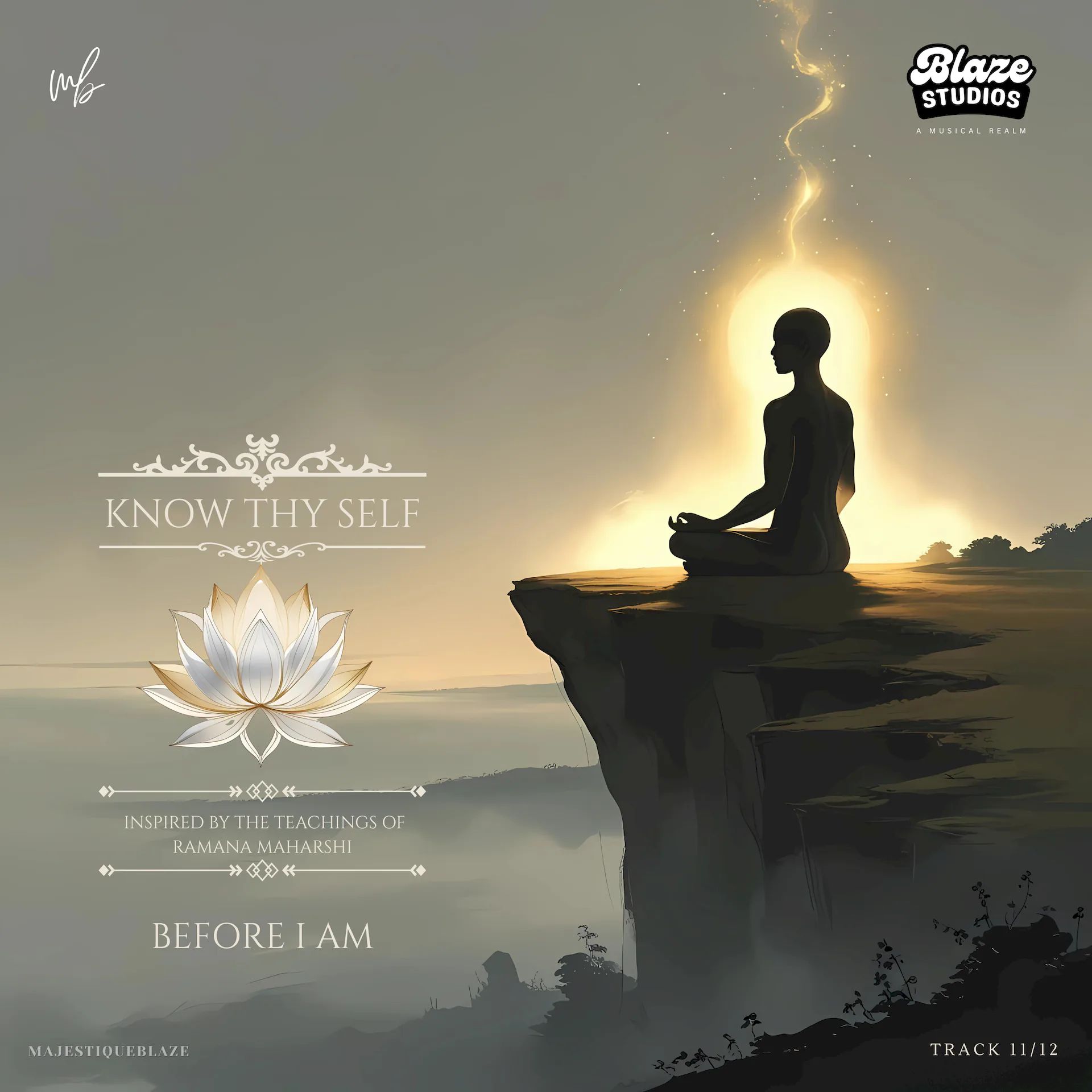
“Before I am - Theme” converts its title-image into atmosphere. Its place inside “Know Thyself” makes the piece feel cinematic and mood-led rather than purely abstract.

“The Root of I am - Theme” enters “Know Thyself” as a cinematic and mood-led instrumental, turning the title-image “the Root of I am - Theme” into a scene the listener can complete for themselves.
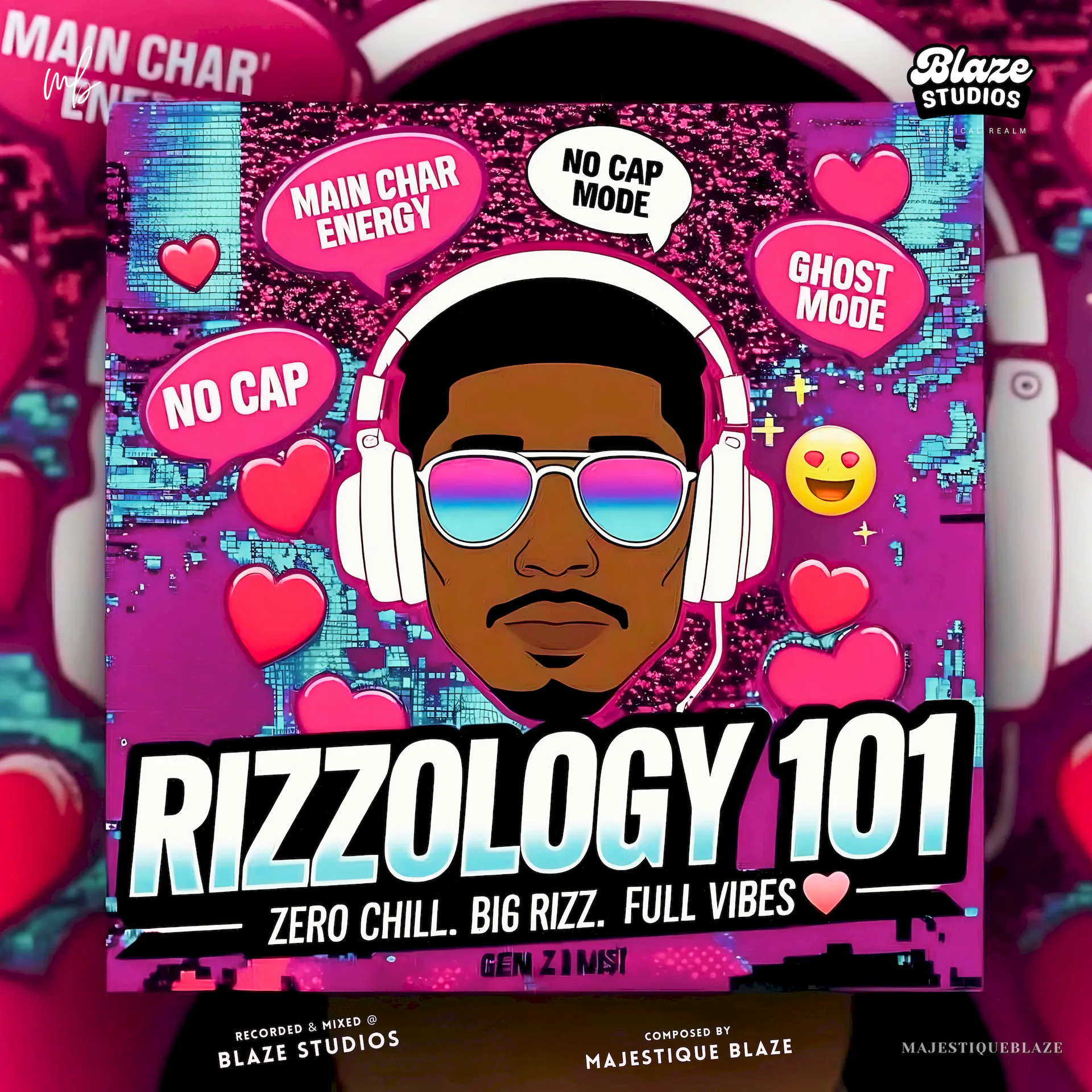
“Midnight Scroll - Theme” converts its title-image into atmosphere. Its place inside “Rizzology 101” makes the piece feel wordless, image-led, and open-ended rather than purely abstract.
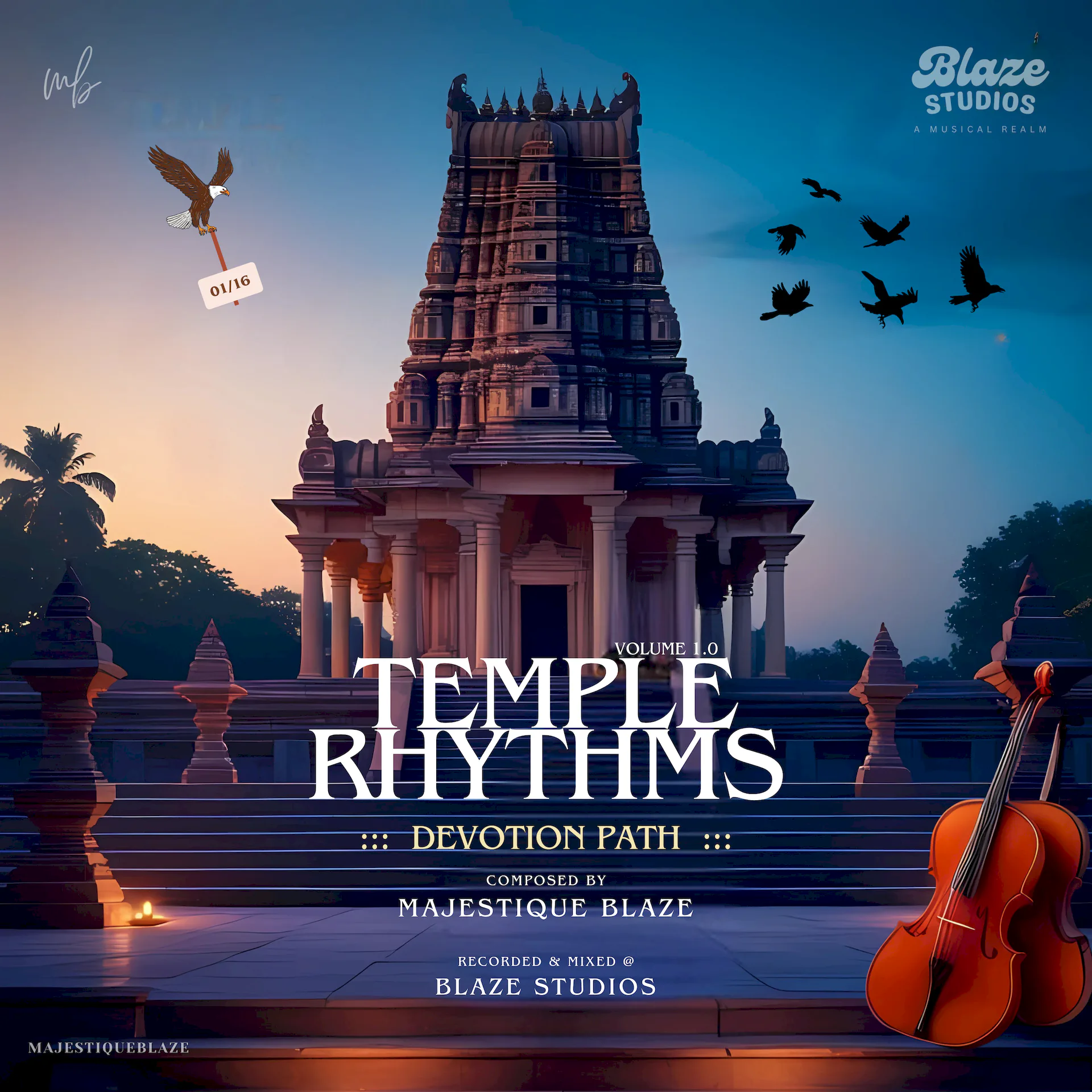
“Devotional Path” takes its larger frame from “Temple Rhythms,” while its own name supplies the specific image. The piece reads as quietly contemplative and ceremonial and deliberately open-ended.
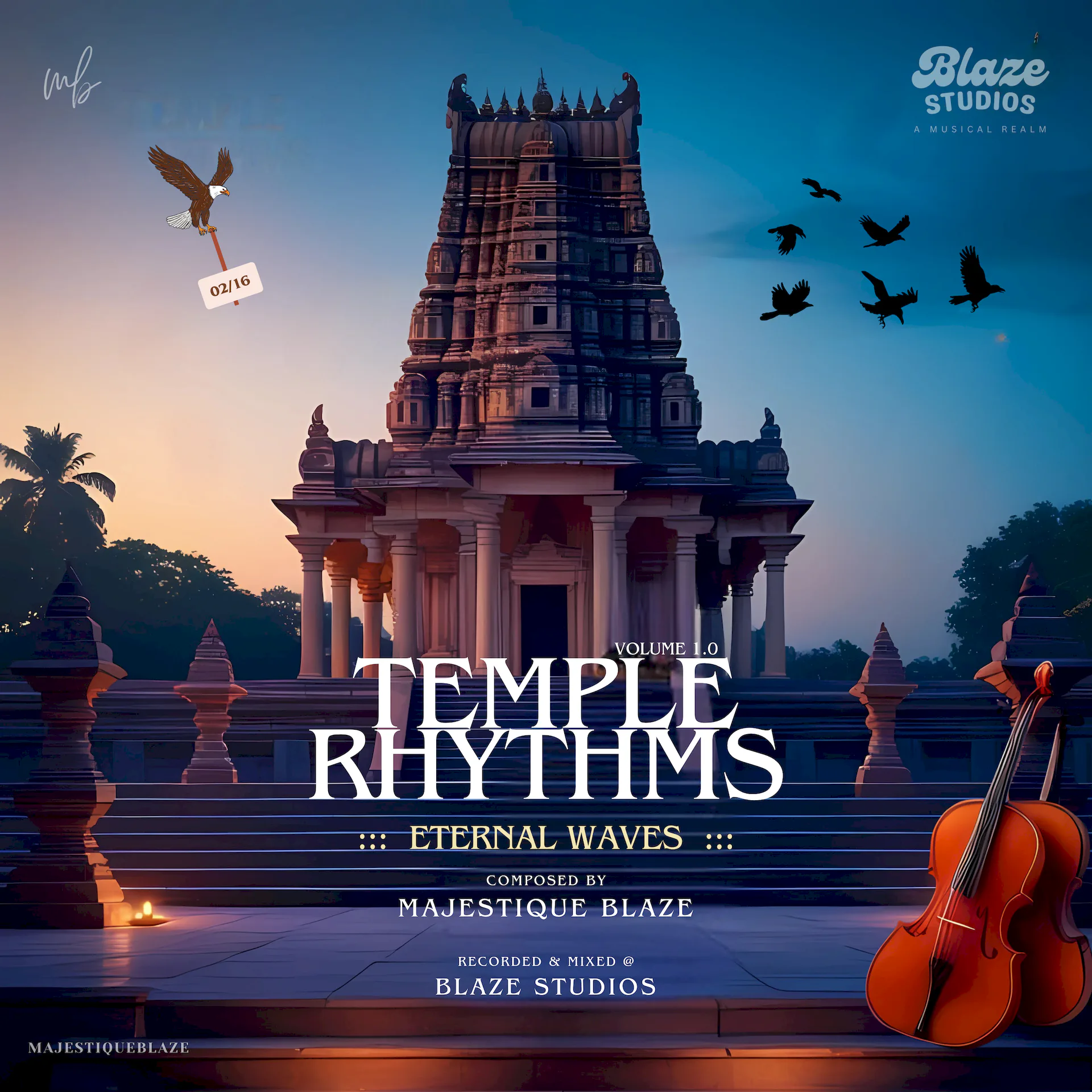
“Eternal Waves” begins with a visual idea and lets “Temple Rhythms” supply the wider universe around it. The result feels devotional, spacious, and inward-looking.
“Ethereal Murmurs” gives “Temple Rhythms” a devotional, spacious, and inward-looking pause or surge. Its meaning begins with the title and deliberately stays open.
“Flowing Raaga” occupies a sacred, reflective, and atmosphere-led space inside “Temple Rhythms”; the phrase “flowing Raaga” gives the piece a visual direction before a note even begins.
“Fragrant Strings” is wordless but not directionless: its name locates it inside “Temple Rhythms,” and the imagined movement feels devotional, spacious, and inward-looking. The word “strings” adds a further suggestion of a human-like emotional voice carried without words.
“Luminous Serenity” occupies a sacred, reflective, and atmosphere-led corner of “Temple Rhythms.” The imagery in its name acts as the piece’s unspoken narrative prompt.
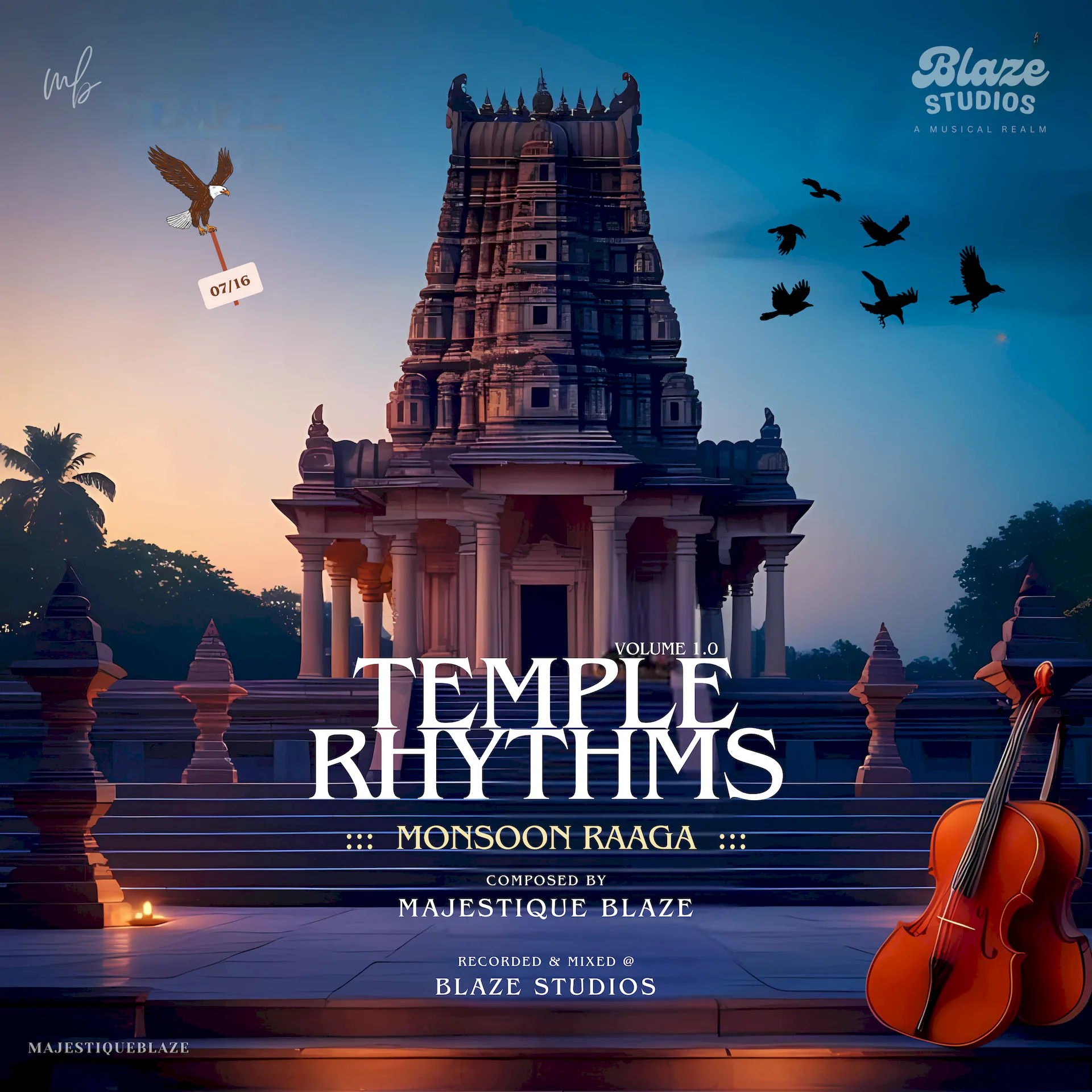
“Monsoon Raaga” is built as atmosphere with a strong visual cue. Within “Temple Rhythms,” it lands as a meditative and ritual-tinged scene rather than a song-shaped narrative.
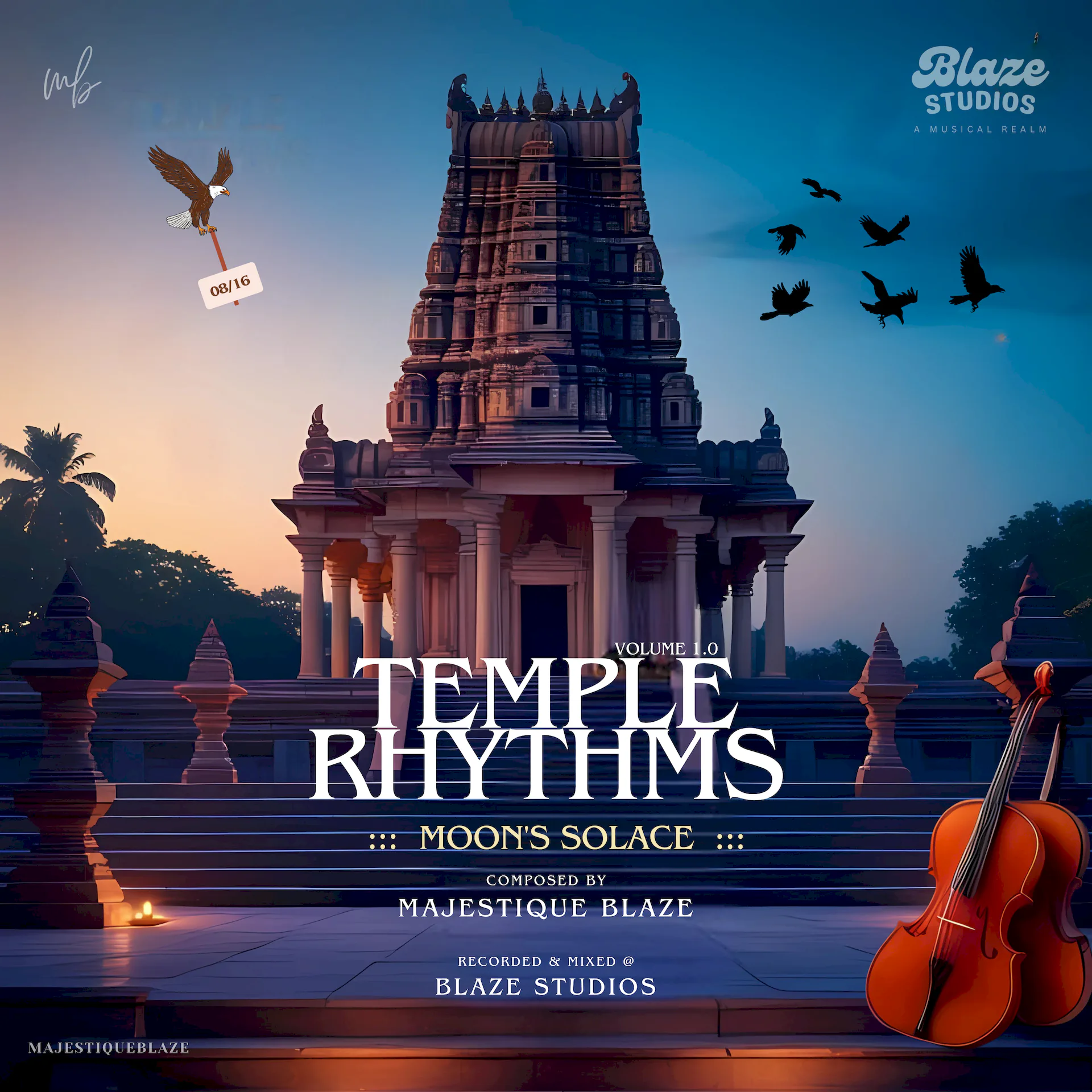
“Moon's Solace” immediately sketches the idea of “moon's Solace”; within “Temple Rhythms,” that becomes a sacred, reflective, and atmosphere-led instrumental moment rather than a literal story.
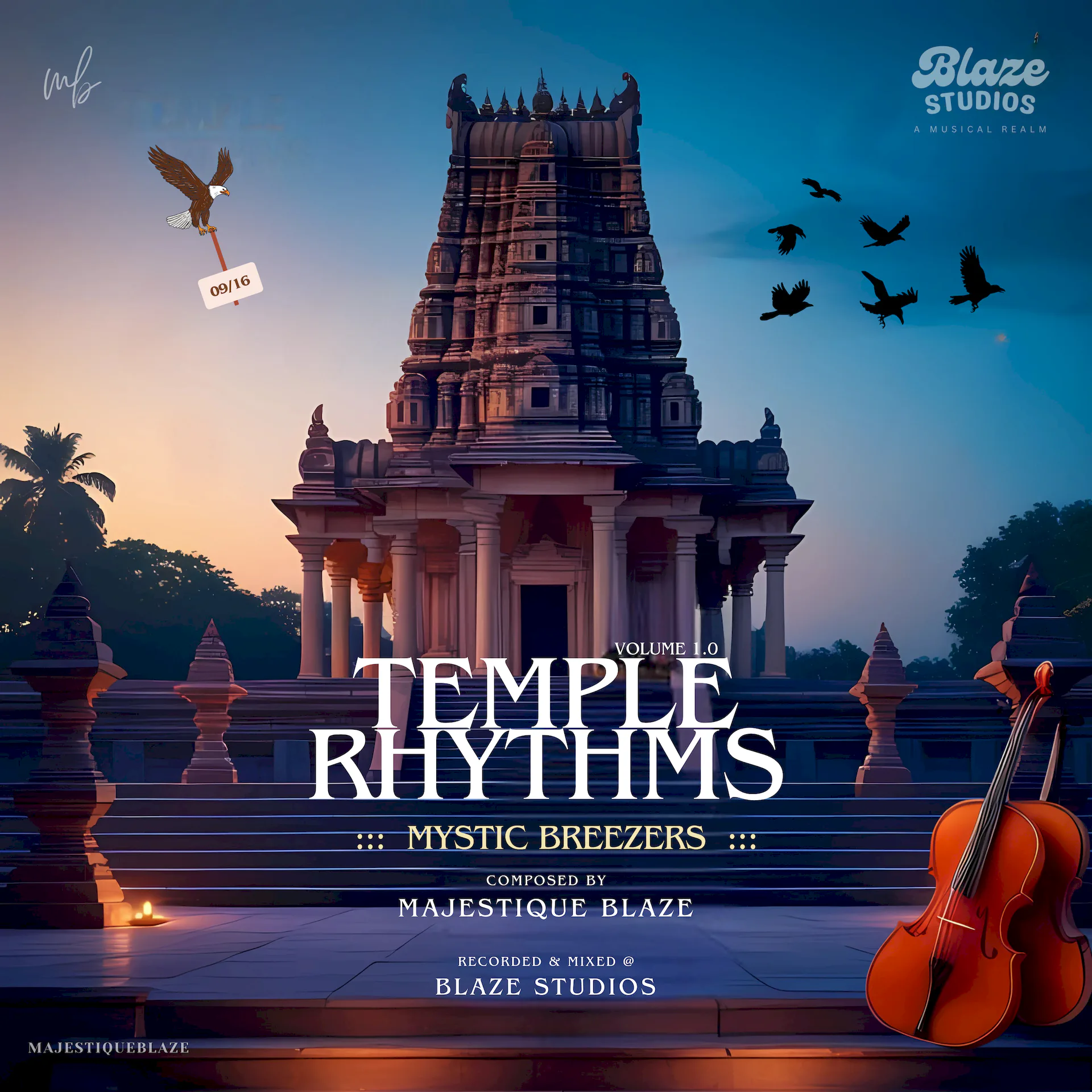
“Mystic Breezers” converts its title-image into atmosphere. Its place inside “Temple Rhythms” makes the piece feel meditative and ritual-tinged rather than purely abstract.
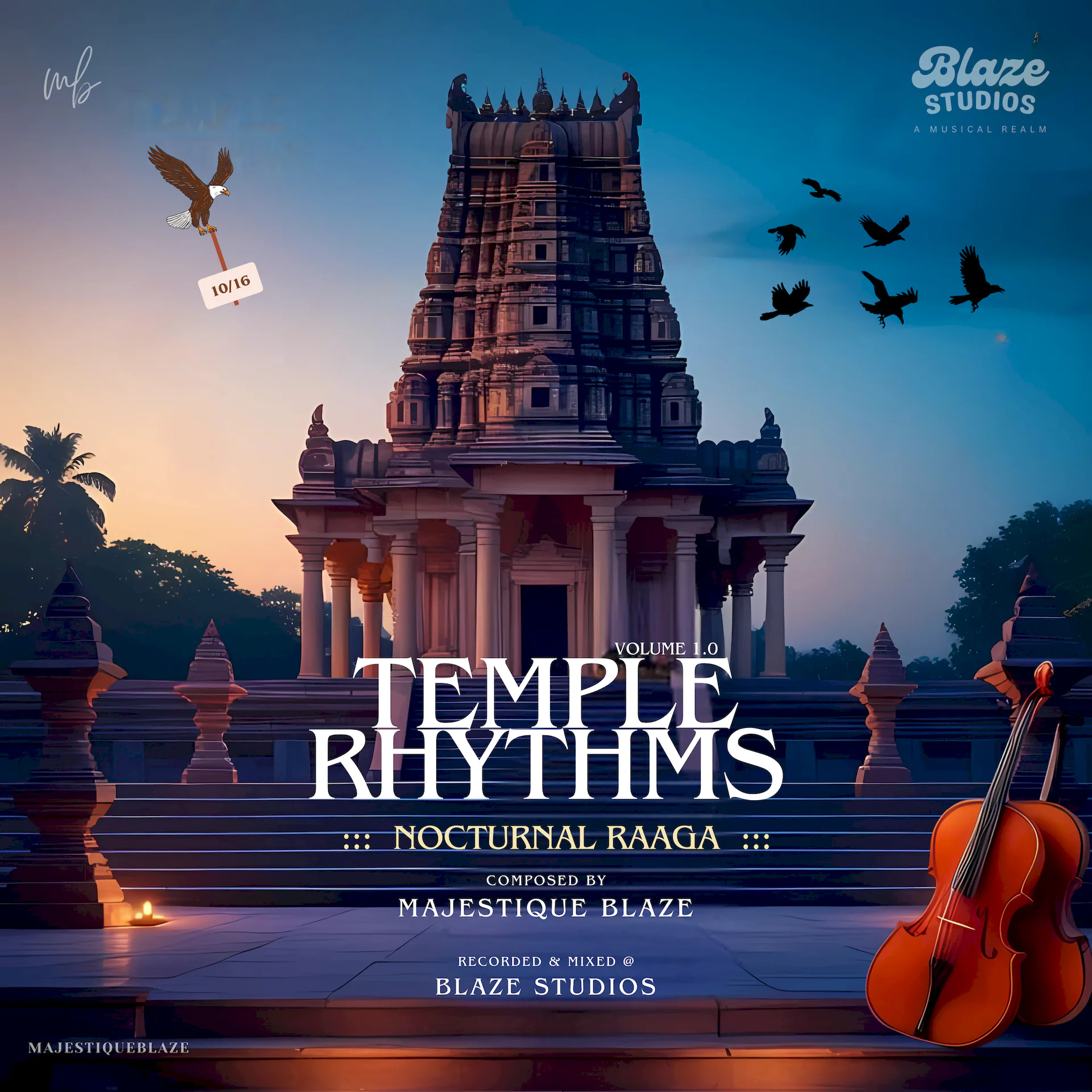
“Nocturnal Raaga” names an image rather than explaining an emotion, and that image gives this sacred, reflective, and atmosphere-led “Temple Rhythms” instrumental its personality.
“Rain Kissed Strings” enters “Temple Rhythms” as a sacred, reflective, and atmosphere-led instrumental, turning the title-image “rain Kissed Strings” into a scene the listener can complete for themselves. The word “rain” adds a further suggestion of cleansing, memory, and soft persistence.
“Sacred Chants” suggests a devotional, spacious, and inward-looking scene before the music is even described. With no lyrics to fix the narrative, its name becomes the first camera angle.
“Temple Bells” lets its name do the first piece of storytelling, becoming a cue for a sacred, reflective, and atmosphere-led instrumental scene inside “Temple Rhythms.” The word “temple” adds a further suggestion of sacred space, ritual, and inward attention.
“Temple Steps” turns its title-image into wordless storytelling. The surrounding “Temple Rhythms” concept makes that storytelling feel devotional, spacious, and inward-looking.
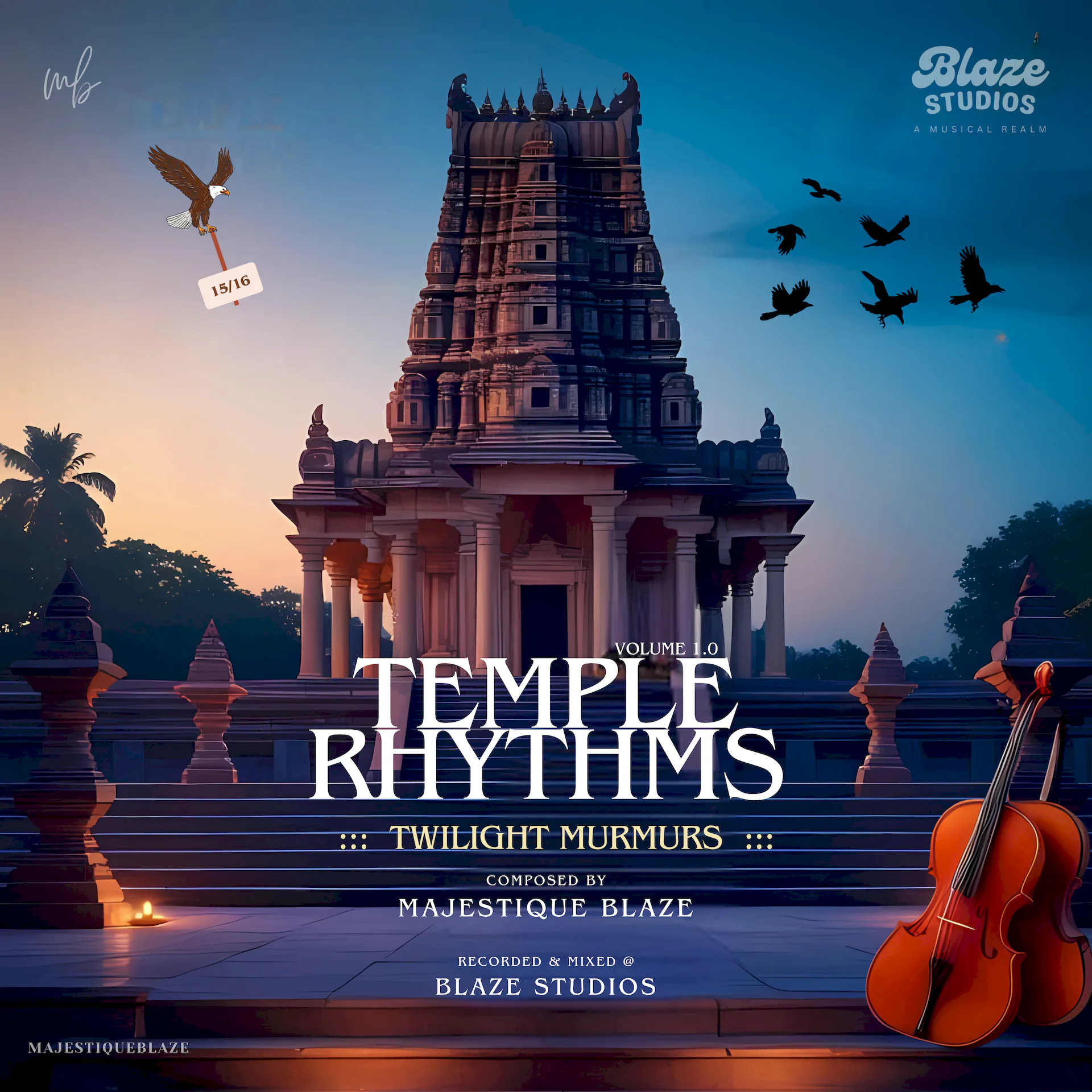
“Twilight Murmurs” works as a wordless vignette with a sacred, reflective, and atmosphere-led character. In the context of “Temple Rhythms,” its name supplies the scene’s first cue. The word “twilight” adds a further suggestion of transition, ambiguity, and beauty between states.
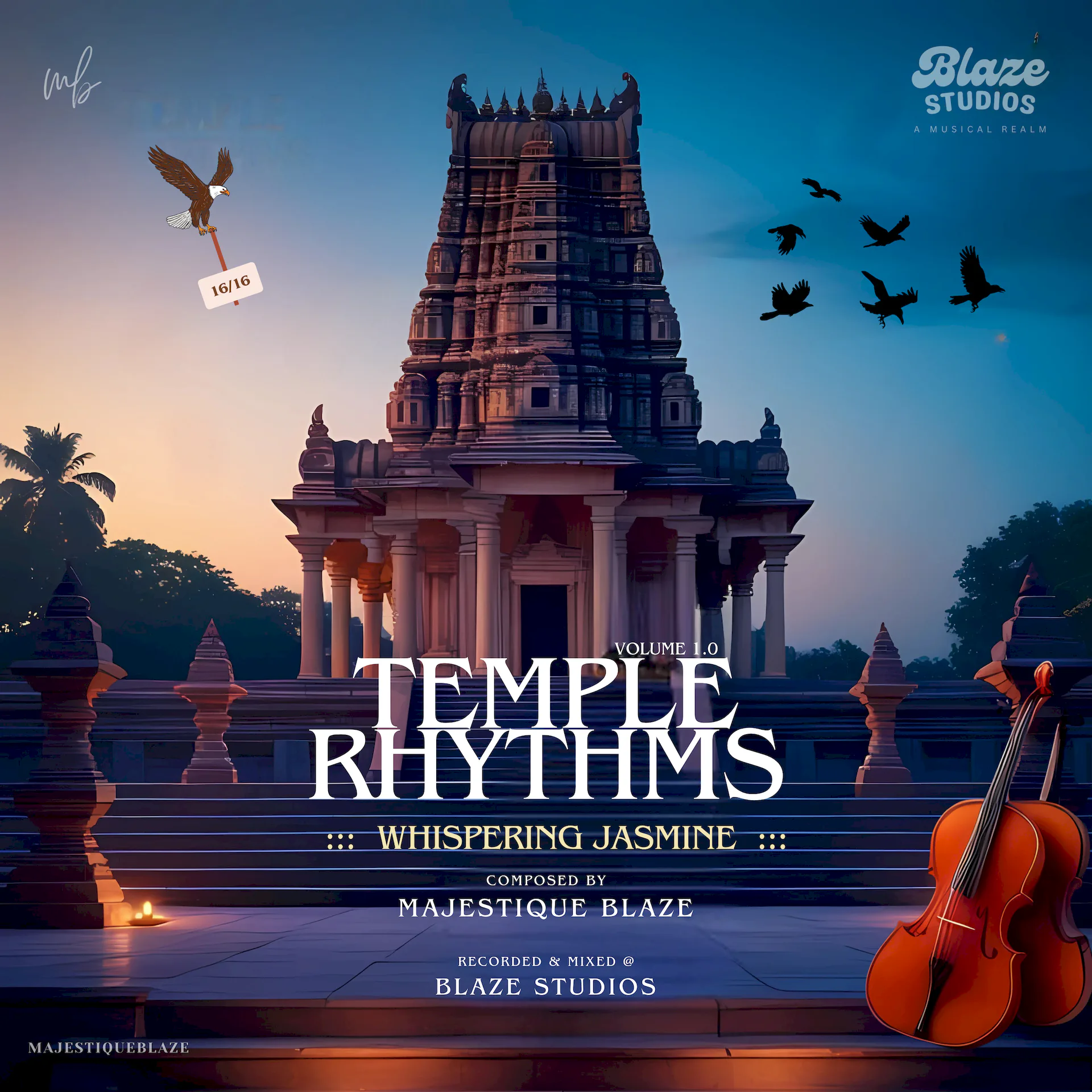
“Whispering Jasmine” feels like a scene cut from “Temple Rhythms”—devotional, spacious, and inward-looking, visually anchored by the picture implied in its name. The word “jasmine” adds a further suggestion of fragrance, memory, and devotional intimacy.
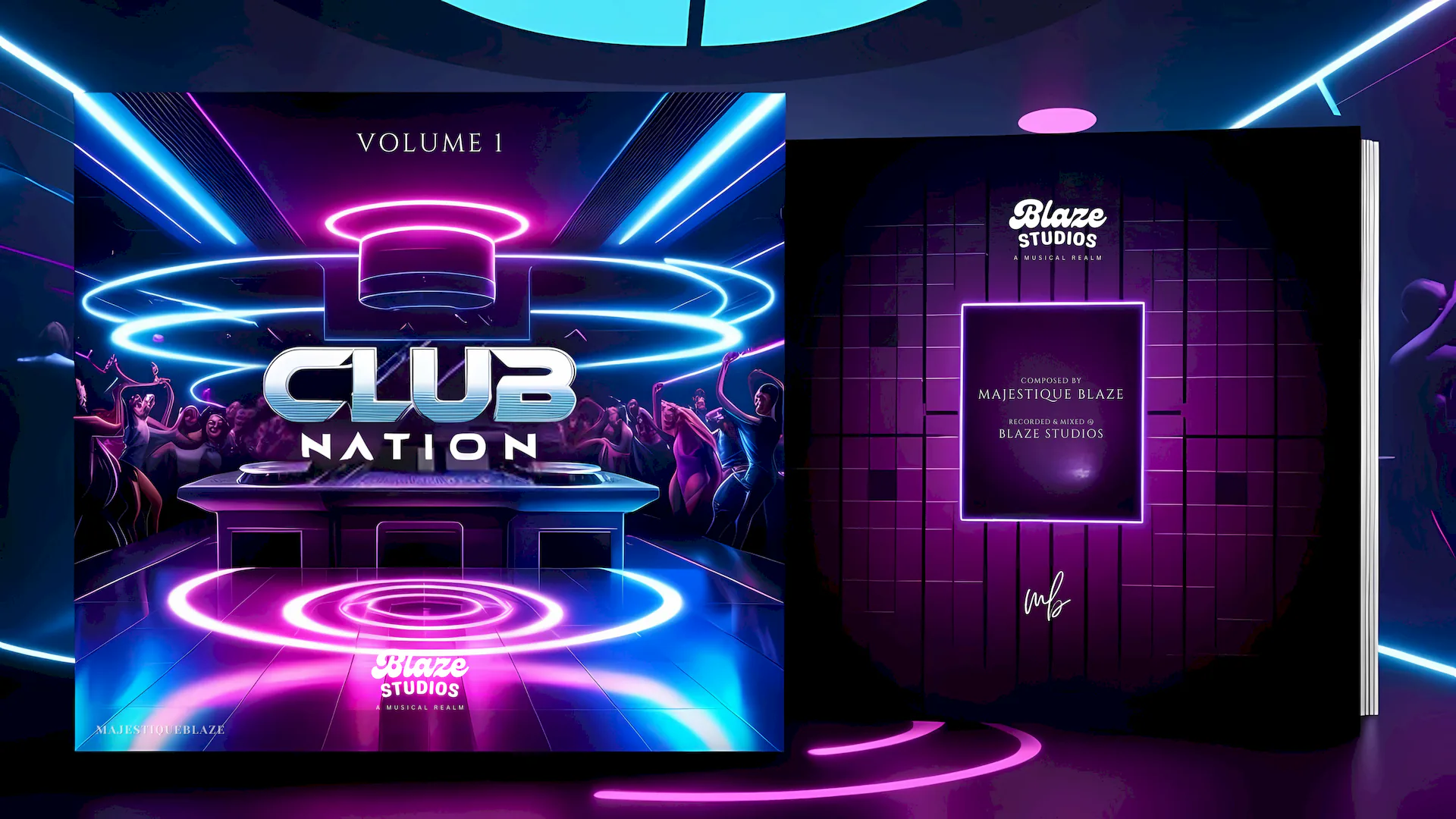
“Adrenaline Loop (Hard Techno)” begins with a visual idea and lets “Club Nation” supply the wider universe around it. The result feels percussive, bright, and body-conscious.
“Audio Frenzy (Future Rave)” gives “Club Nation” a rhythmic, physical, and high-energy pause or surge. Its meaning begins with the title and deliberately stays open.
“Bass Horizon (Trance)” occupies a movement-driven and release-oriented space inside “Club Nation”; the phrase “bass Horizon (Trance)” gives the piece a visual direction before a note even begins. The word “bass” adds a further suggestion of weight, physicality, and the foundation beneath movement.
“Bass Odyssey (Deep Tech)” is wordless but not directionless: its name locates it inside “Club Nation,” and the imagined movement feels percussive, bright, and body-conscious. The word “bass” adds a further suggestion of weight, physicality, and the foundation beneath movement.
“Bass Voltage (Hard Techno)” occupies a percussive, bright, and body-conscious corner of “Club Nation.” The imagery in its name acts as the piece’s unspoken narrative prompt. The word “bass” adds a further suggestion of weight, physicality, and the foundation beneath movement.
“Circuit Flash (Minimal Techno)” is built as atmosphere with a strong visual cue. Within “Club Nation,” it lands as a club-facing and pulse-led scene rather than a song-shaped narrative.
“Cyber Motion (Future House)” immediately sketches the idea of “cyber Motion (Future House)”; within “Club Nation,” that becomes a club-facing and pulse-led instrumental moment rather than a literal story.
“Digital Surge (Future House)” converts its title-image into atmosphere. Its place inside “Club Nation” makes the piece feel club-facing and pulse-led rather than purely abstract.
“Electric Gravity (Progressive House)” names an image rather than explaining an emotion, and that image gives this percussive, bright, and body-conscious “Club Nation” instrumental its personality.
“Gravity Pulse (Tech House)” enters “Club Nation” as a rhythmic, physical, and high-energy instrumental, turning the title-image “gravity Pulse (Tech House)” into a scene the listener can complete for themselves. The word “pulse” adds a further suggestion of life, urgency, and repeated forward motion.
“Hyperfrequency (Future Rave)” suggests a movement-driven and release-oriented scene before the music is even described. With no lyrics to fix the narrative, its name becomes the first camera angle.
“Hypnotic Sparks (Deep House)” lets its name do the first piece of storytelling, becoming a cue for a rhythmic, physical, and high-energy instrumental scene inside “Club Nation.”
“Ignition Loop 1 (Big Room House)” turns its title-image into wordless storytelling. The surrounding “Club Nation” concept makes that storytelling feel movement-driven and release-oriented.
“Ignition Loop 2 (Big Room House)” works as a wordless vignette with a movement-driven and release-oriented character. In the context of “Club Nation,” its name supplies the scene’s first cue.
“Kinetic Flow (Tech House)” feels like a scene cut from “Club Nation”—club-facing and pulse-led, visually anchored by the picture implied in its name.
“Luminous Core (Melodic House)” reads like a miniature film cue: percussive, bright, and body-conscious, shaped around the image suggested by its name and placed within the broader world of “Club Nation.”
“Midnight Charge (Deep House)” has no lyrics, but its name already suggests a direction. “Club Nation” turns that direction into something club-facing and pulse-led.
“Motion Voltage 1 (Big Room House)” takes its larger frame from “Club Nation,” while its own name supplies the specific image. The piece reads as club-facing and pulse-led and deliberately open-ended.
“Motion Voltage 2 (Big Room House)” begins with a visual idea and lets “Club Nation” supply the wider universe around it. The result feels movement-driven and release-oriented. The word “voltage” adds a further suggestion of electric charge, urgency, and a sudden rise in energy.
“Neon Turbulence (Tech House)” gives “Club Nation” a club-facing and pulse-led pause or surge. Its meaning begins with the title and deliberately stays open.
“Nightwave Drive (Trance)” occupies a movement-driven and release-oriented space inside “Club Nation”; the phrase “nightwave Drive (Trance)” gives the piece a visual direction before a note even begins.
“Nocturnal Pulse (Minimal Techno)” is wordless but not directionless: its name locates it inside “Club Nation,” and the imagined movement feels percussive, bright, and body-conscious. The word “pulse” adds a further suggestion of life, urgency, and repeated forward motion.
“Prism Circuit (Melodic House)” occupies a rhythmic, physical, and high-energy corner of “Club Nation.” The imagery in its name acts as the piece’s unspoken narrative prompt.
“Pulse Reactor (Trance)” is built as atmosphere with a strong visual cue. Within “Club Nation,” it lands as a percussive, bright, and body-conscious scene rather than a song-shaped narrative.
“Shockwave Flow (Techno)” immediately sketches the idea of “shockwave Flow (Techno)”; within “Club Nation,” that becomes a club-facing and pulse-led instrumental moment rather than a literal story.
“Sonic Depth (Deep Tech)” converts its title-image into atmosphere. Its place inside “Club Nation” makes the piece feel movement-driven and release-oriented rather than purely abstract.
“Sonic Uplift (Progressive House)” names an image rather than explaining an emotion, and that image gives this rhythmic, physical, and high-energy “Club Nation” instrumental its personality.
“Synthetic Rush (Tech House)” enters “Club Nation” as a movement-driven and release-oriented instrumental, turning the title-image “synthetic Rush (Tech House)” into a scene the listener can complete for themselves.
“Velocity Surge (Trance)” suggests a movement-driven and release-oriented scene before the music is even described. With no lyrics to fix the narrative, its name becomes the first camera angle.
“Voltage Rush (Techno)” lets its name do the first piece of storytelling, becoming a cue for a club-facing and pulse-led instrumental scene inside “Club Nation.”
“Tribal Awakening” works as a wordless vignette with a percussive, bright, and body-conscious character. In the context of “Tribal Awakening,” its name supplies the scene’s first cue. The word “tribal” adds a further suggestion of collective pulse, rooted rhythm, and communal movement.
“Game Changer (Theme)” names an image rather than explaining an emotion, and that image gives this wordless, image-led, and open-ended “Game Changer” instrumental its personality.
“Im The Best (Theme)” occupies a wordless, image-led, and open-ended space inside “Game Changer”; the phrase “im The Best (Theme)” gives the piece a visual direction before a note even begins.

“Day Before Christmas (Theme)” begins with a visual idea and lets “Glistening Snow” supply the wider universe around it. The result feels weather-shaped and quietly cinematic.

“Snowfall Serenade (Theme)” occupies a elemental, open, and scenic corner of “Glistening Snow.” The imagery in its name acts as the piece’s unspoken narrative prompt.

“Twist At Christmas Club (Theme)” names an image rather than explaining an emotion, and that image gives this landscape-led, fluid, and reflective “Glistening Snow” instrumental its personality.

“Playful” has no lyrics, but its name already suggests a direction. “Playful” turns that direction into something cheeky, energetic, and deliberately uncomplicated.

“Gear Up” takes its larger frame from “Gear Up,” while its own name supplies the specific image. The piece reads as cinematic and mood-led and deliberately open-ended.
“Grit & Glory (Theme Music)” suggests a large-scale, charged, and cinematic scene before the music is even described. With no lyrics to fix the narrative, its name becomes the first camera angle.
“Mission Begins” suggests a suspenseful and tightly framed scene before the music is even described. With no lyrics to fix the narrative, its name becomes the first camera angle.
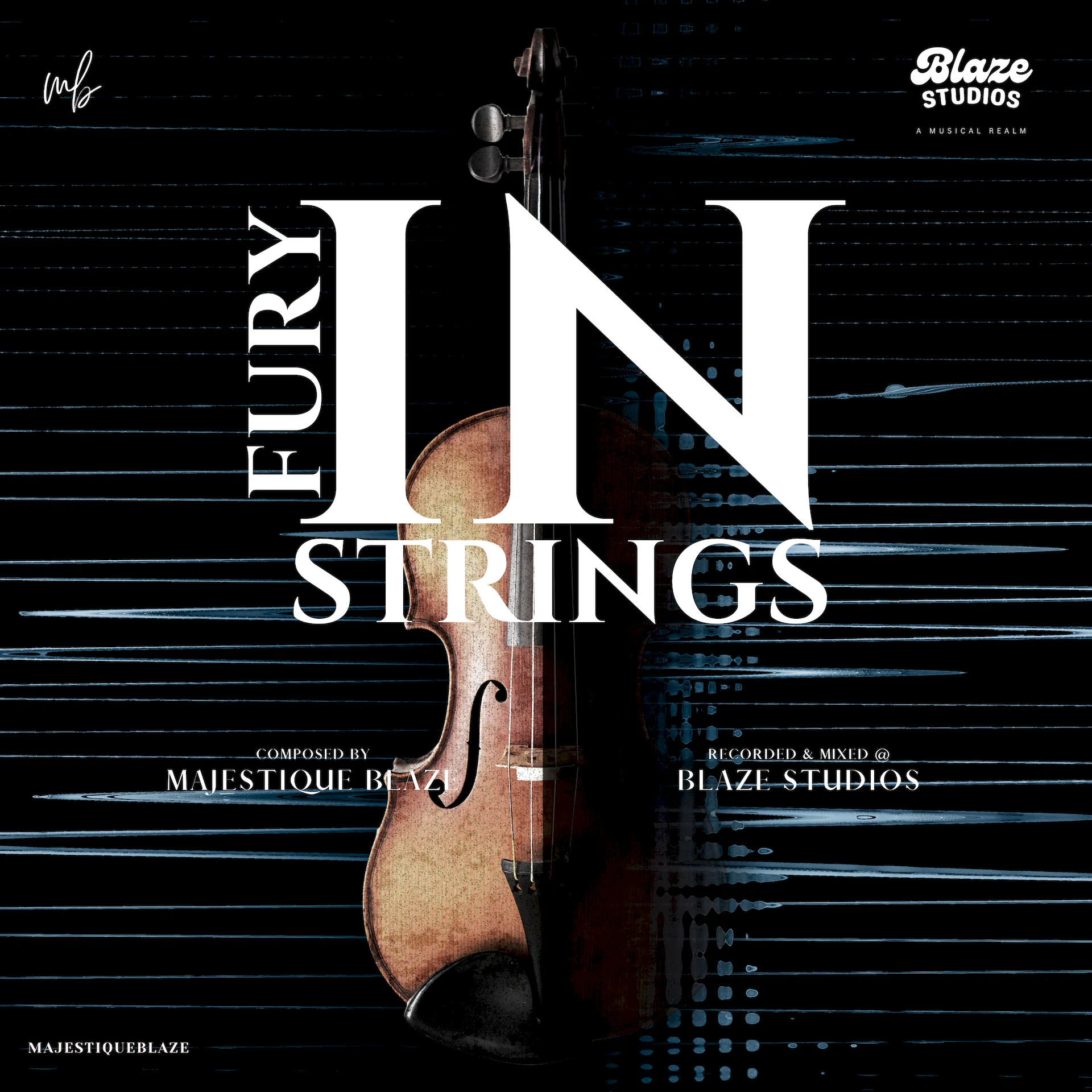
“Fury In Strings” is built as atmosphere with a strong visual cue. Within “Fury In Strings,” it lands as a intense, rising, and impact-driven scene rather than a song-shaped narrative.